
Seniors need strength training because it directly counteracts the natural loss of muscle, bone density, and functional ability that comes with age—and this isn’t a minor decline. After age 30, adults lose approximately 3-5% of muscle mass per decade. By the time someone reaches their 80s, they’ve lost roughly 30% of the muscle they had in their youth. This muscle loss, called sarcopenia, affects between 25-45% of U.S. seniors and accelerates dramatically after 65. Without intervention, this progressive weakness makes everyday tasks harder: climbing stairs becomes exhausting, getting up from a chair requires more effort, and the risk of falling—which can trigger a cascade of health problems—increases sharply.
The stakes are substantial because strength training addresses multiple life-threatening health outcomes simultaneously. Research shows that resistance training reduces all-cause mortality by 15%, with maximum protection reaching 27% at approximately 60 minutes per week. It also prevents falls in 20-45% of cases, strengthens bones to prevent fractures, lowers blood pressure, improves cardiovascular health, and maintains the physical capacity needed to live independently at home. For seniors focused on aging in place safely, strength training isn’t optional wellness advice—it’s a concrete, evidence-based strategy to prevent the decline that forces dependence on caregivers and institutional care. Consider a 72-year-old who can no longer carry groceries, climb stairs without handrails, or stand up from a low chair without assistance. Strength training can restore these abilities. The difference between independence and dependence often comes down to whether someone maintained their muscle and bone strength.
Table of Contents
- How Muscle Loss Changes Life After 65
- Falls, Fractures, and Why Prevention Matters More Than Treatment
- Heart Health, Longevity, and Unexpected Benefits
- Bone Density, Osteoporosis Prevention, and Long-Term Fracture Risk
- Barriers to Participation and the Inactivity Crisis
- Real-World Independence and Activities of Daily Living
- Getting Started Late Is Still an Advantage Over Not Starting
- Conclusion
How Muscle Loss Changes Life After 65
Muscle loss doesn’t happen overnight, but its effects are cumulative and accelerating. People aged 60-70 have already lost 12% of their muscle mass compared to younger adults, but the rate of loss accelerates. Sarcopenia prevalence jumps from 5% in those aged 65-69 to 36% in those aged 85-89. This matters because muscle is what powers movement, stability, and metabolic health. Without strength training, a senior’s daily function gradually shrinks: walking becomes slower, balance deteriorates, and tasks that required minimal effort—like opening a jar or standing on one leg to put on pants—become difficult or impossible. The metabolic consequence is equally important. Muscle tissue burns calories at rest, so losing muscle slows metabolism and makes weight gain easier, even when eating habits don’t change.
This creates a vicious cycle where seniors gain fat while losing muscle, a condition called sarcopenic obesity. Strength training reverses this by rebuilding muscle and maintaining lean body mass. A 75-year-old who begins resistance training can gain back measurable muscle within weeks, restoring function that many assumed was permanently lost. What strength training doesn’t do is reverse aging itself. Expectations matter here. Someone who has been sedentary for 20 years won’t regain the exact physical capacity they had at 50. But they can regain functional independence and add years of active life. The limitation is that consistency is required—muscle gained from strength training is only maintained with ongoing exercise.

Falls, Fractures, and Why Prevention Matters More Than Treatment
Falls are the leading cause of injury death in older adults, and the statistics are sobering: one-third of seniors aged 65 and older fall each year, and half of those experience repeated falls. For those 80 and older, the number climbs to 50% experiencing at least one fall annually. A fall at this age often isn’t a minor incident. Hip fractures, head injuries, and spinal damage can trigger permanent disability, loss of independence, and a rapid decline in overall health. The U.S. healthcare system spends $80 billion annually on fall-related injuries—a cost that could be partially prevented through strength training. The research is clear: multimodal training that includes balance-specific exercises and resistance training reduces injurious fall rates and improves static, dynamic, and reactive balance.
Studies show 20-45% reductions in falls among seniors who engage in strength training. Recent 2025 research adds nuance: women aged 75 and older who did more strength training and walking while reducing sitting time showed significantly reduced fall risk. The connection is physical. Stronger legs stabilize the body better, stronger core muscles improve balance, and stronger upper body muscles help catch yourself if you start to slip. However, strength training alone doesn’t eliminate fall risk—environment matters too. Poor lighting, slippery floors, loose rugs, and medications that cause dizziness still cause falls. Seniors should address both: strengthen the body and eliminate hazards at home. This is especially important for those aging in place, where the home environment is under their own control.
Heart Health, Longevity, and Unexpected Benefits
Resistance training’s impact on heart health and mortality risk may be the most striking finding in recent research, yet it’s poorly understood by the general public. A major meta-analysis found that resistance training reduces all-cause mortality by 15% compared to no resistance training, with maximum protection of 27% achieved at approximately 60 minutes per week. Put another way: seniors who strength train have a measurably lower risk of dying from any cause over the next 5-10 years compared to sedentary peers. Combined aerobic exercise and resistance training resulted in 40% lower all-cause mortality, while resistance training alone accounted for 21% of that benefit. The cardiovascular protection extends to specific conditions.
Resistance training reduced coronary heart disease events by 23% in men in one cohort study, and a recent 20-year ATTICA cardiovascular study found that combined physical activity (aerobic plus resistance training) resulted in significantly lower atherosclerotic cardiovascular disease risk. Additionally, resistance circuit training in older adults reduces both systolic and diastolic blood pressure—meaningful benefits for seniors managing hypertension. The limitation here is that these are population-level statistics, not guarantees. Individual results vary based on genetics, adherence, and other health factors. A 78-year-old with advanced heart disease should strength train under medical supervision, not assume resistance training alone is a substitute for medication or cardiac rehabilitation. The evidence supports strength training as part of comprehensive heart health, not as a replacement for medical care.

Bone Density, Osteoporosis Prevention, and Long-Term Fracture Risk
After menopause, women lose bone density rapidly, and both men and women experience accelerated bone loss with age. This creates osteoporosis—brittle bones prone to fracture from minor falls or even sneezing. Strength training directly addresses this by stimulating bone remodeling and increasing bone mineral density. A 2025 meta-analysis of 13 randomized controlled trials involving 616 participants found that specific resistance training protocols improved bone mineral density in the lumbar spine, whole body, and femoral neck (the site of the most serious fracture risk). High-intensity exercises like deadlifts and squats are particularly effective because they place significant stress on bones, signaling the body to strengthen them. The practical difference is substantial: a senior with strong bones can fall and walk away; one with osteoporosis can break a hip from the same fall.
Resistance training is especially effective in preventing osteoporosis in postmenopausal women, a population at high risk. Starting in the 60s is not too late—bone responds to strength training at any age, though starting earlier provides cumulative protection. The tradeoff is that bone density gains require consistent training and take time to develop. A 12-week strength training program won’t restore all the bone density lost over 20 years of sedentary life. But it will slow further decline and reduce fracture risk. For seniors with existing osteoporosis, resistance training should be supervised by a physical therapist familiar with bone health to avoid movements that increase fracture risk.
Barriers to Participation and the Inactivity Crisis
Despite the overwhelming evidence, the reality is sobering: in Canada, 88% of adults aged 65 and older are sedentary or very inactive, falling far short of WHO recommendations. Fewer than 30% of U.S. seniors meet recommended exercise guidelines. The barriers are real: joint pain, fear of falling, lack of access to gyms or training, transportation challenges, financial constraints, and the simple inertia of longtime sedentary habits. Many seniors were raised in an era when exercise wasn’t considered necessary for older adults and haven’t developed the habit. Another barrier is misinformation. Some seniors believe strength training will injure their joints or is only for people recovering from surgery.
In reality, gentle but progressive resistance training often improves joint health by strengthening the muscles that stabilize joints, reducing pain in conditions like arthritis. The warning here is real: starting too aggressively without guidance does risk injury. This is why working with a physical therapist, trainer, or even a doctor in the first few sessions is valuable. It builds confidence and establishes proper form. The sedentary majority represents an enormous untapped opportunity. Seniors who believe they’re “too old to start” are often the ones who would benefit most. A 78-year-old has more to gain from strength training than a 58-year-old because the decline has already progressed further. Age is not a disqualifying factor—it’s the opposite.
Real-World Independence and Activities of Daily Living
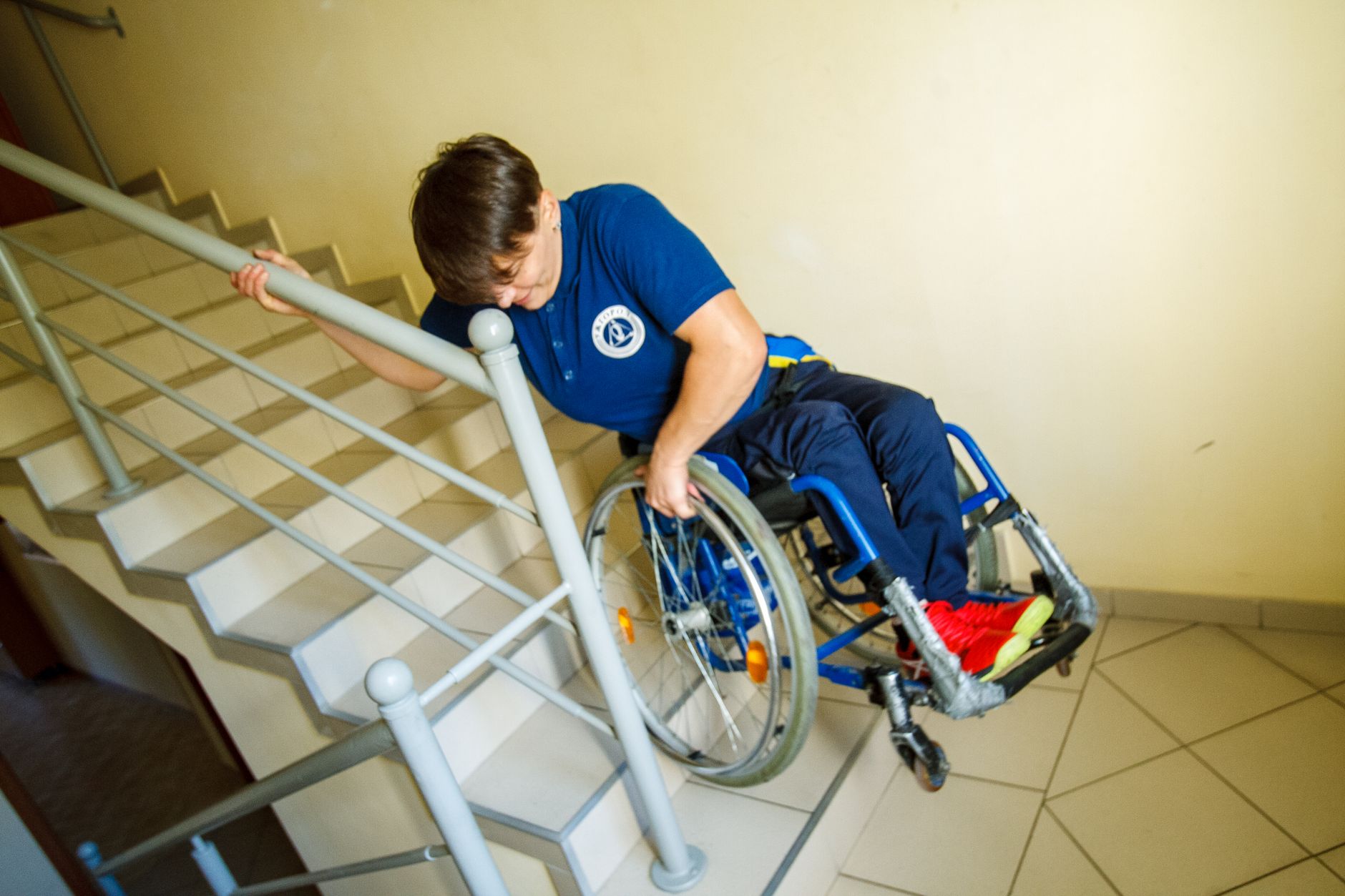
The abstract benefits of reduced mortality risk and improved bone density matter less to most seniors than a concrete reality: can I do the things I want to do? Strength training directly improves activities of daily living—the tasks required to live independently. Being able to carry groceries, garden, play with grandchildren, travel, or simply rise from a chair without help represents autonomy and dignity. A 70-year-old who regains the strength to stand up from a low couch without using her hands has regained more than just physical capacity; she’s regained independence in her own home.
Someone who can hike a trail with family or carry luggage into a hotel experiences life differently than someone who can’t. Strength training makes these experiences possible. The specific gains—the ability to lift, carry, balance, and move—are what actually matter in daily life. This is why aging in place becomes realistic for seniors who maintain strength.
Getting Started Late Is Still an Advantage Over Not Starting
One final insight that deserves emphasis: it’s never too late to start. Research on seniors well into their 80s shows that they respond to resistance training with measurable strength gains and functional improvements within weeks. An 85-year-old who has been sedentary for 30 years will see noticeable improvements in 8-12 weeks of consistent, gentle strength training. The gains may not be dramatic—they won’t regain the strength of a 50-year-old—but they’ll gain the ability to function better today than yesterday.
This trajectory toward maintained independence is what strength training offers. The future of aging well likely depends on normalizing strength training as a standard part of senior health, alongside medication and nutrition. As the population ages and healthcare systems strain, the ability of seniors to maintain independence through exercise reduces burden on family caregivers and healthcare institutions. It’s not just personal—it’s a public health priority.
Conclusion
Seniors need strength training because it directly counteracts the progressive muscle loss, bone weakness, and functional decline that characterizes aging and often forces dependence on others. The evidence is overwhelming: strength training reduces mortality risk, prevents falls, strengthens bones, improves cardiovascular health, and maintains the physical capacity to live independently at home. For someone focused on aging in place safely, strength training is one of the highest-return investments in health they can make.
Starting is the hardest part, but starting late is infinitely better than never starting. A senior who begins strength training today—at 70, 80, or even 90—will be stronger, more capable, and more independent than they would be doing nothing. The question isn’t whether it’s too late; it’s whether the cost of continued decline is worth avoiding a few weeks of effort to start building strength. For most seniors, the answer is clear.