
Caregiver Planning for a Parent Who Lives in a Walk-Up Apartment

Plan stair safety, home fixes, and local support for a parent climbing walk-up stairs daily.

Plan stair safety, home fixes, and local support for a parent climbing walk-up stairs daily.
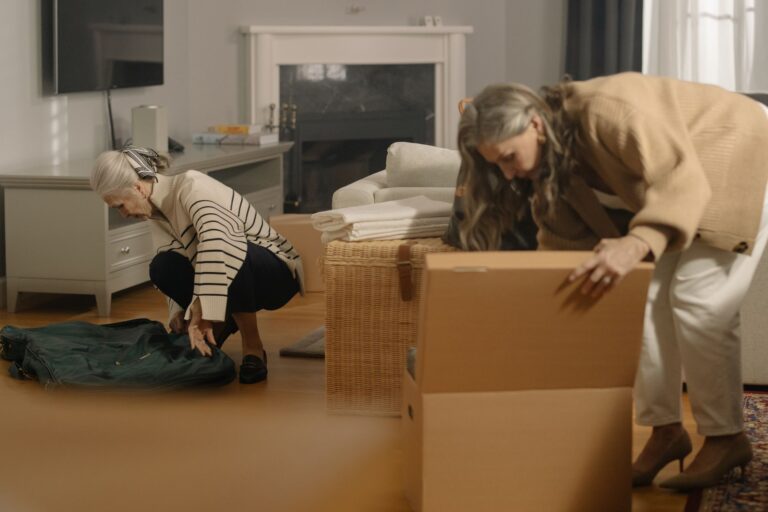
Free Kentucky videos and guides walk family caregivers through late-stage daily care tasks.

Learn why friends spot early memory change first and the exact next steps families should take.

Learn to protect a parent's quiet time at home while spotting isolation risks early and safely.

Secure every door, light each entry, and set alarms and backup plans for safe dementia care at home.

Keep your parent's routines intact while making floors, reach spots, and bathrooms safer to use daily.

Learn which senior home changes deserve a real-life trial so permanent upgrades support safe, practical daily routines.
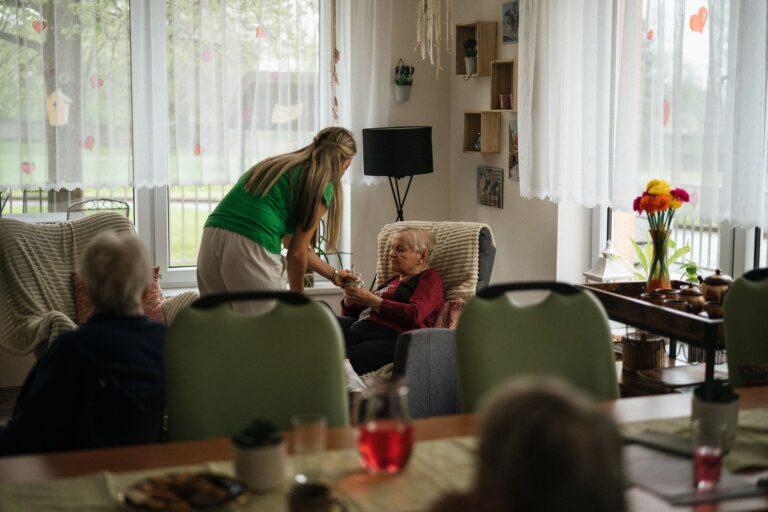
Build a clear cross-shift handoff so home aides, families, and older adults know what changed and who acts next.

Learn which turnover questions reveal whether a memory-support community can provide familiar, responsive daily care.

Repeatedly canceled home help may reflect fear, privacy concerns, illness, or safety risks; learn how to respond respectfully.