
My Elderly Mom Is Afraid of Falling in the Shower
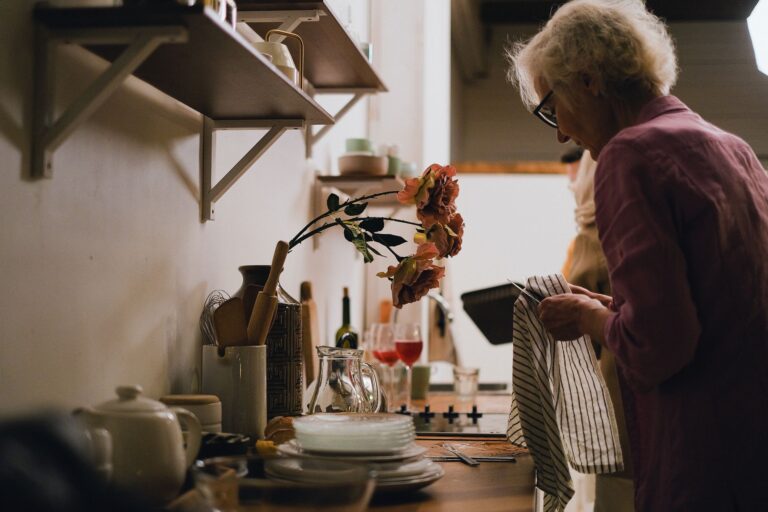
Learn grab-bar, seating, and balance steps that ease shower fear and support safe aging in place.

Learn grab-bar, seating, and balance steps that ease shower fear and support safe aging in place.

Make stove dials readable again with touch marks, lighting, and safe-cooking habits for aging eyes.

Ask the pharmacy for easy-open caps, secure pills from young children, and use simple aids to stay on schedule.
Measure the smallest doorway first, then match walker width and simple hinge fixes for safer bathroom access.
Plug a second chime, strobe, or bed-shaker in the bedroom so an aging parent hears every visitor.

Learn when door-forgetting needs a doctor visit and how auto-lock plus phone checks restore confidence.
Stay home with safer stairs: add rails, light, and grip, then get a fall-risk check.

Learn how seat height, fixed grab bars, and a fall-risk check make standing safer for your parent.
Learn exact questions and small adjustments that keep daily choices with your aging parent.
Align discharge papers, medicines, warning signs, and fall-proofing for a calm first week home.