
Safe gardening is an activity that improves both physical health and mental well-being for older adults, but it requires careful planning and adaptation to prevent injuries. Gardening strengthens muscles, improves balance, and provides meaningful outdoor time—but falls, strain injuries, and overexertion are real risks for anyone aging in place. The good news is that with proper tools, body mechanics, and workspace design, most people can continue gardening well into their later years without compromising safety or independence.
Consider the case of a 72-year-old who spent decades tending flower beds by bending at the waist. When she switched to raised beds at knee height and used long-handled tools, she eliminated back strain, reduced fall risk, and actually increased her enjoyment because she could garden longer without pain. Safe gardening is not about giving up the activity—it’s about making changes that let you do it sustainably.
Table of Contents
- What Makes Gardening Risky for Older Adults?
- Modifying Your Garden Space for Accessibility and Injury Prevention
- Choosing the Right Tools and Technique to Prevent Strain
- Planning Your Workload and Pacing to Avoid Overexertion
- Preventing Falls and Managing Balance Challenges
- Working Safely in Heat and Managing Physical Limitations
- Building a Garden Plan That Fits Your Ability Level
- Conclusion
- Frequently Asked Questions
What Makes Gardening Risky for Older Adults?
Gardening injuries in people over 65 are surprisingly common and often severe. Falls from ladders or unstable footing, muscle strains from repetitive bending and lifting, heat exhaustion on warm days, and overuse injuries from kneeling rank among the top causes of gardening-related hospitalizations. The risk increases if you have balance problems, arthritis, reduced flexibility, or take medications that affect coordination or blood pressure. Many older gardeners also underestimate their physical limitations, pushing too hard after months of winter inactivity, which can lead to acute injury or delayed soreness that worsens mobility for days.
Comparison matters here: a younger person doing the same garden work might get sore muscles for a day or two, but an older adult with osteoporosis could suffer a hip fracture from the same fall. The recovery timeline is completely different. Injuries that seem minor—a wrenched shoulder, a twisted ankle—can cascade into loss of independence if they prevent you from walking, dressing, or managing your home. This is why prevention through proper technique and smart planning is worth the effort upfront.
Modifying Your Garden Space for Accessibility and Injury Prevention
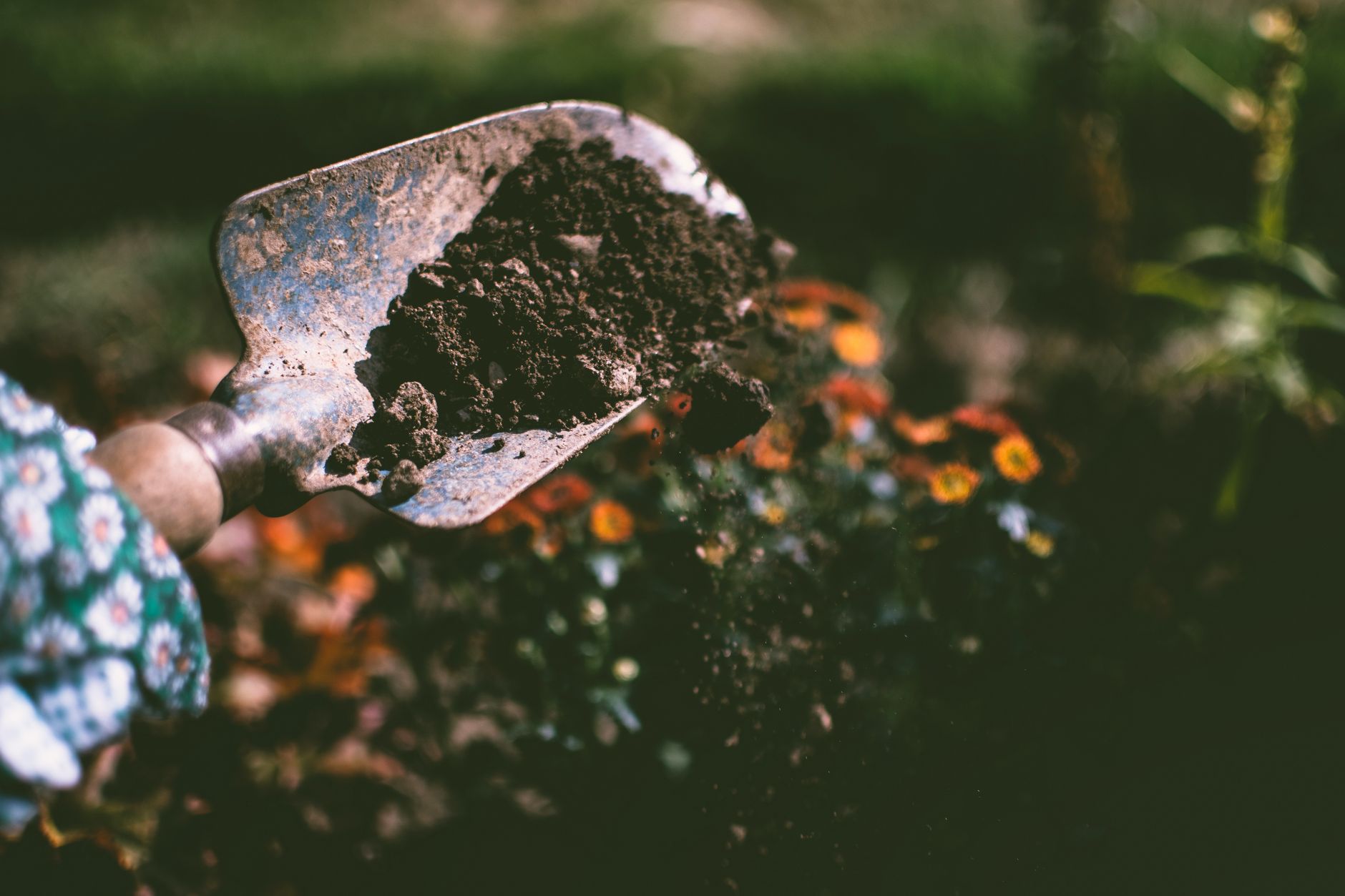
The most effective safety adaptation is changing your garden layout to minimize reaching, bending, and kneeling. Raised beds between 24 and 36 inches high allow you to sit on the edge or stand comfortably while working, eliminating strain on your back and knees. Container gardening on a deck or patio is even easier because it puts plants at waist height and removes the need to walk over uneven ground. However, raised beds do require good initial construction—a poorly built bed can shift or collapse, creating a trip hazard or spill that causes a fall.
Pathways should be at least 3 feet wide, level or nearly level (slight slopes are okay; steep grades are dangerous), and made of slip-resistant material. Gravel, mulch, and loose soil are treacherous for anyone with balance concerns; concrete, pavers, or rubber mats are much safer. lighting matters too. Poor lighting is a major fall risk, so install solar path lights or position your gardening area where you’ll have full daylight. Working in dim conditions or squinting against low-angle sunlight can mask hazards like rocks, roots, or hose coils underfoot.
Choosing the Right Tools and Technique to Prevent Strain
Long-handled tools are not just convenient—they’re injury prevention. A long-handled shovel, hoe, or pruner lets you work while standing upright instead of bending repeatedly, which reduces the load on your spine and knees. Lightweight tools are essential; a heavy spade or wheelbarrow can strain wrists, shoulders, and your core. Ergonomic handles (with grips angled or cushioned) reduce hand fatigue and arthritis flare-ups.
Test tools in a store before buying if you can, or borrow from a friend to see if the weight and handle shape work for your grip strength. Kneeling pads, garden seats, and scooters are practical aids that reduce the physical demand of weeding and close work. A wheeled seat lets you move along a bed while staying low to the ground without putting full weight on your knees. For people with arthritis or knee replacements, these tools make a real difference. The trade-off is that they take up storage space and require some coordination to use safely—practice using them in a flat, open area first rather than on an uneven garden bed.
Planning Your Workload and Pacing to Avoid Overexertion
Many gardening injuries happen not during one big effort but as the cumulative result of overwork. Gardening for 4 or 5 hours straight on a Saturday is a common pattern, especially if you’ve been less active during winter. A safer approach is to garden for 20 to 30 minutes at a time, rest for 10 to 15 minutes, then continue if you feel good. This protects your muscles from overuse and gives you time to notice signs of heat stress, fatigue, or pain. Break large projects into multiple sessions.
Instead of digging out a whole bed in one day, do one quarter of it each day for four days. Spring and early summer are high-risk periods because the weather is beautiful, the plants are growing fast, and you’re motivated to catch up after a quiet winter. Your body hasn’t rebuilt its gardening fitness. If you’ve been mostly indoors for three months, you cannot garden at the same intensity you could in August. Start slow and gradually increase your effort over several weeks. Wearing light, weather-appropriate clothing and drinking water regularly prevents heat-related illness, which older adults are more vulnerable to because they sweat less and feel thirsty less often.
Preventing Falls and Managing Balance Challenges
Falls are the leading cause of injury-related death among older adults, and many fall in or around their garden. Uneven ground, stepping stones that shift, hose coils, tree roots, and loose gravel all create trip hazards. Footwear matters significantly—gardening clogs or slip-ons are convenient but offer poor ankle support and grip. Closed-toe shoes with good arch support and a tread pattern designed for outdoor surfaces are safer. If you have balance problems or a history of falls, consider using a cane or walking stick when moving around the garden, even if you don’t use one indoors.
It’s not a sign of weakness; it’s a tool that prevents catastrophic injury. The backyard is also where people attempt high-reaching tasks without thinking them through. Climbing a ladder to prune high branches, standing on a stool to reach into a hanging basket, or overreaching from an unstable position are serious fall risks. If you cannot reach something safely from the ground with a long-handled tool, either skip it, wait for someone to help, or accept that the plant may need to be relocated or removed. One fall that breaks a hip or causes a head injury can end years of independent living. The plant is not worth that cost.
Working Safely in Heat and Managing Physical Limitations
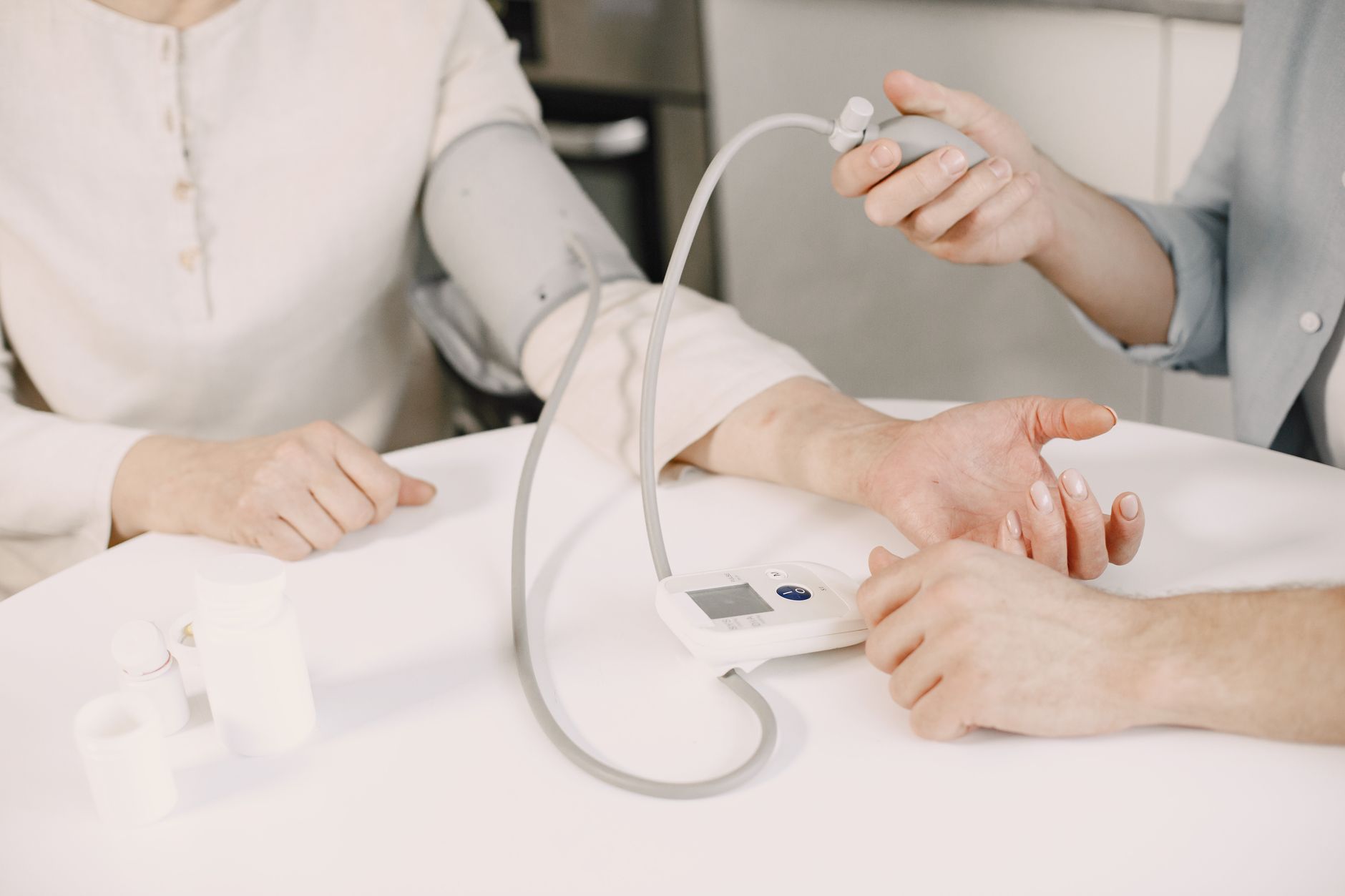
Gardening in warm weather requires adjustments that younger people often skip. Heat exhaustion comes on gradually—dizziness, nausea, weakness, or confusion—and older adults may not notice it developing until they’re in danger. Garden during cooler parts of the day (early morning or late afternoon), wear light-colored, lightweight clothing that breathes, and drink water before you feel thirsty. A wide-brimmed hat is essential; heat loss through your head is significant, and sunburn adds stress to your body. If you have arthritis, recent joint surgery, or conditions like diabetes or heart disease, check with your doctor before starting a new gardening routine.
Certain movements or sustained effort can aggravate these conditions. For example, kneeling is contraindicated for people with knee replacements in their first 3-6 months. Repetitive gripping can worsen carpal tunnel syndrome. Working around pesticides or fertilizers may interact with medications you take. These limitations don’t mean you can’t garden, but they mean you need to adapt more carefully.
Building a Garden Plan That Fits Your Ability Level
The most sustainable approach to safe gardening is to design your garden to match your current ability, not an idealized version from a decade ago. Smaller gardens are easier to maintain, less physically demanding, and less overwhelming if you have limited energy. Perennials require less maintenance than annuals, so if you’re energy-limited, they’re a better choice. Choosing native plants that thrive in your climate means less watering, fertilizing, and pest management.
A well-designed small garden that you can maintain independently is more valuable than a large, beautiful garden that requires you to push through pain or exhaustion to keep up. Planning ahead also means thinking about succession. At some point, you may need to reduce your gardening load, transition to containers only, or rely on family or hired help. Building that reality into your plans now—perhaps by choosing one section for intensive care and letting other parts naturalize—makes that transition smoother when it comes.
Conclusion
Safe gardening is entirely possible for older adults and those aging in place, but it requires intention and planning rather than simply continuing old habits. The core principles are modifying your environment (raised beds, level paths, good lighting), choosing the right tools (lightweight, long-handled, ergonomic), and respecting your body’s limits (pacing yourself, avoiding overexertion, watching for heat stress). Most injuries are preventable through these straightforward changes.
Start by assessing your garden space for hazards and your physical abilities honestly. Make one or two key changes this season—perhaps raised beds or better pathway lighting—and see how they improve your comfort and safety. If you’re recovering from an injury or managing a chronic condition that affects mobility, ask your doctor or physical therapist for specific advice about gardening. Gardening can be a source of joy, exercise, and independence well into later life, but only if you protect yourself first.
Frequently Asked Questions
How do I know if I’m gardening too much?
Signs of overexertion include muscle soreness that lasts more than two days, sharp pain during or after gardening, increased joint swelling, or feeling exhausted for hours afterward. Pain is a signal to stop and rest. If soreness or discomfort interferes with daily activities, you’ve overdone it.
Are raised beds worth the investment if I have a small garden?
Yes. Even one or two raised beds significantly reduce strain on your back and knees. Start with one bed and expand only if maintaining it comfortably. A well-maintained raised bed is better than a neglected full garden.
What should I do if I fall while gardening?
Don’t rush to get up. Check yourself for pain and obvious injury. If you can’t get up, call for help. If you do get up, move slowly and monitor yourself for delayed pain or swelling over the next few hours. Seek medical attention for any impact to your head, chest, or hip, even if you feel fine initially.
Is it safe to garden if I have balance problems?
Yes, with modifications. Work in the garden seated when possible, use a cane or walker, ensure pathways are level and well-lit, avoid reaching high or far, and have someone nearby when you work. Gardening in raised beds or containers is especially compatible with balance limitations.
What’s the best time of day for older adults to garden?
Early morning (before 10 a.m.) or late afternoon (after 4 p.m.) is safest because temperatures are cooler and the sun is less intense. Avoid the peak heat of midday, especially on warm days, and stop immediately if you feel dizzy or unusually tired.
How often should I garden to stay active without overdoing it?
Three to four sessions of 30-45 minutes per week is a good baseline for most people. This provides regular activity and fitness benefits without the overuse risk of long, intense sessions. Adjust based on how your body feels; more frequent, shorter sessions are safer than fewer, longer ones.