
Organizing your home is one of the most practical steps you can take to maintain independence and safety as you age. A well-organized home reduces fall risks, makes daily tasks easier to complete on your own, and helps you find what you need without frustration—whether you’re managing medications, locating important documents, or reaching frequently used items. When your living space is arranged thoughtfully, you’re more likely to stay active and engaged, rather than becoming dependent on others for simple tasks that poor organization makes unnecessarily difficult.
This matters especially if you live alone or rely on part-time caregiving support. An organized home also makes it easier for caregivers to assist you when needed, reduces the time spent searching for things, and creates clear systems that anyone helping you can understand and follow. For example, a clearly labeled medication organizer, a kitchen where everyday dishes are in reachable cabinets, and a bedroom with nighttime essentials within arm’s reach—these simple changes mean you’re less likely to need help with routine activities.
Table of Contents
- How Does Home Organization Affect Your Ability to Age in Place?
- Creating Accessible Storage Systems for Daily Items
- Organizing Your Bedroom for Safety and Accessibility
- Kitchen Organization Strategies That Reduce Strain
- Managing Medications and Important Documents
- Reducing Clutter to Prevent Falls and Injuries
- Planning Organization as You Age
- Conclusion
- Frequently Asked Questions
How Does Home Organization Affect Your Ability to Age in Place?
home organization directly impacts your ability to remain independent at home. When items are placed logically and within comfortable reach, you reduce the need to climb ladders, bend awkwardly, or strain to access things. This reduces falls and injuries, the leading causes of loss of independence in older age. A study from the CDC found that one in four adults aged 65 and older experiences a fall each year, and many of these falls occur in the home during routine activities—often when people are reaching for items, tripping over clutter, or navigating poorly organized spaces.
Beyond safety, organization supports cognitive function and reduces stress. Knowing exactly where your keys, wallet, and medications are saves mental energy and prevents the frustration that can come with searching. For people with early memory changes, this benefit is even more significant. An organized home also allows you to host family visits, manage household responsibilities yourself, and maintain the routine that keeps life feeling normal and within your control.
Creating Accessible Storage Systems for Daily Items
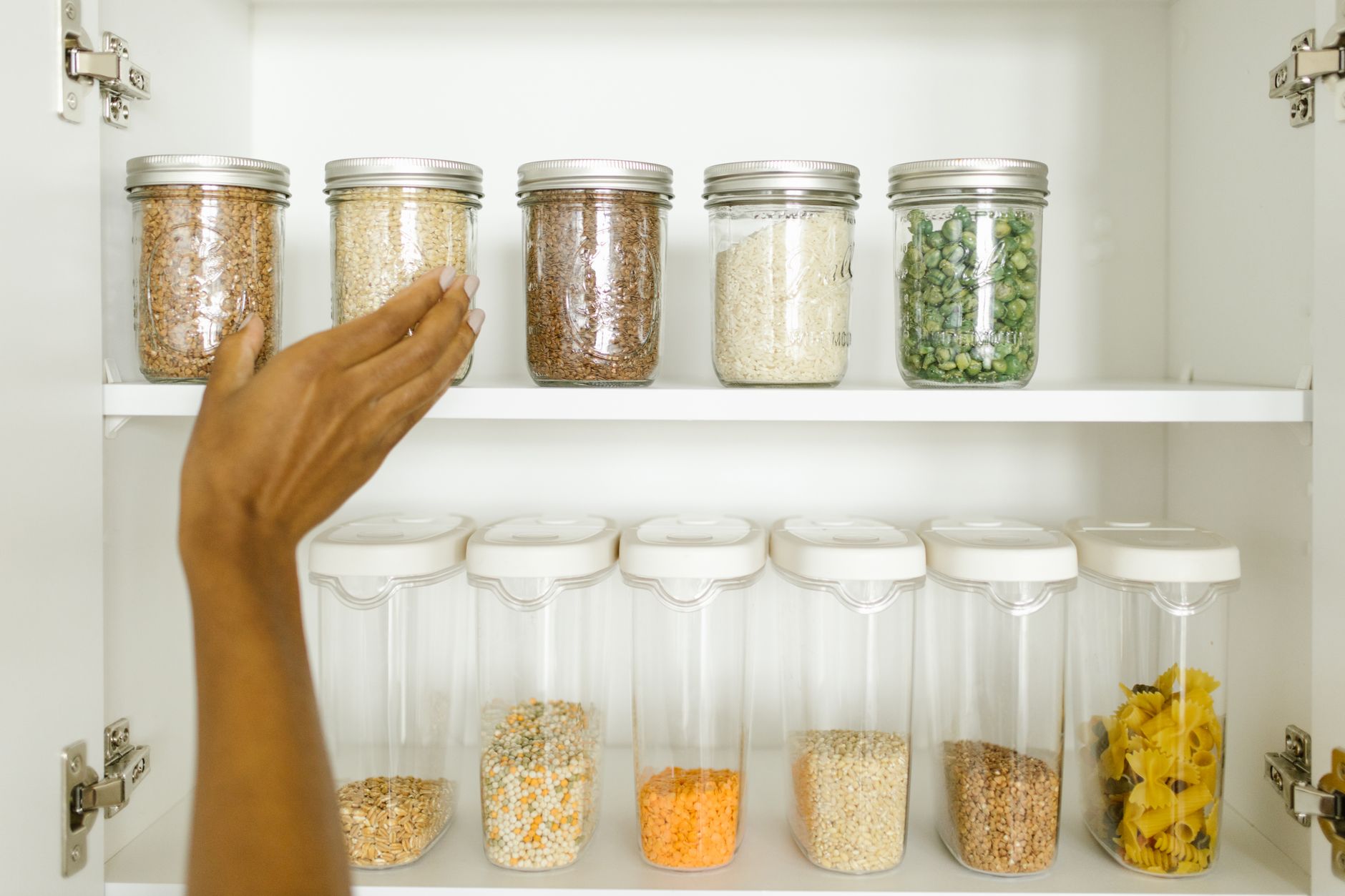
Accessible storage means putting the things you use daily at eye level or within easy reaching distance—roughly between your waist and shoulder height. This includes medications, toiletries, kitchen staples, and frequently worn clothes. Avoid storing anything you use regularly above your head or in low cabinets that require bending or getting on your knees. One limitation to keep in mind: if you share your home with family members, you may need to find compromises between what’s most accessible for you and household conventions. A practical solution is to use the middle shelves and drawers for your most-used items, leaving upper and lower storage for less frequent needs. Drawer organizers, clear bins, and labels are your allies here.
Transparent containers let you see what’s inside without having to open every drawer. Labels aren’t just for finding things—they also help any caregiver or family member know where things belong when tidying up. A warning: resist the urge to organize everything aesthetically without considering your actual reach and comfort. An Instagram-worthy linen closet doesn’t help you if you can’t easily access your own towels. Focus on function first, appearance second. Magnetic labels on metal bins, large-print labels, and color-coding systems work well if your vision has changed with age.
Organizing Your Bedroom for Safety and Accessibility
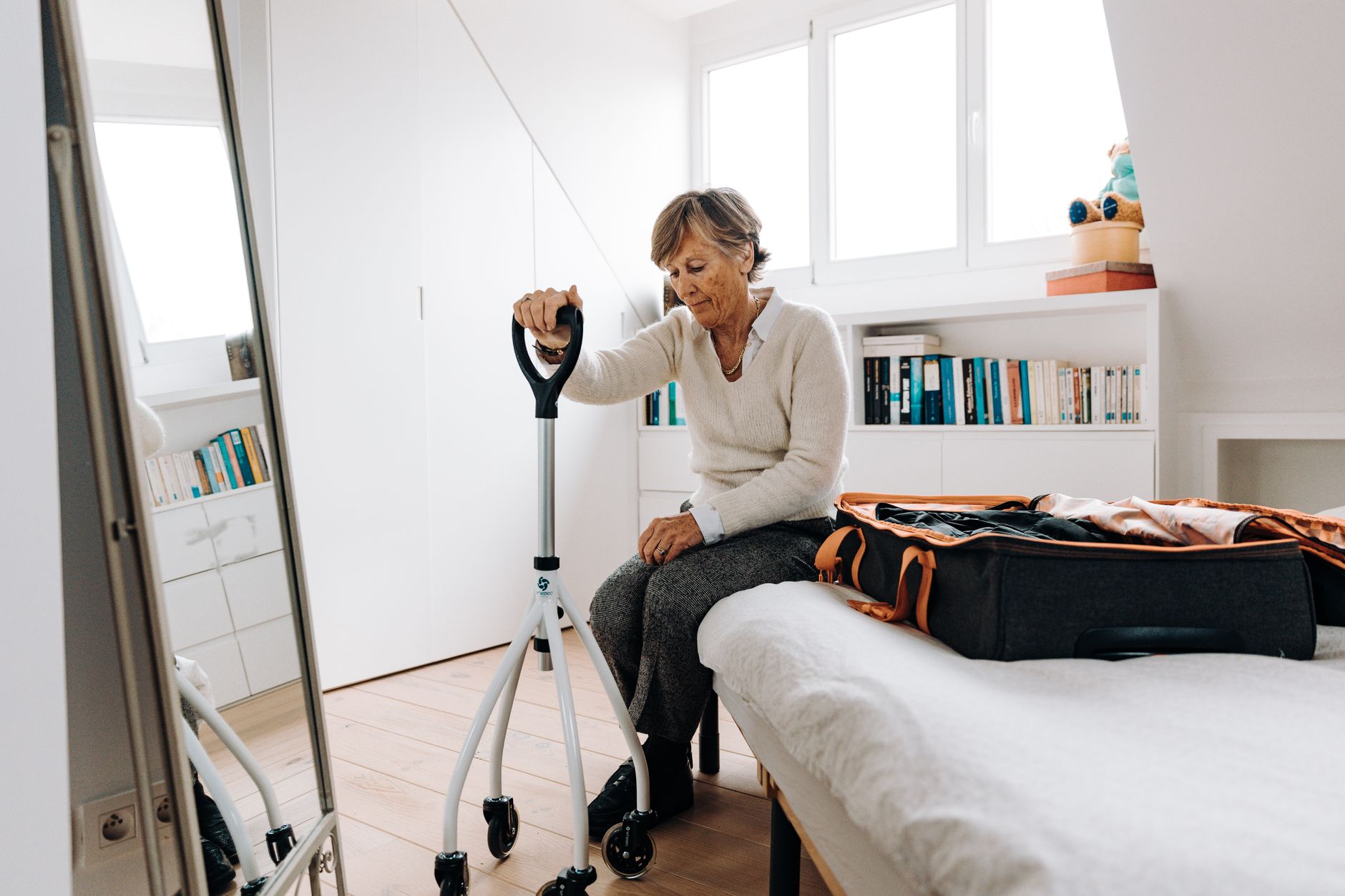
Your bedroom should be organized with nighttime and emergency access as priorities. Keep a phone, reading glasses, a water glass, and a clock on your nightstand within arm’s reach of your bed. Store nighttime medications in a small organizer on your nightstand, not in a bathroom across the room. If you use a walker, cane, or other mobility aid, have it positioned where you can grab it immediately upon waking.
This prevents the dangerous moment when people try to stand and walk to get their aid, risking a fall before they’re steady. An example: many older adults keep a small nightstand organizer with compartments for glasses, hearing aids, medications, and a small flashlight. The flashlight is especially useful because it prevents the risky habit of turning on bright overhead lights immediately upon waking—a sudden light change can cause disorientation. Organize your bedroom closet so that clothes you wear regularly are at waist to shoulder height, not on high shelves or piled on closet floors where you might trip. Swap out seasonal items quarterly to reduce clutter and the temptation to reach to upper shelves.

Kitchen Organization Strategies That Reduce Strain
The kitchen is where many older adults spend significant time, and poor organization here creates unnecessary physical strain and fall risk. Store dishes, glasses, and everyday items you use multiple times daily in cabinets between waist and shoulder height. Heavy items like cast iron or canned goods should be in middle drawers or lower cabinets to avoid lifting strain. Upper cabinets are better reserved for items you use rarely or items you don’t mind asking for help retrieving.
A practical comparison: storing coffee mugs in an upper cabinet versus in a lower one may seem like a minor difference, but if you make coffee twice a day, reaching up 730 times per year adds up to cumulative strain on your shoulders and increases fall risk as you stretch and balance. By contrast, storing them at counter height means you can grab what you need in a fraction of a second without strain. Organize your refrigerator with frequently needed items at eye level—milk, juice, and leftovers you’ll actually eat should be easy to find, not pushed to the back of the bottom shelf. Label leftovers with dates so you don’t waste food or wonder if something is still safe to eat.
Managing Medications and Important Documents
Medication organization is one of the highest-priority areas in a home. Use a pill organizer marked with days and times, placed in a consistent, visible spot—not hidden away in a drawer where you might forget to take it. A warning: if you have multiple medications or a complex schedule, managing this yourself can become risky. Don’t rely on memory alone; use both a physical organizer and a phone alert or medication reminder app. Some people use a simple wall calendar to mark off when medications are taken, providing a visual check.
Important documents—insurance cards, legal documents, medical records, emergency contacts—should be stored in one accessible, clearly labeled location. This might be a filing cabinet drawer, a labeled box, or a binder. Tell your caregiver, family member, or healthcare provider where this location is, and make sure it’s not locked in a way that would delay emergency access. Some older adults keep a printed sheet with emergency contacts, medications, and allergies posted on the refrigerator, making this information instantly available to any caregiver or emergency responder. The limitation here is privacy—storing sensitive documents where others can see them requires a judgment call about what matters more: privacy or accessibility in an emergency.
Reducing Clutter to Prevent Falls and Injuries
Clutter is a direct path to falls, injuries, and the loss of independence that follows. Hallways should be clear, floors should be free of loose rugs or cables, and pathways through your home should be unobstructed. This is one area where it’s worth being ruthless: if you haven’t used something in two years and it doesn’t hold sentimental value, consider donating or discarding it.
A specific example: a bedroom filled with furniture and storage boxes can seem efficient from a storage perspective, but it creates a maze that becomes dangerous to navigate, especially if mobility is limited or if you need to move quickly in an emergency. Corner spaces and under-stair storage can become hidden hazard zones if not managed carefully. Don’t use these areas to store things you need regularly, and check periodically to ensure nothing has fallen or created a tripping hazard. If you live with family members, establish a shared understanding that common areas need to remain passable—ask that visitors’ items not be left in walkways, and create dedicated storage zones for guests.
Planning Organization as You Age
Your organizational systems may need to change as your physical abilities change. What works at 65 might not work at 75. Building an adaptable system now means fewer major reorganizations later. Choose storage solutions that can be adjusted—shelving that can be lowered, drawer organizers that can be reconfigured—rather than fixed installations that will require contractor work to modify.
Think also about how you’ll communicate your organizational system to someone who might help you in the future. If you’ve created specific places for specific items, consider creating a simple home map or document listing where things are kept. This might sound overly formal, but it can be invaluable to a caregiver, a family member, or even you during a moment of stress. An organized home is one that can be understood and maintained by more than just you.
Conclusion
Organizing your home for independence means thinking about reach, frequency of use, safety, and clarity. It’s not about minimalism or aesthetics—it’s about creating systems that let you do what you want to do, on your own terms, for as long as possible. The physical act of organizing also helps you inventory what you have, decide what you actually use, and create habits around maintaining order rather than letting things slide.
Start with the highest-impact areas: your bedroom, bathroom, kitchen, and medication storage. Once these are organized, you’ll notice the difference immediately in daily tasks becoming easier, faster, and safer. Revisit your systems every few months and adjust them based on what’s working and what isn’t. Good organization isn’t a one-time project—it’s an ongoing practice that supports the independence and quality of life you want to maintain.
Frequently Asked Questions
What’s the best way to organize medications if I take multiple drugs at different times?
Use a pill organizer labeled with days of the week and times of day. Set phone reminders for each dose. Many pharmacies also offer pre-filled organizers if you pick up prescriptions regularly from the same place. Keep your medication list visible for emergencies and share it with your healthcare provider and caregiver.
How do I organize for a caregiver I haven’t met yet?
Create a simple one-page guide showing where daily-use items are stored: medications, emergency contacts, important documents, frequently used kitchen items, and cleaning supplies. Leave this guide on the refrigerator or in the first drawer of your nightstand. This saves the caregiver time and reduces questions.
Should I use upper cabinets at all, or remove them?
You don’t need to remove upper cabinets. Use them for items you rarely need—seasonal decorations, fancy dishes, specialty cooking equipment. Save middle and lower storage for what you use daily. A stepping stool with handrails can help you access upper cabinets safely if needed, but it’s better to avoid the need altogether.
What’s the best organizing system if I have limited vision?
Use large-print labels, high-contrast colors, and consistent placement. Store items in the same spot always. Use clear containers so you can see contents without opening them. Consider audio labels or a voice-activated assistant if you’re comfortable with the technology.
How do I organize if I have arthritis or limited hand strength?
Choose drawer pulls and cabinet handles that are easy to grip—avoid small knobs. Use open shelving instead of cabinets if possible. Store heavier items in drawers that roll or have smooth glides. Lightweight containers and avoid lids that require gripping strength to open.
Can I use smart home systems to help with organization?
Yes. Voice-activated reminders help with medications. Smart labels and cameras inside cabinets let you locate items by asking a voice assistant. However, these technologies work best as a supplement to physical organization, not as a replacement. A well-organized home is still the foundation.