
Superfoods are nutrient-dense foods that pack significant amounts of vitamins, minerals, antioxidants, and other beneficial compounds into relatively small portions. For older adults working to maintain independence and health, they offer a practical way to support bone strength, cognitive function, heart health, and overall mobility without requiring elaborate meal planning. A single serving of leafy greens like spinach, for example, contains more calcium, iron, and vitamin K than many supplements, while also providing fiber for digestive health—a real benefit when maintaining the physical capability to live independently matters.
The term “superfood” isn’t a scientific classification, but rather a practical descriptor for foods that deliver exceptional nutritional value per bite. This matters for aging adults because as metabolism slows and appetites sometimes decrease with age, choosing foods that work harder nutritionally helps maintain muscle, bone density, cognitive sharpness, and energy levels. Superfoods help bridge the gap between what your body needs and what smaller portions can realistically provide.
Table of Contents
- What Makes a Food Qualify as a Superfood?
- Nutrient Density and Real Health Benefits for Aging Bodies
- Key Superfoods That Support Aging in Place
- Building Superfoods Into Your Daily Diet Realistically
- Common Misconceptions About Superfoods and Aging
- Shopping, Storage, and Budget Considerations
- Partnering With Caregivers and Healthcare Providers
- Conclusion
- Frequently Asked Questions
What Makes a Food Qualify as a Superfood?
A food earns the “superfood” label when it contains unusually high concentrations of nutrients that support specific health outcomes. These nutrients include polyphenols (compounds with anti-inflammatory properties), omega-3 fatty acids, dietary fiber, vitamins, and minerals like potassium and magnesium. Blueberries, for instance, contain anthocyanins, a type of antioxidant linked to improved memory and reduced cognitive decline—benefits directly relevant to staying sharp enough to manage your own affairs and remain socially engaged.
The key distinction is that superfoods aren’t “magic.” A blueberry won’t prevent dementia on its own, but regular consumption as part of a balanced diet may contribute to cognitive resilience over time. Similarly, salmon is called a superfood partly because its omega-3 content supports cardiovascular and brain health, not because it cures heart disease. Understanding this realistic scope helps older adults avoid disappointment and focus instead on building consistent eating patterns with genuinely nutritious foods.

Nutrient Density and Real Health Benefits for Aging Bodies
As you age, your body requires the same or slightly fewer calories, but it actually needs more of certain nutrients—particularly protein, calcium, vitamin D, and B vitamins. This creates a fundamental challenge: you need to eat smarter, not necessarily more. Superfoods address this by delivering maximum nutritional benefit per calorie, which is especially important if chewing becomes difficult, appetite decreases, or digestion changes.
One important limitation to acknowledge: no superfood addresses every health need. Kale is nutrient-dense but won’t support bone health without adequate calcium, vitamin D, and physical activity. Nuts and seeds provide healthy fats and minerals but are calorie-dense, so portion control matters if weight management is part of your independence strategy. An older adult living alone may find frozen superfoods like berries or broccoli more practical than fresh, since frozen produce is harvested at peak ripeness and lasts longer in the freezer, reducing waste and supporting both health and budget.
Key Superfoods That Support Aging in Place
Leafy greens (spinach, kale, collards) top the superfood list for aging adults because they combine calcium, magnesium, vitamin K, and folate—all critical for bone strength and mobility. Fatty fish like salmon and mackerel provide omega-3s, vitamin D, and high-quality protein, making them ideal for maintaining muscle mass and supporting cardiovascular and cognitive health. Berries (blueberries, raspberries, strawberries) deliver anthocyanins and vitamin C without excess sugar, supporting memory and immune function.
Legumes (beans, lentils, chickpeas) offer plant-based protein, fiber, and iron, making them especially valuable for vegetarians or those managing costs on a fixed income. Nuts and seeds provide healthy fats, magnesium, and zinc, supporting heart health and immune resilience. Cruciferous vegetables like broccoli and Brussels sprouts contain sulforaphane, a compound showing promise for cognitive and bone health. A practical example: a simple lunch of lentil soup with spinach and a side of berries addresses protein, fiber, minerals, and antioxidant intake in one meal, making it easier to maintain nutrition when energy for meal preparation is limited.
Building Superfoods Into Your Daily Diet Realistically
The key to benefiting from superfoods isn’t perfection or expense—it’s consistency and fit. A diet heavy in processed foods isn’t suddenly “fixed” by adding one superfood; rather, superfoods work best when they gradually replace less nutrient-dense choices. If you currently eat white bread, switching to whole grain bread adds fiber and B vitamins with minimal effort. If breakfast is currently sugary cereal, swapping it for oatmeal topped with berries and ground flax adds fiber, antioxidants, and omega-3s without complicating your routine.
The tradeoff with some popular superfoods is cost and accessibility. Goji berries and acai are marketed heavily but cost significantly more than blueberries or strawberries, which offer similar antioxidant benefits. A frozen bag of blueberries is often cheaper, lasts longer, and is equally nutritious. The same principle applies to exotic superfoods: regular spinach and kale are more affordable and accessible than specialty greens, and they deliver comparable nutrition. The most effective superfood strategy is one built on foods you actually enjoy and can afford to buy regularly, not aspirational foods gathering dust in your pantry.
Common Misconceptions About Superfoods and Aging
A widespread misconception is that superfoods can compensate for poor overall eating habits. Eating a handful of blueberries doesn’t offset a diet high in processed foods, excess sodium, and added sugars. Superfoods are most effective as part of a balanced diet that emphasizes whole foods generally—they’re an intensifier, not a substitute. Another misconception is that more is better; consuming excessive amounts of certain superfoods can create imbalances. Too many leafy greens high in vitamin K, for example, can interfere with blood thinners like warfarin.
If you’re on medications, discussing your diet with your doctor or pharmacist prevents harmful interactions. A third misconception is that supplements of “superfood” extracts work as well as whole foods. A blueberry extract pill may contain concentrated anthocyanins, but whole blueberries also provide fiber, water, and other compounds that work synergistically. Your body processes whole foods differently than isolated nutrients, often extracting and using them more effectively. Additionally, a study published in the American Journal of Clinical Nutrition found that people who ate whole blueberries showed better cognitive outcomes than those taking anthocyanin supplements, suggesting the value of the complete food package.

Shopping, Storage, and Budget Considerations
For older adults on fixed incomes, “superfood” doesn’t mean expensive. Canned beans (with no added sodium) are cheaper than fresh and last indefinitely. Frozen vegetables are often less expensive than fresh, retain nutrients well, and require no chopping—a significant practical advantage if arthritis or reduced hand strength affects your meal prep. Store-brand frozen broccoli and spinach are superfoods by any reasonable definition and cost a fraction of premium brands or prepared superfood bowls.
Seasonal shopping saves money while supporting local agriculture. Berries are cheaper in summer, cruciferous vegetables in fall, and leafy greens in spring and fall. Buying seasonal, cooking in batches, and freezing portions extends your dollar further. A practical example: purchasing a large bag of frozen spinach at a discount grocery store and using it in soups, pasta dishes, and smoothies costs far less than fresh spinach that wilts in your crisper drawer.
Partnering With Caregivers and Healthcare Providers
If you have caregivers—whether family, paid help, or meal delivery services—communicating your nutritional priorities makes a real difference. A caregiver who understands that you’re trying to eat more leafy greens and fatty fish can shop strategically and prepare simple, nourishing meals aligned with your health goals. Many older adults benefit from discussing superfoods with their doctor or a registered dietitian, who can recommend specific foods based on your medications, health conditions, and personal preferences.
For those using meal delivery services or community senior meal programs, knowing which superfoods you prefer helps you make the most of available options. Many programs offer choices and accommodate requests. If you’re managing diabetes, heart disease, or kidney conditions, working with a dietitian to identify superfoods that fit your specific nutritional restrictions ensures you’re supporting your independence strategy while managing your health conditions effectively.
Conclusion
Superfoods offer older adults a practical tool for maintaining health, cognitive sharpness, and physical capability when living independently or aging in place. They work best not as magic solutions but as nutrient-dense choices that gradually replace less nourishing options in your regular diet. The most effective approach prioritizes consistency, accessibility, and personal preference over exotic or expensive trendy foods.
Start by choosing one or two superfoods you actually enjoy and can readily access—whether that’s frozen blueberries, canned beans, leafy greens, or fatty fish. Add them to meals you already prepare. Talk with your doctor or a dietitian about any concerns with interactions or allergies. The goal isn’t perfection; it’s building eating habits that support your health, independence, and quality of life over time.
Frequently Asked Questions
Are all organic superfoods better than conventional?
Not necessarily. Conventional produce is thoroughly regulated for safety and provides the same core nutrients as organic. If budget is a concern, prioritizing a varied diet of conventional superfoods is better than restricting yourself to fewer, pricier organic options. The priority is eating a range of whole foods regularly, not sourcing them perfectly.
Can superfoods help with memory and dementia prevention?
Some superfoods show promise in supporting cognitive health. Blueberries, fatty fish, and leafy greens contain compounds linked to cognitive resilience in research. However, no food prevents dementia. Cognitive health depends on diet, exercise, social engagement, sleep, and managing cardiovascular risk factors together. Superfoods are one piece, not the solution.
Are superfood powders and smoothies as good as whole foods?
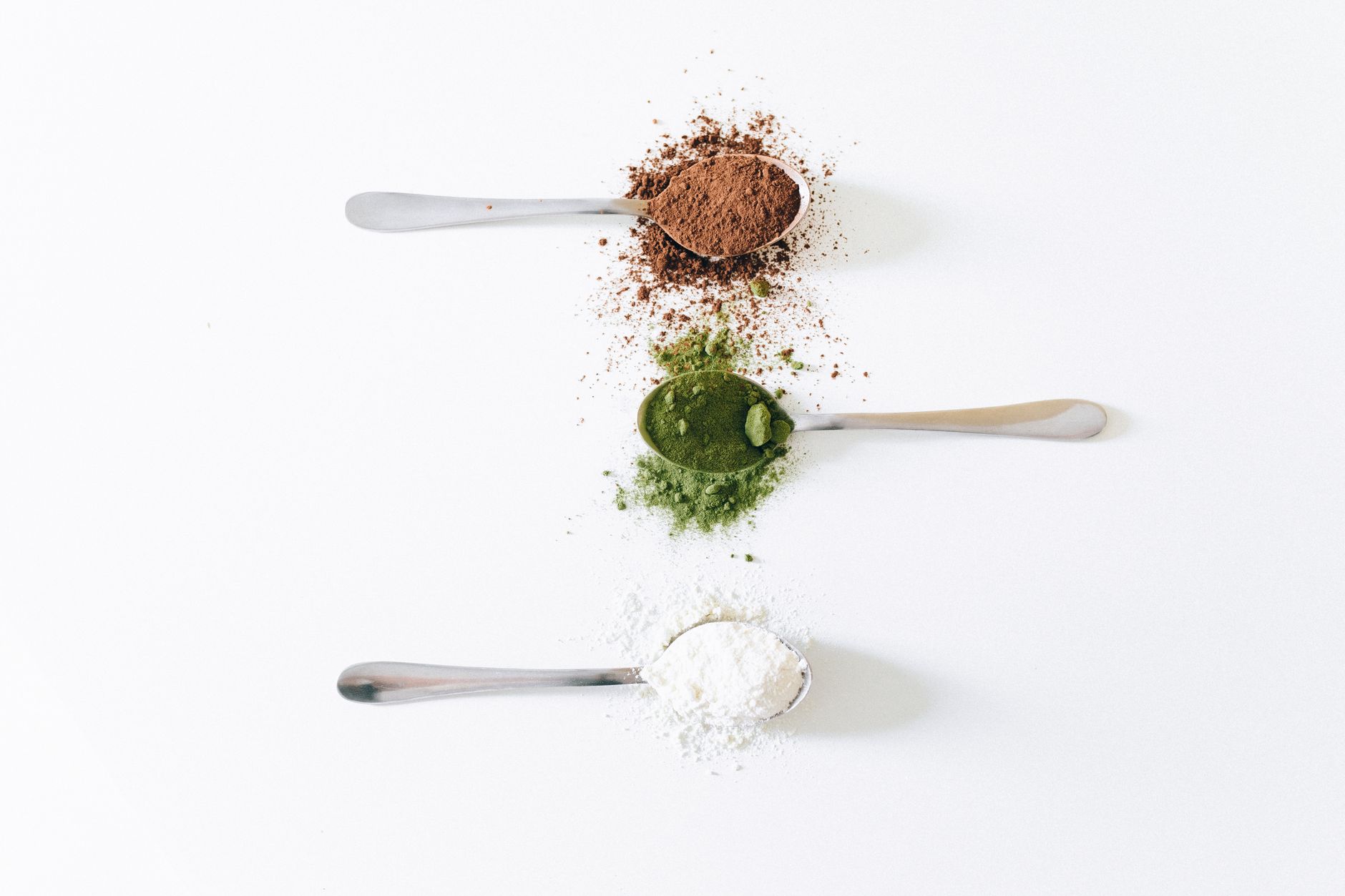
Whole foods are generally more effective. Smoothies made with whole fruits, vegetables, and yogurt are nutritious and practical, especially if swallowing or chewing is difficult. However, isolated superfood powders lose fiber and other compounds present in whole foods, and they’re often expensive compared to the original foods. Whole smoothies beat superfood powders.
Is it too late to start eating superfoods if I’m already in my 70s or 80s?
It’s never too late. Research shows that dietary improvements benefit health at any age, including cognitive function, cardiovascular health, and bone density. Starting now, even if you’ve eaten poorly in the past, yields measurable improvements within months.
What if I can’t afford superfoods?
Budget superfoods exist everywhere: frozen vegetables, canned beans, eggs, oatmeal, and in-season produce are all nutrient-dense and inexpensive. The term “superfood” is marketing; real nutrition comes from eating varied whole foods, not spending more money. A diet of beans, rice, frozen greens, and seasonal fruit supports health better than buying expensive superfood brands you can’t sustain.
Should I take superfood supplements instead of eating the foods?
Whole foods are superior. Your digestive system breaks down whole foods into usable nutrients more effectively than supplements provide them. Supplements may complement a poor diet, but they can’t replace it. Eating actual superfoods is cheaper, more effective, and more enjoyable.