
Yes, regular walking can meaningfully lower blood pressure in older adults—often enough to reduce or eliminate the need for medication. A 30-minute walk most days of the week activates the cardiovascular system in a way that strengthens your arteries’ ability to flex and manage pressure. Take Margaret, 68, who walked to her local library three times a week. Within six months, her systolic pressure dropped from 148 to 128, enough that her doctor reduced her medication.
This isn’t exceptional; it reflects what happens when aging muscles and aging blood vessels get consistent, modest movement. Walking works for blood pressure control because it’s gentle enough to stick with long-term, yet vigorous enough to create real physiological change. Unlike high-intensity exercise, which can be risky for people with existing hypertension, walking is accessible to almost everyone—no equipment, no gym, no recovery days needed. The effect compounds over time, especially when combined with other lifestyle shifts like reducing sodium intake or managing stress.
Table of Contents
- HOW DOES WALKING ACTUALLY LOWER BLOOD PRESSURE?
- THE LIMITS OF WALKING FOR BLOOD PRESSURE MANAGEMENT
- WALKING INTENSITY AND BLOOD PRESSURE RESPONSE
- COMBINING WALKING WITH OTHER LIFESTYLE CHANGES FOR BETTER RESULTS
- SAFETY CONCERNS WHEN WALKING WITH HIGH BLOOD PRESSURE
- WALKING ROUTES AND STRATEGIES FOR CONSISTENCY
- MONITORING PROGRESS AND ADJUSTING YOUR ROUTINE
- Conclusion
- Frequently Asked Questions
HOW DOES WALKING ACTUALLY LOWER BLOOD PRESSURE?
walking lowers blood pressure through multiple mechanisms working together. When you walk regularly, your endothelium—the inner lining of your blood vessels—becomes more efficient at producing nitric oxide, a compound that helps arteries relax and dilate. Over weeks and months, your arteries become more elastic, meaning they handle pressure spikes with less resistance. Your heart also strengthens slightly, pumping more blood with each beat, so it doesn’t have to work as hard to deliver oxygen throughout your body.
The effect is measurable and gradual. Most studies show that people who walk 150 minutes per week at moderate intensity see blood pressure drops of 5 to 8 mmHg systolic (the top number) within 8 to 12 weeks. For someone with stage 2 hypertension, that’s enough to move into stage 1. Walking also reduces circulating stress hormones like cortisol and adrenaline, which keep blood vessels constricted. A 72-year-old man with hypertension who started a daily 40-minute walk saw his nighttime blood pressure drop significantly within three months—a change that took months to achieve with medication adjustment alone.
THE LIMITS OF WALKING FOR BLOOD PRESSURE MANAGEMENT
Walking is highly effective, but it’s not a substitute for medical treatment if you have severe hypertension. If your blood pressure is consistently above 160/100, walking alone is unlikely to bring it into safe range without medication. The danger is that people sometimes stop taking prescribed medication after seeing good results from exercise, assuming exercise has “solved” the problem. That’s a gamble—your blood pressure could spike suddenly, especially under stress or illness. Walking’s effectiveness also depends on consistency and intensity.
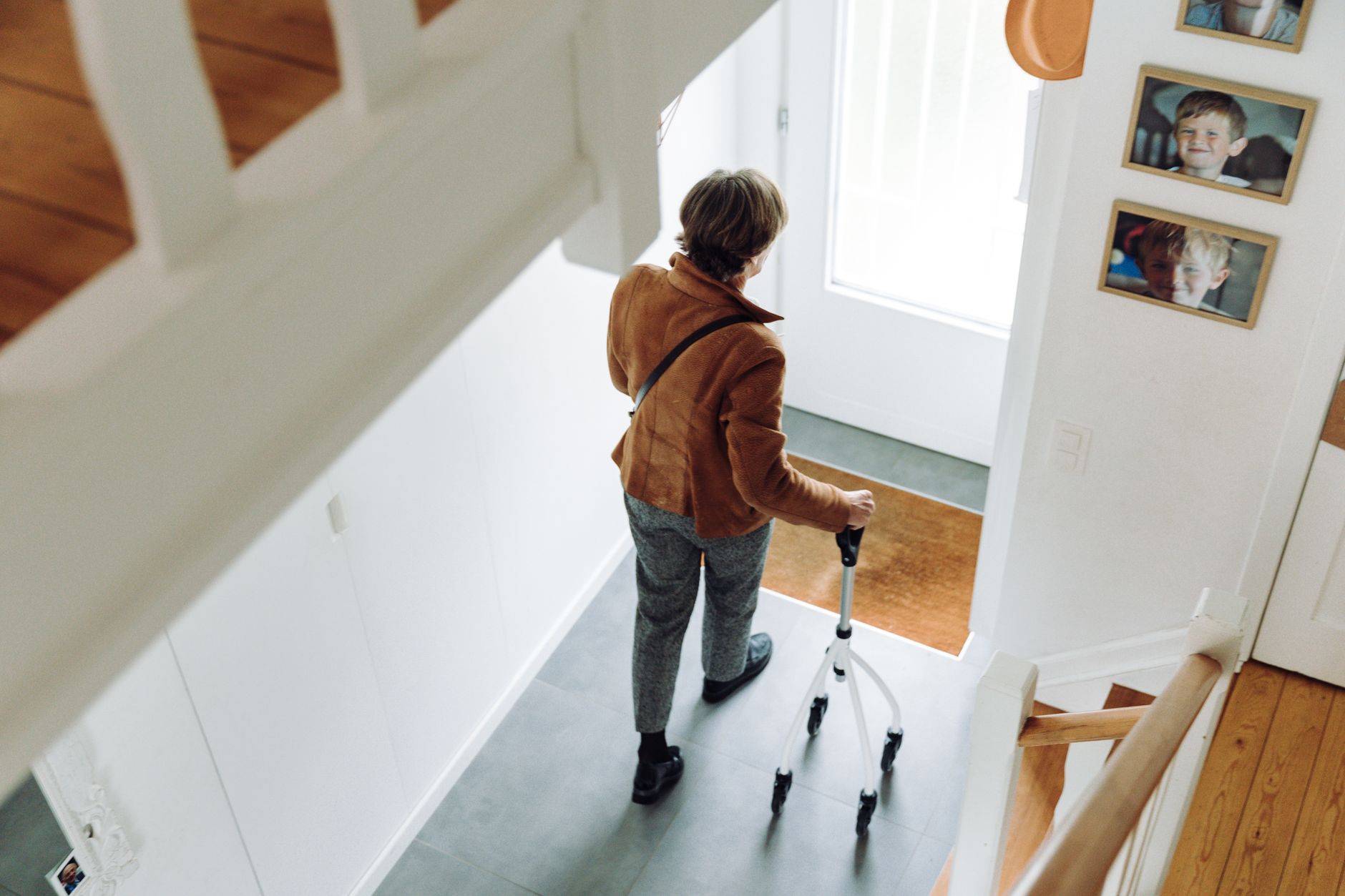
A leisurely 15-minute stroll twice a week won’t move the needle much. You need a pace where you can talk but not sing—usually around 3 to 4 miles per hour for most older adults. Weather, joint pain, or mobility limitations can interrupt routines, which slows progress. A woman with arthritis in her knees might find that walking 30 minutes at once causes pain, whereas medication adjustments give her more immediate control. The goal is integration with medical management, not replacement.
WALKING INTENSITY AND BLOOD PRESSURE RESPONSE
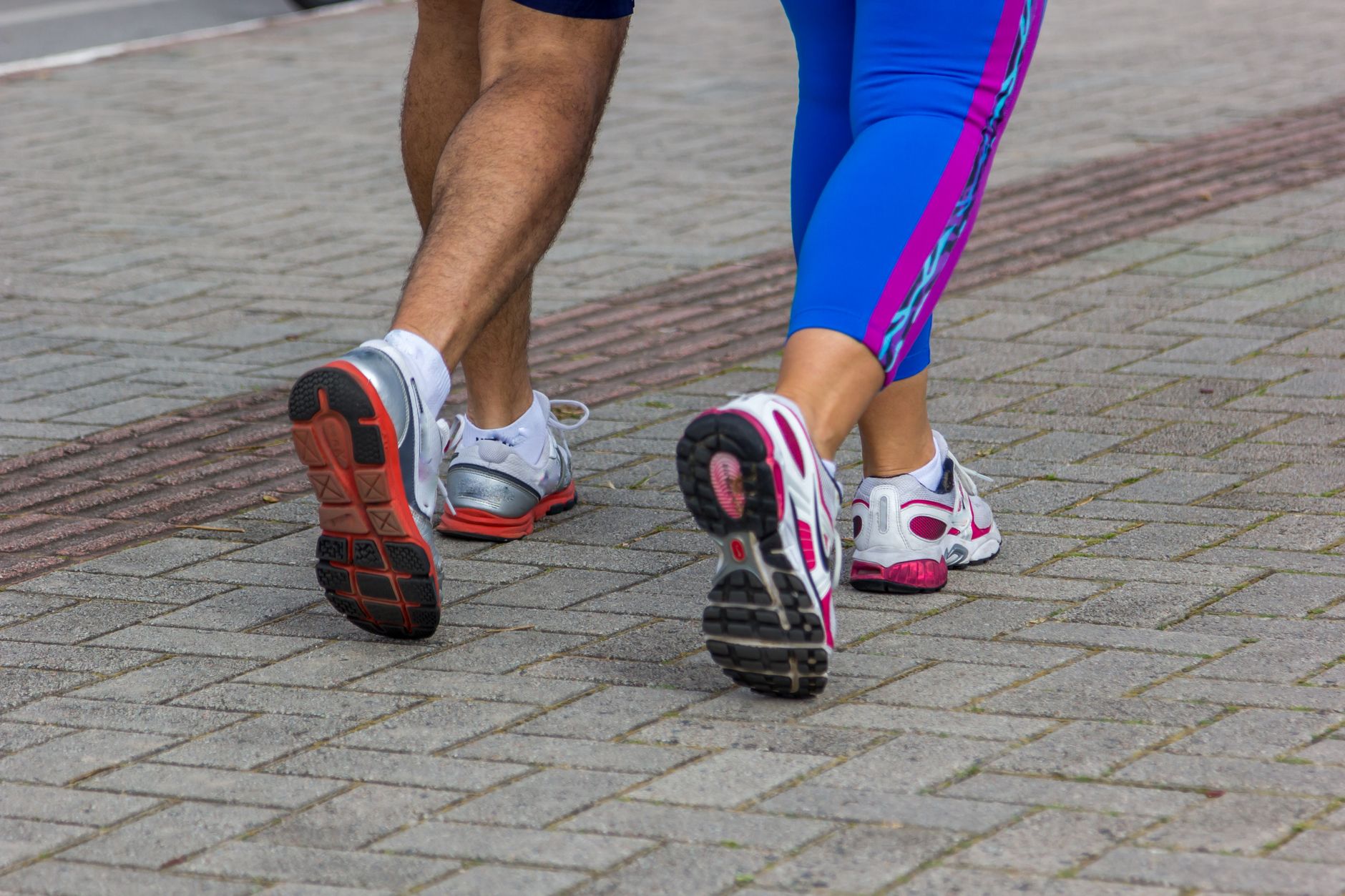
The relationship between walking speed and blood pressure reduction is dose-dependent—faster, longer walks produce stronger results, but the best walk is the one you’ll do. Brisk walking (3.5 to 4.5 mph) produces better cardiovascular adaptation than strolling, but even moderate-pace walking (2.5 to 3.5 mph) reduces blood pressure if sustained. Adding hills or inclines intensifies the effect without requiring you to walk faster, which can help people with joint concerns or balance worries.
Interval walking—alternating between faster and slower segments—appears even more effective for blood pressure control than steady-paced walks, though the research is still developing. A 70-year-old with hypertension who walked on a treadmill at normal pace for three minutes, then brisk pace for one minute, repeated for 30 minutes, saw greater blood pressure improvements than a control group doing steady walking. The downside is that interval walking requires more effort and attention, so it’s not for everyone. For many aging adults, consistency beats intensity—a daily easy walk beats a sporadic intense walk.
COMBINING WALKING WITH OTHER LIFESTYLE CHANGES FOR BETTER RESULTS
Walking produces its best results when paired with other adjustments. Reducing dietary sodium, maintaining a healthy weight, limiting alcohol, managing stress, and quitting smoking all amplify walking’s blood pressure benefit. A person who walks regularly but consumes 4,000 mg of sodium daily will see smaller gains than someone eating 2,000 mg of sodium and walking the same amount. These changes together can sometimes reduce blood pressure by 20 to 30 mmHg systolic—enough to make a real difference in medication needs.
The tradeoff is that multiple lifestyle changes require more willpower and planning than one change alone. It’s easier to add a daily walk than to simultaneously cut salt, lose 10 pounds, and start meditation. A practical approach is to start with walking, then layer in other changes once walking feels routine. Many older adults find that once they’ve established a walking habit and see blood pressure improvements, they’re motivated to tackle other habits. After three months of daily walking, a 65-year-old man with hypertension and a poor diet felt healthy enough to start reducing processed foods—changes he’d resisted before.
SAFETY CONCERNS WHEN WALKING WITH HIGH BLOOD PRESSURE
People with very high blood pressure should not begin intense exercise without medical clearance. Walking at maximum intensity—competitive pace, long hills—can trigger a dangerous blood pressure spike, especially if you’re not accustomed to exertion. The safe approach is to start slowly and increase gradually over weeks. If you feel dizzy, short of breath, or have chest pain while walking, stop immediately and contact your doctor. These can signal that your blood pressure or heart rate has spiked dangerously.
Cold weather narrows blood vessels, which temporarily raises blood pressure. An older adult with hypertension walking in freezing temperatures may experience a larger pressure spike than in mild weather. Wearing a scarf across your nose and mouth to warm air before it enters your lungs can help. Dehydration also elevates blood pressure, so walking without adequate water intake on a hot day can backfire. The key is to treat walking like any important medication routine—plan ahead for weather, hydration, and your body’s responses rather than treating it as something you “just do” on impulse.
WALKING ROUTES AND STRATEGIES FOR CONSISTENCY
The most important predictor of whether walking will actually lower your blood pressure is whether you stick with it. Safe, pleasant walking routes make consistency easier. Walking in parks with uneven terrain challenges your balance and muscles differently than flat sidewalks. Walking with a companion—a partner, friend, or organized group—increases adherence significantly.
An 74-year-old woman who had struggled with daily walks finally succeeded when she joined a senior walking group at her community center, not because the walk was different, but because she’d committed to other people. Setting a specific time and distance also helps. Rather than “I’ll walk whenever,” say “I walk Mondays, Wednesdays, and Fridays at 9 a.m. for 30 minutes.” This removes decision-making and makes the habit feel non-negotiable. Some people use step counters or walking apps to track progress and celebrate milestones, which reinforces the behavior.
MONITORING PROGRESS AND ADJUSTING YOUR ROUTINE
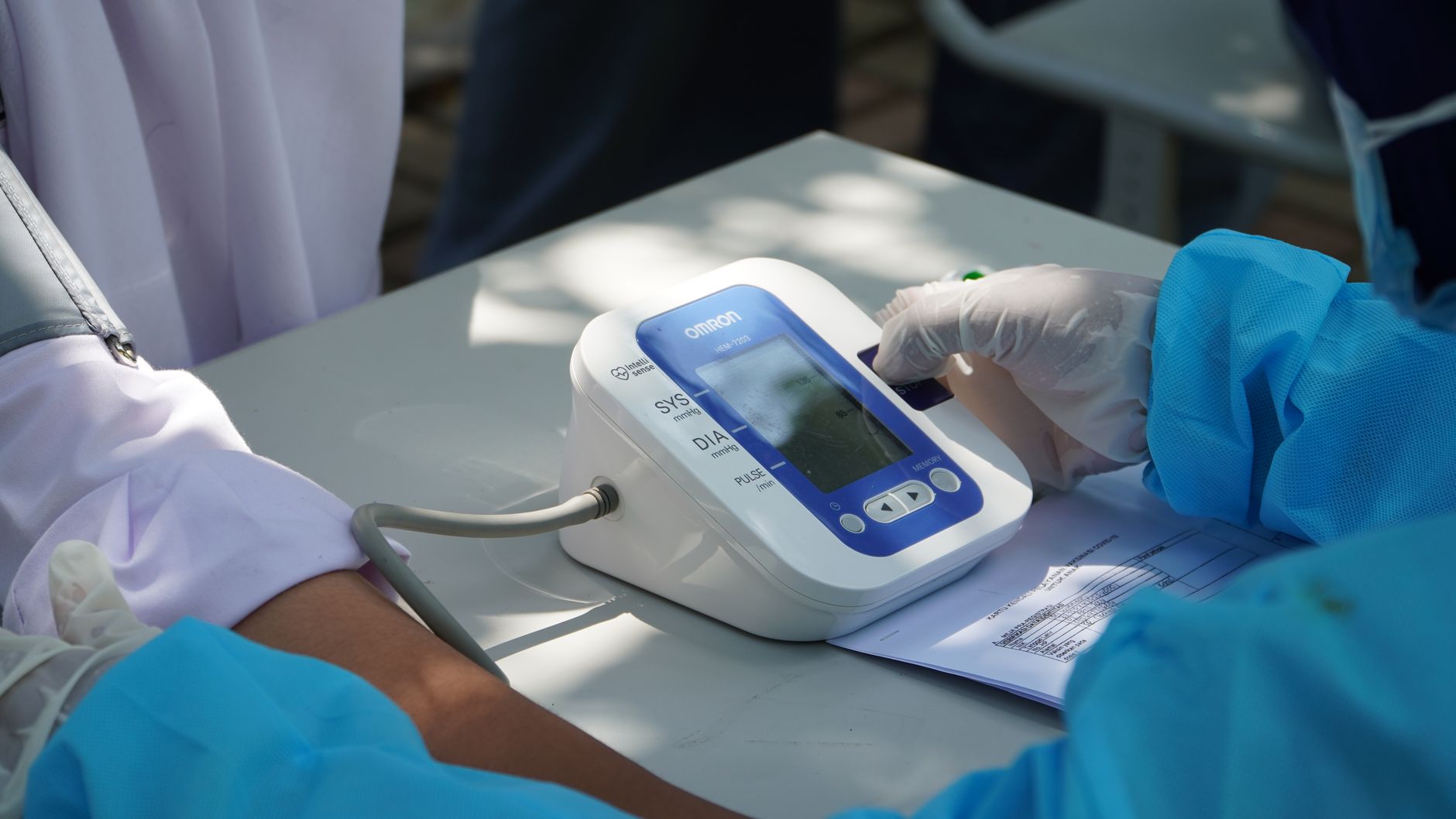
Track your blood pressure regularly—weekly or bi-weekly—to see if walking is working for you. Home blood pressure monitors are affordable and accurate. Many people see drops within three to four weeks, while others take two or three months. If you’re not seeing improvements after three months of consistent walking, talk to your doctor about other factors (medication timing, sodium intake, stress, sleep) that might be limiting the effect.
As walking becomes a habit and your cardiovascular fitness improves, you may need fewer medications or different doses. Work with your doctor on these adjustments rather than making them yourself. Your blood pressure will gradually stabilize at a lower baseline as your fitness improves, and your medication needs may change accordingly. Walking is a long-term intervention, not a quick fix—but it’s one of the most sustainable, low-risk blood pressure interventions available.
Conclusion
Walking is a proven, practical way to lower blood pressure in older adults, with improvements usually visible within two to three months of consistent practice. It works best as part of a comprehensive approach that includes medical management, not as a replacement for it. The key is finding a walking routine you’ll actually maintain—whether that’s a daily neighborhood loop, a mall-walking group, or a hiking trail you love—and sticking with it through seasons and changes.
If you have high blood pressure and haven’t incorporated regular walking, starting gradually with your doctor’s approval is a low-risk step toward better health. Walking costs nothing, requires no equipment, and offers benefits far beyond blood pressure—stronger legs, better balance, clearer thinking, and maintained independence. That combination makes it one of the most valuable habits an older adult can build.
Frequently Asked Questions
How long does it take walking to lower blood pressure?
Most people see measurable drops within 8 to 12 weeks of walking 150 minutes per week at moderate intensity. Some see results sooner; some take longer. Consistency matters more than speed.
Is a 15-minute daily walk enough to lower blood pressure?
It’s a start, but research shows better results with 30-minute walks. If 15 minutes is what you can do, aim to gradually extend the duration as your fitness improves.
Can I stop taking blood pressure medication if walking lowers my pressure?
No. Always work with your doctor before changing or stopping medication. Walking can reduce the dose you need, but abruptly stopping medication is dangerous.
Is it safe to walk with high blood pressure?
Yes, but start slowly and get medical clearance first, especially if your pressure is very high (above 160/100). Gradual progression is safer than sudden intense exercise.
What if walking makes me dizzy or causes chest pain?
Stop immediately and contact your doctor. These are warning signs that your blood pressure or heart rate may be spiking dangerously.
Does the time of day matter for walking and blood pressure?
Morning walks may have slightly different effects than evening walks, but consistency and total weekly duration matter far more than timing. Walk when you’ll actually do it regularly.