
Hobbies become a force for staying independent because they maintain the physical abilities, mental sharpness, and social connections that independent living requires. When you garden, cook, build, learn, or participate in activities you enjoy, you’re actively exercising the skills and stamina needed to manage daily life. A person who spends time on woodworking, for instance, maintains fine motor control, problem-solving ability, and the confidence to tackle projects around the home—all core ingredients of living without constant assistance. Hobbies are not distractions from aging; they are direct training for the independence you want to preserve. Beyond the practical skills, hobbies create a sense of purpose and identity that keeps people engaged with life.
Someone who dedicates time to painting, volunteering, learning local history, or caring for plants remains oriented toward the future and motivated to stay capable. This sense of purpose is not abstract—research consistently shows it correlates with better health outcomes, fewer hospitalizations, and lower rates of depression among older adults. Hobbies also combat the isolation that erodes independence faster than almost any physical decline. The key insight is this: independence is not something you defend by sitting still. It is something you actively maintain through engagement, practice, and connection to activities that matter to you.
Table of Contents
- WHY DO HOBBIES MATTER MORE AS YOU AGE?
- THE PHYSICAL AND COGNITIVE BENEFITS OF STAYING ENGAGED
- HOBBIES THAT BUILD REAL-WORLD INDEPENDENCE SKILLS
- STAYING SOCIALLY CONNECTED THROUGH HOBBIES
- ADAPTING HOBBIES AS YOUR ABILITIES CHANGE
- USING HOBBIES TO BRIDGE GAPS IN INDEPENDENCE
- THE FUTURE OF HOBBIES AND AGING IN PLACE
- Conclusion
- Frequently Asked Questions
WHY DO HOBBIES MATTER MORE AS YOU AGE?
Your body and mind naturally decline with age, but that decline is not fixed. Hobbies create a counterforce—they slow cognitive decline, maintain muscle tone and coordination, and give you regular reasons to get out of the house. A person who volunteers at a library, for example, engages their memory, problem-solving, social skills, and physical mobility all at once. Without that engagement, all of those capacities atrophy faster. The difference between someone who remains actively involved in hobbies and someone who withdraws is often the difference between independent living and dependence within a few years. Hobbies also buffer you against the major transitions of aging. When you retire, your job is no longer the structure of your day. When friends move or pass away, social connection must come from somewhere else.
When physical limitations appear, a meaningful hobby gives you a reason to adapt rather than surrender. A photographer with arthritis learns new equipment or switching techniques. A gardener with mobility limits tries container gardening or raised beds. The hobby itself doesn’t disappear—it evolves, and so does your ability to stay engaged with life. Consider the comparison between two people in their mid-seventies: one has gardened for decades and continues tending a garden, even if it now means sitting while working in raised beds; the other stopped hobbies after retirement and spends most days indoors. The gardener has regular purpose, seasonal structure, physical activity, and ongoing learning. The other person faces a much sharper risk of decline, depression, and loss of independence. The difference is not genetics—it is engagement.
THE PHYSICAL AND COGNITIVE BENEFITS OF STAYING ENGAGED
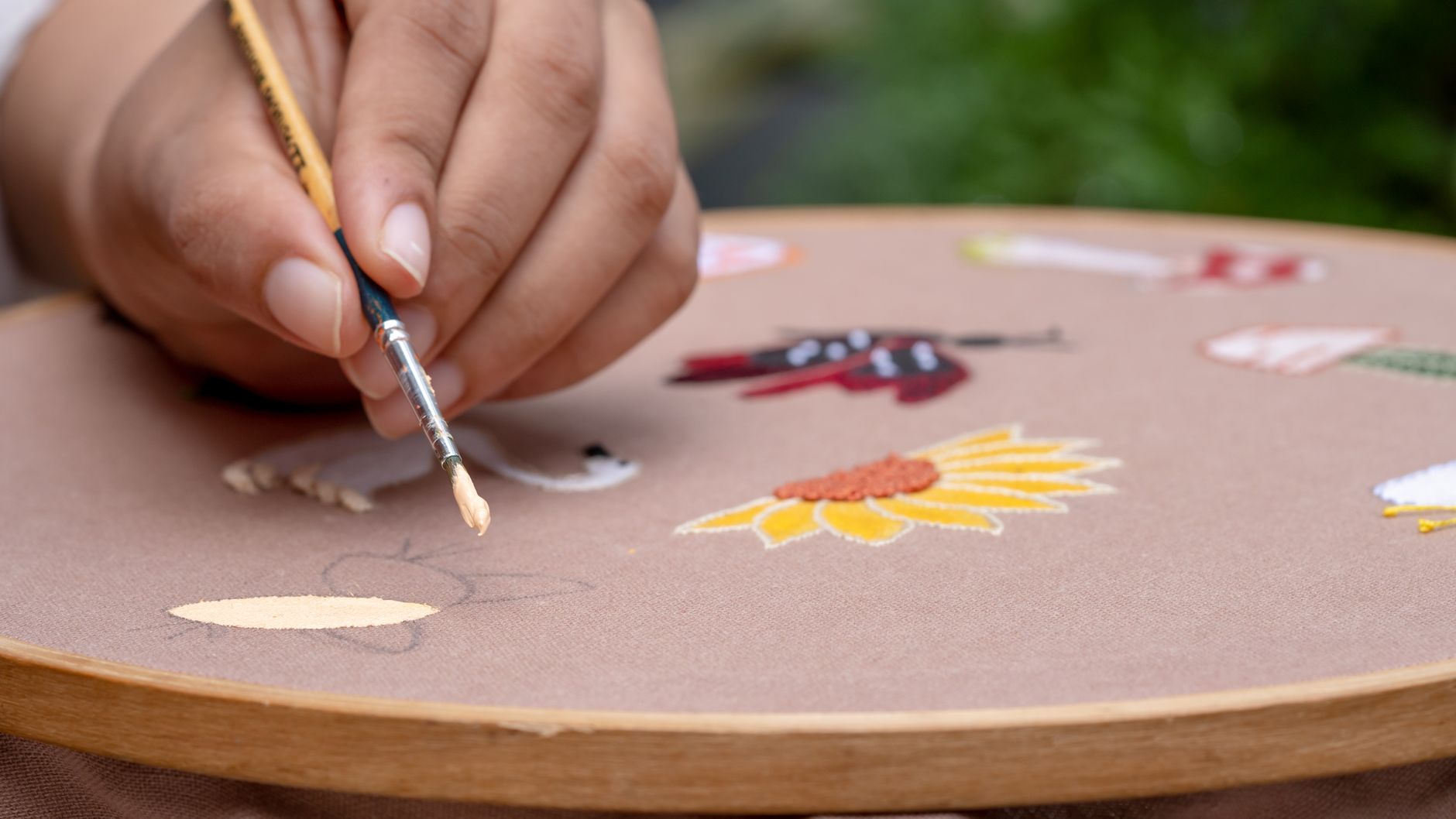
Regular engagement in hobbies strengthens neural pathways and slows the onset of cognitive decline. When you learn a new skill or practice an existing one, you are literally building brain connections. This is true whether the hobby is chess, learning a language, knitting, or fixing cars. Studies of older adults show that those who engage regularly in cognitively stimulating activities—reading, puzzles, creative work, learning—have lower rates of dementia and better memory function. The activity does not have to be exotic; consistency matters more than novelty. Physically, hobbies keep you moving and maintain the functional fitness independence requires. Walking to a hiking trail, standing while cooking, reaching and bending while gardening, or moving to music all count as exercise, but they feel like living rather than exercise.
This matters because people are more likely to stick with hobbies than with prescribed exercise routines. Someone who hates going to the gym but loves tending roses will get more movement and better health outcomes through gardening than through willpower-driven fitness. One important limitation: hobbies alone cannot replace medical care or physical therapy when those are needed. A hobby cannot cure diabetes or restore range of motion after a stroke. Hobbies are a powerful supplement to medical care, not a replacement. Another caution: some hobbies carry real injury risk, particularly as balance and vision decline. A person who loves rock climbing or tree work needs to honestly assess whether these remain safe choices, or whether related hobbies—indoor climbing gyms with safety equipment, or learning about forestry without doing the work—might better serve their long-term independence. The goal is to stay engaged, not to maintain a specific hobby at the cost of an injury that would destroy independence far more than adapting the hobby would.
HOBBIES THAT BUILD REAL-WORLD INDEPENDENCE SKILLS
Some hobbies directly build capabilities you need for independent living. Cooking is the most obvious: regular cooking maintains the knowledge of nutrition, the ability to shop intentionally, the motor skills of knife work and timing, and the confidence to feed yourself well. A person who cooks regularly will never become dependent on others for meals the way someone relying on prepared foods might. Similarly, basic home maintenance hobbies—painting, minor carpentry, plumbing repairs—keep you capable of managing your living space. An older adult who stays active with home projects knows how to hire help when needed, can spot when something is wrong, and is not at the mercy of contractors who might overcharge or overlook problems. Gardening combines physical activity, problem-solving, seasonal structure, and food production. Someone who maintains even a small garden or a few container plants has purpose, light but regular exercise, a tangible outcome to care for, and often a source of food or gifts.
The skills are practical—understanding soil, water needs, pest management, timing—but they are learned through doing, which is far more memorable and satisfying than other ways of learning. A specific example: consider someone in their eighties who spent her career as a librarian and maintains a hobby cataloging and organizing family history documents and photos. She uses research skills, technology, and organizational thinking. She creates value her family appreciates. She has a project that will outlast her. She is not merely passing time; she is maintaining the cognitive patterns that allow her to manage her own affairs. This hobby—this daily practice—is what keeps her independent when peers in similar health are becoming confused and unable to manage their lives.

STAYING SOCIALLY CONNECTED THROUGH HOBBIES
One of the fastest routes to loss of independence is isolation. When you stop leaving the house, stop seeing other people regularly, and lose your sense of being part of a community, depression and decline follow quickly. Hobbies can be an antidote, particularly when they involve other people. A book club, a pottery class, a volunteer position, a hiking group, or a community garden plot puts you in regular contact with other adults. This contact is not just pleasant—it is vital infrastructure for maintaining independence. The social dimension of hobbies also creates accountability and motivation.
You are more likely to keep doing something if others expect you, if you have made a commitment, or if you have people to do it with. Someone in a weekly art class is more likely to show up regularly than someone with a home art practice. Someone who volunteers every Thursday has a structure and a reason to stay capable. Someone in a gardening club has peers who can help problem-solve and share knowledge. The tradeoff is that group hobbies require more logistics and social energy than solo hobbies, and not everyone enjoys that. Solo hobbies like reading, woodworking, or bird-watching offer depth and control, but they do not provide the social reinforcement that most people need. The ideal for many people is a mix: solo hobbies for flow and focus, group hobbies for connection and accountability.
ADAPTING HOBBIES AS YOUR ABILITIES CHANGE
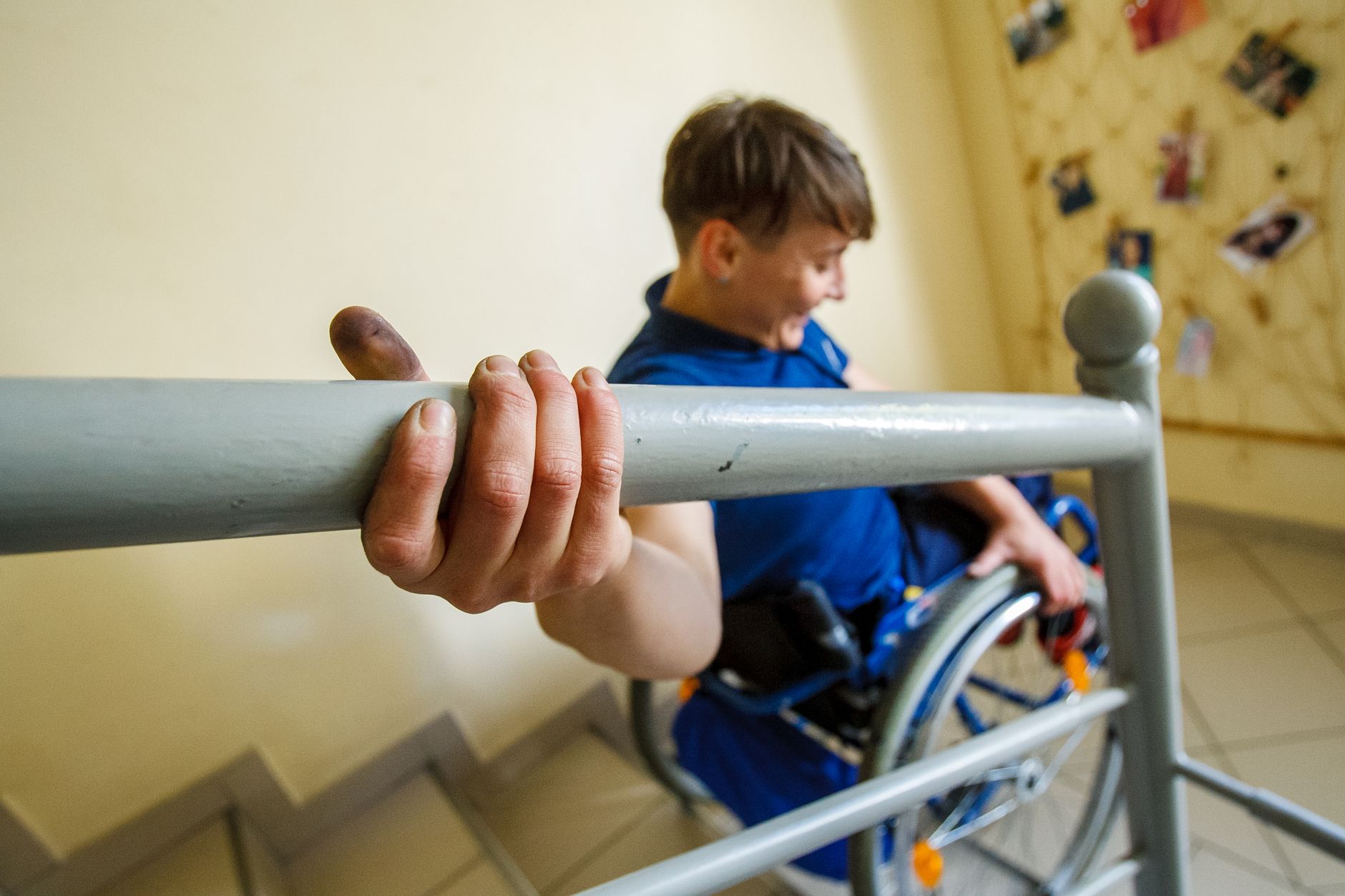
One of the hardest transitions in aging is accepting that you may need to change how you do something you love. An avid hiker might need to switch to shorter trails with less elevation. A person who loved dancing might need to move to seated dancing or water aerobics. A woodworker might shift from large projects to small detailed work, or from standing work to seated work. The amateur astronomer with arthritis might invest in a motorized telescope mount instead of using a manual one. None of these are admissions of defeat; they are adaptations that keep the hobby and the independence alive.
The warning here is not to wait too long to adapt. If you keep trying to do a hobby in the old way and you injure yourself, become exhausted, or avoid the hobby because it hurts, you lose both the hobby and the benefits it provides. Honest conversations with yourself—and sometimes with a physical therapist or doctor—about what is safe and sustainable are necessary. There is also a real risk that adapting a beloved hobby can feel like a loss. Processing that grief is important, and sometimes peer support, either from friends doing similar hobbies or from formal support groups, helps. The other side of that adaptation is usually that the hobby remains, the person remains engaged, and independence is preserved even as the form of the activity changes.
USING HOBBIES TO BRIDGE GAPS IN INDEPENDENCE
Some hobbies directly address areas where older adults often become dependent. Learning to use technology—even if your hobby is simply becoming competent at email, video calls, or online banking—maintains your ability to connect and manage your affairs. A person who is comfortable online can video call family members, order medications, handle finances, and access health information. These are not optional skills anymore; they are part of what independence means in a digital world. A specific example: consider someone whose hobby became learning about their own health and medical history.
They created a personal health portfolio—a document of medications, conditions, past surgeries, doctor names, and insurance information. They learned to read medical records. They developed the habit of writing down questions before appointments. This hobby, born from frustration, kept them engaged in their own care and able to advocate for themselves in ways that would have been impossible if they relied entirely on others to manage medical information. The hobby made them more independent, not less.
THE FUTURE OF HOBBIES AND AGING IN PLACE
As more people choose to age in place rather than move to facilities, hobbies become increasingly important infrastructure. Aging in place depends entirely on staying engaged, capable, and connected—the exact things hobbies provide. In the coming decade, you can expect to see more intentional efforts to connect hobbies with aging: community organizations offering classes and spaces for older adults, adaptive equipment designed for specific hobbies, and recognition that hobbies are not luxuries but necessities for healthy aging.
Forward-looking perspective: the older adults who will age most successfully and independently in the future are those who start now to identify or deepen hobbies that matter to them. It is far easier to adapt a hobby you already love than to try to develop one after you have become isolated or declined. The message is not that you should be productive or achieve something; it is simply that engagement—real, regular, chosen engagement with something meaningful—is one of the best investments you can make in your own future independence.
Conclusion
Hobbies become a force for staying independent because they maintain the physical capabilities, cognitive sharpness, and social connections that independent living requires. They create purpose and structure, they keep you moving and learning, and they give you reasons to stay engaged with the world. When you invest in a hobby—whether it is gardening, cooking, learning, volunteering, or any other activity that matters to you—you are directly investing in your future ability to care for yourself and live the way you want.
The next step is to look honestly at the hobbies and engagements that already matter to you, and to think intentionally about how to adapt them, deepen them, or create new ones as your life changes. If you have hobbies you have set aside, consider whether they could be restarted or reimagined. If you have wanted to start something but have hesitated, consider whether now might be the time. Independence is not something you defend alone; it is something you build and maintain through the daily choice to stay engaged with a life that matters to you.
Frequently Asked Questions
Is it too late to start a new hobby if I am already in my seventies or eighties?
No. While it is easier to deepen existing hobbies, older adults regularly learn new skills and develop new interests. The key is starting with something realistic, finding others to do it with, and giving yourself permission to learn slowly. Starting a new hobby is never wasted time.
What if I have physical limitations that seem to make my favorite hobby impossible?
Most hobbies can be adapted. Before giving up, explore adaptive equipment, modified techniques, or related activities that capture what you loved about the original hobby. A conversation with a physical therapist or occupational therapist can sometimes reveal solutions you had not considered.
How much time do I need to spend on a hobby for it to actually matter?
Consistency matters more than duration. Fifteen minutes a day of something meaningful is far better than sporadic intense effort. Regular engagement signals to your brain and body that this matters, and it builds the habits that support independence.
What if I live alone and cannot easily join a group hobby?
Solo hobbies have real value. But also consider whether transportation to a group activity is the main barrier—if so, asking family or friends, using senior transportation services, or looking for classes near you might open up social hobby options. When both solo and social hobbies are impossible, even one meaningful activity can help preserve independence.
How do I know if I should stop doing a hobby because it has become unsafe?
If you are regularly injuring yourself, becoming exhausted or in pain, or avoiding the hobby because it feels risky, it is time to adapt or modify. Honest self-assessment, and sometimes input from a doctor or therapist, helps. The goal is to keep doing something, not to maintain the exact form of the original hobby.
What hobbies are best for maintaining independence?
The best hobby is one you actually enjoy and will do regularly. Any hobby that keeps you moving, thinking, learning, or connected serves your independence. Gardening, cooking, crafts, learning, volunteering, and social activities all work. The hobby matters less than your commitment to it.