
Research consistently shows that the biggest predictors of healthy aging are not genetic destiny or luck—they’re the daily habits and life circumstances that you can influence starting today. While family history matters, studies find that lifestyle factors like regular physical activity, strong social connections, financial stability, and access to quality healthcare predict how well someone will age far better than the genes they inherited. A person who walks regularly, maintains close friendships, manages chronic diseases proactively, and has stable housing is far more likely to remain independent into their 80s and 90s than someone with perfect genetics but an isolated, sedentary life.
The difference between thriving and declining in older age often comes down to five key areas: physical capacity, mental engagement, social involvement, financial security, and preventive health practices. Someone like Margaret, a 78-year-old who volunteers twice weekly, walks her neighborhood every morning, keeps her blood pressure controlled with medication, and has regular conversations with her adult children, is far more likely to age well than Robert, age 72, who is wealthier but sits most of the day, has limited social contact, skips doctor visits, and struggles with depression. The predictors work together—you can’t substitute one for another.
Table of Contents
- What Physical Activity and Mobility Predict About Your Future?
- Social Connections and Cognitive Health—Why Loneliness Is a Medical Risk Factor
- Medical Management and Chronic Disease Control
- Financial Stability and Housing—Why Security Matters More Than Wealth
- Mental Health, Purpose, and Cognitive Engagement
- Sleep Quality and Nutritional Adequacy
- Community Accessibility and Continued Contribution
- Conclusion
What Physical Activity and Mobility Predict About Your Future?
Physical activity is perhaps the single strongest predictor of healthy aging. People who move regularly—whether through structured exercise, occupational activity, or daily living tasks—maintain muscle mass, bone density, balance, and cardiovascular function in ways that sedentary people cannot. Research from major longitudinal studies shows that older adults who engage in moderate activity (like brisk walking for 30 minutes most days) have significantly lower rates of falls, fractures, heart disease, and cognitive decline. The relationship isn’t subtle: an active 75-year-old often has the physical capabilities of someone 10 years younger who is sedentary.
Movement predicts independence more reliably than almost anything else. A person who can stand from a chair without using their hands, walk up stairs, and carry groceries is living a fundamentally different life than someone who cannot—and these abilities are determined largely by whether they’ve been maintaining muscle and practicing balance throughout their lives. The limitation here is timing: waiting until age 70 to start exercising is harder than maintaining activity throughout adulthood, though it’s never too late to benefit. Even someone who was sedentary for decades can improve their functional capacity and reduce their fall risk significantly through consistent movement, but they start from a lower baseline and face steeper challenges.

Social Connections and Cognitive Health—Why Loneliness Is a Medical Risk Factor
Loneliness and social isolation predict poor aging outcomes as reliably as smoking or high blood pressure. Older adults with strong social networks—regular contact with family, friends, or community groups—have better cognitive function, lower rates of depression, stronger immune systems, and longer lifespans than isolated peers. A person who has at least one close confidant and regular social activity is statistically likely to live longer and with better quality of life than someone with the same health conditions but no social bonds. This isn’t correlation—researchers have identified the biological mechanisms through which loneliness increases inflammation, raises cortisol, and accelerates cognitive decline.
The warning here is that social connection is not automatic and becomes harder to maintain as people age and mobility declines. A person who moves to a new city at 65, far from longtime friends, and doesn’t actively build new connections can find themselves profoundly isolated within a few years. Conversely, someone who joins a weekly book club, volunteers, attends a place of worship, or maintains intentional friendships is building protection against the cognitive and emotional decline that often comes with aging. The tradeoff is real: building and maintaining social connections requires effort, transportation, and planning—particularly for people with mobility challenges—but the return on investment in terms of mental health and longevity is enormous.
Medical Management and Chronic Disease Control
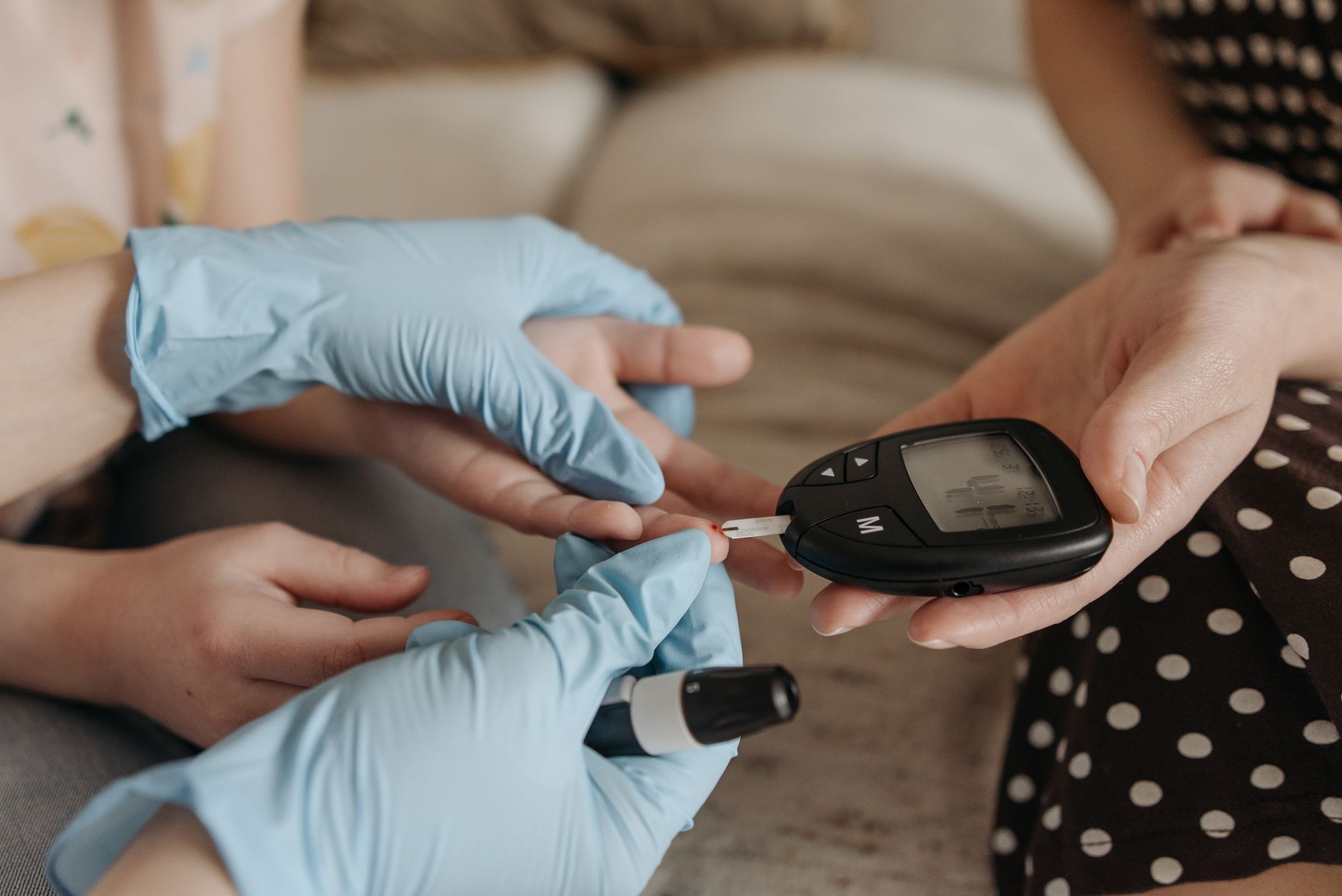
How well an older person ages is heavily influenced by whether chronic diseases like diabetes, hypertension, and heart disease are detected and managed early. Someone who takes medication consistently, attends preventive appointments, monitors their blood sugar or blood pressure at home, and catches problems before they become crises will predictably age better than someone with the same diagnoses who avoids medical care. The evidence is stark: a person with controlled high blood pressure has vastly lower stroke risk than someone with uncontrolled hypertension, regardless of their age. Preventive care—colonoscopies, bone density scans, flu vaccines, vision and hearing checks—becomes increasingly important with age.
An 68-year-old who gets a hearing aid and uses it regularly maintains better cognitive function and social engagement than someone whose hearing declined but who never addressed it, because hearing loss isolates people and accelerates cognitive decline. Similarly, someone who had a hip fracture identified early and treated prevented that fracture from derailing their independence. The limitation is access: not everyone has insurance, transportation to appointments, or a doctor who listens carefully. Someone with excellent health literacy and healthcare access will age better than someone with the same medical conditions but poor access or low health literacy.
Financial Stability and Housing—Why Security Matters More Than Wealth
Financial stability is a strong predictor of healthy aging, but the relationship is more nuanced than simply having money. What matters most is having enough resources to afford housing, healthcare, medications, and food without constant stress. Someone with a modest but reliable income or pension who owns a paid-off home will often age more successfully than someone with higher income but high debt, unstable housing, or constant financial anxiety. The stress of financial instability activates the body’s fight-or-flight response chronically, raising inflammation and cortisol in ways that accelerate aging and disease.
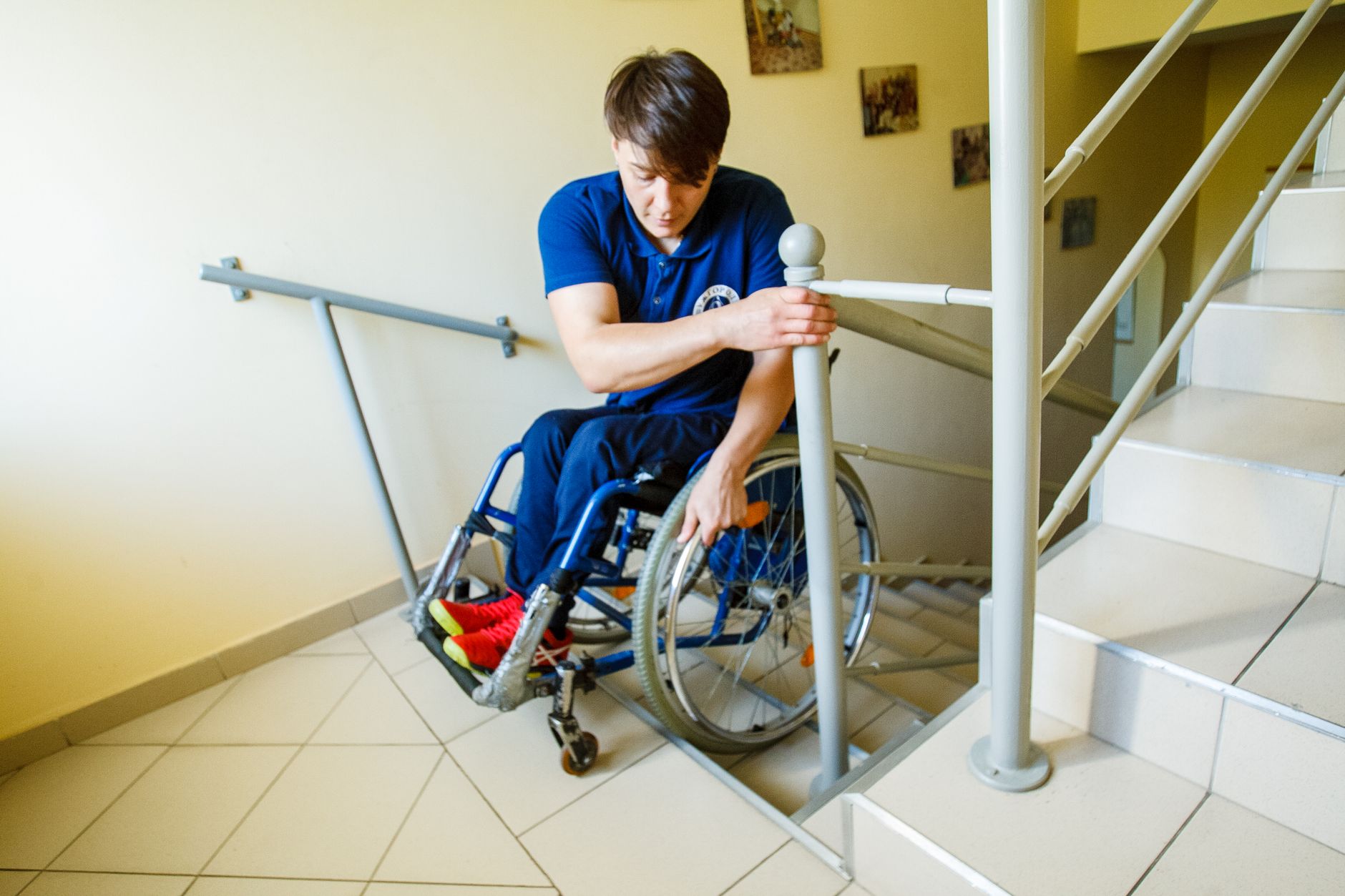
Safe, stable housing in a community where the person has connections is itself a major predictor of healthy aging. Someone who can remain in a familiar home, modify it if needed (grab bars, better lighting, accessible bathrooms), and stay close to longtime friends and services will predictably age better than someone who must move to unfamiliar assisted living or cannot afford necessary home modifications. The tradeoff is that living longer at home sometimes requires significant investment—accessibility modifications, home care support, or adaptive equipment—and not everyone can afford these. Conversely, moving to an institutional setting too early can accelerate decline through loss of autonomy and social disconnection, even if the environment is safer.
Mental Health, Purpose, and Cognitive Engagement
Depression is both common and predictable in older age, and it’s a major barrier to healthy aging. Someone who maintains a sense of purpose—through work, volunteering, caregiving, creative pursuits, or spiritual practice—ages better than someone without purpose. This isn’t motivational rhetoric; it’s measurable: people with purpose have lower rates of depression, better cognitive function, and longer lifespans. An older adult who tutors students, tends a garden, writes memoirs, or mentors younger people has protective factors that someone watching television alone does not.
Cognitive engagement is similarly predictive. Older brains benefit from challenge and novelty: learning a language, studying history, playing strategy games, or taking classes keeps cognitive function sharper than passive entertainment. The warning is that cognitive activity alone cannot prevent dementia—genetics and vascular health matter enormously—but staying mentally engaged does preserve cognitive reserve and may delay the onset of dementia symptoms. Someone with depression or unmanaged anxiety will struggle with cognitive engagement and physical activity regardless of opportunity, which is why mental health treatment becomes increasingly important in later years.
Sleep Quality and Nutritional Adequacy
Sleep quality predicts health in aging far better than many people realize. Older adults who sleep 7-8 hours nightly (not 4 hours or 10+ hours), experience refreshing sleep without excessive daytime sleepiness, and don’t wake constantly have better immune function, emotional regulation, and physical recovery than those with poor sleep. Sleep problems are common—sleep apnea, insomnia, and restless leg syndrome affect millions of older adults—but many are treatable. Someone whose sleep apnea is diagnosed and treated with a CPAP machine, for example, often sees dramatic improvements in blood pressure, mood, and daytime function.
Nutritional adequacy matters more in older age, when people often eat less overall and absorb nutrients less efficiently. Adequate protein intake predicts maintenance of muscle mass and bone density; adequate calcium and vitamin D predict bone strength and fracture risk. Someone who eats a varied diet with sufficient protein, fruits, and vegetables will maintain better nutritional status than someone living on processed foods or soft foods because of dental problems. An example: an older adult who invests in dental care to maintain good teeth, allowing them to eat a varied diet, has a different aging trajectory than someone who loses teeth and restricts themselves to soft foods low in nutrient density.
Community Accessibility and Continued Contribution
How communities are designed—whether they’re walkable, whether public transportation exists, whether there are places for older adults to gather and contribute—significantly affects aging outcomes. An older person living in a neighborhood where they can walk to shops, doctors, and social activities will age more successfully than someone in a car-dependent area where they must drive or become isolated once they can’t drive safely. Similarly, communities that have a place for older adults—senior centers, volunteer opportunities, continued employment options—support better aging than those that treat older adults as economically invisible.
Feeling needed and able to contribute predicts better aging than retirement alone. Someone who continues to work part-time, volunteer regularly, or maintain important roles in their family’s life has a different aging experience than someone who becomes entirely dependent and economically invisible. This forward-looking insight matters: as the population ages, communities that successfully integrate older adults as contributors—not just recipients of care—will see better health outcomes overall. The communities investing in age-friendly design, flexible work options, and volunteering opportunities are building resilience for their entire population’s future aging.
Conclusion
The biggest predictors of healthy aging emerge across physical, social, psychological, and practical domains—and importantly, they’re largely within your control. Whether someone ages well depends far more on daily choices around movement, relationships, preventive healthcare, and sense of purpose than on genetics or luck. The person who moves regularly, maintains close relationships, manages chronic diseases proactively, has financial security and stable housing, stays cognitively engaged, and feels valued in their community will predictably experience better health, independence, and quality of life in older age.
The opportunity is now: these predictive factors begin mattering in your 30s and 40s, not your 70s. Starting today to build physical fitness, nurture relationships, practice preventive healthcare, strengthen your financial foundation, and develop a sense of purpose is the most direct path to healthy aging. If you’re already older and haven’t prioritized these areas, starting now—even starting this week—offers measurable benefits. Aging well is not inevitable, but it is achievable for most people who understand what actually predicts good outcomes and take consistent action.