
Living longer and living better are not the same thing, and that distinction matters more than most people realize. You can extend your lifespan through medical interventions and careful health management, but still lose the independence, mobility, and daily capabilities that make life feel worth living. Conversely, someone may live fewer years but maintain the ability to walk, cook their own meals, engage with family, and make their own decisions—which many people rate as far more valuable.
Consider Margaret, who at 78 is still hiking trails and hosting weekly dinners with her grandchildren despite declining health markers, versus her neighbor Robert, also 78, who can barely leave his bedroom despite medications that technically keep him alive. Their life expectancies may be similar, but their quality of life experiences are dramatically different. The real question isn’t how long you’ll live, but whether you’ll be able to live independently and do the things that matter to you during those years. This distinction becomes especially important as you age, when medical decisions often force a choice between extending life and preserving the practical abilities that define your independence.
Table of Contents
- How Modern Medicine Extends Lifespan Without Always Improving Daily Life
- The Hidden Cost of Prioritizing Quantity Over Quality
- Independence, Mobility, and the Practical Measures That Matter
- Making Practical Tradeoffs Between Longevity and Living Well
- When Medical Decisions Reduce Independence Rather Than Preserve It
- The Role of Social Connection and Engagement in Quality of Life
- Reframing the Aging Conversation for Real Independence
- Conclusion
How Modern Medicine Extends Lifespan Without Always Improving Daily Life
Modern medicine excels at treating specific diseases and keeping people alive longer. Statins, blood pressure medications, pacemakers, and advanced cancer treatments have added years to average lifespans across developed countries. Over the past 50 years, life expectancy in the United States has increased by roughly 12 years.
But that gain comes with a tradeoff that rarely gets discussed: many people are spending those extra years managing multiple chronic conditions, taking medication regimens with significant side effects, and dealing with limited mobility or cognitive decline. A 75-year-old taking eight different medications to manage heart disease, diabetes, and high blood pressure might live to 85, but spend those additional ten years managing side effects like dizziness, digestive problems, or constant fatigue. The medications work—they prevent the immediate life-threatening event—but they don’t restore the ability to walk without pain, sleep without waking five times, or enjoy meals without nausea. The focus on extending lifespan has often left behind the equally important question of maintaining function.

The Hidden Cost of Prioritizing Quantity Over Quality
One of the biggest limitations in how we approach aging is the assumption that more years are always better. That assumption breaks down when those years are characterized by pain, confusion, or loss of independence. Research on nursing home residents shows that while medical interventions keep people alive longer, many residents rate their quality of life as poor, with low satisfaction, depression, and anxiety common even among those whose health conditions are technically “managed.” Medical treatments also carry real risks that people often don’t fully understand. A blood thinner prescribed to prevent stroke increases the risk of serious bleeding.
A stronger pain medication that allows mobility also increases the risk of falls and accidents. A surgical intervention might add years to your life but leave you with chronic pain, infection risk, or permanent side effects. These tradeoffs are medical facts, not doom-saying—they’re why shared decision-making with your doctor matters. The warning here is simple: asking “will this help me live longer?” is not the same as asking “will this help me live the way I want to?”.
Independence, Mobility, and the Practical Measures That Matter
When older adults are asked what matters most to them, extending life rarely ranks first. Instead, they prioritize the ability to walk, think clearly, manage their own hygiene and household, drive or get around, and maintain relationships. These capabilities form the foundation of aging in place successfully. A person who can walk half a mile and manage their own medications at 82 has far more independence than someone who is medically stable but bedbound and cognitively declining at 78.
This is where the distinction between living longer and living better becomes actionable. A study of older adults who lived independently into their 90s found that the common factor wasn’t the absence of disease—many had diabetes, heart disease, or arthritis—but rather their ability to stay physically active and engaged. They prioritized movement, maintained social connections, and made decisions based on preserving function rather than just treating symptoms. One 94-year-old man interviewed in the study still drove, gardened, and cooked for himself, despite managing three chronic conditions, specifically because his treatment choices were designed around preserving those capabilities.

Making Practical Tradeoffs Between Longevity and Living Well
In practice, the choice between living longer and living better isn’t always clear-cut. Some medical interventions genuinely do both—treating high blood pressure reduces stroke risk and lets you feel better. But many require tradeoffs. Aggressive pain management might allow you to walk and stay active, but carries risks of dependency or falls. Aggressive disease treatment might extend life but involve difficult side effects during treatment. A surgery might buy more years but with months of recovery that takes away the activities you currently enjoy.
The key is approaching these decisions with realistic expectations about what each choice actually offers. If a medication allows you to maintain your current activities, that’s often worth taking. If it merely adds months or years to your life while making the present years feel worse, that’s a reasonable thing to decline. This is deeply personal—what’s right for one person isn’t right for another. Someone who values seeing their grandchildren graduate might choose the aggressive treatment even with significant burden, while someone whose priorities are on remaining active and engaged might decline it. Neither choice is wrong; they’re based on different definitions of a life well-lived.
When Medical Decisions Reduce Independence Rather Than Preserve It
One of the most insidious warnings in aging is that medical interventions can inadvertently reduce independence even as they extend life. Certain pain medications increase fall risk, which paradoxically leads to fractures and further immobility. Sedating medications for anxiety can cause confusion and dangerous accidents. Restricting diet or fluids for specific conditions can lead to malnutrition or dehydration, which then causes other problems.
A medication prescribed to help you live longer might actually shorten your functional independence, leaving you dependent on others for basic care. Another limitation is that many medical interventions are tested in younger, healthier populations and applied to older adults without clear evidence. A medication that’s safe for a 65-year-old might have completely different effects in a 85-year-old with multiple conditions and polypharmacy (taking many medications). This is why regular medication reviews with a doctor who knows you well—someone who understands your full picture, not just one condition—matters enormously. A “deprescribing” conversation, where you systematically review whether each medication is still helping you meet your goals, is often more valuable than adding another medication.
The Role of Social Connection and Engagement in Quality of Life
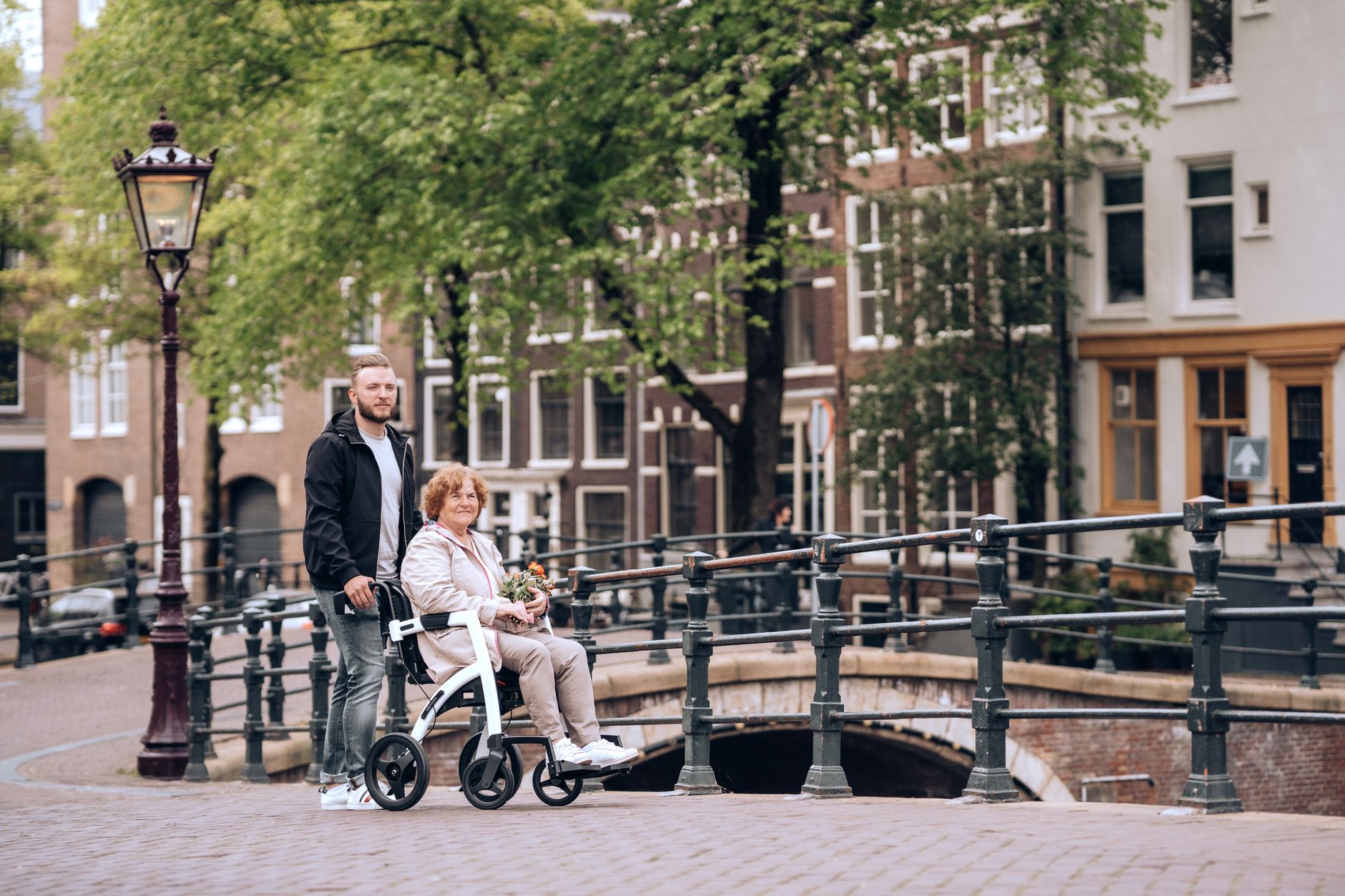
Medical and practical measures aren’t the only factors in whether you live better. Research consistently shows that older adults who maintain strong social connections, stay mentally engaged, and have a sense of purpose live longer and report higher satisfaction than those who are isolated, regardless of their medical status.
Loneliness is as damaging to health outcomes as smoking, and yet it’s often completely overlooked in medical treatment plans. Someone who lives with purpose—whether that’s mentoring younger people, working on hobbies, contributing to their community, or simply staying deeply involved in their family—tends to make better decisions about their health overall and to recover better from illness or setback. A 79-year-old who volunteers at an animal shelter twice a week and joins friends for dinner regularly might have the same chronic diseases as someone who sits at home feeling isolated and depressed, but their experience and outcomes will be dramatically different.
Reframing the Aging Conversation for Real Independence
The future of aging will likely involve a shift away from “how long can we keep someone alive” toward “how do we help people maintain the capabilities and engagement they value.” This shift is already happening in some medical centers and geriatric practices that focus on goals-based care—where the first question isn’t “what disease does this patient have?” but “what does this patient want to be able to do, and how do we support that?” Technology, community supports, and housing solutions are also evolving to support aging in place with better independence. Things like grab bars and accessible bathrooms are practical supports.
So are community programs, home care services, and social connections that reduce isolation. The best approach to aging isn’t choosing between living longer or living better as though they’re completely separate—it’s recognizing that quality of life in your older years depends on a combination of medical care, practical supports, and deeply personal choices about what makes life meaningful to you.
Conclusion
The fundamental truth is this: a longer life spent dependent, in pain, or isolated isn’t a win for aging well, no matter how many extra years you add. Conversely, a shorter life lived actively, independently, and with purpose and connection is rich in ways that medical statistics don’t capture. The question isn’t really about quantity versus quality in some abstract sense—it’s about living the specific life you actually want during the years you have.
Start now by thinking about what independence and engagement look like for you specifically. What activities matter most? What capabilities do you most want to preserve? Then make your medical, practical, and lifestyle decisions with those goals in mind, not just in response to what your doctor recommends or what medication you’ve been on for years. Regular conversations with your healthcare providers about your actual priorities, not just your conditions, can transform aging from something that happens to you into something you’re actively shaping.