
Healthy aging isn’t predetermined by your genes alone—it’s the result of how your body’s systems work together over decades, influenced by lifestyle choices, stress management, physical activity, and nutrition. The science shows that people who maintain cognitive sharpness, muscle strength, and mobility into their 80s and 90s share common patterns: they stay physically active, engage in mentally stimulating activities, maintain social connections, and manage chronic conditions proactively. A 78-year-old woman who walks three miles daily, volunteers at a community center, and eats a Mediterranean-style diet has measurably better cardiovascular function, higher bone density, and stronger cognitive performance than a sedentary peer—differences that become visible in how independently each person can live.
What happens at the cellular and physiological level during aging is complex but increasingly well-understood. Your cells’ ability to repair damage declines, inflammation creeps up across body systems, telomeres (the protective caps on chromosomes) shorten, and mitochondria—the energy powerhouses of cells—become less efficient. But these processes aren’t inevitable at the same pace for everyone. The choices you make across decades influence how quickly these changes progress and whether you develop age-related diseases that steal independence.
Table of Contents
- What Happens to Your Body as You Age—And Why It Doesn’t Have to Mean Decline?
- The Role of Inflammation and Oxidative Stress in Aging
- Cognitive Health and Brain Aging—Why Your Mind Needs Exercise Too
- Lifestyle Factors That Actually Slow the Aging Process
- Common Myths and Real Limitations of Longevity Science
- The Importance of Preventive Healthcare and Early Management of Chronic Conditions
- The Emerging Science of Cellular and Genetic Aging
- Conclusion
What Happens to Your Body as You Age—And Why It Doesn’t Have to Mean Decline?
Your body doesn’t simply “wear out” like an old car. Instead, aging involves specific biological changes that accelerate or slow depending on how you live. Your cardiovascular system loses elasticity, your heart requires more effort to pump blood, and blood vessel walls stiffen—but regular aerobic exercise can partially reverse these changes even in people who start exercising in their 60s or 70s. Muscle mass decreases at roughly 3-8% per decade after age 30, a process called sarcopenia, but resistance training directly counteracts this, allowing a 75-year-old to build and maintain functional muscle that keeps her able to rise from a chair, climb stairs, and carry groceries.
Bone density declines as hormone levels shift, particularly after menopause in women. This creates real risk: a fall that would bruise a younger person can shatter a bone in someone with osteoporosis. However, weight-bearing exercise and adequate calcium and vitamin D intake slow bone loss significantly. A man who does strength training and gets 1,200 mg of calcium daily can maintain bone density far better than one who’s sedentary and calcium-deficient—the difference between recovering quickly from a fall and spending weeks immobilized.

The Role of Inflammation and Oxidative Stress in Aging
Chronic low-grade inflammation—sometimes called “inflammaging”—is now understood as a core driver of many age-related diseases, including heart disease, type 2 diabetes, Alzheimer’s disease, and arthritis. Your immune system, designed to fight acute infections, shifts over time into a state of constant mild activation, releasing inflammatory molecules that damage tissues. This isn’t something you see immediately, but over years and decades, this inflammation erodes your organs’ ability to function. Research shows that people with high inflammatory markers in their blood tend to have more cognitive decline and physical disability in old age.
Oxidative stress—damage from free radicals your cells produce during normal metabolism—compounds this problem. Antioxidants from foods like berries, leafy greens, and nuts help neutralize this damage, but no pill or supplement replaces the protective effect of a genuinely healthy diet. One limitation to understand: supplements marketed as anti-aging antioxidants have not consistently proven effective in clinical trials. Eating a diet rich in whole foods works better than taking expensive antioxidant pills, partly because foods contain thousands of compounds that work together, not just the advertised active ingredient.
Cognitive Health and Brain Aging—Why Your Mind Needs Exercise Too
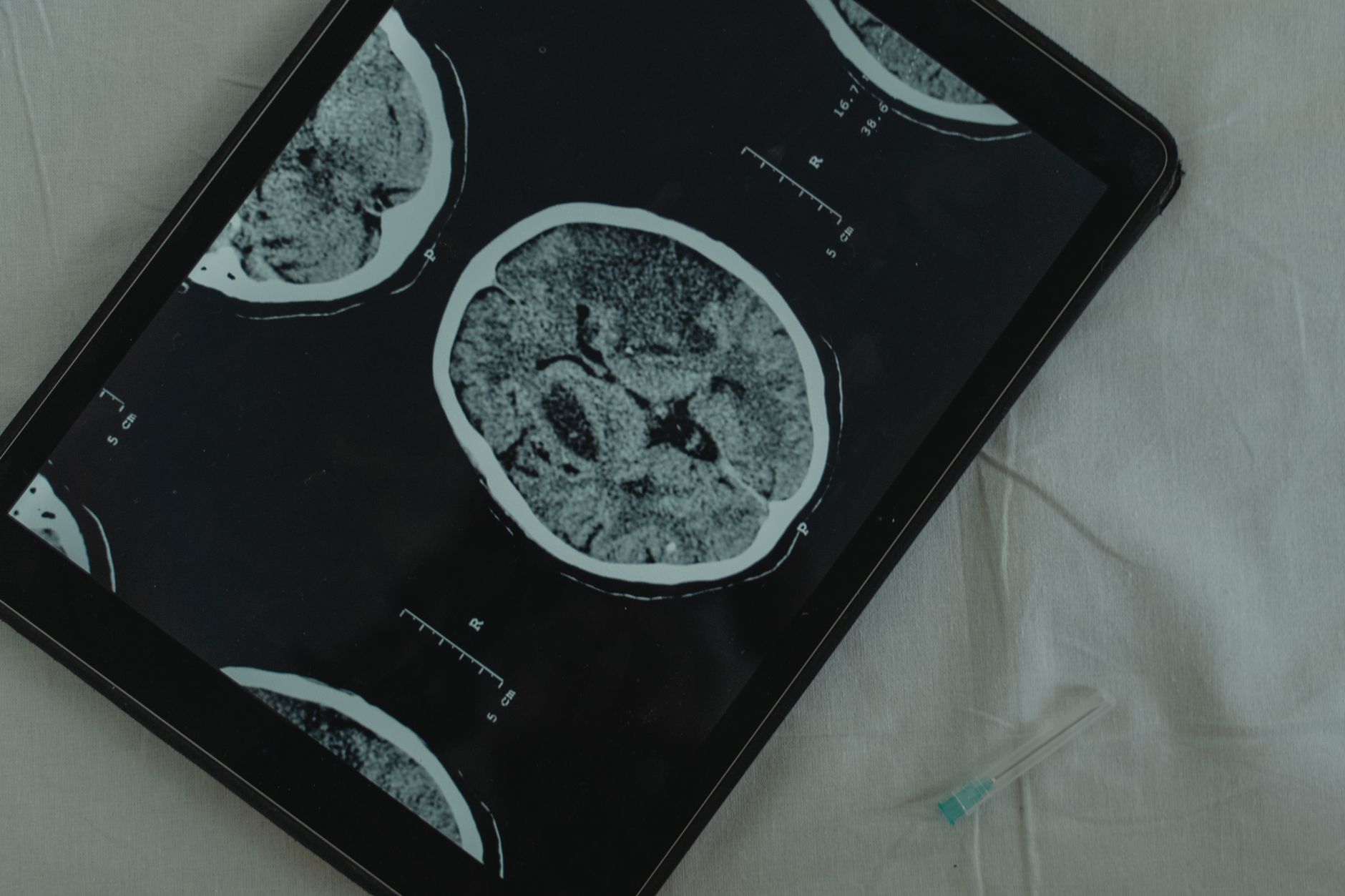
Your brain ages alongside your body, and cognitive decline isn’t an inevitable part of getting older. Mild cognitive impairment affects about 20% of people over 70, but many people in their 90s have sharp memory and thinking ability. The difference often comes down to cognitive reserve—the brain’s ability to resist damage and compensate for it. You build cognitive reserve through education, learning new skills, solving problems, and maintaining social engagement throughout your life.
Neuroplasticity (your brain’s ability to form new connections) remains possible well into old age. An 80-year-old who learns to paint, takes a language class, or pursues a new hobby is literally rewiring her brain, forming new neural pathways. Physical exercise, especially aerobic activity like brisk walking, increases blood flow to the brain and promotes growth of the hippocampus, the region critical for memory. A comparison: two people the same age and education level, where one exercises regularly and stays socially engaged while the other is sedentary and isolated, typically show measurable differences in cognitive function within five years.
Lifestyle Factors That Actually Slow the Aging Process
The most robust scientific evidence supports several concrete lifestyle factors: regular physical activity (at least 150 minutes of moderate exercise weekly), strong social connections, quality sleep (7-9 hours nightly), a whole-foods-based diet low in processed foods, stress management, and not smoking. These aren’t flashy or new—they’re unglamorous fundamentals—but they’re consistently associated with longer healthspan (years lived in good health, not just lifespan). The tradeoff is that these require ongoing commitment. A 65-year-old can’t exercise vigorously three days a week for six months, then stop and expect to maintain the benefits.
Consistency matters more than intensity. Someone doing moderate walking four times weekly for decades gets better health outcomes than someone doing intense bursts of exercise intermittently. Similarly, social connection isn’t something you “do once.” Maintaining close relationships, participating in community, and having purpose require ongoing engagement. For someone with limited mobility or living in isolation, this becomes a real challenge—video calls with family help, but they don’t fully replace in-person contact and community involvement.
Common Myths and Real Limitations of Longevity Science
One pervasive myth is that longevity science can give you a precise formula for living to 100. The reality is messier: genetics account for roughly 20-35% of how long you live; the rest is influenced by lifestyle, healthcare access, environment, and luck. Someone might do everything “right”—exercise, eat well, stay socially connected—and still have a heart attack at 72. Conversely, someone who smoked and rarely exercised might live to 95. This doesn’t mean healthy choices don’t matter; they shift probabilities, not guarantee outcomes.
Another limitation: much longevity research is based on observational studies, which show correlation but can’t always prove causation. Some findings from the last decade have been revised or weakened by better research. For instance, the dramatic claims about resveratrol in red wine, or the idea that low-fat diets extend life, have not held up under rigorous scrutiny. Be skeptical of any supplement or single food marketed as a longevity miracle. Additionally, recommendations that work for generally healthy 55-year-olds may not apply to someone with advanced heart disease, diabetes, or kidney problems. Working with your doctor to tailor healthy aging advice to your specific health situation matters more than following generic rules.

The Importance of Preventive Healthcare and Early Management of Chronic Conditions
Regular health screenings become more valuable as you age. Detecting high blood pressure, high cholesterol, diabetes, or early-stage cancer when they’re more treatable significantly affects healthspan. A 70-year-old who discovers atrial fibrillation through a routine screening and starts appropriate treatment can prevent stroke; one who ignores palpitations might have a devastating stroke that destroys independence. Preventive care isn’t flashy—it’s mostly boring checkups—but it’s among the highest-return investments you can make.
For people already living with chronic conditions, active management is critical. Someone with type 2 diabetes who closely monitors blood sugar, takes medications as prescribed, and works with a diabetes educator can live for decades without serious complications. Someone with the same diagnosis who neglects it faces kidney failure, blindness, and amputation. The science is clear: catching and managing conditions early, before they progress to disabling stages, preserves independence and function far better than reactive treatment of advanced disease.
The Emerging Science of Cellular and Genetic Aging
Newer research is examining the aging process at increasingly granular levels—looking at telomere length, epigenetics (which genes are turned on or off), cellular senescence (cells that stop dividing but cause inflammation), and the role of specific proteins. Some of this research has led to interventions being tested in clinical trials, but most are not yet available outside research settings. Senolytics (drugs that clear senescent cells) show promise in animal studies but are still experimental in humans.
Genetic therapies and cellular reprogramming are fascinating but years away from clinical reality. While this research is important for advancing the field, the honest truth is that the biggest gains in healthy aging right now come from boring lifestyle fundamentals, not cutting-edge science. A 75-year-old who starts strength training and reconnects with family will see more dramatic improvements in function and wellbeing than someone banking on future genetic therapies. The future of aging science may hold transformative treatments, but today’s science’s most powerful tools remain available to anyone: movement, purpose, connection, and good nutrition.
Conclusion
The science behind healthy aging shows that you’re not passively subject to the biological clock. While some changes are inevitable, the pace and severity of age-related decline depend significantly on choices within your control: how much you move, what you eat, whether you stay mentally and socially engaged, how well you manage stress, and whether you address health problems early.
The people who age most successfully aren’t necessarily the ones with “good genes”—they’re the ones who live intentionally, build resilience across decades, and adapt their choices as their bodies change. If you’re concerned about maintaining independence as you age, or if you’re a caregiver supporting someone through this process, the science points toward clear priorities: keep moving, stay engaged with people and activities, get preventive healthcare, manage existing conditions, and make gradual changes rather than waiting for a health crisis. It’s not a guarantee, but it’s the closest thing science offers to a roadmap for aging well.