

Signs You’re Aging Better Than Average
If you can walk a mile without stopping to rest, climb stairs without holding the railing, and carry groceries from your car to your kitchen, you're aging...
If you can walk a mile without stopping to rest, climb stairs without holding the railing, and carry groceries from your car to your kitchen, you're aging...

After age 60, your body undergoes a series of measurable, predictable physiological changes that affect strength, sensory perception, bone health, and...

Staying active after retirement requires building a sustainable routine that fits your new schedule and physical abilities, not attempting to match your...
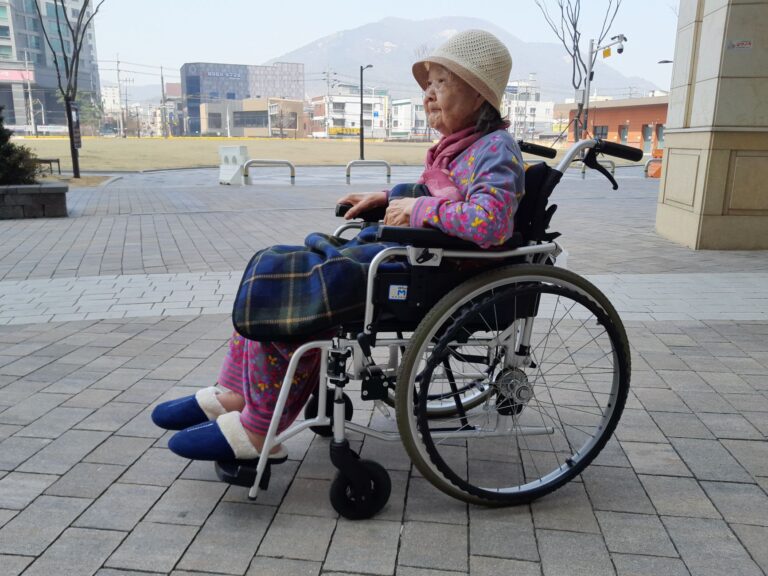
Mobility matters more than age because your ability to move, function, and manage daily tasks independently determines your quality of life far more than...
The answer is straightforward: simple daily habits add measurable years to your life. Recent research from the University of Sydney analyzing data from...

Aging gracefully without losing independence means maintaining the ability to make your own decisions, care for yourself physically, and stay engaged in...
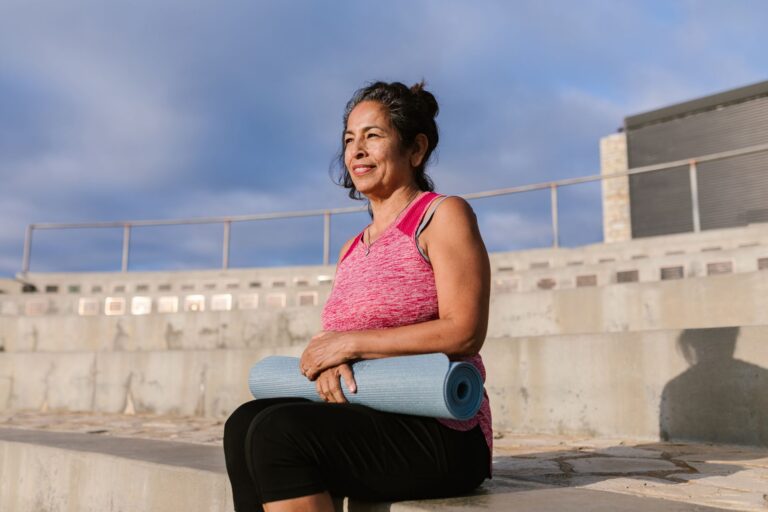
Healthy aging isn't predetermined by your genes alone—it's the result of how your body's systems work together over decades, influenced by lifestyle...
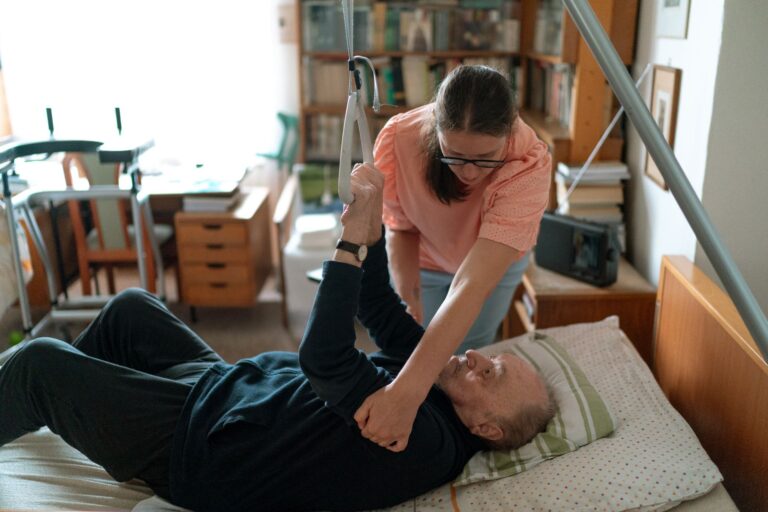
Staying independent after 60 requires 25 key habits that address physical health, cognitive function, social connection, financial stability, and...

Most independent seniors wish they'd understood three critical truths far earlier: healthcare decisions made in your 60s have irreversible financial...

Building a life that lets you age on your own terms requires intentional planning across three primary domains: your living environment, your financial...