
If you can walk a mile without stopping to rest, climb stairs without holding the railing, and carry groceries from your car to your kitchen, you’re aging better than average. These aren’t trivial accomplishments. By age 65, one in four Americans falls each year. Roughly 40% of people 65 and older struggle with at least one mobility limitation. The majority of the population experiences a noticeable decline in strength, balance, and cardiovascular fitness during their 60s and 70s. But some people don’t.
They maintain the physical capacity to live independently, manage their own homes, and move through the world with confidence. Aging better than average isn’t about looking young or having perfect health. It’s about functional capacity—the ability to do the everyday things that matter: getting up from a chair without using your hands, maintaining your balance on uneven ground, remembering where you left your keys, and having the energy to spend an afternoon with grandchildren. A 72-year-old who can still ride a bike, do yard work, and manage household repairs is aging better than average. So is a 70-year-old who maintains their independence, needs no medications, and hasn’t fallen in five years. This article identifies the measurable signs that distinguish people who age well from those who experience rapid decline, and what those signs tell us about maintaining independence as we get older.
Table of Contents
- What Does It Mean to Maintain Physical Strength and Balance Into Your 60s and 70s?
- Memory and Cognitive Sharpness in Aging Better Than Average
- Energy Levels and Fatigue as Markers of Healthy Aging
- Practical Signs of Aging Well That You Can Assess Today
- Medication Load and Health Complexity in Advanced Age
- Social Engagement and Its Role in Successful Aging
- Future Outlook and Changing Standards for Aging Well
- Conclusion
What Does It Mean to Maintain Physical Strength and Balance Into Your 60s and 70s?
Physical decline is normal with age. Muscle mass decreases about 3% per decade after age 30, and accelerates after 60. Reaction time slows. Bones become more fragile. But the rate of decline varies dramatically. Some people lose strength rapidly while others maintain remarkable capacity well into their 80s. The difference often comes down to activity level and muscle-building habits earlier in life. A 68-year-old who did resistance training three times a week at age 55 is likely to have significantly more muscle mass and functional strength than a sedentary 68-year-old, even if both stopped exercising at age 65. The most reliable predictor of aging well isn’t genetics—it’s whether someone has maintained physical activity over decades.
Research on centenarians shows that the vast majority were not athletes. They were ordinary people who stayed active: walking, gardening, doing household work, playing with grandchildren. Compare this to someone who retires at 65 and stops all structured activity. Within two years, they often experience noticeable weakness and difficulty managing stairs. A 75-year-old who walks three miles a week and does some light strength work can climb stairs, carry laundry, and move independently—all markers of aging better than average. Balance and fall prevention are often overlooked until a fall happens. Good balance requires practice. Your body’s balance systems—your inner ear, your eyes, and your muscle proprioception—must be used regularly or they deteriorate. An 80-year-old who practices standing on one leg regularly and walks on varied terrain has significantly better balance than a 70-year-old who drives everywhere and avoids uneven sidewalks. This single difference can determine whether someone lives independently or requires assistance.

Memory and Cognitive Sharpness in Aging Better Than Average
Cognitive decline is not inevitable. While some memory loss and slower processing speed are normal, the stereotype of becoming confused or forgetful is not a given. Many people in their 80s and 90s maintain sharp minds, remember names, solve problems, and engage in complex thinking. Others begin losing cognitive function in their 60s. The difference is partly genetic, but largely behavioral. People who age cognitively well typically share certain habits. They read. They learn new things. They engage in conversations and social activities.
They maintain mental challenges like crosswords, card games, or new hobbies. A 78-year-old who learned to use a computer at 60, stays in touch with friends via email, and reads three books a month is likely to have sharper cognition than a 70-year-old who gave up reading, stopped social activities, and spends most of their time watching television. Cognitive stimulation literally builds neural connections. The brain remains plastic throughout life, but it requires use to maintain capacity. One important limitation: cognitive sharpness does not guarantee health. Some people are cognitively sharp but physically frail, and vice versa. Aging better than average typically means maintaining function in multiple domains—physical, cognitive, and emotional. Someone who can think clearly but can’t walk to the mailbox still faces significant dependency risks. The goal is maintaining overall capacity, not excelling in one area while neglecting others.
Energy Levels and Fatigue as Markers of Healthy Aging
One of the most overlooked signs of aging well is having energy. Not the energy of a 25-year-old, but the capacity to be active for several hours, run errands, and engage in social activities without exhaustion. Many people attribute fatigue to age (“I’m just tired all the time now”), but persistent exhaustion often signals underlying problems: poor sleep, sedentary habits, depression, thyroid problems, or undiagnosed conditions. A 65-year-old who feels energized in the mornings and can stay active until evening without napping is aging better than average. Sleep quality matters more than most people realize. A 70-year-old who sleeps soundly for six to seven hours, wakes refreshed, and maintains consistent sleep patterns will have more energy and better cognitive function than someone who sleeps the same number of hours but wakes frequently or doesn’t feel rested.
Aging involves natural changes to sleep, including lighter sleep and more frequent waking, but good sleep habits, consistent schedules, and physical activity during the day can maintain sleep quality. Someone who maintains good energy and mental clarity throughout the day often has better sleep than they realize. Compare two 72-year-olds: one who complains of constant fatigue, naps daily, and avoids social activities because they’re “too tired,” versus someone who maintains interests, sees friends regularly, and has energy for hobbies. The difference is often not age—it’s activity level, sleep quality, social engagement, and underlying health management. The more active person likely ages better, but their activity also generates the energy that makes activity possible. It’s a positive cycle rather than a fixed trait.
Practical Signs of Aging Well That You Can Assess Today
Concrete, observable signs are the best measure of aging well. Can you get up from a low chair without using your hands? Can you walk up one flight of stairs without holding the rail? Can you put on socks and shoes without sitting down or lying on the floor? Can you carry groceries, a laundry basket, or luggage without struggling? These aren’t trivial abilities—they directly predict whether someone can live independently. A 70-year-old who can do all of these still lives independently. Someone who struggles with several likely needs assistance. Another practical measure: visual and auditory function. People who maintain good vision and hearing age better than those who don’t. This isn’t because good eyesight and hearing themselves prevent decline—it’s because sight and hearing are crucial for safety, independence, and social engagement.
Someone who can’t hear conversations avoids social activities, which accelerates cognitive decline. Someone who can’t see well stops driving and becomes isolated. A person with good vision and hearing, even if corrected with glasses or hearing aids, maintains independence far longer than someone who resists correction and withdraws from activity. The tradeoff is worth mentioning: maintaining practical abilities often requires using available assistance. Someone with mild hearing loss who uses hearing aids ages better—with greater independence and social engagement—than someone with the same hearing loss who refuses aids because they feel stigmatized. Similarly, someone who uses a cane when needed moves more safely and maintains more independence than someone who refuses mobility aids and falls. Aging well sometimes means being pragmatic about the tools that support independence.
Medication Load and Health Complexity in Advanced Age
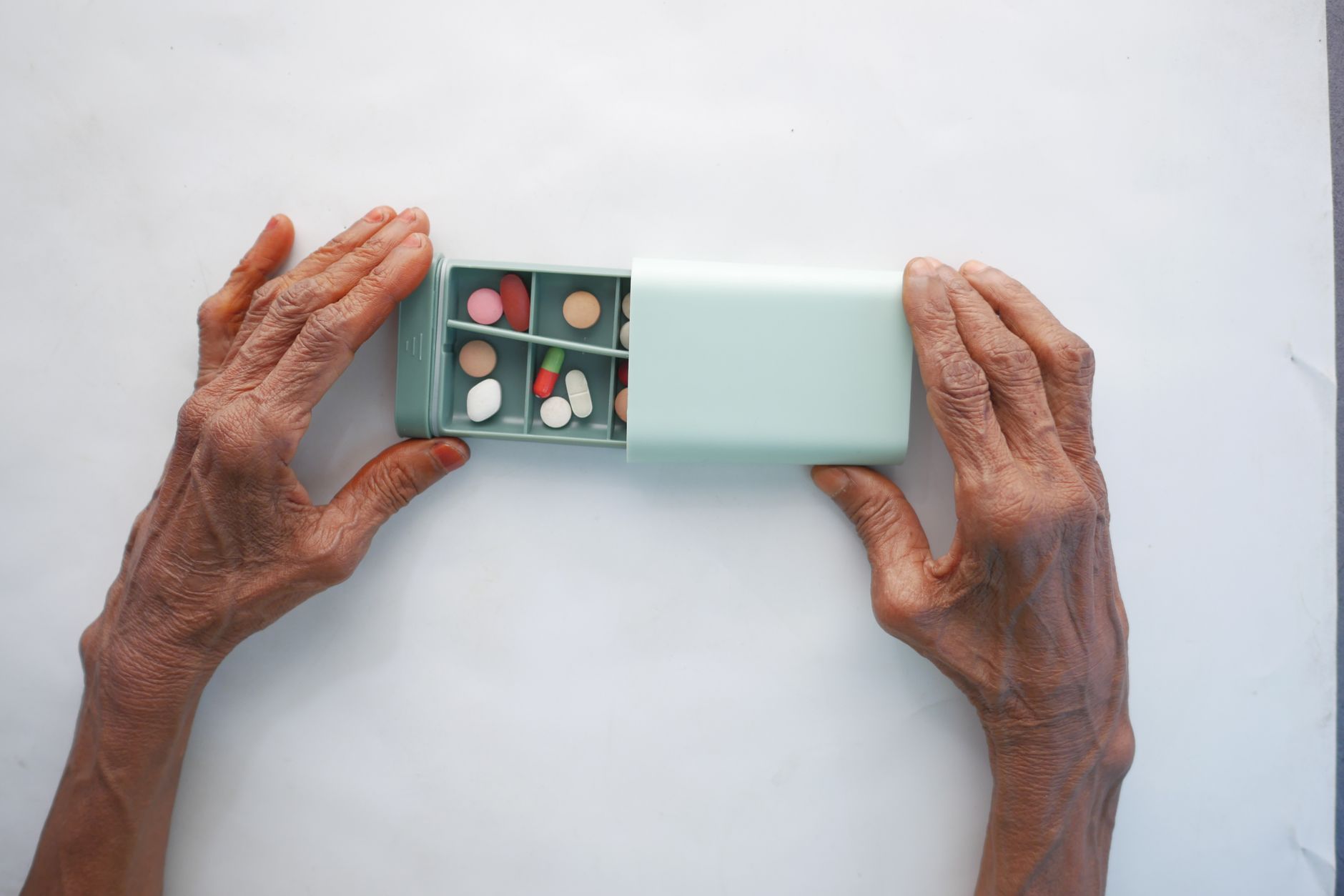
People who age better than average often have fewer medications. This isn’t because they’re necessarily healthier—it’s because uncontrolled medical conditions, polypharmacy (taking many medications), and medication side effects can accelerate decline. A 75-year-old taking one or two medications for blood pressure and cholesterol has different aging trajectory than someone taking eight medications for multiple chronic conditions, especially if those medications cause cognitive side effects, dizziness, or fatigue. This is complicated, though. Some medications are essential. A person with heart disease or diabetes needs medication. The issue is medication management and side effects.
Someone who takes their medications consistently, sees their doctor regularly, and monitors symptoms ages better than someone who skips medications, delays appointments, or experiences preventable medication complications. Additionally, medication interactions and age-related changes in how the body processes drugs can cause problems. A dose that was safe at 60 might be too high at 80. A medication that caused no side effects at 70 might impair balance at 80. A crucial warning: the more medications someone takes, the higher the risk of falls, confusion, and adverse drug interactions. This is especially true for medications that affect the nervous system (sedatives, pain medications, some blood pressure medications). A person experiencing dizziness, confusion, or frequent falls should always have their medications reviewed, ideally by a geriatrician or pharmacist. Aging well sometimes means taking medication strategically—using the minimum necessary, regular review to eliminate unnecessary drugs, and watching for side effects that might be worse than the condition being treated.
Social Engagement and Its Role in Successful Aging
The research on loneliness and aging is striking. Social isolation predicts decline in cognitive function, physical health, and independence. A person with strong friendships, regular family contact, and community involvement ages significantly better than someone who is isolated. This isn’t just about quality of life—social engagement directly affects biological outcomes.
People with strong social connections have lower rates of depression, better immune function, lower blood pressure, and better cognitive outcomes. A 78-year-old who participates in a book club, volunteers, regularly visits family, and has lunch with friends maintains sharper cognition and better physical health than an isolated 78-year-old, even accounting for baseline health. Someone who remains involved in their community, maintains relationships, and continues being needed—whether as a grandparent, friend, or volunteer—has stronger reasons to maintain their health and independence. Conversely, someone who loses a spouse, moves away from friends, or retires abruptly often experiences rapid decline in the following years. The psychological and social factor matters as much as the physical.
Future Outlook and Changing Standards for Aging Well
The definition of aging well is shifting. Fifty years ago, someone in their 70s who couldn’t work, spent time at home, and had mobility limitations was considered “old.” Today, many 70-year-olds travel, work, exercise regularly, and live active lives. This isn’t because we’re biologically different—it’s because we have more options and fewer assumptions about what aging should look like. Modern hearing aids, joint replacements, medications, and physical therapy enable people to maintain capacity that previous generations lost.
This changing standard means it’s never too late to improve your trajectory. A 65-year-old who hasn’t been active can start an exercise program and significantly improve function within months. Someone who avoided their hearing problem can get hearing aids and re-engage socially. Someone who stopped learning can take a class, join a group, or learn a new hobby. While early habits matter—someone who maintained activity their whole life has advantages—the aging process itself is responsive to current behavior far more than most people assume.
Conclusion
Aging better than average is visible in concrete ways: physical capacity to handle stairs and carry things, mental clarity and engagement, regular sleep and energy, strong social connections, and the ability to manage independence. These signs often appear in combination because they’re linked. Social engagement supports physical activity, which improves sleep, which enhances cognitive function. Conversely, decline often cascades: one limitation creates another. The goal isn’t to age perfectly or avoid all decline. It’s to maintain the physical and cognitive capacity for independence and to keep doing the things that matter: spending time with people we care about, engaging with our communities, and managing our own lives.
The practical next step is assessing where you stand today. Can you walk easily? Do you sleep well? Are you active socially and mentally? Do you have energy for things you enjoy? If you’re struggling in some areas, that’s information worth acting on. Most of the markers of aging well are responsive to change. Exercise improves strength and balance. Social engagement reverses cognitive decline. Proper sleep supports everything. Aging better than average isn’t luck—it’s the result of habits, choices, and the willingness to use available tools and support to maintain independence.