
Staying independent after 60 requires 25 key habits that address physical health, cognitive function, social connection, financial stability, and practical home management. These habits are not about being superhuman—they’re about making deliberate choices in daily routines that prevent the incremental decline that forces dependence on others. Someone who walks three times a week, maintains a social calendar, manages medications consistently, and stays engaged in learning is far more likely to remain independent at 75 than someone who doesn’t practice these habits, even if their baseline health is similar.
The distinction is important: independence isn’t about doing everything alone, but about maintaining enough physical capability, mental sharpness, and social support that you can make your own decisions and direct your own life. A 62-year-old who joins a water aerobics class, learns to use a smartphone for video calls, and has neighbors who check on her is living independently, even though she uses some support services. In contrast, someone who isolates at home, neglects preventive health care, and avoids learning new skills often becomes dependent much earlier.
Table of Contents
- Why Daily Movement and Strength Matter More After 60
- Managing Health Proactively Instead of Reactively
- Staying Socially Connected and Mentally Engaged
- Creating a Home Environment That Supports Independence
- Managing Finances and Paperwork Independently
- Building a Reliable Health and Safety Network
- Adapting and Learning Throughout the Aging Process
- Conclusion
- Frequently Asked Questions
Why Daily Movement and Strength Matter More After 60
Movement is the single strongest predictor of independence in older adults. People who maintain muscle mass and balance can manage stairs, carry groceries, get up from a chair without assistance, and recover from minor falls. The problem is that muscle loss accelerates after age 50—you lose about 3 percent of muscle mass per decade unless you actively work against it. Walking alone isn’t enough; you need resistance training, stretching, and balance work to stay capable. One habit that makes a measurable difference is doing bodyweight exercises or light weights two to three times per week. This doesn’t require a gym.
A 68-year-old can do squats, wall push-ups, and step-ups while watching television, or follow a free YouTube video designed for older adults. The alternative is noticeable: people who skip strength training often start having trouble with everyday tasks like opening jars, stepping into a bathtub, or pushing a grocery cart by age 70. Balance exercises are equally critical and often overlooked. Standing on one leg for 30 seconds, walking heel-to-toe in a line, or using a resistance band for lateral leg lifts directly reduce fall risk. A single fall can trigger a cascade of dependence—broken hip, surgery, physical therapy, loss of confidence, reduced mobility. Someone who practices balance work can recover from a trip and keep moving; someone who doesn’t might sustain an injury that changes everything.

Managing Health Proactively Instead of Reactively
staying independent after 60 means catching health problems early, before they become disabling. People who have regular check-ups, track their blood pressure, manage chronic conditions, and follow preventive care guidelines stay functional longer than those who ignore symptoms until they become emergencies. This is not about medical dependence—it’s about preventing the injuries, strokes, and infections that force reliance on others. A concrete habit is taking medications exactly as prescribed and keeping an updated list. This sounds basic, but missed doses of blood pressure medication or blood thinners can cause strokes or dangerous bleeding; taking antibiotics incompletely can lead to recurring infections.
People who use a pill organizer, set phone reminders, or have a pharmacist review their medications stay out of the emergency room far more often than those who don’t. The limitation here is that managing medications requires some cognitive function and organizational ability—people with significant memory loss may need support, and pretending otherwise can be dangerous. Another critical habit is getting preventive screenings: blood pressure checks, cholesterol screening, cancer screenings, bone density tests, and eye exams. Many people skip these because they feel fine, but high blood pressure has no symptoms until it causes a stroke, and vision loss sneaks up gradually. Someone who catches vision problems early can adjust their home, use better lighting, or get corrective lenses; someone who becomes severely vision-impaired suddenly often becomes dependent very quickly.
Staying Socially Connected and Mentally Engaged
Isolation is as predictive of decline as physical inactivity. People with regular social contact, a sense of purpose, and mental engagement live longer, stay sharper, and maintain independence longer than isolated peers. The mechanism is both physical (stress hormones, inflammation) and practical (people who know others notice if you stop answering the phone and reach out for help). One habit that matters is maintaining at least one regular social commitment—a weekly coffee with a friend, a volunteer shift, a class, or a community group. This does two things: it gets you out of the house and gives you something to do besides dwell on your own aging. A 67-year-old who volunteers at a library three hours a week not only has social contact but also feels purposeful and stays mentally active.
Someone who stays home watching television, by contrast, declines both mentally and physically. Learning new skills—whether a language app, a new craft, an online course, or a musical instrument—keeps the brain plastic and engaged. The specific skill doesn’t matter as much as the challenge. People who try new things stay sharper, retain more independence, and report higher quality of life than those who stick to familiar routines. The trade-off is that learning something new is harder at 65 than at 35, and the pace of progress feels slower. But the payoff—maintained cognitive function and a sense of growth—makes the effort worthwhile.

Creating a Home Environment That Supports Independence
Your home becomes more important as you age because you spend more time in it. Small environmental changes—removing trip hazards, improving lighting, installing grab bars, making sure essential items are within reach—directly reduce falls and injuries that force dependence. This is preventive, not reactive. Practical habits include regular home maintenance and decluttering. Someone who gets rid of loose rugs, cords, and stacked items reduces fall risk significantly. Someone who installs nightlights in hallways and bathrooms is far less likely to have a dangerous fall in the dark.
These seem like small things, but the cumulative effect is enormous. A 70-year-old with a well-lit, clutter-free home and grab bars in the bathroom can shower, move around, and live independently; someone with a dark, chaotic home with hazards may become too afraid to move confidently. Another habit is keeping your home at a comfortable temperature and well-maintained. HVAC problems, plumbing leaks, or poor insulation are not just comfort issues—they’re safety issues. Someone who can’t regulate temperature might develop hypothermia or heat-related illness; someone with water damage might develop mold and respiratory problems. Regular maintenance and the habit of addressing problems quickly (rather than letting them accumulate) prevents the living situation from degrading into something unsuitable.
Managing Finances and Paperwork Independently
Cognitive independence is tied to financial independence. People who manage their own finances, understand their bills, and can make financial decisions maintain a sense of agency and control. As cognitive function declines, financial vulnerability increases—scams, unintentional overspending, missed bills, or poor decisions about care become real risks. A key habit is staying organized: keeping important documents accessible, understanding your income and expenses, and having a simple system for bills. Someone who uses online banking and sets up automatic payments for regular bills reduces the mental load and ensures nothing gets missed.
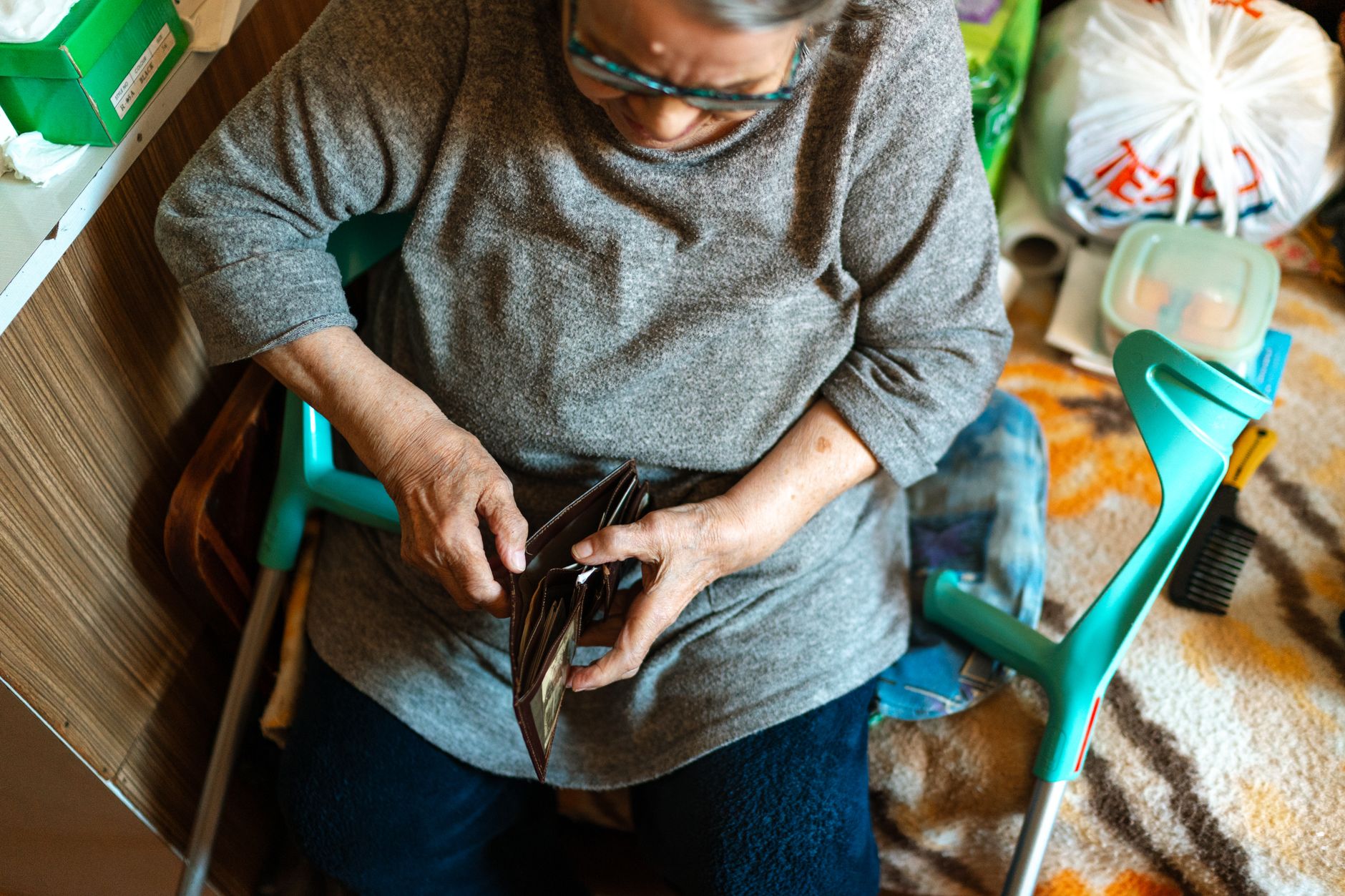
This isn’t about being wealthy—it’s about not losing money or credit because of disorganization. A warning: if cognitive decline is already significant, this habit alone may not be sufficient, and formal help may be needed. But for people in their 60s and 70s with normal cognition, staying on top of finances is an independence habit that pays off. Another aspect is reviewing insurance, beneficiaries, and power of attorney documents while you’re healthy and thinking clearly. Many people put this off until it’s too late, which forces family members or the state to make decisions on their behalf. Someone who designates a financial power of attorney, updates their will, and discusses their wishes with family maintains autonomy even if health problems arise later.
Building a Reliable Health and Safety Network
Independence doesn’t mean isolation—it means having people who know you and can respond if something goes wrong. A practical habit is making sure trusted people know how to reach you, where you keep important documents, and what your health wishes are.
Someone who checks in regularly with a friend or family member, or who uses a medical alert device, has a safety net without losing autonomy. A 75-year-old who has a neighbor she talks to daily, a doctor she sees regularly, and a family member who knows her medical history can live alone safely; someone with no network is at much higher risk. The habit is simple but important: maintaining at least 2-3 people who know you and would notice if you stopped responding.
Adapting and Learning Throughout the Aging Process
Independence after 60 is not static—it requires ongoing adaptation. Vision changes, hearing loss, arthritis, and reduced stamina happen to almost everyone. The habit of accepting these changes and adapting (hearing aids, stronger glasses, ergonomic tools) keeps people functional. Someone who uses a hearing aid, gets regular glasses updates, and uses adaptive tools like jar openers and long-handled reachers stays capable.
Someone who refuses to adapt often gives up more independence than necessary. A forward-looking aspect of this is staying open to technology that supports independence: video calling to maintain relationships, medication reminders on phones, online grocery ordering, or home monitoring devices. People who learn to use one piece of technology tend to be more open to others, and the cumulative effect extends independence significantly. Someone who can order groceries online, video call grandchildren, and use a fall-detection device has tools their peers without tech skills don’t have.
Conclusion
The 25 habits that support independence after 60 cluster around five areas: physical capability (movement, strength, balance), health management (preventive care, medications, screenings), mental engagement (learning, social connection, purpose), home environment (safety, maintenance, accessibility), and support systems (relationships, finances, advance planning). None of these habits requires extraordinary effort, but all of them require consistency. The person who walks three times a week, maintains social connections, manages their health, lives in a safe home, and has people who know them will stay independent far longer than someone who doesn’t practice these habits.
The practical starting point is choosing two or three habits to focus on—perhaps adding a weekly social commitment, starting a movement routine, and getting a health screening if you haven’t had one recently. Small, consistent changes compound over years. The goal is not to live forever unchanged, but to maintain the physical capability, mental clarity, social connection, and practical support that allow you to make your own decisions and direct your own life, well into your 80s and beyond.
Frequently Asked Questions
What’s the most important habit if I can only focus on one?
Staying physically active, particularly strength and balance training, has the largest impact on maintaining independence. Physical capability enables everything else—you can get to appointments, manage your home, maintain social connections, and respond to emergencies. Without physical capability, other habits become harder to practice.
Can I regain independence after I’ve started to decline?
Yes, but it becomes harder. Someone who has been sedentary for years can rebuild some strength and capability with consistent exercise, but the recovery is slower and the baseline is lower. This is why starting earlier is better. That said, it’s never too late to start—people in their 80s who begin exercise programs show measurable improvement.
How do I know if I need to ask for help?
You need help when you can’t safely manage a task alone—not just when it’s inconvenient. If you can’t safely climb stairs, bathe, or manage medications without risking injury or mistakes, that’s the threshold. Asking for help at this point is maintaining independence through smart support, not giving it up.
What if I have cognitive decline or memory loss?
These habits become harder to practice alone, and external support becomes necessary earlier. Working with a doctor, a care manager, or family members to set up systems (medication management, bill payment, home monitoring) preserves autonomy while acknowledging real limits. The goal shifts from independent habit management to supported decision-making.
Are there habits I should avoid after 60?
Yes. Isolation, sedentary lifestyle, neglecting preventive health care, refusing to adapt to changes (hearing loss, vision loss), and ignoring home safety hazards are all predictive of decline. Also avoid taking on risk for the sake of independence—using a ladder to clean gutters at 75 is not independence, it’s unnecessary risk-taking.
How long before these habits show results?
Movement habits show results in 4-6 weeks in terms of strength and energy. Social engagement and cognitive engagement show benefits almost immediately in mood and mental clarity. Health screening results vary, but preventive screenings often identify issues before symptoms appear. Consistency matters more than dramatic change—small, regular habits over years create the stability that maintains independence.