
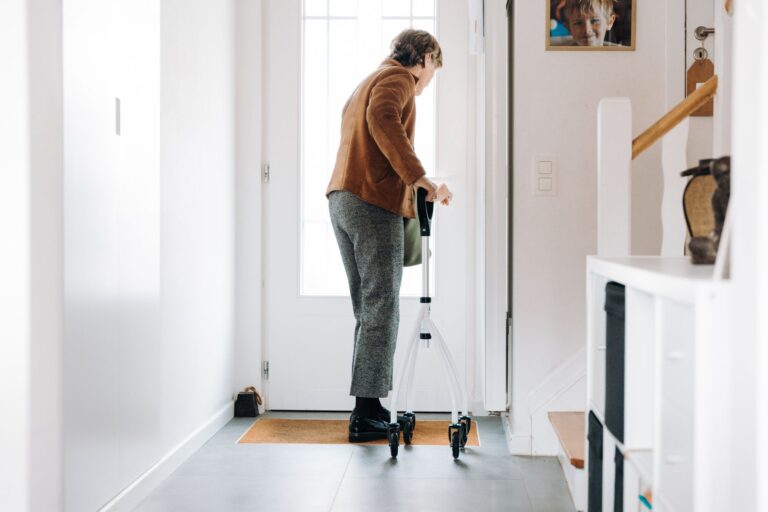
How Walking Keeps You Independent
Walking is one of the most direct routes to maintaining independence as you age. Regular walking preserves your ability to move around your home, run...
Walking is one of the most direct routes to maintaining independence as you age. Regular walking preserves your ability to move around your home, run...
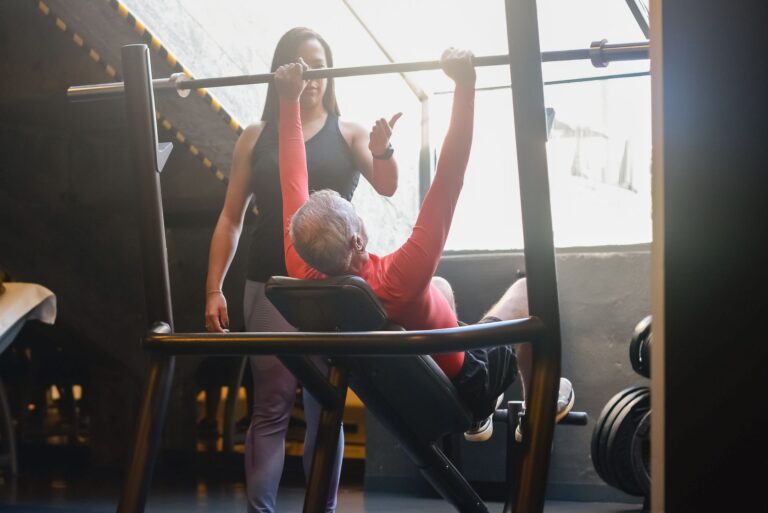
Exercise slows aging at the cellular level by preserving the function of your mitochondria—the energy-producing structures inside your cells—and by...

Common mistakes that speed up aging are habits many of us practice daily without realizing their cumulative damage: sitting for most of the day, skipping...
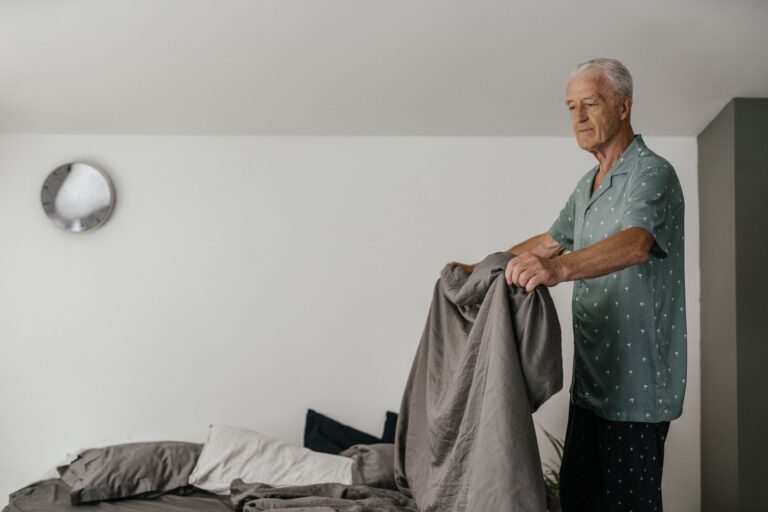
The best daily routine for seniors centers on consistent movement, adequate nutrition, and purposeful structure—not drastic fitness overhauls or...
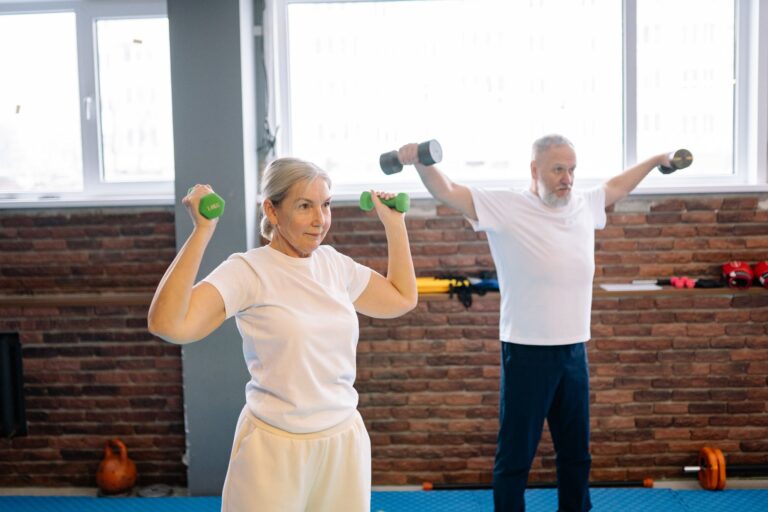
A healthy aging checklist is a practical tool that helps you track the essential areas of physical health, mental wellness, safety, and independence that...

Living longer and living better are not the same thing, and that distinction matters more than most people realize.
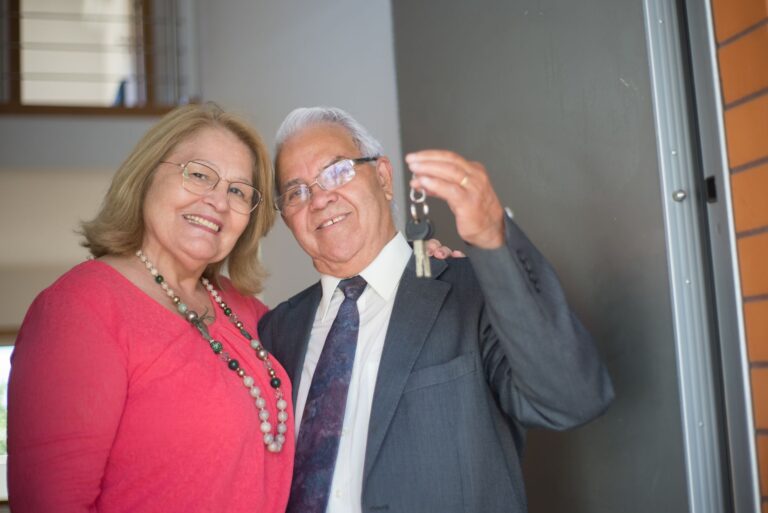
Successful aging isn't about staying young—it's about maintaining the physical ability, mental sharpness, social connections, and environmental support...

Staying young at heart isn't about denying your age or pretending the years haven't passed. It means maintaining curiosity, openness, and the ability to...

The best lifestyle for aging well centers on three interconnected pillars: maintaining physical and cognitive activity, building and sustaining meaningful...
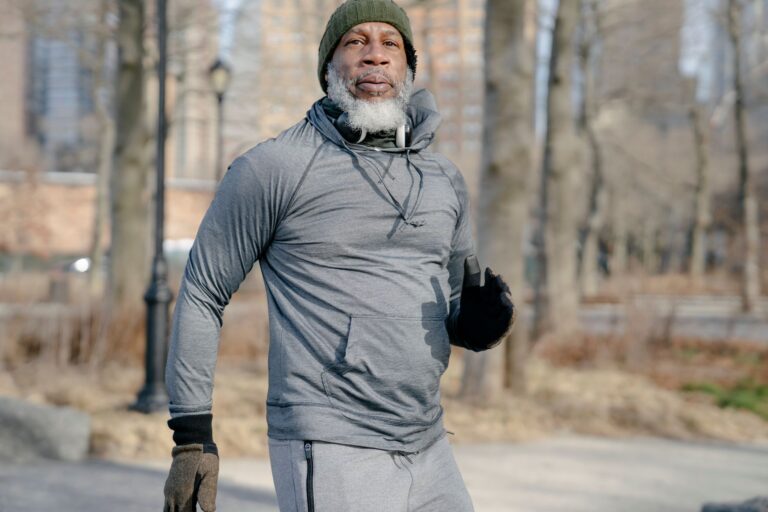
Many of the beliefs we hold about growing older are not supported by science and can actually harm our health, mobility, and independence.