
The answer is straightforward: simple daily habits add measurable years to your life. Recent research from the University of Sydney analyzing data from over 59,000 older adults shows that small changes—adding just five more minutes of sleep, two minutes of exercise, or a couple of tablespoons of vegetables to your daily routine—can each extend your life by approximately one year. These aren’t dramatic overhauls or expensive interventions. They’re the kind of adjustments most people can actually sustain, which is precisely why they work. What makes this research significant for aging adults is the emphasis on small increments rather than perfect adherence to ideal standards.
If you’ve struggled with dramatic lifestyle changes in the past, this research offers genuine hope. Adding 24 minutes of sleep daily, about four minutes of vigorous exercise, or an extra cup of vegetables along with a serving of whole grains can extend your health span by four years. These aren’t rounding errors—they’re measurable additions to both how long you live and how well you live during those years. Consider Margaret, a 68-year-old who increased her nightly sleep from six to six-and-a-half hours and added a 15-minute walk after lunch. Within six months, her energy levels improved noticeably, and she reported feeling more stable on her feet. She wasn’t running marathons or overhauling her diet; she made two adjustments that the research suggests could add years to her independence and quality of life.
Table of Contents
- HOW MUCH DO SMALL DAILY CHANGES ACTUALLY ADD TO YOUR LIFESPAN?
- UNDERSTANDING THE DEEPER HEALTH GAINS BEYOND SIMPLE LIFESPAN NUMBERS
- THE ROLE OF MOVEMENT IN DAILY LONGEVITY
- NUTRITION AS A DAILY PRACTICE, NOT A DIET
- SLEEP AS A NEGLECTED PILLAR OF DAILY LONGEVITY
- HOW HABIT STACKING MULTIPLIES THE BENEFITS
- BUILDING A REALISTIC IMPLEMENTATION TIMELINE
- Conclusion
HOW MUCH DO SMALL DAILY CHANGES ACTUALLY ADD TO YOUR LIFESPAN?
The numbers are counterintuitive enough that they’re worth repeating. Adding as little as five more minutes of sleep daily could add approximately one year to life expectancy for people with poor lifestyle habits. For exercise, adding just two more minutes of vigorous or moderate activity per day could add one year to life expectancy. For nutrition, eating an extra couple of tablespoons of vegetables daily or skipping one serving of processed meat per week could add approximately one year to life. These aren’t theoretical maximums for people who make perfect changes—these are realistic increments that evidence shows actually happen. The University of Sydney study tracked these specific interventions across thousands of older adults, making the findings particularly relevant to anyone over 50. The research controlled for baseline fitness levels, diet quality, and other factors, which means the improvements held true even when people started from lower baseline health.
This matters because it means you don’t need to be an athlete or have been a healthy eater your whole life for these habits to benefit you. An 72-year-old who currently sleeps five hours nightly and takes almost no deliberate exercise can still see measurable gains by adding these increments. One limitation to understand: these additions don’t compound infinitely. The research doesn’t suggest that adding 100 minutes of sleep daily will add 20 years. The benefits follow a curve, with the greatest gains coming from the first meaningful increases. Additionally, the study looked at general mortality risk, not disease-specific outcomes. A person with advanced heart disease or other conditions might see different results. The broader point holds, though: starting somewhere is dramatically better than waiting for perfection.

UNDERSTANDING THE DEEPER HEALTH GAINS BEYOND SIMPLE LIFESPAN NUMBERS
When researchers talk about adding years to your life, they’re really measuring something deeper: the relationship between daily habits and disease risk. A 2024 study analyzing data from over 20 million people found that improving aerobic fitness—even by small amounts—lowered all-cause mortality risk by 11 to 17 percent and reduced heart failure risk by up to 18 percent. That’s not just living longer; that’s living with fewer major health crises interrupting your daily independence. Harvard T.H. Chan School of Public Health followed more than 100,000 participants over decades and found that people adopting five key lifestyle habits by age 50—eating a healthy diet, exercising regularly, maintaining a healthy body weight, avoiding smoking, and drinking alcohol in moderation—gained more than a decade of life free from major chronic diseases. The word “free” matters. It’s not just extra years; it’s extra years without diabetes diagnosis, without major cardiac events, without the mobility losses that often come with untreated chronic illness.
For someone focused on aging in place and maintaining independence, that’s the real prize. A significant warning: these studies measure average effects across populations. Individual results vary enormously based on genetics, existing health conditions, access to healthcare, and socioeconomic factors. Someone with a strong family history of early heart disease might see greater cardiac benefits from exercise than someone without that risk. Someone with sleep apnea might find that simply adding more sleep doesn’t help unless the underlying condition is treated. The habits work, but they work within the context of your individual biology and circumstances. If you have existing health conditions, these habit changes should complement medical care, not replace it.
THE ROLE OF MOVEMENT IN DAILY LONGEVITY
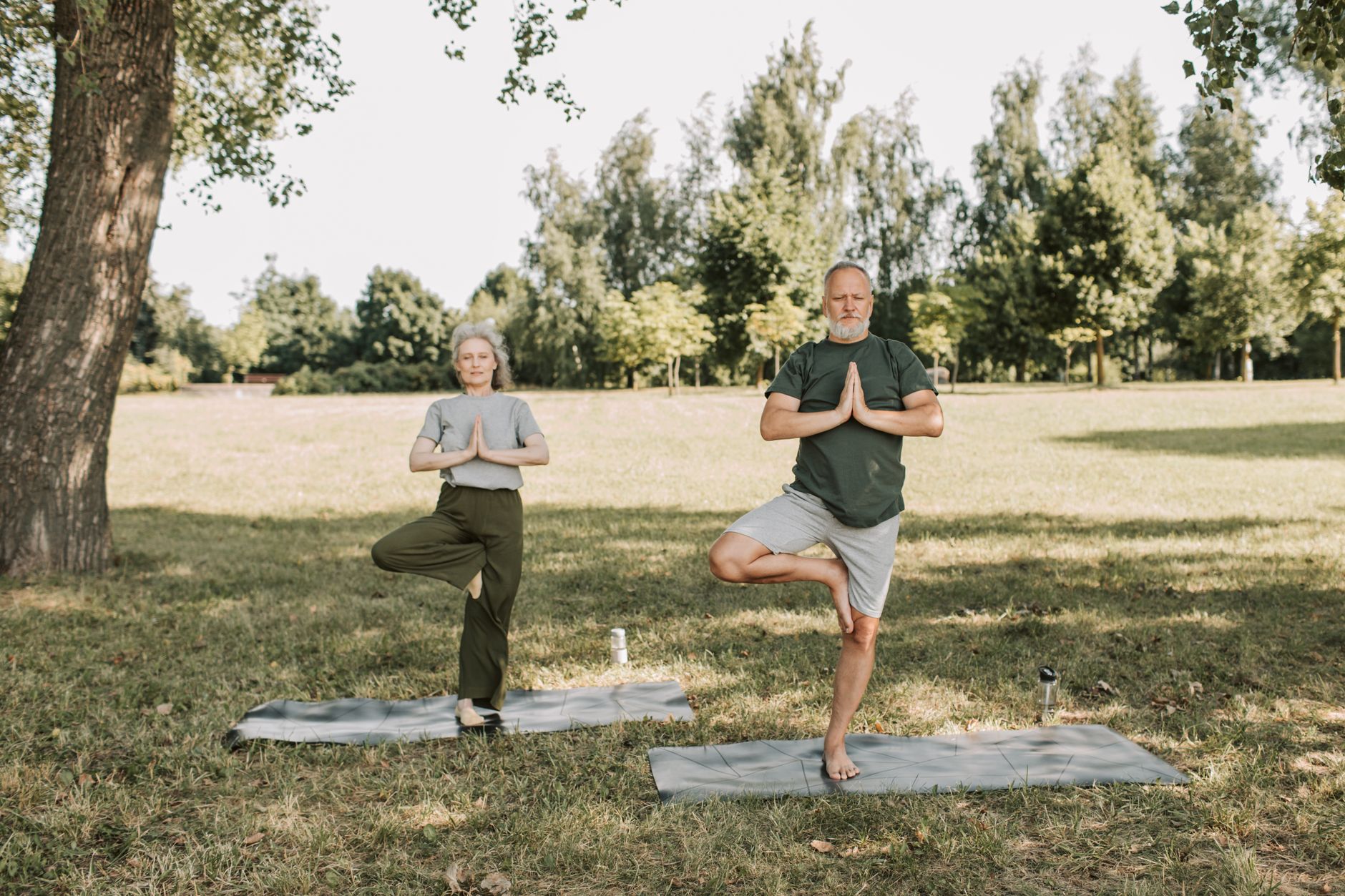
Exercise is the habit most people think they understand but often underestimate. The University of Sydney research wasn’t talking about intense workouts. They were measuring what happens when someone currently sedentary adds two minutes of moderate or vigorous activity per day. That could be a slightly brisker walk, a few flights of stairs, or even sustained yard work. It doesn’t require a gym membership or special equipment. The mechanism is relatively straightforward. Regular movement—even gentle movement—maintains muscle mass, improves cardiovascular efficiency, helps regulate blood sugar, and strengthens balance and coordination. For older adults, that last benefit is critical.
A fall at 75 carries very different consequences than a fall at 35. Maintaining the strength and proprioception to prevent falls or to recover from them directly translates to staying in your home longer and maintaining independence. Someone who adds a daily walk and does simple balance exercises builds a buffer against the mobility loss that often precipitates a move to assisted living. One practical limitation people face: weather, joint pain, or transportation barriers can interrupt exercise habits. A person living in a region with harsh winters might maintain movement habits indoors, but the routine changes, and consistency suffers. Similarly, arthritis or other pain conditions can make the same activity that felt manageable last month feel painful this month. The research assumes consistent participation, but real life is more variable. Building flexibility into your habit—having indoor alternatives, adjusting intensity as needed, and accepting that some weeks will look different than others—actually increases long-term adherence better than rigid plans.
NUTRITION AS A DAILY PRACTICE, NOT A DIET
The nutrition data might be the most approachable because it doesn’t require anyone to follow a specific diet. Adding an extra couple of tablespoons of vegetables daily, skipping one serving of processed meat per week, or including an additional cup of vegetables and a serving of whole grains daily all show measurable health benefits. These are incremental changes to what you’re already eating, not wholesale replacement of your current diet. The reason nutrition works as a longevity habit is that it directly influences the systems most likely to cause death or disability in older age: cardiovascular system, metabolic health, and cognitive function. Vegetables provide fiber, which supports gut health and cholesterol management. Whole grains stabilize blood sugar, reducing diabetes risk. Reducing processed meat reduces sodium intake and eliminates certain inflammatory compounds.
These aren’t revolutionary insights, but the research quantifies exactly how much benefit you get from exact changes, which makes it possible to set realistic expectations. Here’s an important distinction: adding vegetables doesn’t require eliminating foods you enjoy. Someone who loves beef can reduce portion size slightly and add more vegetables to the plate rather than cutting beef entirely. Someone with limited cooking capacity due to mobility or cognitive issues can use frozen vegetables, which retain nearly all nutritional value and require minimal preparation. The barrier people often encounter is believing they have to achieve an ideal diet to see benefit. The research suggests that modest improvements in an imperfect diet still add years. A 74-year-old who currently eats almost no vegetables and starts adding vegetables to two meals per day is making a meaningful change, even if a nutritionist would recommend more.
SLEEP AS A NEGLECTED PILLAR OF DAILY LONGEVITY
Sleep is perhaps the most underestimated longevity habit, partly because it doesn’t feel like you’re “doing” anything. The University of Sydney research found that adding as little as five more minutes of sleep daily adds approximately one year to life expectancy. Adding 24 minutes daily could extend health span by four years. For older adults, who often struggle with sleep quality or duration due to pain, medication side effects, or changing sleep architecture, this finding is particularly relevant. Sleep affects nearly every system in the body. During sleep, the brain clears metabolic waste products, including proteins associated with Alzheimer’s disease. The immune system strengthens.
Hormones that regulate hunger, stress response, and metabolism reset. For older adults, good sleep is also protective against falls—fatigue impairs balance and increases risk of stumbling. Someone sleeping five hours per night who increases to six or six-and-a-half hours is reducing their risk of cognitive decline, immune dysfunction, and falls simultaneously. One reality check: sleep quality often matters more than sleep quantity, and older adults frequently struggle with sleep quality even when given adequate time in bed. Conditions like sleep apnea, medication side effects, chronic pain, or anxiety can make adding “more sleep” more complicated than the research suggests. If adding more sleep time doesn’t improve your daytime function or if sleep remains fragmented despite more time in bed, a conversation with a healthcare provider about underlying sleep disorders is worthwhile. Simply going to bed earlier might help, but it might not address the actual problem preventing good rest.

HOW HABIT STACKING MULTIPLIES THE BENEFITS
The real power of these daily habits emerges when they interact with each other. Adding sleep, movement, and nutrition changes simultaneously creates compounding effects that exceed the sum of their parts. Someone who sleeps better has more energy for activity. Someone who moves regularly has better appetite regulation and sleep quality. Someone eating more vegetables has better energy and improved digestion, which supports better sleep.
Consider a real example: a 70-year-old adds a 20-minute walk after lunch (meeting the exercise increment), includes an extra serving of vegetables with dinner (meeting the nutrition increment), and moves bedtime 30 minutes earlier (approaching the sleep increment). Individually, each change might add roughly one year to life expectancy. But together, they’re likely to also improve mobility, reduce joint stiffness, improve mood through both exercise and sunlight exposure during the walk, stabilize blood sugar (reducing diabetes complications), and improve sleep quality. The person might also report feeling more confident in their balance and strength, which further supports staying active. These habits reinforce each other in ways that pure addition doesn’t capture.
BUILDING A REALISTIC IMPLEMENTATION TIMELINE
The research showing how much these habits add to lifespan is meaningful, but the practical question is how to actually start and maintain changes. People often fail not because the habits are unsustainable but because they try to change everything simultaneously. Starting with one adjustment—perhaps a daily walk or adding vegetables to lunch—allows you to establish the pattern before adding the next change. A realistic timeline might look like: Week 1-2, establish one habit (perhaps an extra 15-minute walk). Week 3-4, add a second habit (perhaps adding vegetables to one meal daily). Week 5-6, layer in the third (perhaps moving bedtime 15 minutes earlier).
By eight weeks, you’ve built three significant habits that together could add multiple years to your life, but you’ve done so gradually enough that none of them felt like a dramatic upheaval. This approach is far more likely to last than trying to overhaul everything at once. The forward-looking insight from this research is that longevity isn’t a destination you arrive at through heroic effort; it’s a direction you move toward through accumulated small choices. At 60, 70, or 80, you don’t need to become someone else. You need to become slightly different from who you were yesterday, and then do that again tomorrow. The research proves that those tiny differences actually matter.
Conclusion
The daily habits that add healthy years to your life are not secrets, and they’re not dramatic. Adding small amounts of sleep, movement, and vegetables to your current routine can each extend your life by approximately one year, with compounds gains reaching four years for more substantial increments. The University of Sydney research and the broader body of evidence from studies tracking hundreds of thousands of participants shows that consistency matters far more than perfection, and that starting from wherever you currently are produces real benefits.
What makes these habits particularly valuable for aging adults is that they address the factors most likely to determine quality of life in later years: the ability to move independently, resist chronic disease, maintain cognitive function, and avoid the falls and immobility that often accelerate decline. You don’t have to achieve ideal fitness, eat perfectly, or optimize every aspect of sleep to see genuine gains. Start with one habit, let it settle in, then add another. Weeks and months of these small adjustments compound into years of additional independence, vitality, and time with the people you care about.