
Staying active after retirement requires building a sustainable routine that fits your new schedule and physical abilities, not attempting to match your pre-retirement pace. The most effective approach combines low-impact movement with social engagement and activities that matter to you personally—whether that’s gardening, walking with friends, or volunteering. For example, a 68-year-old who retired from office work might walk to the farmer’s market twice a week, attend a Tuesday morning yoga class, and spend afternoons on a woodworking project, maintaining both physical fitness and mental engagement without the pressure of formal exercise.
The common misconception is that retirement means slowing down inevitably. In reality, retirees who structure their time around activities they genuinely enjoy—rather than forcing themselves into a gym routine—tend to remain more active long-term. Movement after retirement works best when it’s woven into daily life rather than treated as a separate obligation.
Table of Contents
- WHAT TYPES OF ACTIVITY WORK BEST FOR RETIRED ADULTS?
- HOW PHYSICAL LIMITATIONS AND HEALTH CONDITIONS AFFECT ACTIVITY CHOICES
- HOW SOCIAL ENGAGEMENT SUSTAINS LONG-TERM ACTIVITY
- STRUCTURING YOUR WEEKLY ROUTINE FOR SUSTAINABLE ACTIVITY
- INJURY PREVENTION AND WHEN TO MODIFY ACTIVITY
- VOLUNTEERING AND PURPOSEFUL ACTIVITY
- ADAPTING ACTIVITY AS YOU AGE FURTHER
- Conclusion
- Frequently Asked Questions
WHAT TYPES OF ACTIVITY WORK BEST FOR RETIRED ADULTS?
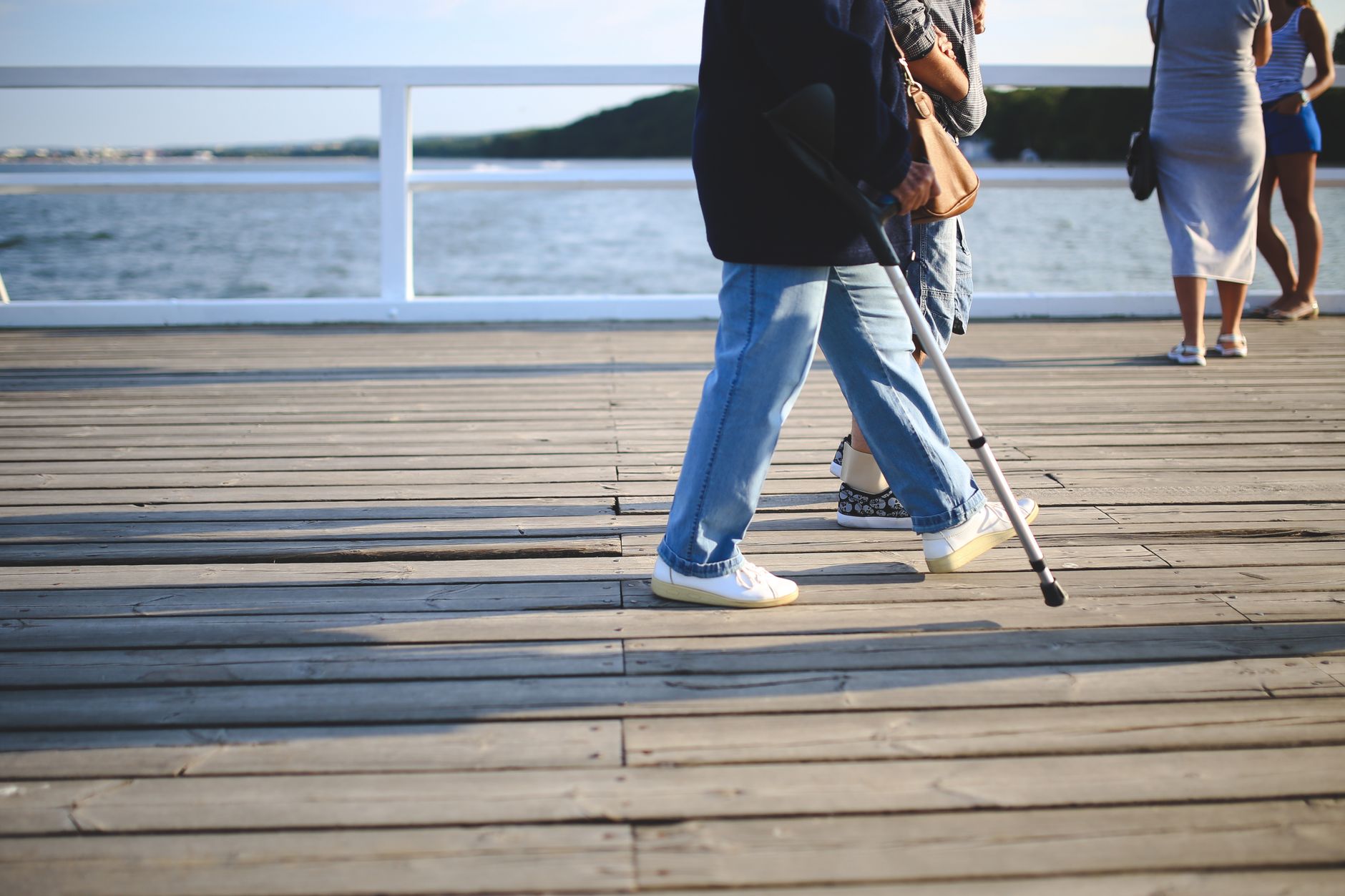
The most sustainable activities for retirees are those that can be done regularly without requiring a gym membership, specialized equipment, or a significant financial commitment. Walking remains the single most effective activity: it’s free, requires no training, builds cardiovascular health, and fits into daily errands. A retired person can walk to the grocery store, meet a friend at a park, or take a neighborhood loop after breakfast without treating it as “exercise.” Beyond walking, activities that combine movement with social connection tend to stick. Line dancing classes, water aerobics, tai chi, pickleball, or gardening clubs all provide the dual benefit of staying physically active while reducing the isolation that some retirees face.
Compared to gym-based fitness, these activities are often more affordable, feel less intimidating, and create accountability through social relationships rather than membership fees. A 75-year-old attending a weekly water aerobics class at the community center, for instance, is likely to keep showing up because her friends expect her there—not because she made a New Year’s resolution. Household activities and yard work, often overlooked, provide significant physical activity. Raking leaves, washing windows, mopping floors, and yard maintenance all build strength and endurance in ways that feel purposeful rather than obligatory.

HOW PHYSICAL LIMITATIONS AND HEALTH CONDITIONS AFFECT ACTIVITY CHOICES
Retirement often brings new physical realities—arthritis, reduced balance, joint pain, or lingering effects from previous injuries. Ignoring these limitations leads to injury; pretending they don’t exist is a common mistake. A person with osteoarthritis in the knees, for example, may find cycling or swimming far more comfortable than running or high-impact aerobics, even though running was their preferred activity decades ago. Health conditions also interact with activity in ways that require adjustment. Someone managing diabetes needs to understand how different activities affect blood sugar and medication timing. A person with hypertension must avoid activities that spike blood pressure excessively.
Heart disease survivors need guidance on intensity levels. The limitation isn’t that these people can’t stay active—it’s that their activity needs to be informed by their actual health status, often requiring a conversation with their doctor about what’s safe. This is different from a healthy 60-year-old choosing activities for fun; medical guidance is essential, not optional. Balance and fall risk become more significant after retirement, especially for those in their late 70s and beyond. Activities like yoga, tai chi, and strength training specifically target balance and can reduce fall risk, but they must be taught correctly. An improperly performed strength exercise can injure rather than help.
HOW SOCIAL ENGAGEMENT SUSTAINS LONG-TERM ACTIVITY
The retirees who remain most active are often those whose activities involve other people. Solitary exercise routines have high dropout rates; group activities have significantly higher persistence. A walking group that meets three mornings a week creates mutual accountability—missing means letting down your walking partners. A volunteer position that requires you to show up on specific days embeds activity into your weekly structure. This social dimension addresses more than just physical fitness.
Loneliness is a serious health risk for older adults, associated with increased rates of depression, cognitive decline, and even mortality. An activity that combines movement with friendship—like joining a community garden, a seniors’ hiking group, or a mall-walking club—addresses both physical and mental health simultaneously. Compare this to buying an expensive home treadmill that ends up becoming a clothes rack: the solo activity has no social reinforcement, and without external accountability, motivation fades. One practical consideration: the activity itself matters less than consistency and enjoyment. A person who walks with a friend three times a week is healthier than someone who drags themselves to an expensive gym they resent.

STRUCTURING YOUR WEEKLY ROUTINE FOR SUSTAINABLE ACTIVITY
The key to staying active after retirement is treating movement as part of your weekly rhythm, not as an optional project you fit in when you feel like it. Building a routine requires the same intentionality you used to manage your work schedule, but with a crucial difference: flexibility. Your routine should have structure (Tuesday is water aerobics day, Saturday is yard work) but also allow for rest and adjustment based on how you actually feel. A realistic weekly structure might look like: three sessions of intentional activity (walking, a fitness class, or a sports activity), two to three days of household or yard work that provides incidental movement, and built-in rest days. This is different from a 35-year-old’s rigid training regimen because recovery becomes increasingly important with age.
Overtraining leads to injury and burnout, especially for someone whose body has more wear on it. Rest days aren’t laziness; they’re essential for adaptation and injury prevention. The tradeoff to understand: more structure increases consistency, but too much rigidity means you quit when life disrupts the routine. A 72-year-old with a walking group that meets rain or shine will likely keep showing up; someone who planned to walk only “when the weather is nice” will barely walk. Structure your activity for reality—not for an idealized version of yourself.
INJURY PREVENTION AND WHEN TO MODIFY ACTIVITY
The most common mistake retired people make is returning too aggressively to activities they haven’t done in years, or introducing new activities at too high an intensity. A person who hasn’t swum in 20 years shouldn’t start with a daily lap routine; they should build gradually over weeks. Pain that lasts more than a few hours after activity, or pain that wakes you at night, isn’t “good pain”—it’s a sign to reduce intensity or modify the movement. Proper form matters more after retirement than it did when you were younger, because recovery from injury takes longer. Taking a class with instruction, or even a few sessions with a physical therapist or trainer who understands older adults, is a worthwhile investment that prevents months of sidelining injury.
A person with poor squat form might develop knee pain that gets attributed to age when it’s actually technique. That’s reversible with correction, but only if identified. Another limitation: rest and recovery requirements increase significantly after age 70. A person who could do hard workouts back-to-back at 50 will need more recovery time between intense activity at 75. Building this reality into your routine prevents the frustration and injury that comes from pushing too hard.
VOLUNTEERING AND PURPOSEFUL ACTIVITY
Volunteering deserves specific mention because it combines physical activity with mental health benefits and social connection in a unique way. A volunteer position at an animal shelter, a community garden, a food bank, or a local organization provides regular, structured movement with the added benefit of feeling genuinely useful. This addresses the identity crisis some retirees face—the loss of the work role and the structure it provided.
A 70-year-old volunteering twice a week at a habitat restoration project is building strength through physical work, staying socially connected with other volunteers, and contributing to something meaningful. The activity doesn’t feel like “exercise” because the focus is on the work itself, not on fitness metrics. This psychological difference—treating activity as purposeful work rather than obligatory fitness—is often what makes the difference between a habit that lasts and one that fizzles.
ADAPTING ACTIVITY AS YOU AGE FURTHER
Activity patterns aren’t static across retirement. A person who at 65 regularly hikes and plays tennis may, at 80, do shorter walks and play pickleball instead. These aren’t failures or signs of decline to mourn—they’re normal adaptations.
The key is continuing to find activities that challenge you appropriately at your current level, not trying to maintain activities designed for a younger version of yourself. Technology can help with this flexibility: fitness trackers can monitor your patterns, video tutorials let you learn proper form for new activities at home, and virtual classes expand options. But the underlying principle remains: staying active is less about the specific activity and more about building movement and engagement into your daily and weekly routine, adjusting as your body changes.
Conclusion
Staying active after retirement is fundamentally about creating a sustainable rhythm that fits your actual life and body, not chasing an idealized fitness plan. The combination of regular movement, social engagement, purposeful activity, and realistic structure is what keeps retirees physically capable, mentally sharp, and socially connected. The activities themselves matter less than consistency, enjoyment, and adaptation as your needs change.
Your next step is identifying one or two activities that appeal to you—not what you think you should do, but what you might actually enjoy doing repeatedly. Start small, pay attention to how your body responds, and build from there. Staying active isn’t a project with an end date; it’s a way of living that evolves as you do.
Frequently Asked Questions
How much activity do I need after retirement to stay healthy?
Most health guidelines recommend 150 minutes of moderate activity per week (about 30 minutes on five days) or 75 minutes of vigorous activity, plus strength training twice a week. However, something is better than nothing, and consistency matters more than hitting specific targets. A person doing 100 minutes of weekly walking with friends will be healthier than someone doing nothing, even if it’s below the guideline.
I have arthritis. What activities are safe?
Low-impact activities like walking, swimming, water aerobics, tai chi, and gentle yoga are usually safe, but you should discuss your specific condition and any exercise routine with your doctor. Pain during activity is a signal to modify or stop; soreness the next day that resolves is normal, but pain that lasts or worsens is not.
What if I was never athletic? Can I still stay active?
Absolutely. You don’t need a gym membership, sports background, or athletic ability to stay active. Walking, gardening, household work, volunteering, and casual games like pickleball are accessible to almost everyone. The goal is movement and engagement, not athletic performance.
How do I stay motivated when I live alone?
Group activities and scheduled commitments create accountability that solo routines don’t provide. Joining a walking group, taking a class, volunteering on a regular schedule, or even a standing coffee date with a friend who walks alongside you all provide the external structure that keeps you showing up.
Is it too late to start being active at 80?
No. Research shows that people who start exercise programs in their 80s and beyond still gain strength, improve balance, and enhance mobility. You will see benefits within weeks. The key is starting gently and being consistent rather than trying to make up for years of inactivity all at once.
How do I know if I’m doing too much?
Pain that lasts more than a few hours after activity, or any pain that wakes you at night, is a sign to reduce intensity. Persistent fatigue despite adequate sleep can also signal overtraining. Your body should feel capable and energized by activity, not broken down by it.