
The best daily routine for seniors centers on consistent movement, adequate nutrition, and purposeful structure—not drastic fitness overhauls or complicated regimens. A practical routine combines 150 minutes of moderate aerobic activity each week with strength training at least twice weekly, woven into everyday activities like walking to the store, working in the garden, or climbing stairs. For example, a senior might walk for 30 minutes after breakfast most mornings, do light resistance exercises on Monday and Thursday, and spend time on flexibility work throughout the week.
This isn’t about becoming an athlete; it’s about building a sustainable pattern that keeps your body mobile, your mind sharp, and your independence intact as you age. The reality is sobering: fewer than one-third of Americans 65 and older currently meet basic exercise guidelines. Many seniors fall into inactive patterns not because they can’t move, but because they’ve never built a structured routine that feels natural. The difference between seniors who maintain independence and those who don’t often comes down to simple consistency—the same habit loop that works in younger years, just adapted to your body’s current needs and pace.
Table of Contents
- How Much Movement Should Be Part of Your Daily Routine?
- Nutrition as the Foundation of Daily Independence
- Balance, Flexibility, and Strength Work in Your Everyday Life
- Building a Realistic Daily Structure That Sticks
- Overcoming Common Barriers and Building Consistency
- Sleep Quality and Recovery in Your Daily Routine
- Social Connection and Mental Engagement Through Daily Activity
- Conclusion
How Much Movement Should Be Part of Your Daily Routine?
National health organizations recommend 150 minutes of moderate aerobic activity weekly for older adults—that breaks down to about 30 minutes on five days, or smaller increments spread throughout the day. Moderate means you‘re moving briskly enough that you can talk but not sing; think a steady walk, gardening work, or swimming at an easy pace. The good news is that this doesn’t have to happen in a gym. Walking to a neighbor’s house, taking the stairs instead of the elevator, or dancing to music while doing household chores all count toward your weekly total. The incremental approach matters more than you might expect. Research shows that 10-minute walking intervals were particularly effective at lowering mortality and reducing cardiovascular disease risk.
This is practical for seniors because it removes the intimidation factor—you don’t need to carve out a 45-minute block. Three 10-minute walks spread through your day is easier to fit in and just as beneficial. Aiming for at least 7,000 steps daily has been shown to provide significant health benefits, and many seniors find this achievable when they break it into natural walking patterns rather than forcing one long outing. Strength training rounds out the aerobic work and should happen at least two days per week. This doesn’t mean heavy weights or complicated machines. Effective strength training for seniors targets all major muscle groups and can include wall pushups, resistance bands, water aerobics, or bodyweight exercises like sit-to-stands from a chair. The goal is to slow the muscle loss that naturally accelerates with age.

Nutrition as the Foundation of Daily Independence
As you age, your body needs more protein even while your total calorie needs actually decline. Research indicates that healthy older adults should consume 1.0 to 1.3 grams of protein per kilogram of body weight daily—roughly 25 to 30 grams at each meal for most adults. This higher protein intake becomes critical because muscle doesn’t stick around without it; aging bodies lose muscle faster, and insufficient protein accelerates that loss. A senior who weighs 150 pounds needs roughly 68 to 88 grams of protein daily, which might look like eggs at breakfast, chicken at lunch, and fish at dinner, with Greek yogurt or nuts as snacks.
The limitation here is appetite. Many seniors experience reduced hunger signals or difficulty swallowing, which makes it challenging to eat enough protein. If eating three protein-rich meals feels overwhelming, smaller frequent meals or protein-fortified smoothies can help. Dehydration is another overlooked problem; older adults often feel thirsty less acutely, yet adequate water intake supports everything from cognitive function to medication effectiveness. Building a hydration habit—a glass with breakfast, midmorning, lunch, afternoon, dinner, and evening—matters more than trying to “drink more” vaguely.
Balance, Flexibility, and Strength Work in Your Everyday Life
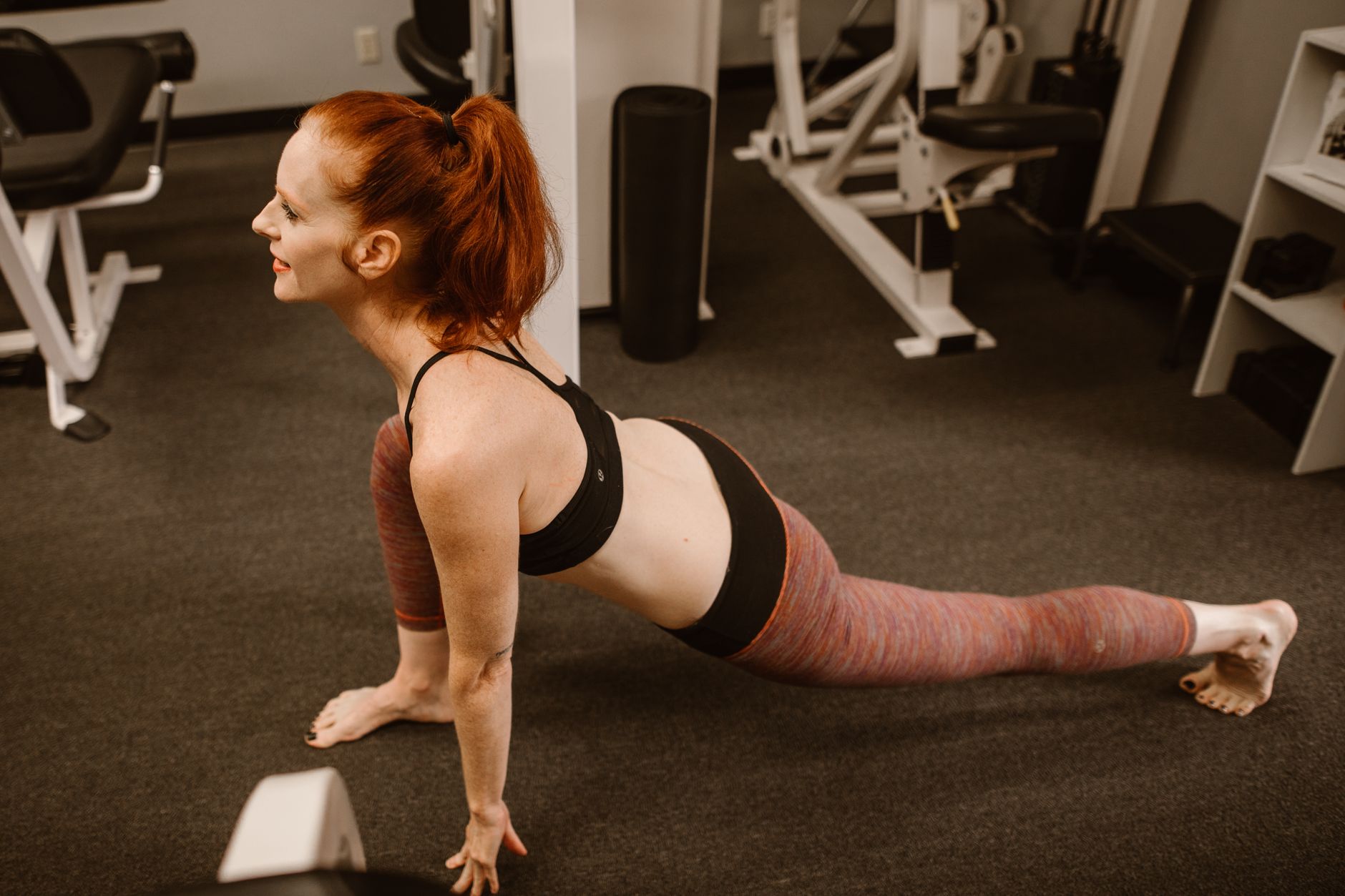
A complete routine incorporates three distinct elements: aerobic activity, strength, and flexibility. Balance work deserves special attention because falls are the leading cause of injury-related death among seniors. Single-leg balance holds—standing on one foot for 10 to 30 seconds while holding onto a chair—strengthen stabilizer muscles and improve your sense of where your body is in space. daily stretches maintain your range of motion, which degrades quickly once you stop using it. A simple routine might include reaching your arms overhead, touching your toes (or coming as close as you can), rotating your torso gently, and hip circles. Abdominal contractions are less visible than other exercises but surprisingly important.
Core strength supports your posture, balance, and ability to get up and down from chairs without straining your back. You can practice this while sitting: tighten your abdominal muscles as if bracing for a punch, hold for five seconds, and release. Do this five to ten times a few times daily, and your core endurance builds. The warning here is that more intense doesn’t mean better. Overdoing strength work when you’re beginning an exercise routine can cause soreness that discourages you from continuing. It’s better to do less consistently than more sporadically.
Building a Realistic Daily Structure That Sticks
A winning routine doesn’t look the same for everyone, but it does share common features: it fits into your existing life, it’s simple enough to do on difficult days, and it includes something you genuinely enjoy. If you hate swimming, don’t force water aerobics just because it’s gentle. If you love gardening, lean into it; gardening provides aerobic work, strength building, balance practice, and mental engagement all at once. Structure matters for adherence.
Seniors who exercise at the same time each day are more likely to keep the habit than those who try to fit it in randomly. A practical sample day might look like this: a 30-minute morning walk after breakfast, strength exercises (wall pushups, squats, resistance bands) on Mondays and Thursdays for 15 minutes, stretching and balance work during television time in the evening, and an afternoon activity like gardening or a social outing on weekends. This accumulates to roughly 150 minutes of aerobic work plus strength sessions plus flexibility work—all without requiring specialized equipment or gym membership. The comparison many miss is that this approach takes less time than the five to ten hours weekly that sedentary seniors spend on medical appointments and managing preventable conditions.
Overcoming Common Barriers and Building Consistency
The gap between knowing what to do and actually doing it is where most routines fail. Pain, fatigue, weather, caregiving demands, or simply not feeling motivated can derail your intentions. The solution is removing friction where possible. If you can’t tolerate walking outdoors in winter, build an indoor walking routine or find a mall with senior walking programs. If you struggle with motivation, exercise with a friend or family member, join a senior fitness class, or commit to a specific time that becomes non-negotiable, like your morning coffee.
One significant limitation is the assumption that exercise feels good immediately. Many seniors experience temporary discomfort when beginning a routine—not pain that signals injury, but the muscle soreness from using muscles you haven’t taxed in a while. This discourages people right when they’re establishing the habit. The reality is that consistent movement for two to three weeks typically improves how you feel during and after exercise. Start conservatively and increase gradually. It takes time to see the benefits: improved energy, better sleep, steadier balance, and lower blood pressure usually show up after six to eight weeks of consistency, not six to eight days.
Sleep Quality and Recovery in Your Daily Routine
Physical activity has a direct effect on sleep quality, one of the most underestimated health factors for seniors. Consistent movement helps regulate your circadian rhythm and deepens sleep stages, yet many seniors reduce activity thinking rest will help them sleep better. The opposite is usually true: a sedentary day often leads to restless, fragmented sleep, while a day with purposeful movement tends to bring sounder sleep.
Exercise timing matters; vigorous activity within three hours of bedtime can be stimulating, while morning or afternoon movement works better for most people. Your routine should also incorporate genuine rest. This doesn’t mean sitting in a chair all day; it means planning recovery time after activity, staying hydrated, and getting adequate sleep. Seniors typically need seven to nine hours of sleep, just like younger adults, though sleep problems become more common with age.
Social Connection and Mental Engagement Through Daily Activity
Physical routines work best when they’re not purely solitary. Walking with a friend, joining a tai chi class, or participating in community water aerobics adds a social dimension that boosts both adherence and mental health. Loneliness has documented health effects as serious as smoking or obesity, and a routine that includes social contact addresses that fundamental need.
The most sustainable routines for long-term aging in place integrate physical activity into meaningful social and community engagement. Looking forward, the evidence is clear that seniors who maintain consistent movement, adequate nutrition, and active engagement not only live longer but live better. They remain independent longer, require fewer hospitalizations, and maintain the mobility to stay in their homes and communities as they age.
Conclusion
The best daily routine for seniors isn’t complicated or extreme. It’s a sustainable pattern built on 150 minutes of moderate movement weekly, strength training twice weekly, adequate protein intake, and regular stretching and balance work. The routine works because it fits into your life rather than requiring you to fit into it. Whether you build movement into your existing activities like gardening and social visits or create dedicated exercise time, consistency matters far more than intensity.
The next step is to audit your current day honestly and identify where movement naturally fits. Tomorrow, commit to one piece of your new routine—a 10-minute walk, strength work on specific days, or adding protein to each meal. Once that feels routine, add the next piece. Small changes accumulated over weeks and months produce the independence and vitality that make aging in place possible.