
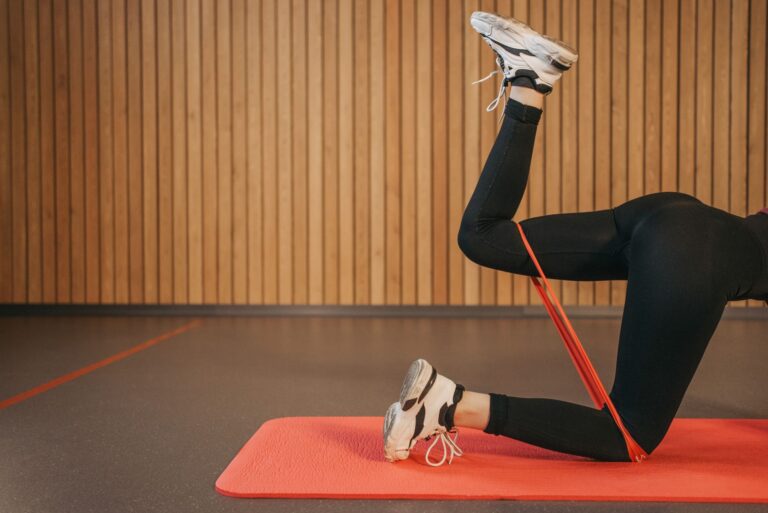
Best Leg Exercises
The best leg exercises are those that build strength, balance, and endurance while addressing your specific mobility needs—typically a combination of...
The best leg exercises are those that build strength, balance, and endurance while addressing your specific mobility needs—typically a combination of...
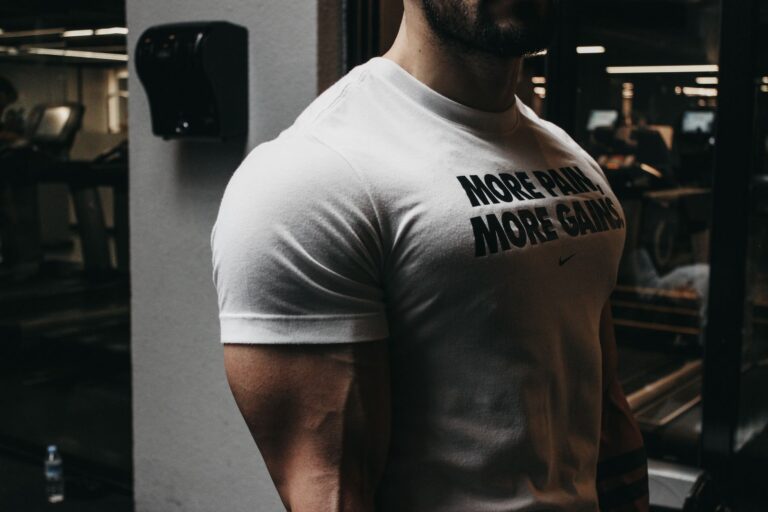
Yes, you can absolutely gain muscle at 70. The scientific evidence is clear and compelling: older adults can build significant muscle mass and strength...

Yes, you can build muscle after 60, and the results matter far more than you might think. Muscle loss, or sarcopenia, accelerates after age 60, with most...
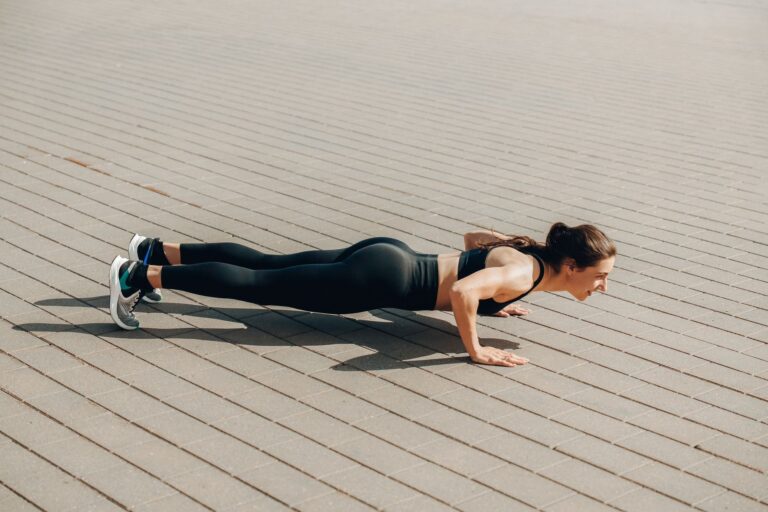
Bodyweight exercises are movements that use your own body as resistance—no equipment, dumbbells, or machines required.
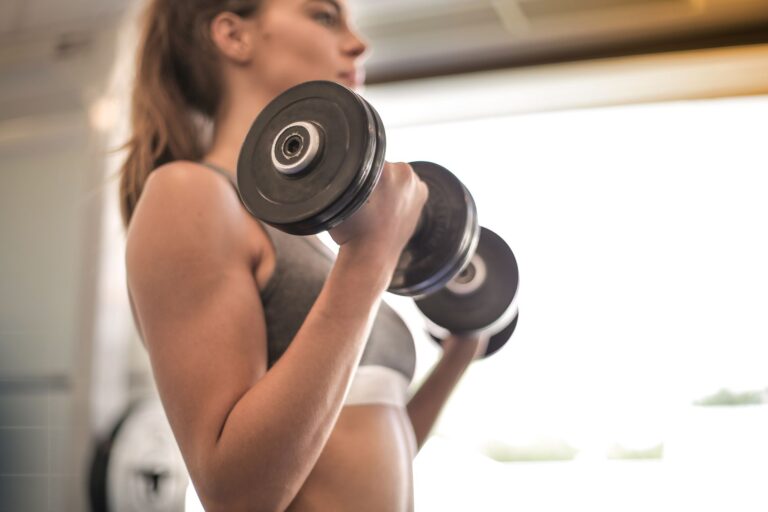
Dumbbell exercises are weighted resistance tools that strengthen muscles, improve functional mobility, and help you maintain independence as you age.
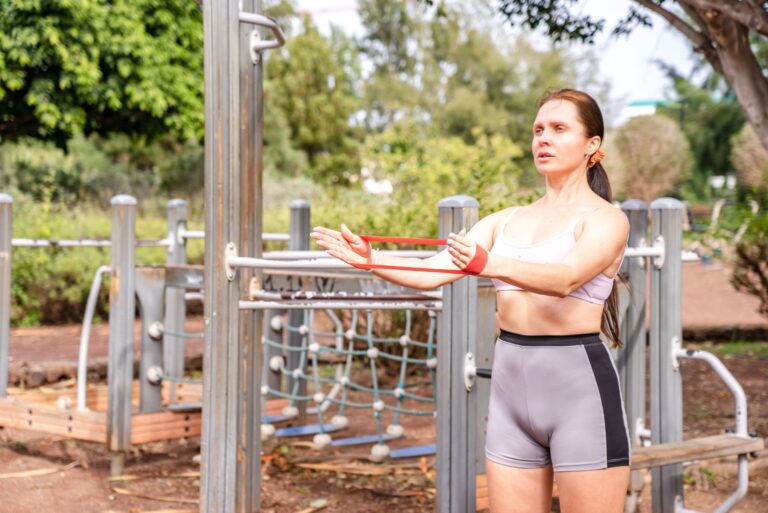
Resistance bands are elastic strips or loops of varying thickness that provide variable resistance as you stretch them, and they are one of the most...
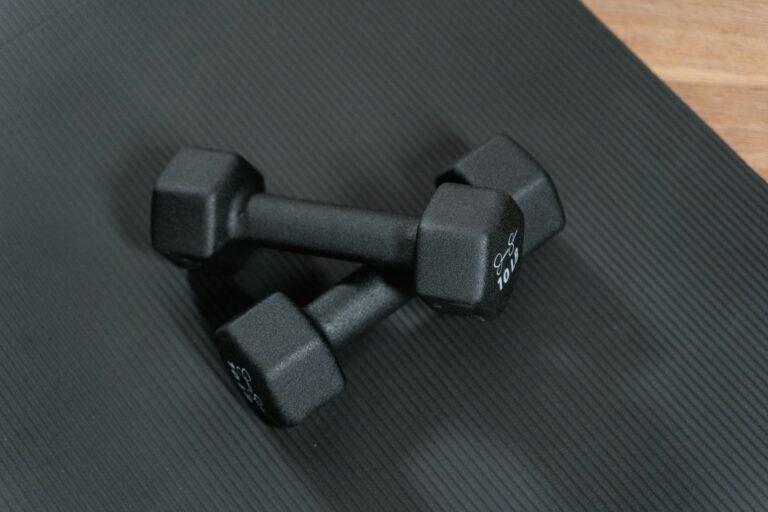
A beginner strength routine is a structured set of exercises designed to build muscle, bone density, and functional capacity—the ability to perform...
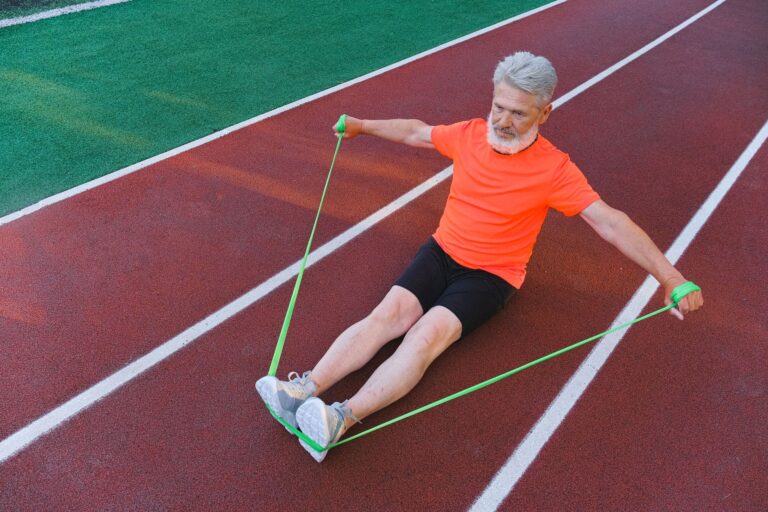
Seniors need strength training because it directly counteracts the natural loss of muscle, bone density, and functional ability that comes with age—and...

Walking in bad weather is possible, but it requires thoughtful preparation and realistic judgment about your abilities.

Walking safety tips are practical strategies designed to reduce your risk of falls, injury, and loss of mobility as you age.