
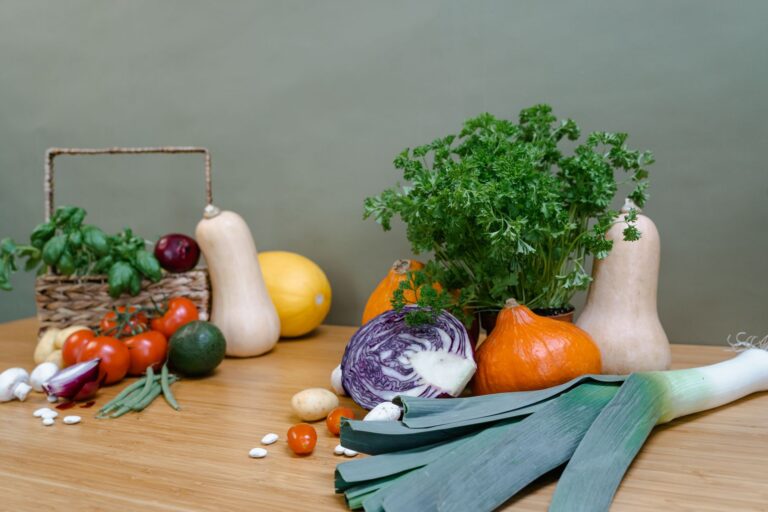
Best Vegetables
The best vegetables for aging in place are those that deliver maximum nutrition with minimum preparation difficulty and offer easy-to-chew textures when...
The best vegetables for aging in place are those that deliver maximum nutrition with minimum preparation difficulty and offer easy-to-chew textures when...
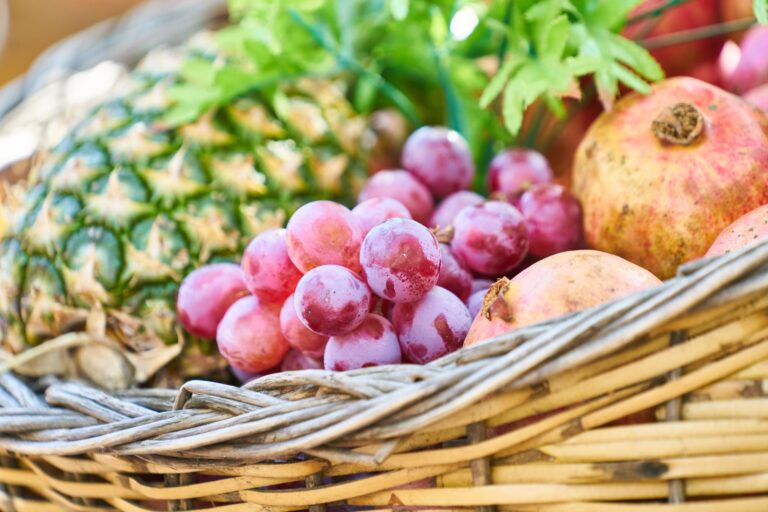
The best fruits for aging adults and those managing independence are those that combine nutrition density with practical accessibility—berries, bananas,...
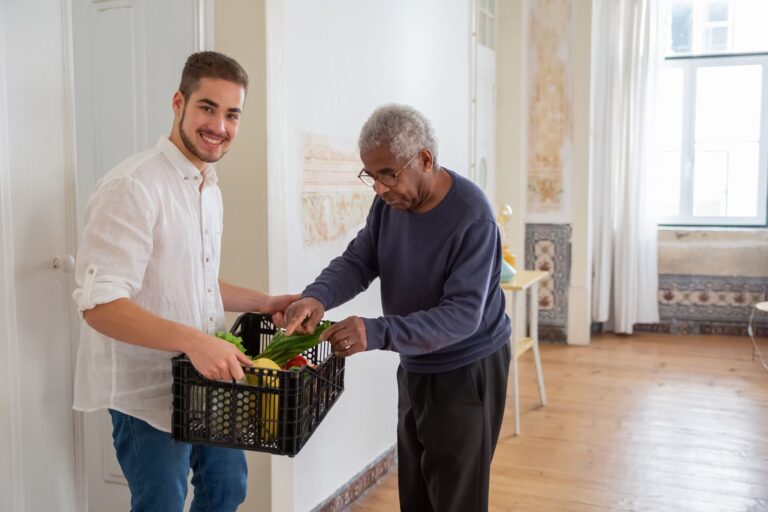
Certain foods significantly reduce fall risk by strengthening muscles, improving balance, and supporting bone density—the three pillars of fall prevention.
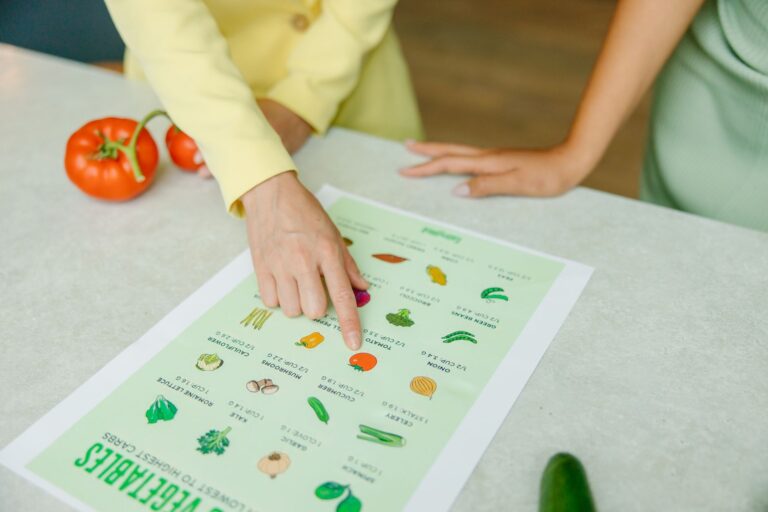
Meal planning is the process of deciding what to eat over a specific period—typically a week—and preparing a shopping list and cooking schedule based on...
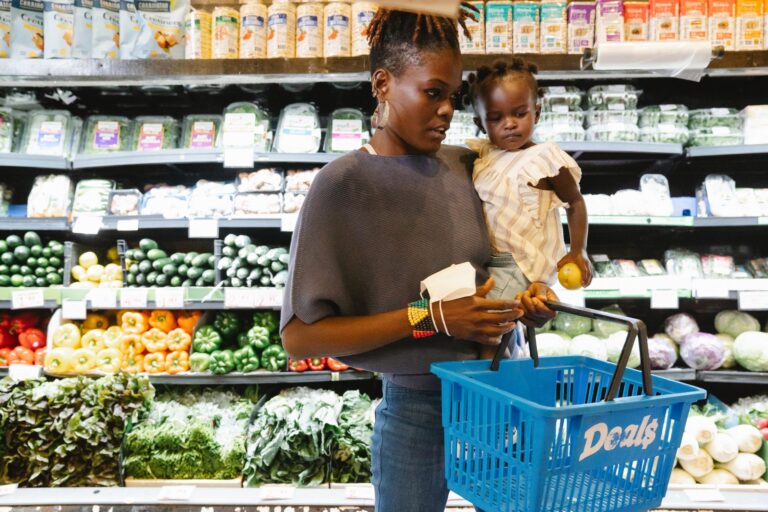
A healthy grocery list for older adults is one that prioritizes nutrient-dense, easy-to-prepare foods while accounting for real-world constraints like...

Healthy weight loss means losing weight in a way that preserves your strength, bone health, and ability to move independently—not just dropping pounds...

Fiber is a type of carbohydrate that your body cannot fully digest, and it becomes increasingly important as you age because it supports digestive health,...
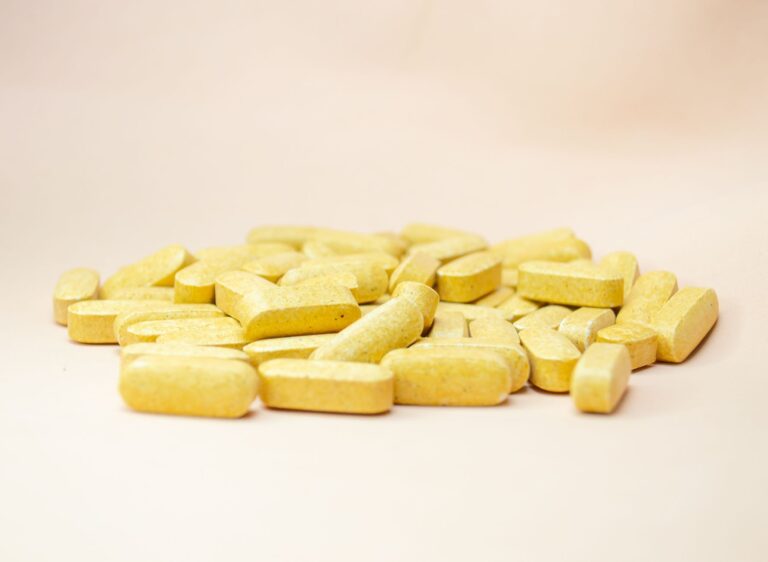
Magnesium is a mineral that helps your muscles relax, keeps your heart rhythm steady, and supports bone strength—three things that become increasingly...
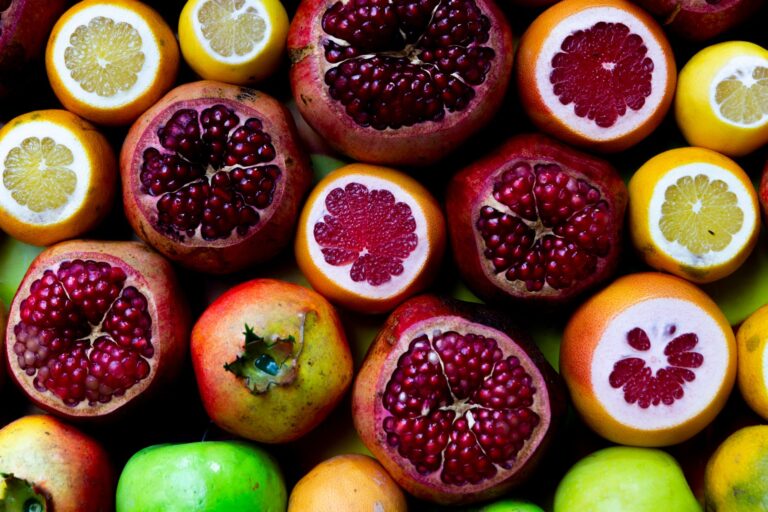
Vitamin D is a hormone your body produces when skin is exposed to sunlight, and it's essential for building strong bones, maintaining muscle function, and...
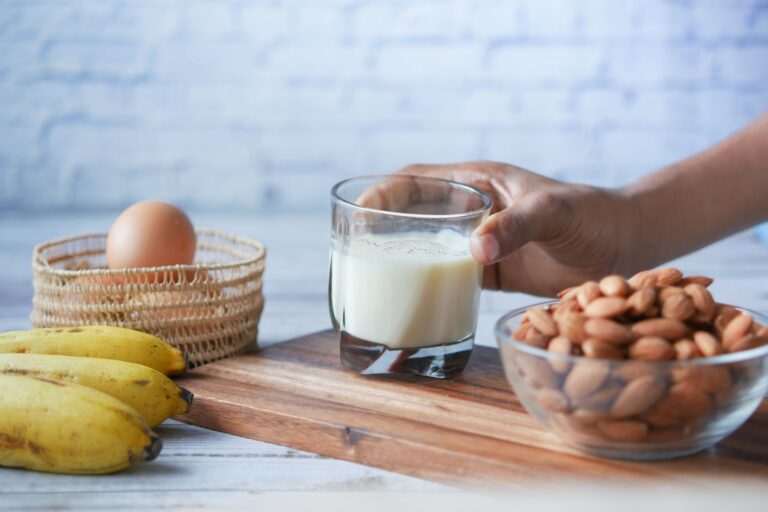
Calcium is a mineral your bones need to stay strong and prevent fractures—a critical concern for anyone over 50 who wants to avoid falls and maintain...