
The Signs It’s Time to Adapt — Not Surrender — Your Driving

The question isn't whether you can still turn a steering wheel or see the road—it's whether you can respond to what happens on it.
The question isn't whether you can still turn a steering wheel or see the road—it's whether you can respond to what happens on it.

Early detection of health changes, functional decline, and environmental hazards isn't flashy or dramatic, but it's often the difference between aging...

Catching health problems early enough to stay home means knowing what "normal" looks like for your own body, then noticing when something changes—before...

Maria, a 62-year-old who spent five years managing her aging mother's care while working full-time, noticed the early signs of burnout in small ways:...

Catching cognitive decline early begins with paying attention to changes in how you or a loved one handles everyday tasks—not just occasional...

The cognitive warning signs independent seniors need to watch for are changes in memory, difficulty managing finances and medication, getting lost in...

During a short holiday visit, you can spot a parent's decline by paying attention to changes in mobility, memory, daily routines, and emotional state that...

One fall is rarely just one fall. For many older adults, a single fall becomes the pivot point where independence begins to slip away—not always...

A visit home gives you access to the most honest assessment of your parent's decline—not what they tell you over the phone or what they want you to...
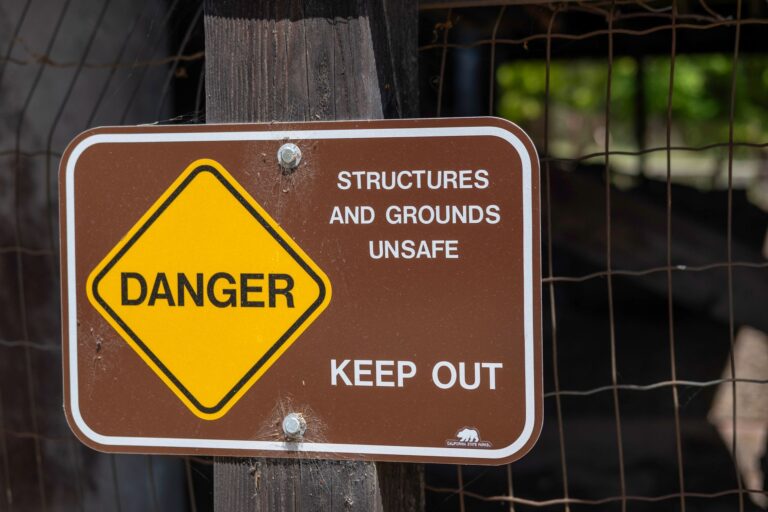
The line between independence and unsafe behavior doesn't exist as a single bright boundary—it's a gray zone that shifts with each person's changing...