
The Lighting Upgrade That Cut One Couple’s Fall Risk

A simple change to the lighting in a care facility reduced falls by nearly a third—32 percent fewer incidents after just one thousand patient days.
A simple change to the lighting in a care facility reduced falls by nearly a third—32 percent fewer incidents after just one thousand patient days.
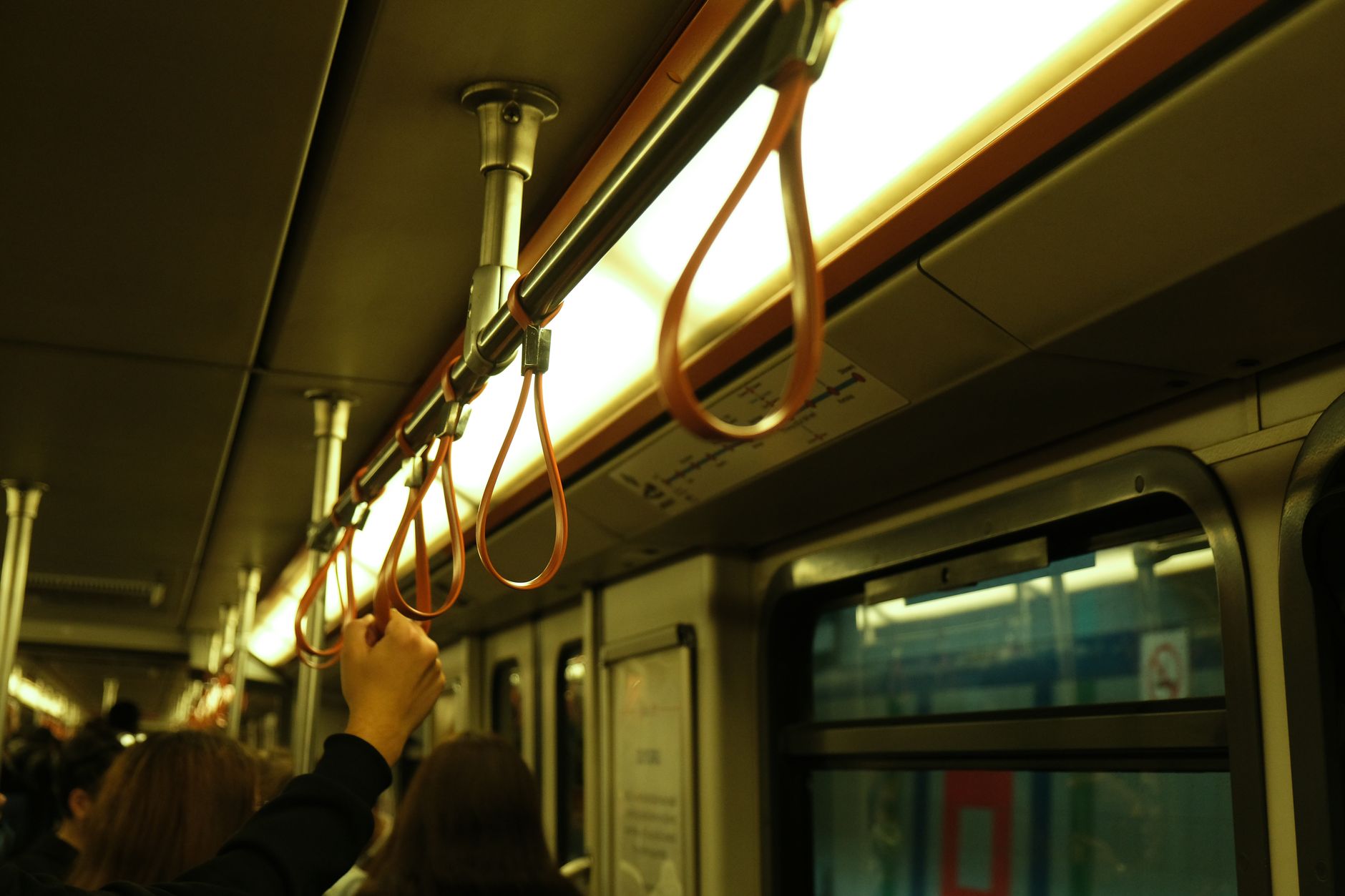
For Dorothy Mackey, an 82-year-old living alone in her Portland home, the moment came on a Tuesday morning in her shower.
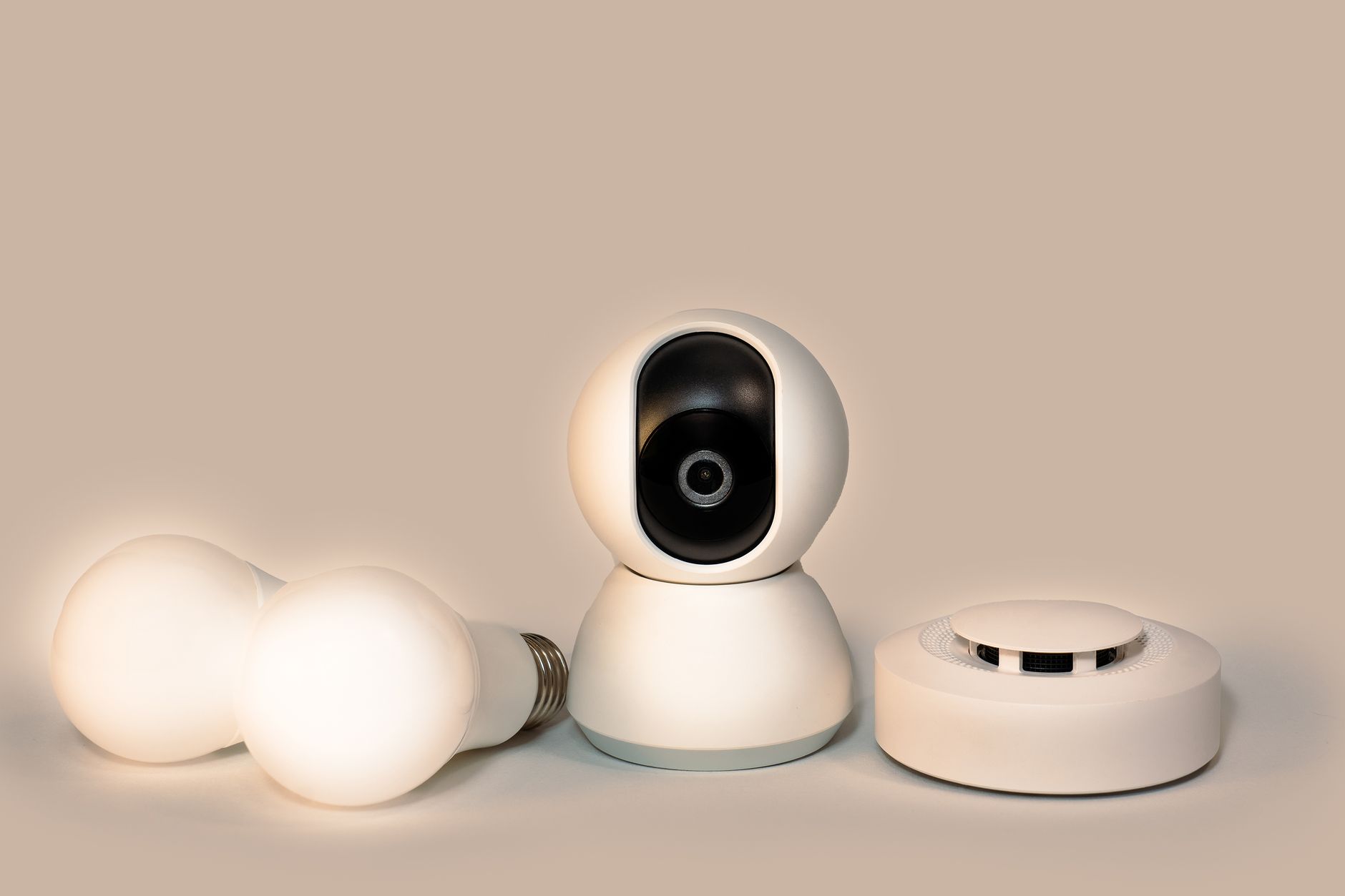
Motion-activated lighting is one of the most straightforward home modifications for aging adults who want to maintain independence and prevent falls.
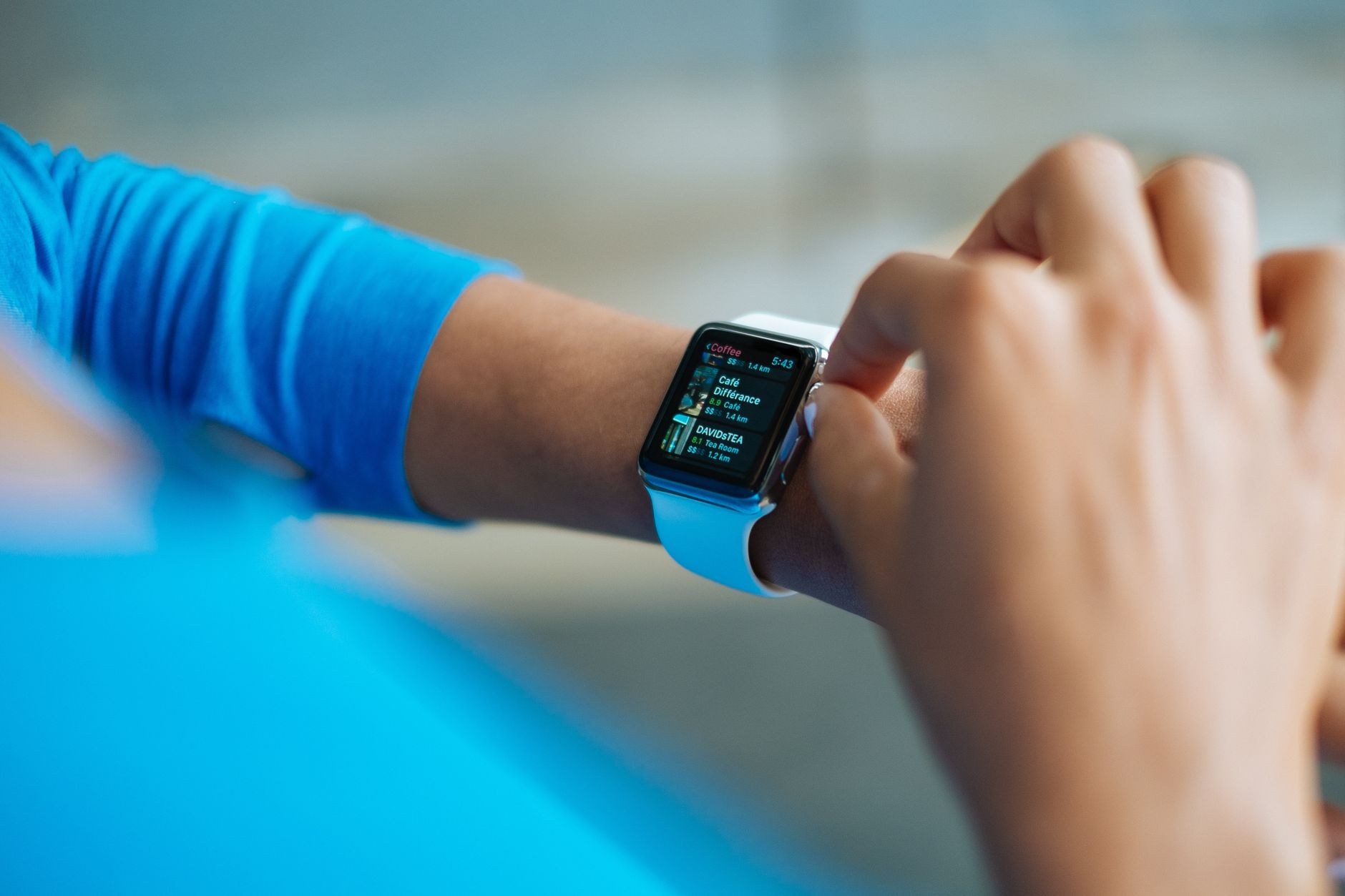
Fall detection wearables are devices worn on the wrist, hip, or body that use sensors to recognize when someone has fallen and automatically alert…
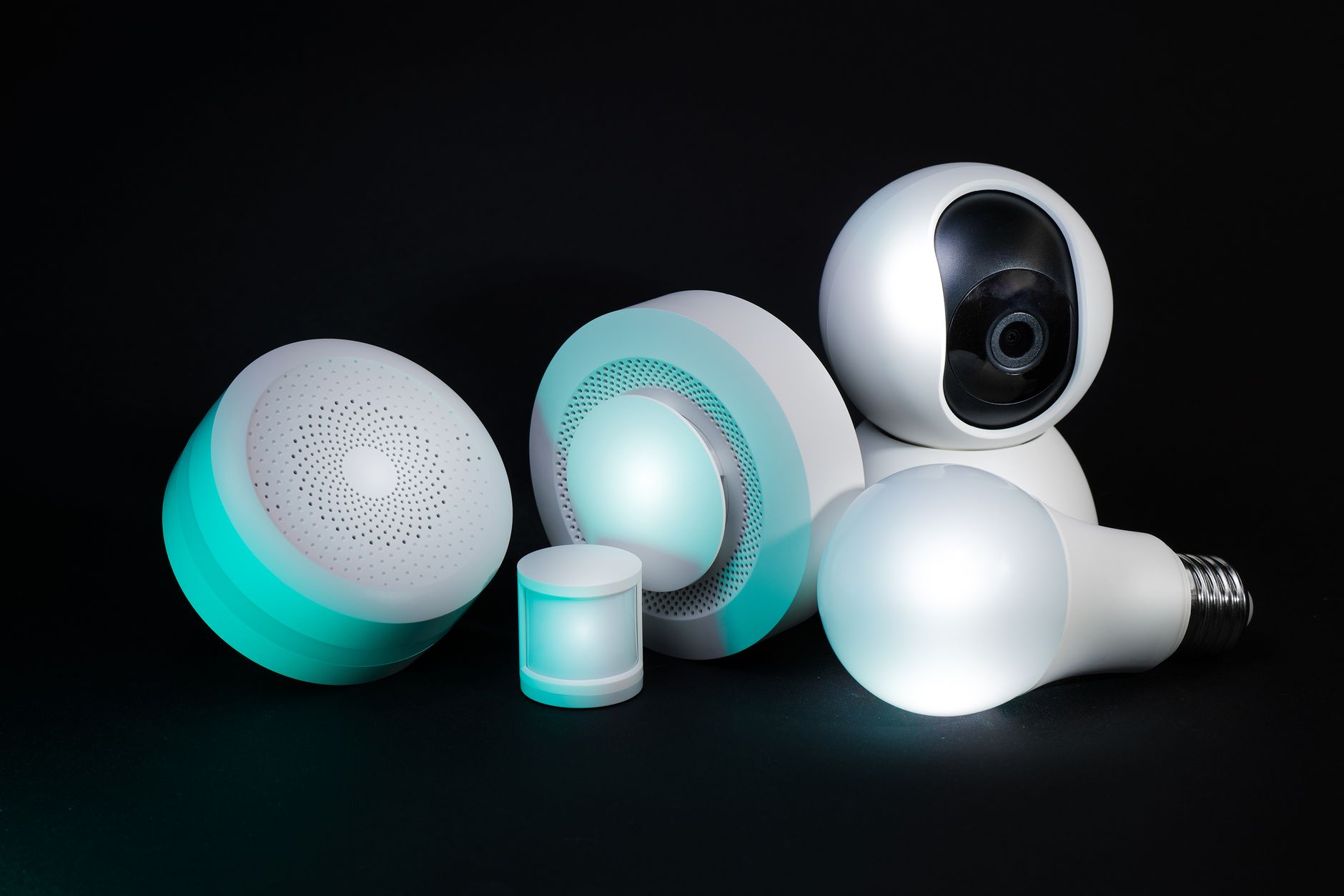
The $30 billion smart home market has grown around one central use case: helping older adults stay in their own homes longer.

An in-home safety assessment is a systematic walkthrough of your home by a trained professional—often an occupational therapist, physical therapist, or…

Margaret Chen stayed in her three-bedroom home in Portland, Oregon for two decades after her husband died, without moving to assisted living or depending…
Parkinson’s disease gradually changes how safely someone can move through their home, and what works in one room may not work in another.

Preventing a second fall after your parent’s first one depends on addressing the three main reasons second falls happen: the physical damage from the…
A parent’s first serious fall is a turning point that forces you to shift from the assumption of their invulnerability to the reality of their fragility.