
A parent’s first serious fall is a turning point that forces you to shift from the assumption of their invulnerability to the reality of their fragility. The recovery plan after a parent’s first serious fall is not a single document or timeline but a staged process that addresses immediate medical needs, home safety, physical rehabilitation, psychological adjustment, and long-term prevention. Within the first 48 hours, the priority is medical evaluation and stabilization; within the first two weeks, it’s preventing complications and starting safe mobility; within the first three months, it’s rebuilding strength and independence while making permanent modifications to their living space. Many families discover during this period that what worked before—their parent living alone, managing stairs, or handling self-care independently—may not be sustainable going forward.
Consider the real experience of a 76-year-old who fell on her kitchen tile while reaching for a coffee mug at 7 AM. She fractured her hip, spent four days in the hospital, and faced a twelve-week recovery trajectory. Her daughter, who lived forty minutes away, had to suddenly coordinate orthopedic follow-ups, physical therapy three times weekly, modifications to the bathroom and bedroom, meals delivered or prepared, medication management, and the emotional work of watching her mother grieve the loss of independence she took for granted two weeks earlier. The recovery plan forced conversations about whether her mother could return home at all, what help would be permanent, and how to recognize when aging in place was no longer safe.
Table of Contents
- What Happens Immediately After the Fall—Medical Stabilization and Assessment
- The Physical Rehabilitation Phase—Realistic Timelines and Hidden Setbacks
- Home Modifications and Safety Planning—Preventing the Next Fall
- Rebuilding Confidence and Addressing Fall-Related Fear—The Psychological Component
- Managing Medication Changes and Preventing Fall Risk Factors—The Often-Overlooked Complications
- When to Consider Additional Support—Caregiving, Assistive Devices, and Professional Help
- Preventing Future Falls—Building a Sustainable Long-Term Strategy
- Conclusion
- Frequently Asked Questions
What Happens Immediately After the Fall—Medical Stabilization and Assessment
The first 72 hours determine the trajectory of recovery. After a serious fall, your parent will undergo imaging (X-rays, CT scans, or MRIs) to identify fractures, internal bleeding, or head injuries. Even if there are no fractures, falls in older adults often trigger secondary complications: pneumonia from immobility, blood clots from reduced movement, urinary tract infections from catheter use during hospitalization, and delirium from the combination of trauma, pain medication, and unfamiliar environment. The medical team will assess whether your parent can bear weight, the extent of any cognitive impairment from the fall or head trauma, and their baseline functional ability before the fall occurred. A critical step many families miss is obtaining a complete list of medications and a baseline understanding of your parent’s pre-fall abilities.
If your parent took eight medications before the fall, each one affects recovery differently. Blood thinners may be paused after a fall, changing stroke risk. Pain medications can cause constipation and confusion. Physical therapy depends on cardiac clearance, medication timing, and pain tolerance. Hospitals discharge patients on timelines driven by insurance and bed availability, not recovery readiness. Advocate for a clear discharge summary that outlines what your parent could do before the fall, what they can do now, and what professional support they’ll need.

The Physical Rehabilitation Phase—Realistic Timelines and Hidden Setbacks
Recovery from a serious fall is not linear, and the initial estimate of how long rehabilitation will take is often wildly optimistic. A hip fracture might have an eight to twelve week recovery period according to the orthopedic surgeon, but this assumes no complications, consistent physical therapy engagement, proper nutrition, and adequate pain control. In reality, many older adults plateau at six to eight weeks of progress, then hit a wall where further gains require them to push through real pain and fear. A 78-year-old three weeks into hip fracture recovery can walk thirty feet with a walker and supervision, but the emotional barrier to progressing is as real as the physical one. She remembers falling.
Her brain now interprets movement as risky. Physical therapy should begin within 24 hours of hospitalization if medically possible, even if it’s just ankle pumps and bed mobility. The progression usually looks like this: bed mobility and transfers (days 1-7), standing with parallel bars (week 1-2), walker use (week 2-4), cane use or unassisted walking (week 4-12), return to functional activities like climbing stairs or getting in and out of a car (week 8-16). But this timeline assumes a 70-year-old with good pre-fall fitness and no other major health conditions. An 85-year-old with heart disease and arthritis may need double the time. The limitation here is crucial: if your parent doesn’t achieve independent mobility by week 12, the goal may shift from full independence to safe, supervised mobility, which is still a meaningful recovery goal.
Home Modifications and Safety Planning—Preventing the Next Fall
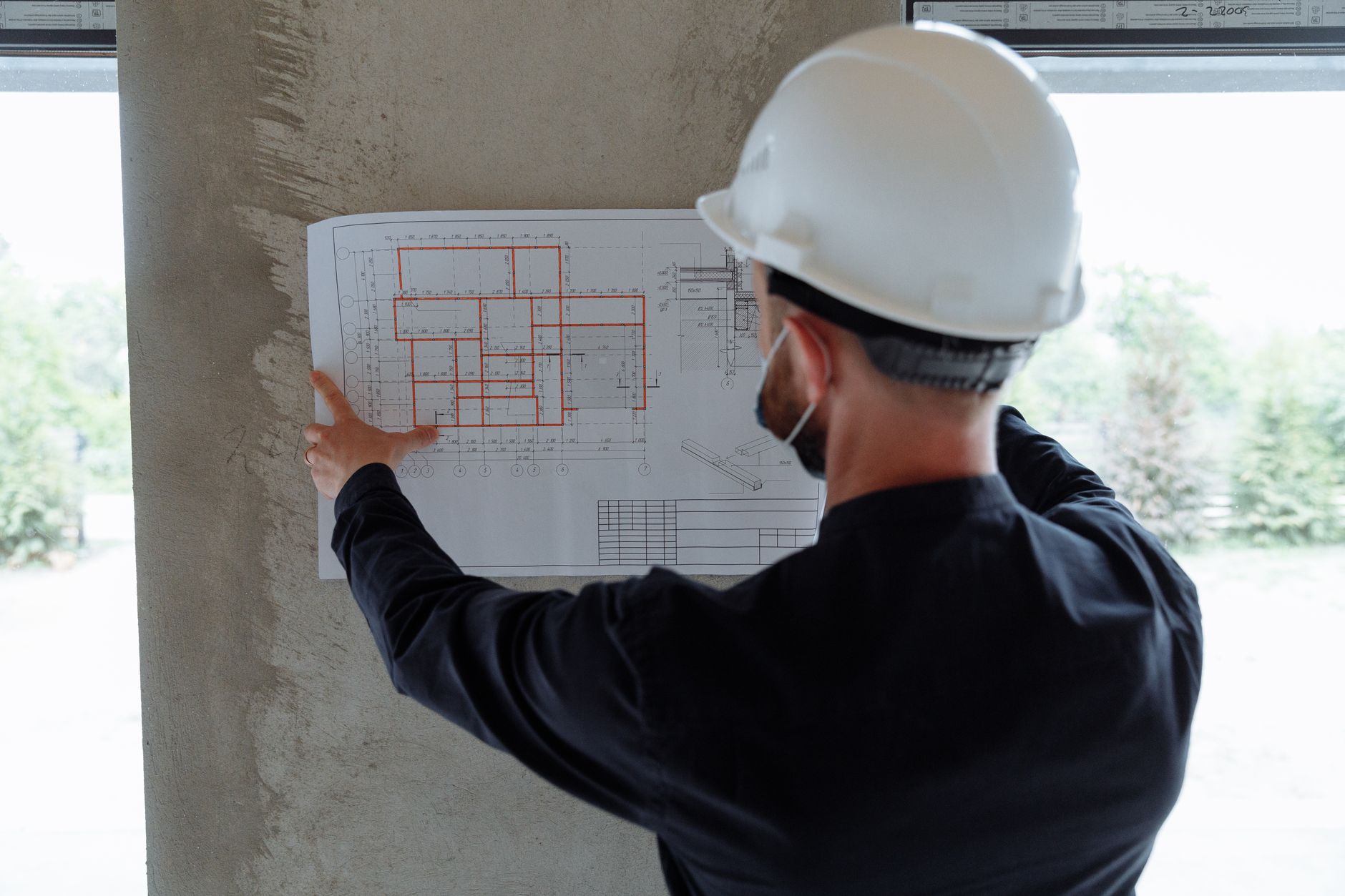
Before your parent returns home, a physical or occupational therapist should evaluate the space. Falls rarely happen by accident; they happen because an aging body meets an unchanged environment. Throw rugs, dark hallways, bathrooms without grab bars, stairs without railings, and lighting that made sense at age 50 become hazards at age 75.
A home modification assessment identifies specific risks in your parent’s home: Can they safely use their bathroom? Do they have a clear path from bedroom to bathroom for nighttime walks? Are there trip hazards in their bedroom? Is the lighting adequate for safe movement? Common modifications include installing grab bars in bathrooms (cost: $150-$400), adding stair railings or improving existing ones ($300-$1500), replacing slippery flooring with textured surfaces ($2,000-$8,000 depending on scope), removing throw rugs and clutter, improving lighting throughout the home, and adding a bedside commode or raised toilet seat for easier transfers. Less obvious modifications matter too: a cordless phone in each room, a medical alert system, clear pathways free of furniture or cords, and nighttime lighting (motion-sensor lights or a clear path of nightlights). A limitation of home modification is that it requires your parent to actually use the installed safety features. A grab bar is only helpful if they reach for it instead of trying to catch themselves on a towel rack.
Rebuilding Confidence and Addressing Fall-Related Fear—The Psychological Component
After a serious fall, many older adults develop an anxiety response that limits their own recovery more than the physical injury does. This isn’t weakness; it’s a rational fear response based on a real event that hurt them. A parent who fell and broke a hip learns viscerally that their body can betray them. The anxiety often manifests as avoidance: they refuse to walk without supervision, cling to furniture when crossing a room, or abandon activities they could safely do. Over time, this avoidance causes deconditioning, loss of muscle mass, and genuine increased fall risk.
Addressing this requires a dual approach: gradual exposure to movement with support (physical therapy) and sometimes professional mental health support. Some therapists specialize in fall-related anxiety and can work with your parent to distinguish between genuine risks and anxious overestimation of risk. A comparison: a parent might feel equally anxious about walking from the bed to the bathroom with a walker (low-risk with appropriate equipment) and walking to the mailbox alone (higher risk, depends on distance and terrain). The anxiety doesn’t distinguish between the two, but a rehabilitation professional can help reframe what’s safe and what requires support. Progress here is measured in small increments: this week, your parent walks five steps alone; next week, ten steps.
Managing Medication Changes and Preventing Fall Risk Factors—The Often-Overlooked Complications
Medications interact with fall risk in ways that aren’t always obvious. Pain medications cause dizziness. Blood pressure medications can lower blood pressure too much when your parent stands up, causing orthostatic hypotension (a sudden dizziness upon standing that causes another fall). Sleep medications linger into the morning, affecting balance. Even over-the-counter cold medicines can increase fall risk. After a serious fall, all medications should be reviewed by the prescribing physician or a pharmacist, specifically asking, “Does this increase fall risk?” Some medications that seemed necessary before might be deprioritized during recovery.
A warning: dehydration and malnutrition are major hidden saboteurs of recovery. An older adult who falls often experiences pain that makes eating difficult, nausea from pain medications, or reduced appetite from depression about the fall. If they’re not eating enough, muscles don’t rebuild, wounds don’t heal, and weakness persists. Similarly, dehydration is common because older adults often reduce fluids to minimize bathroom trips—which ironically increases fall risk because even mild dehydration increases dizziness and confusion. During the recovery period, pay attention to nutrition and hydration with the same intensity you give to physical therapy. A parent who isn’t eating adequately won’t progress in therapy no matter how many sessions they attend.
When to Consider Additional Support—Caregiving, Assistive Devices, and Professional Help
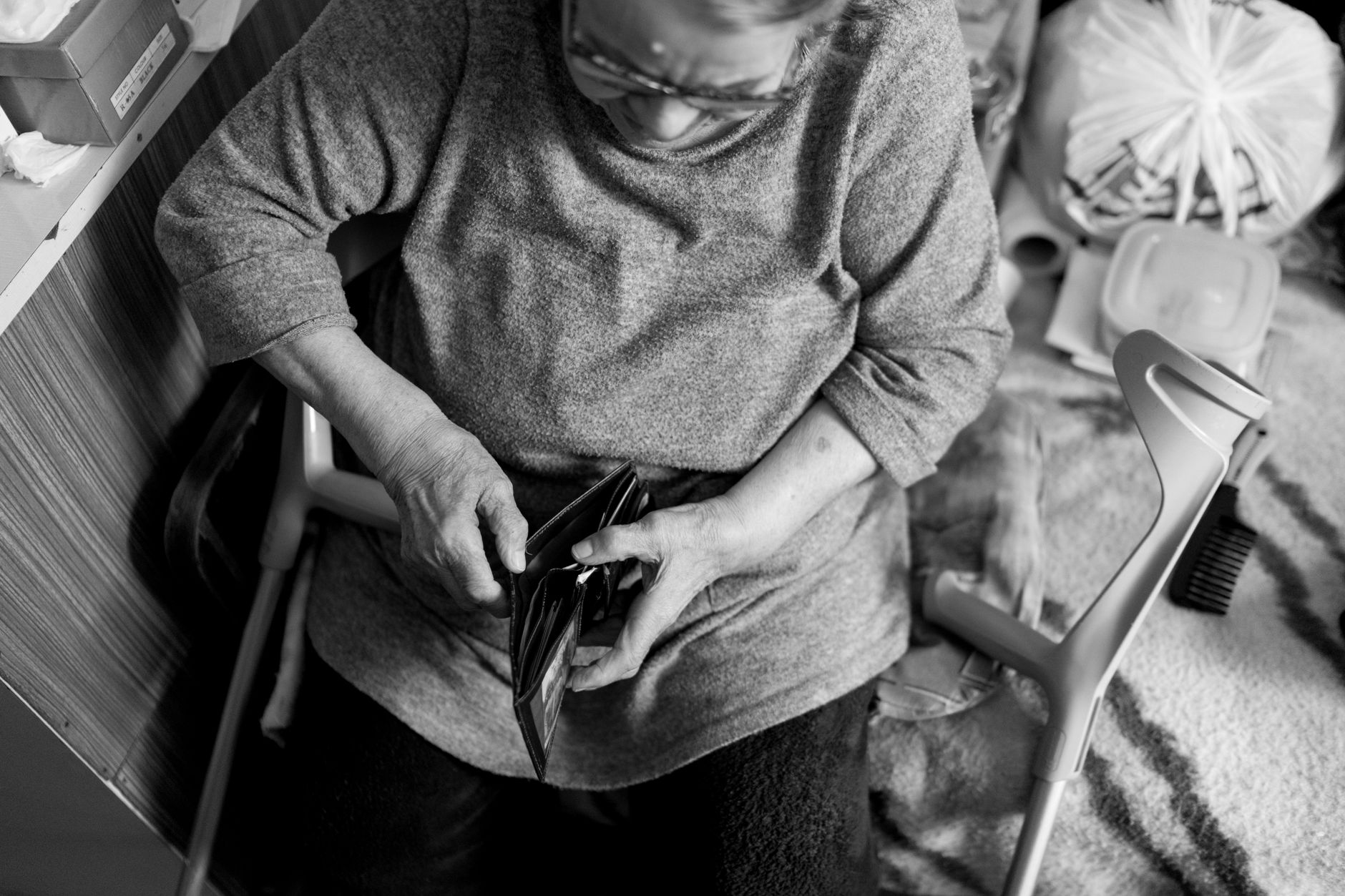
A serious fall often marks the beginning of a conversation about whether aging in place is still viable or whether additional support is needed. This might mean a family member moving in, hiring in-home care several days a week, or moving to a community with support services. The tradeoffs are real: in-home care preserves independence and familiar surroundings but costs $15-$30 per hour (for non-medical help) or $20-$50 per hour (for trained caregivers), adding up quickly. Moving to an assisted living community or continuing care retirement community provides 24-hour support and social connection but costs $3,000-$6,000 monthly and requires your parent to leave their home.
For many families, the answer is hybrid: your parent stays home with professional in-home care two to three days per week, family provides support on weekends, and they attend an adult day program or senior center two days weekly. Assistive devices also expand what’s possible: a shower chair, a raised toilet seat, grab bars, a walker with a seat (so they can rest when tired), a bed rail, a bedside commode, or a personal alarm system. None of these devices guarantee safety, but they expand your parent’s ability to move around their home without constant supervision. The limitation is that your parent has to accept using them, which some do gracefully and others resist as symbols of aging.
Preventing Future Falls—Building a Sustainable Long-Term Strategy
Recovery from the first serious fall is also preparation for preventing the second one. The data is sobering: one in four Americans aged 65 and older falls each year, and after a fall, the risk of falling again nearly doubles within a year. A comprehensive fall prevention strategy includes regular vision and hearing checks (poor vision and hearing both increase fall risk), home safety maintenance (grab bars can loosen, lighting can degrade), continued strength and balance training even after formal physical therapy ends, medication review twice yearly, and the hard conversation about when driving becomes unsafe. Balance and strength training become part of your parent’s routine—not as punishment, but as maintenance, like changing the oil in a car.
Evidence-based programs like Tai Chi, water aerobics, or guided balance exercises reduce fall risk by 20-30% in older adults. But many people stop exercising once the crisis of the fall fades, then act surprised when another fall happens. The forward-looking reality is this: if your parent survives their first serious fall and commits to prevention, they can reduce their odds of a second one significantly. If they don’t address the underlying causes—weakness, imbalance, medication side effects, home hazards—another fall is likely coming.
Conclusion
Recovery after a parent’s first serious fall requires coordination across medical care, home modification, physical rehabilitation, mental health support, and family dynamics, all happening simultaneously while you’re still working, managing your own family, and processing the shock that your parent is mortal. The recovery plan is not just about healing from the fall itself but about restructuring your parent’s life and your relationship to their independence. Some parents return to their pre-fall level of function; many don’t, and learning to adapt to a new baseline is part of the recovery too.
The work doesn’t end when your parent stops formal physical therapy. Prevention becomes the ongoing project—maintaining strength, addressing home hazards that creep back over time, managing medications, and having hard conversations about what’s truly safe going forward. This is the invisible labor of aging and caregiver work: not the dramatic crisis of the fall itself, but the months and years of vigilance that follow, when you have to believe that the effort of prevention matters even when nothing dramatic happens to prove it.
Frequently Asked Questions
How long does recovery from a serious fall typically take?
Recovery varies widely, but generally: medical stabilization takes days to weeks, achieving independent mobility takes 8-16 weeks for a major injury like a hip fracture, and returning to pre-fall function takes 3-6 months for those who recover fully. Many people see the biggest improvements in the first 8-12 weeks, then plateau. An 85-year-old may need twice as long as a 70-year-old, and someone with other health conditions may face a longer or incomplete recovery.
What’s the most important thing to do in the first 48 hours after a fall?
Get a complete medical evaluation and imaging to rule out fractures, internal bleeding, and head injuries. Then start thinking about discharge planning immediately—what will your parent need to safely get home? This is when you begin home modifications, line up support, and understand realistic expectations for recovery.
Should my parent go to rehab or come home after the hospital?
This depends on their ability to participate in intensive therapy and their home setup. Inpatient rehabilitation facilities provide 3+ hours of therapy daily and 24-hour supervision, which speeds recovery for many people. Home-based recovery requires family coordination and is more isolating but preserves familiar surroundings. Some insurance plans don’t cover extended rehab, making home recovery necessary regardless of what’s ideal. Discuss this with your parent’s medical team based on their specific injury and support system.
How do I help my parent overcome fear of falling again?
Gradual, supported exposure to movement is key—physical therapy, walking with a walker or cane, using grab bars and other safety equipment. Some parents benefit from therapy to address fall-related anxiety. Start with short distances and high-support situations, then gradually reduce support as confidence grows. Celebrating small progress helps reinforce that movement is possible and safe with appropriate precautions.
What’s the most common cause of falls in older adults?
Weakness and balance problems cause the majority of falls, followed by home hazards, medication side effects (especially blood pressure medications causing dizziness), and vision problems. Your parent likely fell due to a combination of factors—their weakening legs, a dark hallway, and a split-second loss of balance. Preventing the next fall means addressing all of these, not just one.
When is it time to consider moving to assisted living or hiring in-home care?
Consider this when your parent cannot safely perform activities of daily living (bathing, dressing, toileting, eating) independently or with family support, or when they’re unable to live safely alone due to fall risk. If your parent is alone all day and has already fallen, they’re at extremely high risk for a second fall that might not be discovered for hours. This is when additional support becomes essential, not optional.