
The Community Ties That Keep People Out of Care Homes

The strongest predictor of whether someone will leave their home and enter institutional care has little to do with the condition of their body.

The strongest predictor of whether someone will leave their home and enter institutional care has little to do with the condition of their body.

Independent seniors stay close to family and friends because proximity and regular contact create a safety net that actually enables rather than replaces...

Building a support network that protects your freedom means deliberately surrounding yourself with people, resources, and systems that enable you to make...

Weekly get-togethers keep seniors independent at home by addressing one of the greatest threats to aging in place: loneliness.

When Robert's wife of forty-two years passed away, he found himself alone in their suburban home with an unwelcome revelation: his independence was...

Yes, loneliness does raise your risk of premature death at a scale comparable to smoking fifteen cigarettes daily.
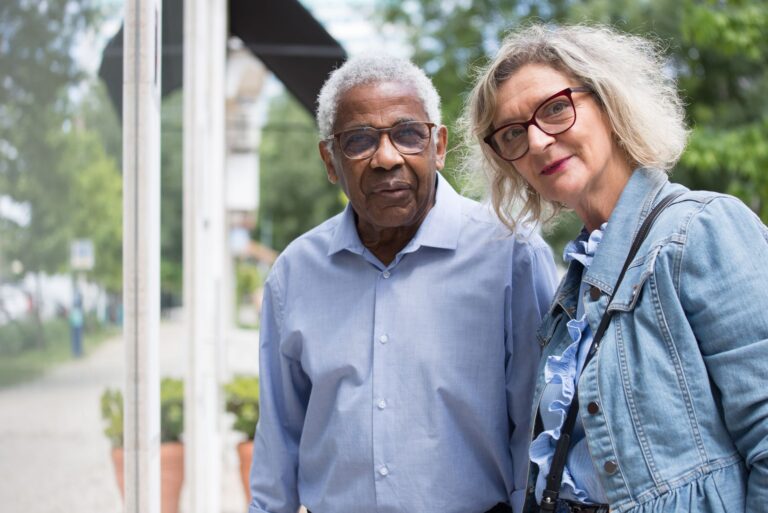
Friendships are often the difference between an older adult who thrives while living independently and one who gradually becomes isolated and at risk.

Isolation is the hidden mechanism that dismantles senior independence, not suddenly but through the erosion of physical capability, mental resilience, and...

Social connection is not a luxury or a pleasant pastime—it's a medical necessity that rivals quitting smoking in its impact on longevity and health.

Memory tools—from simple pill organizers to smartphone reminders to wall calendars—form the practical backbone that allows seniors to stay independent...