
Browse every active aging guide on Aging Independence, sorted by newest first.

How to Stay Independent Into Your 90s
Staying independent into your 90s is possible, but it requires deliberate action across multiple areas of your life starting well before you reach that...
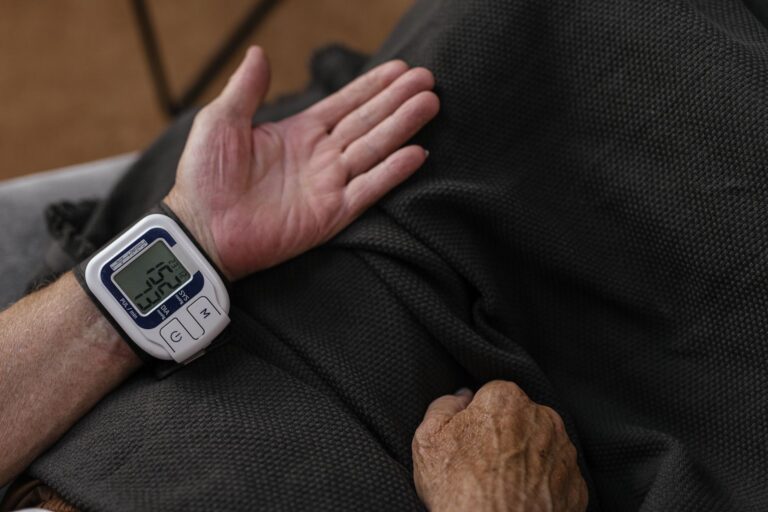
Health Screenings by Age
Health screenings by age are essential medical assessments scheduled at specific life stages to detect disease early, manage chronic conditions, and...

Weekly Wellness Checklist
A weekly wellness checklist is a structured list of health, mobility, and daily living tasks you review and track each week to catch problems…
Evening Routine for Better Health
A good evening routine is essential for better health because it signals your body to wind down, regulate sleep patterns, and prepare for restorative...
Morning Routine for Longevity
A longevity-focused morning routine is a deliberate sequence of habits performed within the first one to two hours of waking that optimize physical...
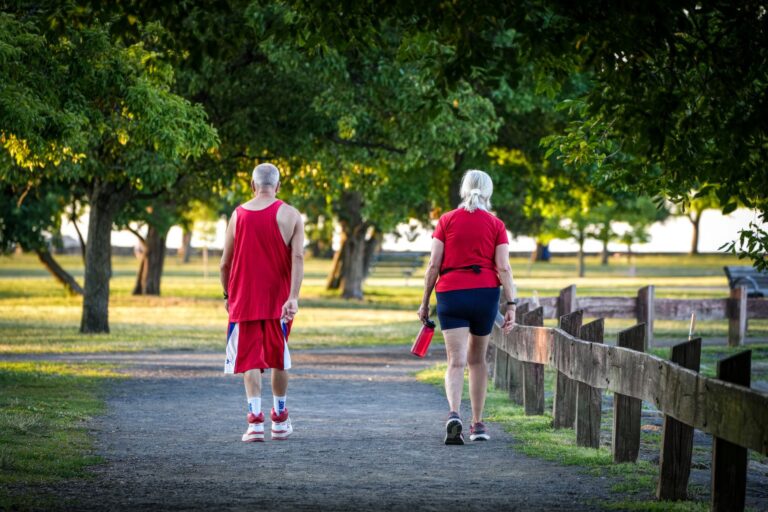
Daily Habits of Healthy Seniors
Healthy seniors maintain independence and live longer through consistent daily habits that combine regular physical activity, balanced nutrition, quality...
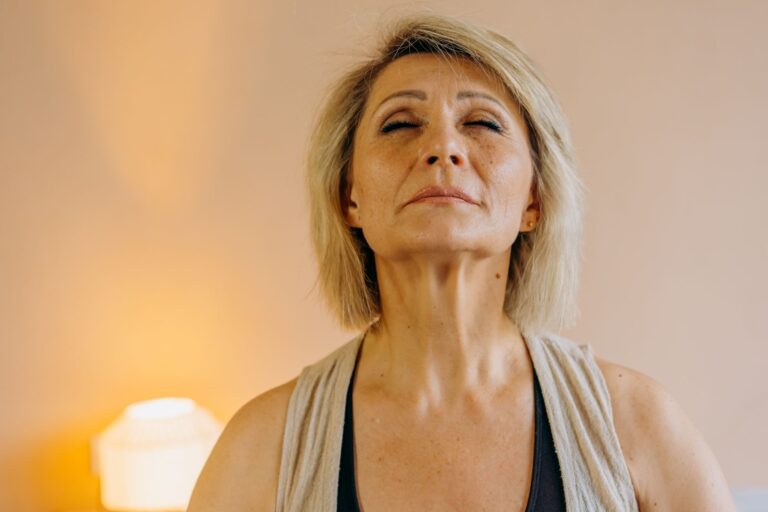
How Stress Ages the Body
Chronic stress physically ages you faster than time alone. When your body remains in a state of constant alert—triggered by financial worry, health...
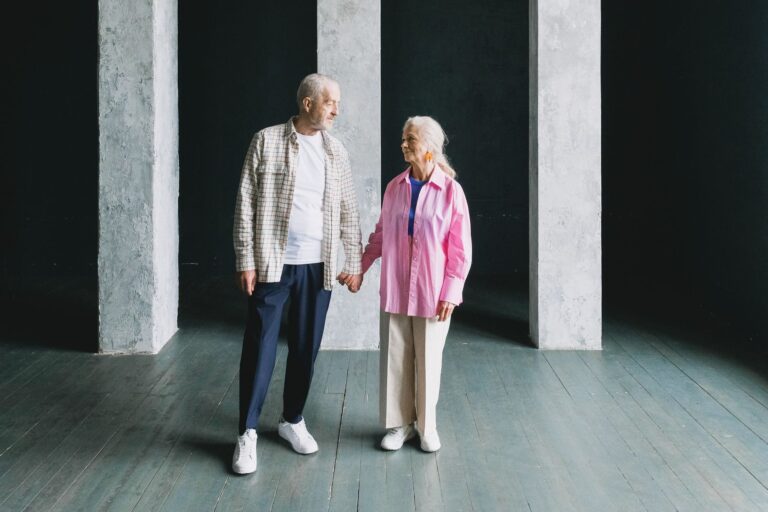
Optimism and Longevity
Optimism appears to add years to your life—studies show that people with a positive outlook live 5 to 15 percent longer on average than…
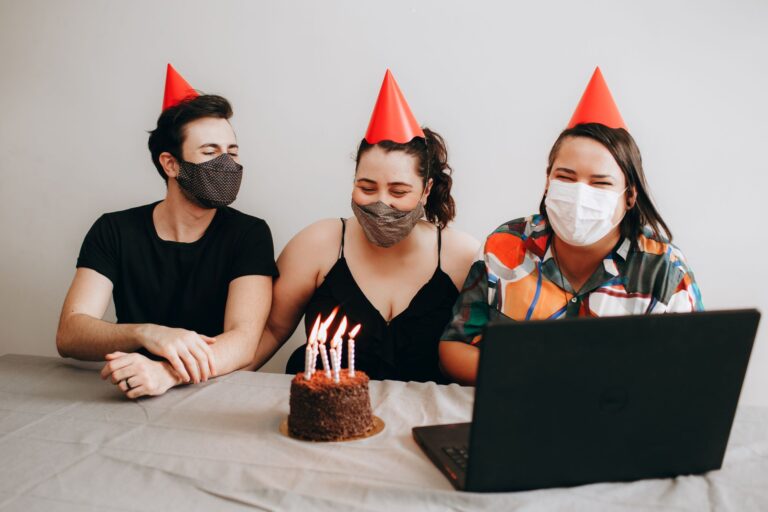
Social Connections and Health
Social connections are a critical factor in maintaining physical health and cognitive function as you age.

Nutrition for a Longer Life
Nutrition is one of the most direct levers you have to extend both your lifespan and the years you spend living independently.
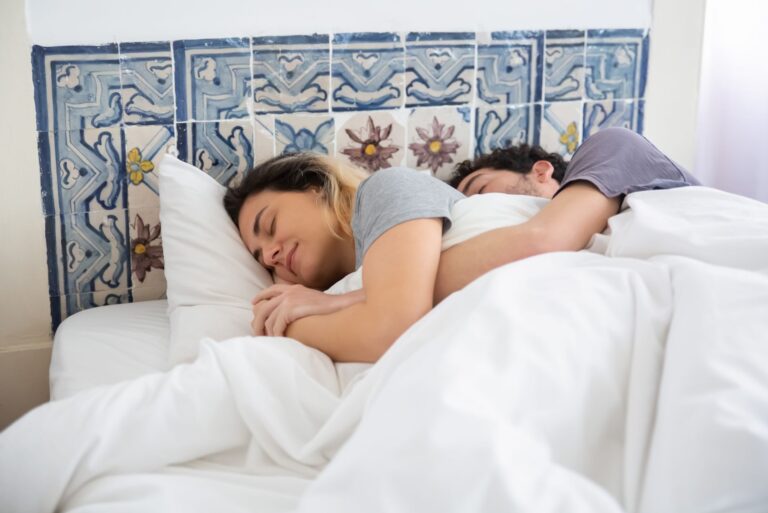
Sleep and Longevity
Sleep directly affects how long you live. The relationship between sleep quality and longevity is not theoretical—studies consistently show that people...
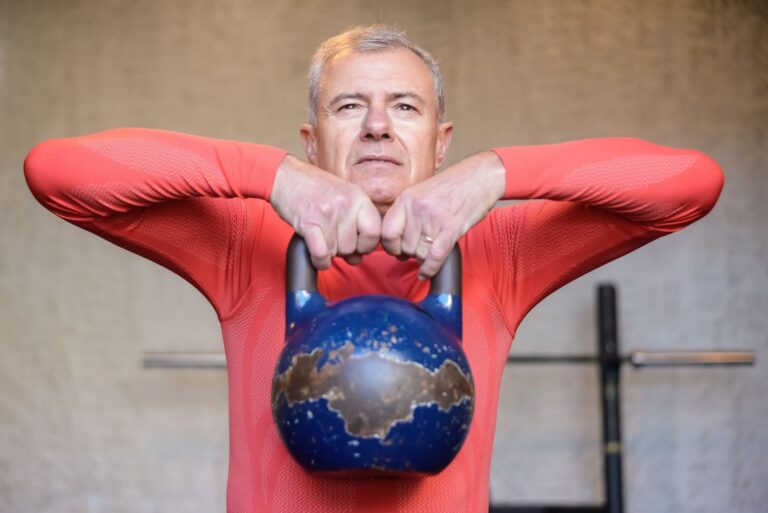
Strength Training and Longevity
Yes, strength training can significantly extend your lifespan. A landmark 30-year study from Harvard T.H.
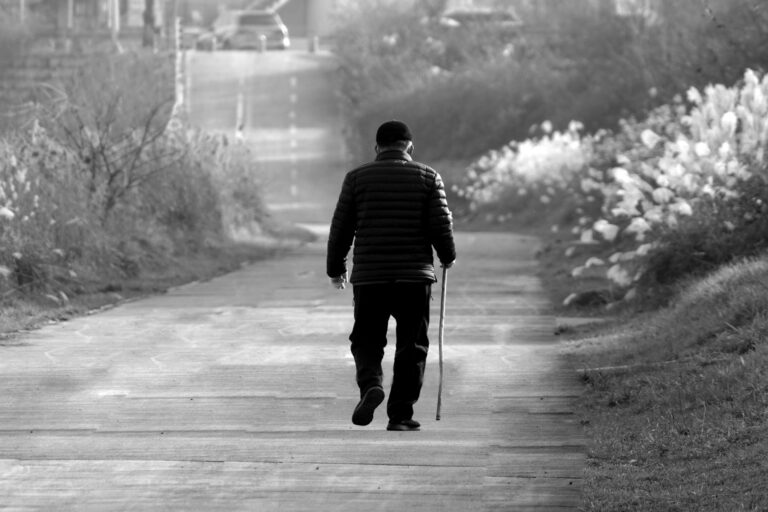
Walking and Life Expectancy
Regular walking can add years to your life. Multiple large-scale studies show that people who walk consistently have lower mortality rates—often 10 to 20...
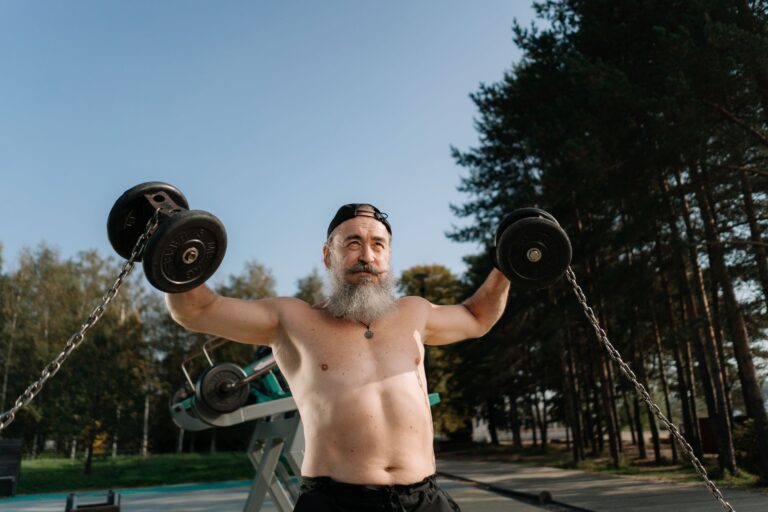
The Best Exercise for Longevity
The best exercise for longevity isn't any single activity—it's a combination of walking, strength training, and balance work done consistently over time.
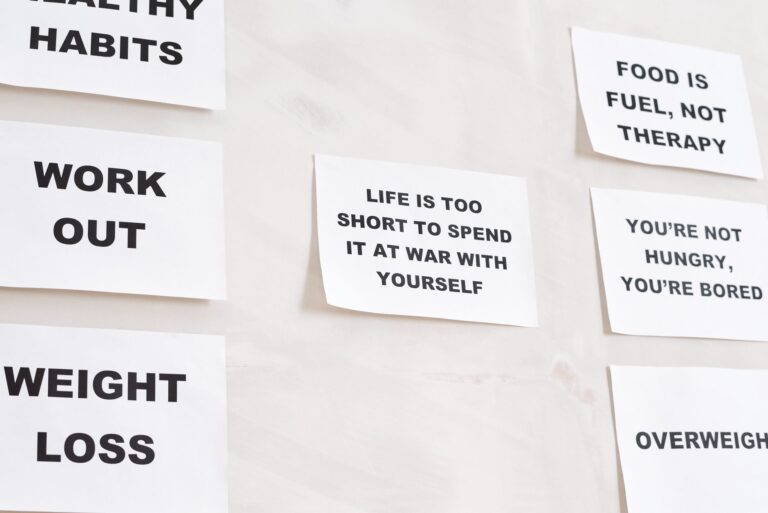
Habits That Help You Live Longer
The habits that help you live longer are surprisingly straightforward: consistent physical activity, a diet rich in whole foods, quality sleep, strong...

Blue Zones Explained
Blue Zones are real geographic regions where people regularly live to be 100 years old or older—and they do so with remarkably good health.
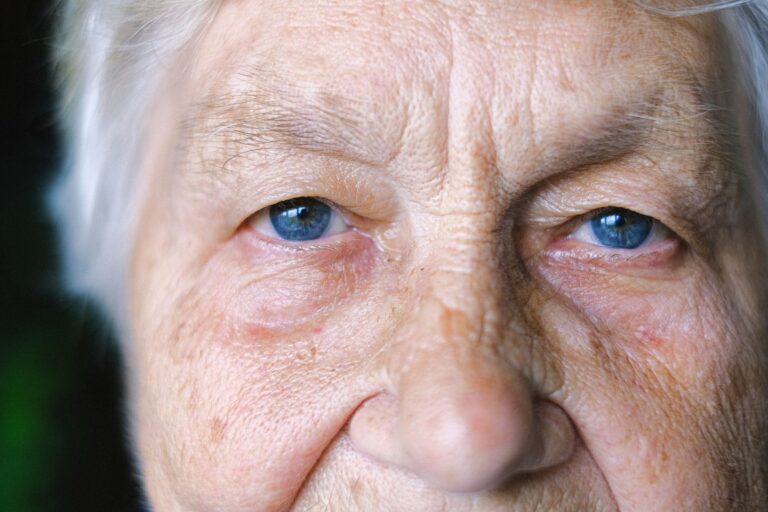
What Centenarians Have in Common
Centenarians—people who have lived past 100 years—share a remarkably consistent set of characteristics that have little to do with genetics alone and much...
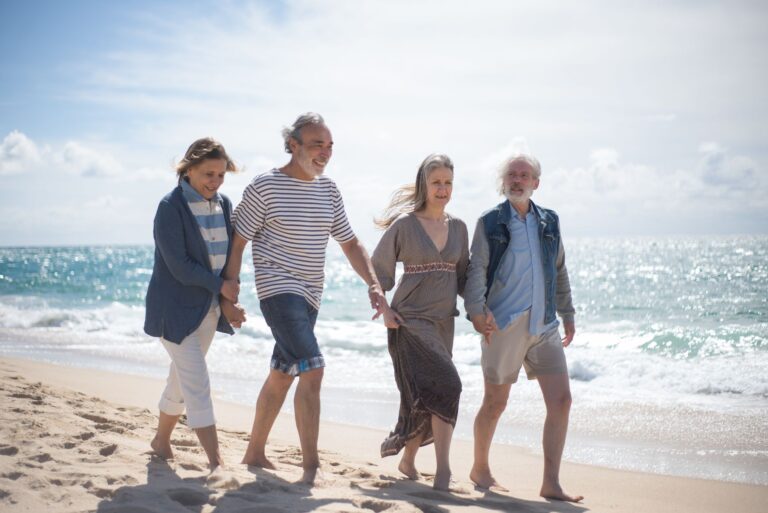
Purpose After Retirement
Purpose after retirement is the sense of direction, meaning, and engagement that sustains your life once your career ends.
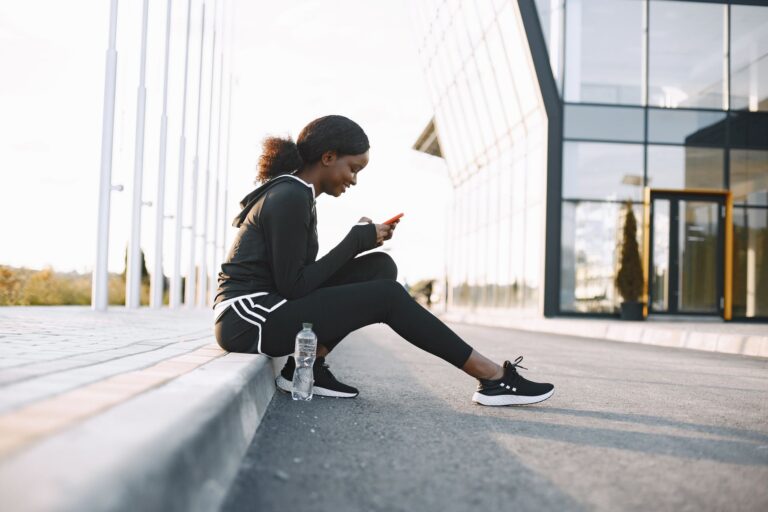
Building Healthy Routines
Building healthy routines is one of the most effective ways to maintain your independence as you age.
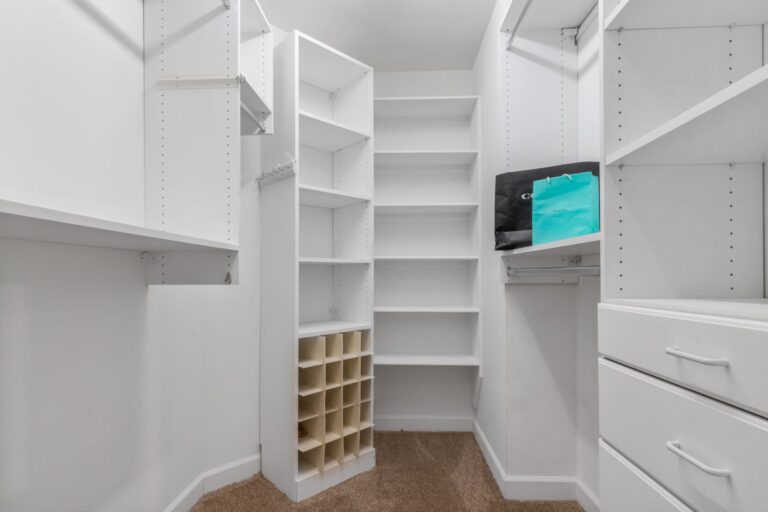
Home Organization
Home organization is the practice of arranging your living space so that you can find what you need, move safely, and maintain your independence…

Budgeting in Retirement
Budgeting in retirement is fundamentally different from working life because your income becomes fixed while your needs may shift unexpectedly.