
Community resources are the programs, services, and organizations in your area designed to support older adults in maintaining independence, staying connected, and addressing practical needs like transportation, health care, and social engagement. These resources span senior centers, meal programs, transportation services, counseling, recreational activities, and support groups—many of which are free or low-cost. A 78-year-old in suburban Ohio, for example, might access her local senior center’s exercise classes three times a week, receive meals through a Meals on Wheels program delivered to her home, and attend a caregiver support group to connect with others managing family care responsibilities, all within a few miles of her neighborhood.
Understanding what community resources exist and how to access them can make the difference between aging in place successfully and struggling in isolation. Many older adults don’t realize how much support exists nearby, or they assume services are too expensive, too complicated to find, or only for people in crisis. The reality is that most communities have a robust ecosystem of resources designed specifically for aging in place—the challenge is knowing where to look and how to navigate the system.
Table of Contents
- What Types of Community Resources Are Available for Older Adults?
- Senior Centers and Adult Day Programs as Hubs of Support
- Transportation and Mobility Services in Your Community
- How to Find and Access Local Community Resources
- Barriers to Using Community Resources and How to Overcome Them
- Technology and Virtual Community Resources
- Building Your Personal Community Resource Network
- Conclusion
- Frequently Asked Questions
What Types of Community Resources Are Available for Older Adults?
Community resources for aging adults fall into several major categories. Congregate meal programs and meal delivery services like Meals on Wheels provide nutrition support, social connection, and often a wellness check. Senior centers offer activities ranging from fitness classes and art programs to educational workshops and game days. Transportation services help people get to medical appointments, grocery stores, and social activities when driving becomes unsafe or impossible. Mental health and counseling services address depression, anxiety, grief, and adjustment to life changes—conditions that often go untreated in older adults.
Home modification services help assess and implement safety improvements like grab bars, ramps, and improved lighting. Adult day programs combine supervision, activities, and often meals in a structured setting that gives family caregivers respite. Beyond these core services, many communities also offer legal aid for estate planning and elder law issues, financial counseling and fraud prevention programs, technology training classes, volunteer opportunities, and peer support groups for specific conditions or situations. Some areas have age-friendly community initiatives that integrate multiple services and advocate for policy changes that make the community more accessible. The availability and quality of these resources varies dramatically by location—what exists abundantly in a mid-sized city may barely exist in a rural area, and some resources in wealthier communities may be absent in lower-income neighborhoods. Starting with your Area Agency on Aging (part of the national Older Americans Act network) is often the most efficient entry point, as these agencies maintain comprehensive local resource directories and can help connect you to appropriate services.

Senior Centers and Adult Day Programs as Hubs of Support
Senior centers function as the social and programmatic backbone of many communities’ aging services. Beyond being places to attend bingo or yoga, well-run senior centers serve as informal information hubs where staff know about other local services and can help people navigate the resource landscape. Many centers also offer health screenings, financial literacy classes, intergenerational programs that connect older adults with younger people, and volunteer opportunities that allow older adults to contribute and maintain a sense of purpose. A senior center in Portland, Oregon, for example, runs a volunteer tax preparation program where older adults with accounting backgrounds help lower-income community members file taxes—providing a practical service while keeping volunteers cognitively engaged and socially connected. Adult day programs serve a different but equally important function: they provide structured activities, socialization, and supervision for older adults who need more support but want to remain in their home and community.
These programs are particularly valuable for family caregivers who work during the day or need regular respite. The limitation to know: adult day programs require advance planning and reliable transportation, and they’re not available in all communities. Rural areas especially struggle to sustain these programs due to low population density and limited funding. Additionally, the quality varies significantly; some programs are essentially sophisticated babysitting, while others offer genuine cognitive stimulation and therapeutic activities. A caregiver should visit programs in person, observe a session, and ask specific questions about activities, staff training, and how they handle medical needs before enrolling a family member.
Transportation and Mobility Services in Your Community
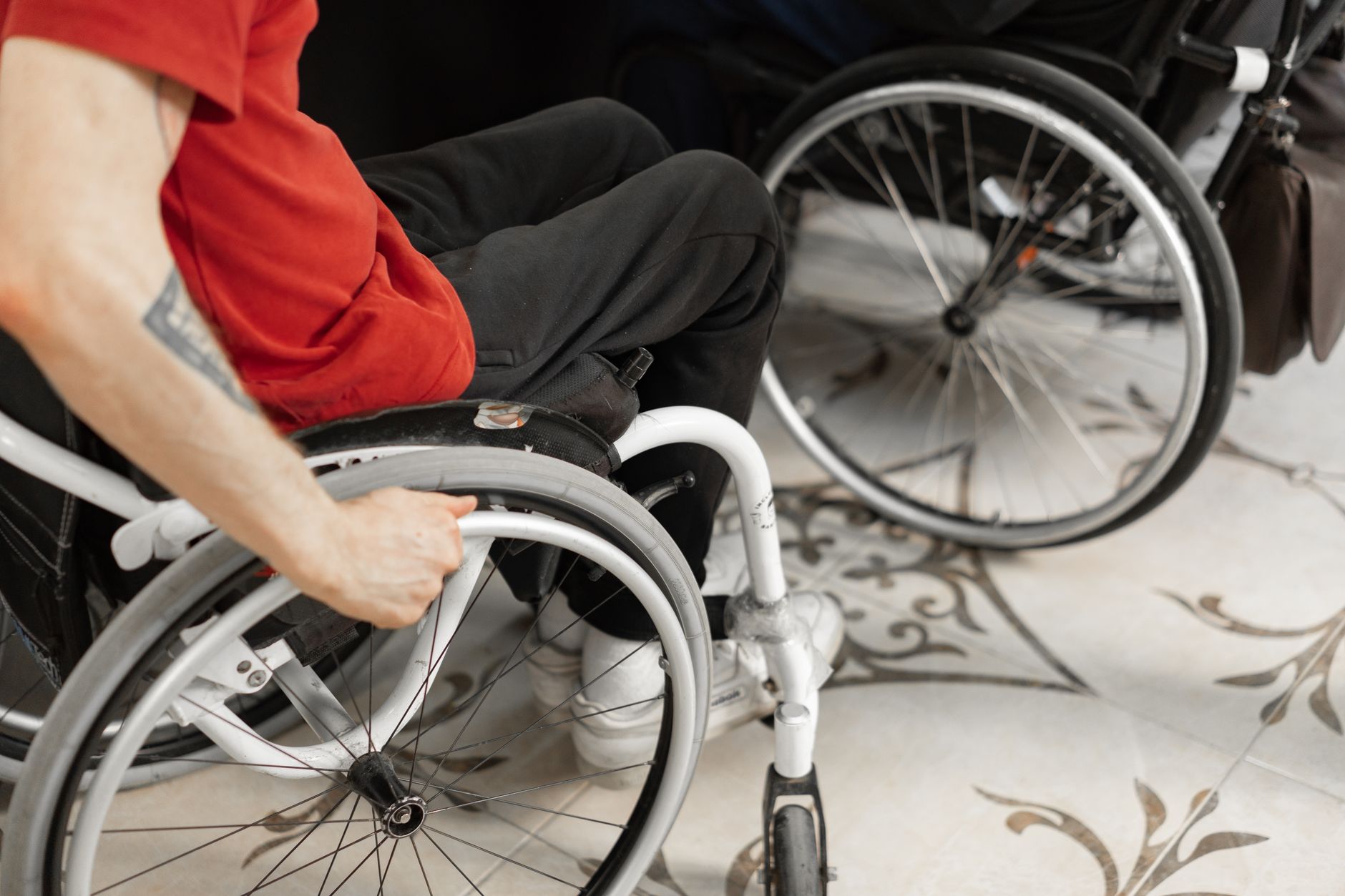
Getting to appointments, stores, and social activities is one of the most pressing practical challenges for aging adults, and many communities have developed specialized transportation services to address this need. Paratransit services—complementary or supplementary to public transit—provide door-to-door service for people who can’t access fixed-route buses due to physical or cognitive limitations. Many public transit systems also offer reduced fares for seniors. Some communities have volunteer driver programs through nonprofits, where vetted volunteers donate time to drive older adults to medical appointments or essential errands. Senior centers and Area Agencies on Aging often maintain lists of local taxi or ride-sharing companies that work with seniors and know how to assist people with mobility or cognitive challenges.
A critical limitation: transportation services, even when free or subsidized, often require advance booking—sometimes 24 hours or more—which doesn’t work for urgent needs. A person may need to get to an emergency medical appointment but can’t wait for paratransit’s booking window. Additionally, rural areas and even suburban communities often lack adequate transportation options, leaving people who no longer drive isolated and dependent on informal solutions like family members or neighbors. Some caregivers resort to paying for private transportation or using ride-sharing services like Uber or Lyft, which are more expensive but offer greater flexibility. An important warning: older adults using ride-sharing for the first time should practice with a caregiver present to understand how to use the app, how to enter the car safely, and how to communicate with drivers, as the technology and physical demands can be overwhelming without preparation.

How to Find and Access Local Community Resources
The most direct way to locate community resources is through your Area Agency on Aging (AAA), a federally funded network of agencies in every state designed to serve as the “go-to” resource for older adults and caregivers. You can find your local AAA through the Eldercare Locator (1-800-677-1116 or eldercare.acl.gov), a free national service. Your AAA can provide a comprehensive list of local services, answer questions, and help you navigate access to programs you qualify for. Many also offer care management or information and referral services—essentially a counselor who understands your specific situation and can recommend appropriate resources. Beyond the AAA, your local senior center, library, or hospital social work department can point you toward specific services. Your primary care doctor or geriatrician may also have referral relationships with local programs.
The practical comparison: calling your Area Agency on Aging typically gives you the most comprehensive and vetted information, but it requires navigating a phone system and possibly waiting for callback. Online searches let you research at your own pace but require more critical evaluation of what you find—not all websites are current, and some private companies masquerade as nonprofits or public agencies. Many communities now have online resource directories or apps (sometimes called “aging-friendly” portals), though quality and completeness vary. A tradeoff worth knowing: the best services often have waiting lists, enrollment periods, or income requirements. Meals on Wheels in many areas only serves people below certain income thresholds, or has long wait lists during winter months. Planning ahead—not waiting until you’re in crisis—dramatically improves your access to the most helpful and affordable resources.
Barriers to Using Community Resources and How to Overcome Them
Even when community resources exist nearby, real barriers prevent many older adults from accessing them. Stigma or shame about “needing help” keeps some people from using meal programs or senior centers, even when they would benefit. Transportation challenges work both ways—you need transportation to get to the resource, but you’re trying to access transportation services or mobility programs. Language barriers affect older immigrants. Unreliable information (neighbors saying a program doesn’t exist or isn’t good, when in fact it’s excellent) spreads quickly in communities. Digital divides mean some people can’t use online registration or scheduling systems.
Cognitive decline makes navigating multiple agencies and applications overwhelming. A key warning: waiting until a crisis occurs—a fall, a hospitalization, a caregiver burnout—severely limits your options and forces acceptance of whatever services are immediately available rather than choosing the best fit. An 82-year-old who falls and is discharged from the hospital without advance planning for home help or modifications may end up in a facility bed when community-based services could have worked. Overcoming these barriers requires proactive effort: identify potential resources while you’re still healthy and functioning well, visit programs in person, connect with a care manager or counselor who can advocate for you, and involve family members or trusted friends in understanding what’s available. If language is a barrier, ask if the agency has interpretation services or bilingual staff. If digital access is hard, ask if someone can help you register by phone instead of online.
Technology and Virtual Community Resources
The landscape of community resources expanded significantly during and after the pandemic, with many programs adding virtual components—online fitness classes, telehealth counseling, video-based support groups, and digital skill-building workshops. For someone with mobility limitations, severe weather, or transportation challenges, virtual options can be genuinely life-changing. A 76-year-old with arthritis in Portland can attend a water aerobics class in San Francisco via Zoom without leaving home. Online support groups for caregivers operate 24/7 and reach people in rural areas where local in-person groups don’t exist.
The limitation: not all older adults are comfortable with technology, and virtual programs don’t fully replicate the in-person social experience that combats isolation. A video fitness class doesn’t provide the social warmth of attending class in person with the same group each week. Technology also introduces new barriers—someone needs a device, internet connection, and basic digital literacy to participate. Hybrid models—combining in-person and virtual options—are increasingly common in well-resourced communities, but aren’t universal. When exploring virtual options, ask if the program offers phone-dial-in access (rather than requiring internet), if there’s tech support available, and if recordings are provided for people who can’t attend live sessions.
Building Your Personal Community Resource Network
The most effective approach to aging in place is treating community resources not as a checklist to complete but as a network to develop over time. This means identifying which resources align with your priorities and values, establishing relationships with key people at those organizations, and integrating services into your regular routine. A proactive older adult might attend a senior center class weekly, establish a relationship with the center’s social worker, sign up for an email newsletter about upcoming programs, and over time develop friendships with other regular attendees—transforming the center from an unfamiliar institution into a familiar community hub.
As needs change—losing a spouse, developing a chronic condition, caregiving intensity increasing—you already have connections in place to ask about new services and navigate transitions more smoothly. This kind of proactive community integration also strengthens social connection, reduces isolation, and often catches problems early (a care manager or peer at a support group notices cognitive changes before family does). Building this network while you’re still high-functioning and have time to explore creates a foundation that can support you through the challenges that aging inevitably brings.
Conclusion
Community resources exist in most places to support aging in place, but accessing them requires intentional exploration and planning. Starting with your Area Agency on Aging, visiting senior centers and programs in person, and building relationships with staff and peers creates a sustainable foundation for staying connected, informed, and supported as you age. Many of these resources are free or low-cost, yet widely underutilized—often because people don’t know they exist or assume they’re for someone else’s situation.
The key is beginning early, before crisis forces your hand. Explore your community’s resources while you’re healthy, identify what resonates with you, get involved, and let those connections deepen over time. Your community likely has far more support available than you realize—the challenge is taking the first step to find it.
Frequently Asked Questions
How much do most community resources for seniors cost?
Many are free or very low-cost. Meals on Wheels, senior center activities, transportation services, and support groups are often subsidized by government funding, nonprofits, or donations. Some programs charge on a sliding scale based on income. Your Area Agency on Aging can tell you specific costs for programs in your area.
What if I live in a rural area where few services exist?
Rural areas do face genuine gaps. Start by checking what exists through your Area Agency on Aging, which may offer phone-based counseling or information services even if in-person programs are limited. Virtual programs and telehealth services are increasingly filling this gap. Some rural communities also have strong informal networks of neighbors and faith communities that provide support.
How do I know if a community program is any good?
Visit in person before committing. Talk to current participants, observe the activities, ask staff about training and qualifications, and check if the program is accredited or endorsed by your Area Agency on Aging. One visit gives you far more accurate information than any website or review.
Can family caregivers access resources too?
Absolutely. Support groups for caregivers, caregiver counseling, respite programs (like adult day care), and caregiver education classes are specifically designed for family caregivers. Your Area Agency on Aging maintains these resources and can help match you to what fits your situation.
What should I do if I can’t find a specific service I need?
Call your Area Agency on Aging and describe what you’re looking for. They may know of underutilized services you haven’t found, or they may be able to connect you with alternative solutions. If the service truly doesn’t exist locally, they can also advocate for its development.