
Winter safety for older adults and those aging in place centers on three critical challenges: preventing falls on ice and snow, managing the health risks of cold weather exposure, and maintaining mobility and independence when outdoor conditions deteriorate. A 78-year-old with mild arthritis fell on black ice in her driveway while retrieving the mail—a routine task she’d done hundreds of times—and fractured her hip, requiring surgery and three months of rehabilitation. This kind of incident is not rare; falls increase significantly in winter, and cold-related illnesses send thousands of older adults to the hospital each year.
The good news is that winter hazards are largely preventable with proper planning, home modifications, and behavioral changes. Winter creates unique risks that differ from other seasons because they combine multiple factors at once: slippery surfaces, reduced visibility, cold that can impair judgment and coordination, isolation due to weather, and the stress winter places on chronic health conditions. For someone committed to aging in place safely, winter requires intentional preparation—not panic, but practical measures taken before snow arrives.
Table of Contents
- How Do Falls and Slips Become More Dangerous in Winter?
- Understanding Cold-Related Illness and Hypothermia Risk
- How Does Winter Affect Chronic Health Conditions?
- Creating a Winter-Safe Home Environment
- What Winter Activities Are Genuinely Safe, and Which Should You Avoid?
- Winter Medication Management and Hydration
- Building a Winter Safety Network and Looking Forward
- Conclusion
How Do Falls and Slips Become More Dangerous in Winter?
Winter precipitation and ice create the most immediate hazard: slippery surfaces that compromise balance and grip. Even a person with steady balance in summer can lose footing on ice or packed snow. The problem is compounded by the need to wear bulkier clothing and footwear that restricts movement and vision; heavy coats limit arm mobility for balance correction, and winter boots—though necessary—often have less traction than regular shoes. Roads and sidewalks also become hazardous, meaning that tasks like getting to medical appointments or the pharmacy become riskier.
The statistics bear this out: emergency room visits for fall-related injuries spike in winter months, particularly among adults over 65. Some of this increase is due to falls outdoors, but many happen indoors on wet floors tracked in from outside, or on stairs where moisture has accumulated. A secondary risk comes from rushing—someone hurrying to get inside from the cold or moving quickly to retrieve something may skip safety steps like using a handrail or slowing their pace. Prevention starts with home modifications: installing grab bars on exterior steps, applying non-slip tape to walkways, and keeping a shovel and ice melt readily available so you can clear paths while the weather is still light. Some older adults benefit from using a cane or walker outdoors year-round, though others only need them in winter; the key is being honest about your actual balance and not assuming that because you manage fine in summer, you’ll manage in winter.

Understanding Cold-Related Illness and Hypothermia Risk
Older adults lose body heat more easily and may not notice the signs of dangerous cold exposure until it’s advanced. Hypothermia—when core body temperature drops below 95 degrees—can develop even in moderately cold temperatures (50-60 degrees) if someone is wet, immobile, or not adequately dressed. Unlike younger people who shiver and seek warmth instinctively, older adults often don’t shiver effectively, and their internal temperature regulation is less responsive. Someone sitting quietly indoors in an unheated room or someone who becomes stranded outdoors can develop hypothermia without realizing how serious the situation has become. Early signs of hypothermia include confusion, slurred speech, loss of coordination, and unusual behavior—symptoms that might be mistaken for dementia, stroke, or intoxication if you don’t know what you’re looking for.
A person with hypothermia may paradoxically remove clothing (a phenomenon called “paradoxical undressing”) or become combative when help is offered. The limitation here is that prevention requires planning during warm months: ensuring your heating system is serviced in fall, knowing how to layer clothing properly, and having an emergency kit with blankets, hand warmers, and a way to call for help if you get stranded. Preventing cold-related illness also means staying active and eating adequately, since your body burns calories to generate heat. Someone isolated during a winter storm who is not eating enough may become hypothermic even if they have blankets. This is why building social connections and having a buddy system matters—someone who checks on you daily can catch dangerous situations early.
How Does Winter Affect Chronic Health Conditions?
Winter exacerbates many chronic conditions common in older adults. Heart attack and stroke risk increase in cold weather; the cold causes blood vessels to constrict, raising blood pressure and putting extra strain on the cardiovascular system. People with arthritis often experience increased pain and stiffness in cold, cold months, which can reduce mobility and increase fall risk in a vicious cycle. Respiratory conditions like asthma and COPD worsen when breathing cold, dry air, particularly during exercise or exertion like snow shoveling.
Depression and seasonal affective disorder (SAD) are also more common in winter, driven by reduced daylight and limited outdoor activity. Someone aging in place who is already isolated may find winter isolation even more pronounced, leading to reduced motivation to move, eat well, or engage in activity. The limitation is that you cannot simply will yourself to feel better; seasonal depression is a real physiological response that may require professional support—whether light therapy, counseling, or medication adjustment. Managing chronic conditions in winter means staying in close contact with your healthcare provider, taking medications consistently, maintaining movement indoors if outdoor activity isn’t safe, and being alert to changes in symptoms that might signal worsening disease. If you have heart disease or respiratory disease, shoveling snow is not a safe option; the exertion, cold exposure, and strain on the cardiovascular system combine to create high risk even for relatively healthy older adults.
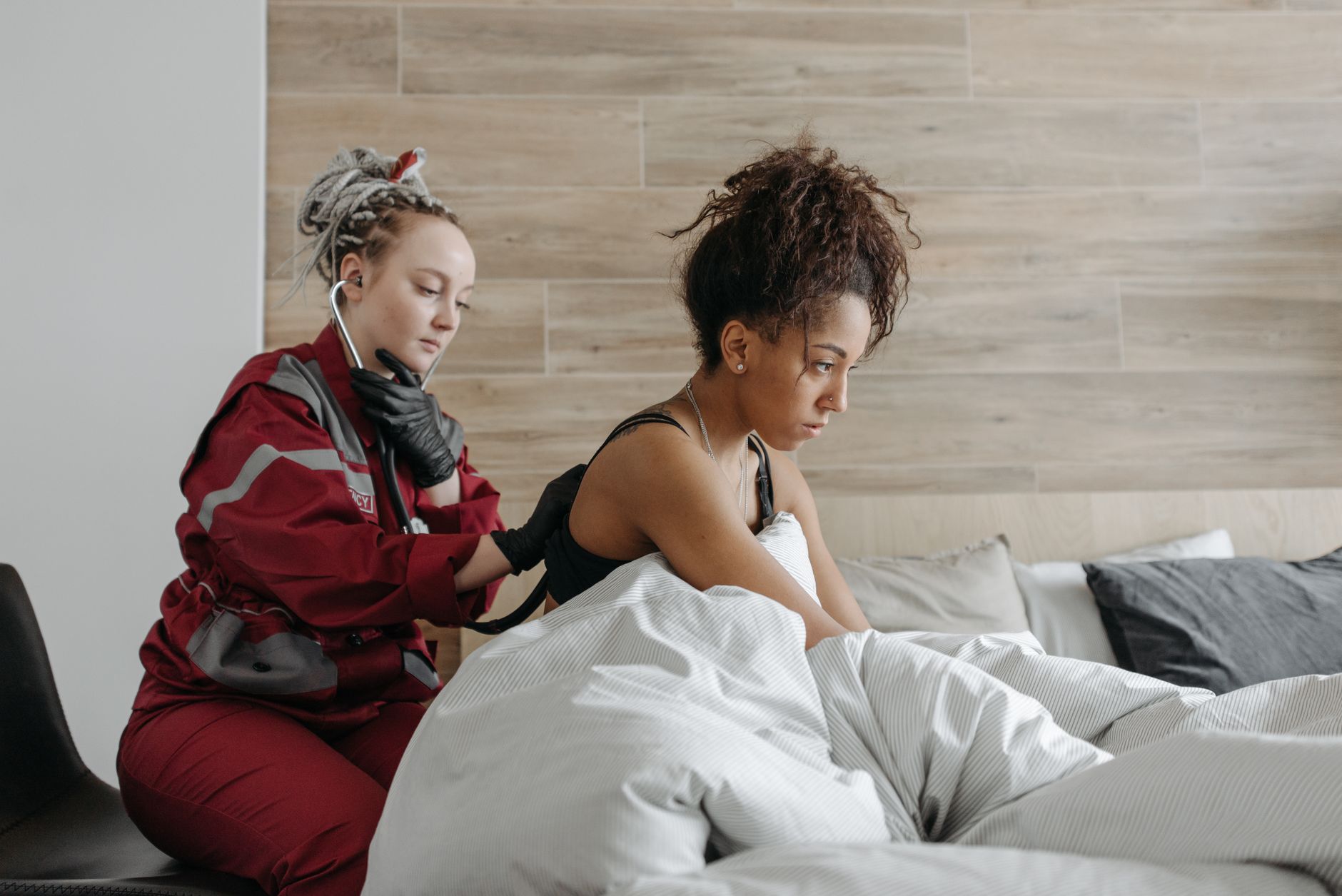
Creating a Winter-Safe Home Environment
Your home is your primary refuge in winter, and making it genuinely safe requires several practical steps. Ensure heating is adequate and distributed evenly; an older adult living on a limited income might be tempted to heat only one room to save money, but this creates dangerous temperature imbalances and leaves paths to the bathroom or kitchen cold. Test your heating system in fall before you need it in December; a furnace that fails after the first snow is a crisis. Keep a backup heat source (a safe space heater or fireplace) available, with knowledge of how to use it without creating a fire hazard or carbon monoxide risk. Lighting becomes critical in winter, when darkness falls by 5 p.m. Ensure pathways, stairs, and entryways are well-lit.
Motion-sensor lights are inexpensive and reduce the chance of entering a dark room. Keep a flashlight in accessible locations, and consider a headlamp or clip-on light if your mobility requires both hands. The tradeoff is that adequate lighting uses electricity, but the cost is minimal compared to the cost of a fall or a missed step in darkness. Indoor air quality also matters in winter, when homes are sealed tight. Dry air from heating irritates respiratory passages and skin; a humidifier can help, but so can simply drinking more water and ensuring adequate ventilation to prevent carbon monoxide buildup from gas appliances or fireplaces. Stock supplies of essential items—medications, food, batteries, blankets—so that if weather prevents you from leaving home, you have what you need.
What Winter Activities Are Genuinely Safe, and Which Should You Avoid?
The temptation in winter is to stay indoors entirely, which creates its own problems: muscle loss, mood decline, and stiffness that makes you more vulnerable to falls when you do venture out. Safe winter activity for older adults means moving indoors, maintaining routine, and being selective about outdoor exposure. Walking inside a shopping mall, doing gentle stretching or tai chi at home, or swimming in an indoor pool all maintain movement and prevent deconditioning. The activities to avoid are those with high fall risk combined with remote location: alone, shoveling snow is dangerous; sledding is dangerous; walking on black ice without proper footwear is dangerous. The warning here is not that you must never go outside—that’s unrealistic and harmful—but that you should have support and modifications.
Shoveling should be done in short bursts, with frequent rest breaks, with someone nearby, and ideally with a lightweight shovel. Walking outdoors should be on cleared paths, in daylight, wearing appropriate footwear, and ideally with a companion or at least with a cell phone and someone who knows your plans. Many older adults benefit from a daily routine that includes some outdoor exposure, even in winter—sitting by a window to get natural light, taking a short walk on a cleared sidewalk, or sitting outside briefly on a clear, mild day. These activities improve mood, maintain vitamin D production, and reduce the psychological burden of isolation. The key is matching activity to individual capacity and conditions rather than avoiding all outdoor exposure.
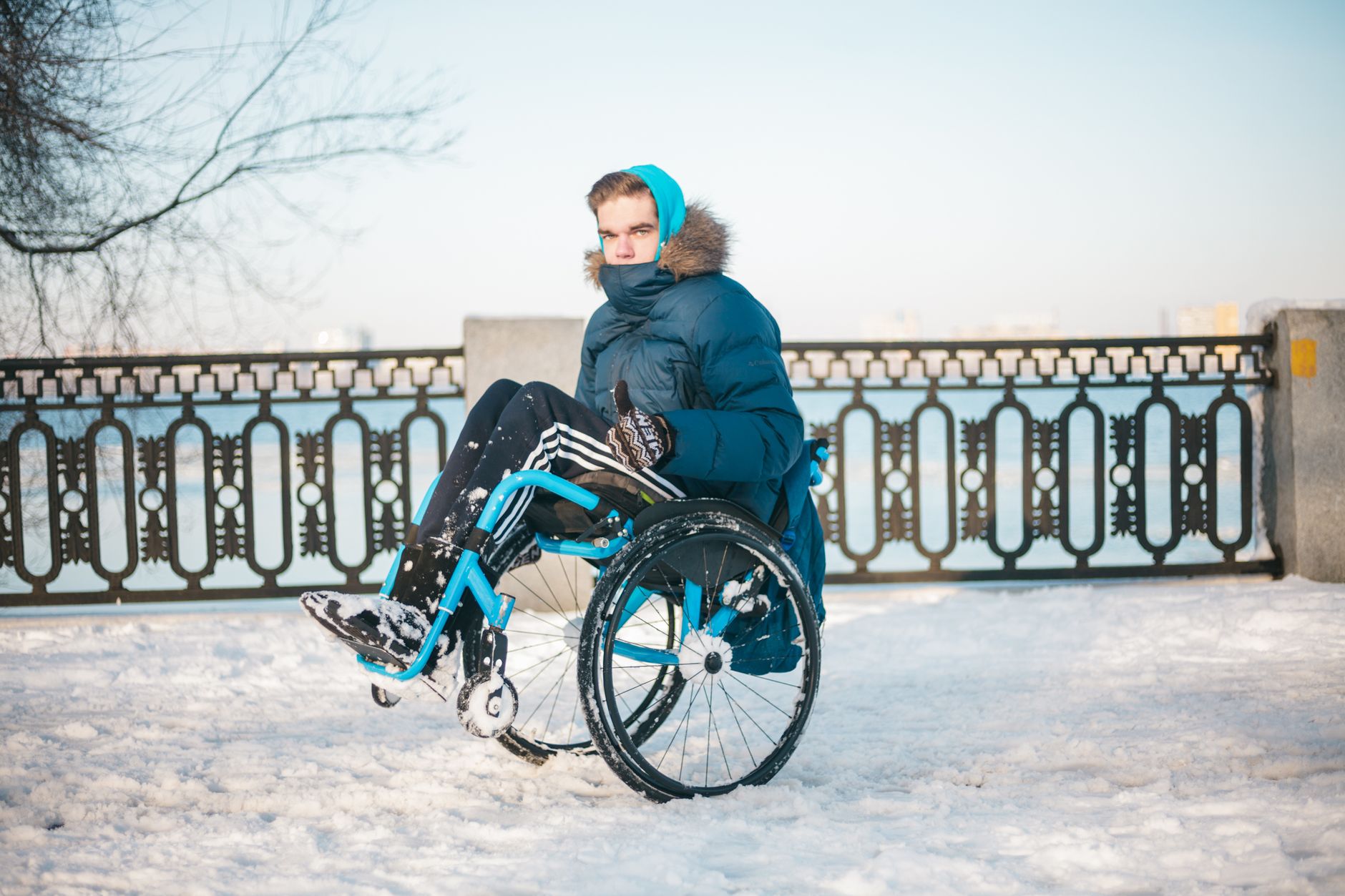
Winter Medication Management and Hydration
Winter is a forgotten risk for dehydration. People drink less water in cold weather because they don’t feel thirsty, but the dry air of heated homes and the loss of appetite that sometimes accompanies cold weather can easily lead to inadequate fluid intake. Dehydration in an older adult can trigger confusion, constipation, urinary tract infection, and falls. The simple solution—drinking water consistently throughout the day—is easy to forget when you’re not hot and sweating.
Medications can also behave differently in winter. Some medications become less effective when stored in cold environments; insulin, for example, can lose potency if frozen. If you take medications and live where winter temperatures drop below freezing, ensure you understand proper storage. Additionally, the combination of reduced activity, altered diet, and potential medication interactions becomes more complex in winter; a medication that was well-tolerated when you were more active may cause dizziness or falls when you’re more sedentary.
Building a Winter Safety Network and Looking Forward
Winter safety is not something you manage alone. Building a network—family, neighbors, friends, or hired help—creates a safety net that catches problems early. A neighbor who checks on you daily, a family member who calls regularly, or a local services coordinator who visits can all help prevent isolation and catch signs of trouble like illness, depression, or home hazards. For someone aging in place, this network is as important as grab bars or non-slip shoes.
Looking forward, winter safety planning should become part of your annual routine: in fall, you prepare your home and plan your strategies; in spring, you review what worked and what didn’t. As you age further or if your mobility or health changes, your winter strategy will need to adapt. Someone who was comfortable walking outdoors at 70 might need different strategies at 80. The goal is not to fear winter but to respect its real hazards and plan accordingly, so that you can continue living independently and safely through the cold months.
Conclusion
Winter safety for older adults aging in place depends on honest assessment of your abilities, practical home modifications, planning that begins in fall, and building a network of support. The three pillars are preventing falls through environmental changes and safe footwear, managing the health risks of cold exposure through adequate heat and movement, and staying connected so that isolation doesn’t become a secondary hazard.
None of these require isolation or abandoning independence; they require intention. Start now, before winter arrives: test your heating system, install grab bars if needed, identify your winter activity plan, and reach out to neighbors, family, or local services to establish regular check-ins. Winter is manageable when you plan for it.