
Exercise slows aging at the cellular level by preserving the function of your mitochondria—the energy-producing structures inside your cells—and by protecting your telomeres, which are the protective caps on your DNA that naturally shorten over time. When you move your body regularly, you activate cellular repair mechanisms that counteract inflammation, reduce oxidative stress, and help your cells stay younger. This isn’t metaphorical: a 65-year-old who exercises regularly often has cellular markers of someone 10 to 20 years younger, better muscle mass, stronger bones, and a cardiovascular system that works more like someone decades junior.
For someone committed to aging in place, exercise is one of the most powerful tools available to maintain independence, prevent falls, and keep doing the activities that matter—gardening, playing with grandchildren, climbing stairs without fatigue. The mechanism is straightforward: muscles act as your body’s largest endocrine organ, releasing compounds that reduce inflammation throughout your system and improve how your body processes glucose and manages weight. Regular exercise also stimulates growth factors like IGF-1 and BDNF, which support nerve health and cognitive function. A practical example: a 72-year-old woman who walks 30 minutes most days, does some basic strength work, and stays active with household tasks will typically have better balance, faster walking speed, and lower risk of hospitalization than a sedentary peer, translating directly to more years of independence and fewer falls.
Table of Contents
- What Does It Mean for Exercise to Slow Aging?
- How Exercise Protects Your Cells and Organs
- Exercise and Maintaining Physical Independence
- Building a Sustainable Exercise Routine for Aging Adults
- Common Mistakes and Safety Concerns When Starting Exercise Later in Life
- Social and Mental Benefits That Keep You Younger
- Making Exercise a Long-Term Habit for Independence
- Conclusion
- Frequently Asked Questions
What Does It Mean for Exercise to Slow Aging?
Aging is not a single process but a collection of cellular and physiological changes: accumulated damage to DNA, declining muscle mass (sarcopenia), reduced bone density, decreased cardiovascular efficiency, and a buildup of senescent cells—cells that no longer divide but release inflammatory chemicals. Exercise addresses multiple pathways simultaneously. When you exercise, you trigger autophagy, a cellular cleanup process that removes damaged components and reduces the buildup of junk proteins linked to neurodegenerative disease. You also increase mitochondrial biogenesis, meaning your cells actually produce new, healthy mitochondria to replace worn-out ones.
Studies using biological age markers show that people who meet exercise guidelines have a biological age 5-16 years younger than their chronological age, while sedentary people often show the opposite pattern. The comparison is striking: two 70-year-olds with identical chronological age and genetics can have vastly different biological ages depending on physical activity patterns. One, who walks daily and does resistance work, might have the cardiovascular reserve, muscle mass, and inflammatory markers of a 55-year-old. The other, sedentary, might show markers consistent with an 80-year-old. This gap explains why exercise is sometimes called a “drug” for aging—it works across nearly every system your body uses.

How Exercise Protects Your Cells and Organs
At the cellular level, exercise works by inducing stress that your body adapts to by becoming stronger and more resilient. When you exercise, your muscle cells signal the release of myokines—signaling molecules that reduce whole-body inflammation, improve insulin sensitivity, and protect your brain. Your cardiovascular system responds by improving arterial flexibility, lowering blood pressure, and improving the delivery of oxygen to tissues. Over time, your heart becomes more efficient, your lungs deliver oxygen more effectively, and your capillaries expand to feed more tissue. This is why long-term exercisers often have resting heart rates 40-50 beats per minute, compared to sedentary people whose resting rates climb into the 70s and 80s.
However, there’s a limitation worth acknowledging: not all aging can be reversed through exercise alone. If you have existing nerve damage from diabetes, or significant bone loss already present, exercise can slow further decline but may not fully restore what’s been lost. Additionally, overtraining or poorly executed exercise can cause injury, inflammation, and actually accelerate some aging processes in the short term. A 68-year-old who suddenly adopts an intense CrossFit routine without proper progression might injure joints or overload their system, causing inflammation spikes that temporarily worsen biological markers. The key is progressive, consistent, moderate exercise—not heroic or sudden changes. Starting slowly and building gradually minimizes injury risk while still activating these protective cellular pathways.
Exercise and Maintaining Physical Independence
Physical independence depends on a handful of specific capacities: muscular strength, cardiovascular endurance, balance, flexibility, and coordination. Exercise preserves all of them. A concrete example: climbing stairs requires quadriceps strength, cardiovascular capacity to deliver oxygen, balance, and confidence. A 75-year-old who has done regular strength training and walking can climb a flight of stairs without grabbing the rail, without stopping midway for breath, and without fear of falling. The same person who became sedentary five years ago—maybe after an injury or health scare—might need to grip the railing, take it slowly, and feel genuine anxiety about missteps.
This isn’t a small difference; it’s the difference between living independently in your own home and needing to move to single-floor housing or accepting ongoing caregiver support. Exercise also preserves proprioception—your body’s ability to sense where it is in space—which deteriorates with inactivity. Proprioceptive decline is why sedentary older adults fall more: not just because they’re weak, but because they lose the confidence and feedback loops that help them move safely. Regular movement, especially activities that challenge balance like walking outdoors, tai chi, or even regular household activities, maintains these neural pathways. For someone trying to stay in their own home as they age, this preservation of balance and proprioception is as critical as muscle strength.
Building a Sustainable Exercise Routine for Aging Adults
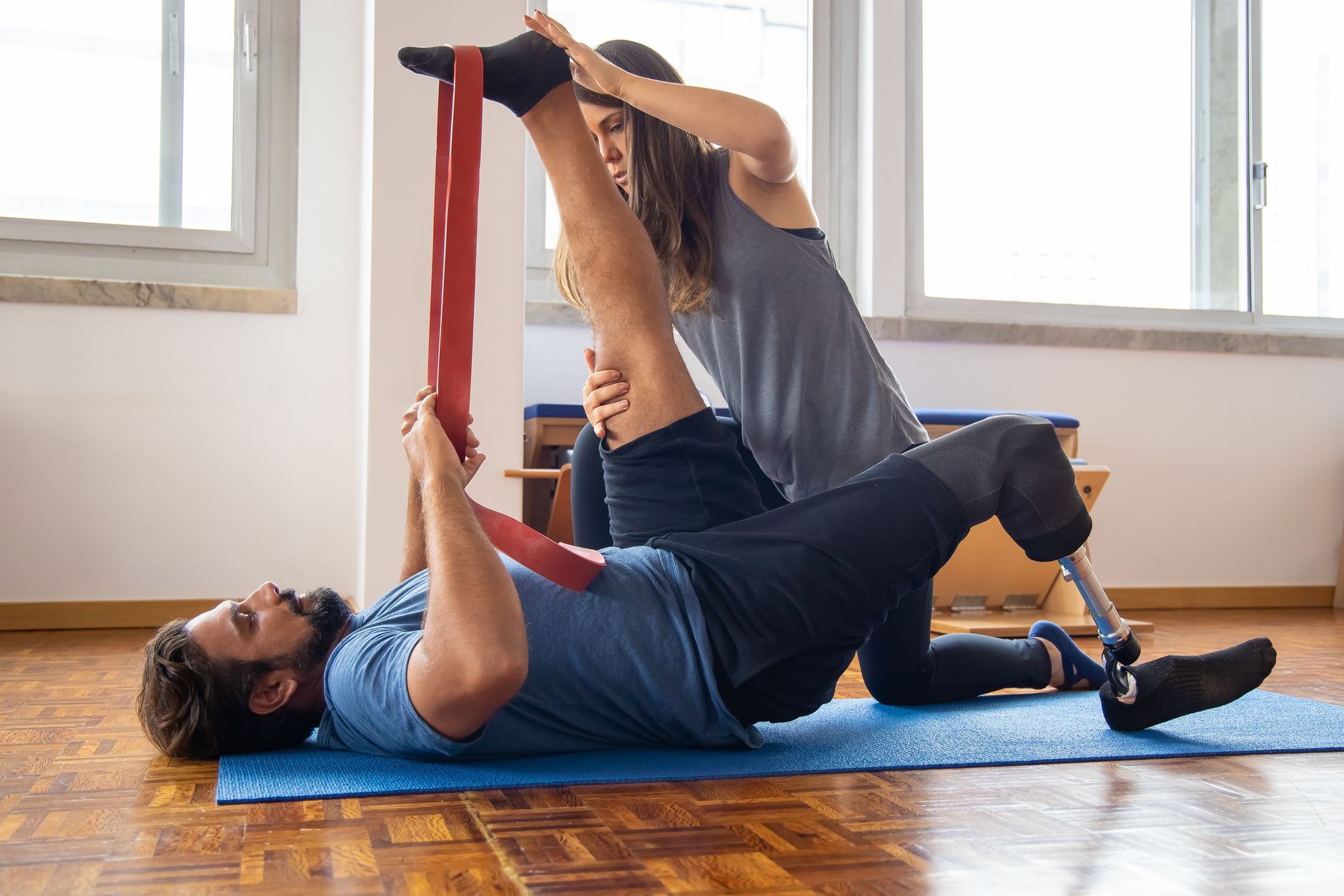
The most effective exercise regimen for slowing aging in older adults combines three elements: aerobic activity (walking, swimming, cycling), strength training (weights, resistance bands, bodyweight), and flexibility or balance work (stretching, yoga, tai chi). You don’t need expensive gym memberships or complex programming. A practical routine might be: 30 minutes of walking most days, two sessions per week of basic strength work (10-15 minutes each, targeting legs, arms, core), and 10 minutes of stretching. This totals roughly 3-4 hours per week and produces measurable improvements in muscle mass, cardiovascular function, and biological age within 12 weeks.
The tradeoff is consistency versus intensity. Many older adults feel pressured to exercise hard or constantly—running marathons, spinning classes, hour-long gym sessions—but research shows that moderate, consistent exercise produces better results than sporadic intense effort, especially for aging. A 70-year-old who walks 30 minutes five days per week will see greater improvements in longevity and independence than one who does two intense gym sessions per month and stays sedentary otherwise. Building sustainability means choosing activities you actually enjoy: walking in nature, swimming, dancing, gardening—activities that don’t feel like punishment and that you’ll stick with for years. That’s where the real benefit lives.
Common Mistakes and Safety Concerns When Starting Exercise Later in Life
The biggest mistake is starting too aggressively after a long sedentary period. A 68-year-old who hasn’t exercised in five years shouldn’t begin with 45-minute walks or lifting heavy weights. The risk is injury, joint pain, or overwhelming fatigue that leads to quitting. A safer progression: start with 10-15 minute walks and light household activity for the first two weeks, then gradually extend duration. Any new ache or pain that persists beyond a few days should prompt a check with your doctor before continuing. Another warning: ignoring pain signals or pushing through genuine discomfort.
There’s a difference between the mild muscle soreness of a new activity (acceptable) and joint pain or sharp pain (a sign to stop and reassess). Many older adults who develop knee or shoulder problems after starting exercise have the thought, “I should have stopped earlier and adjusted my approach,” but feel trapped in the pain. The solution is progressive loading: very light for the first week, then gradually increase as your body adapts. Finally, don’t ignore recovery. Older adults need adequate sleep, hydration, and rest days—working out hard every day can actually impair the adaptation that produces anti-aging benefits. Three to four quality sessions per week, mixed with active recovery (light walking, stretching), works better than daily intense effort.

Social and Mental Benefits That Keep You Younger
Exercise’s anti-aging effects aren’t only physical. Regular activity, especially group activity like walking clubs, group classes, or team sports, combats loneliness and depression—both significant accelerators of aging. Loneliness produces chronic inflammation and weakens immune function, essentially aging your body faster. A 72-year-old who joins a walking group gets the cardiovascular benefit of the walking itself, plus the cognitive stimulation and social connection of regular friendships—a combination that shows measurable impacts on brain aging, memory, and life expectancy.
Exercise also releases endorphins and improves sleep quality, both of which have direct effects on aging at the cellular level and on quality of life. A specific example: a widower, 76, who was sedentary and isolated after his wife’s death, joined a low-impact water aerobics class. Within six weeks, he had regained muscle definition in his arms and core, his balance improved noticeably, but equally important, he had made friends, had something to look forward to three times per week, and reported feeling less depressed. His biological markers—inflammation, glucose metabolism—improved measurably. This intersection of physical, cognitive, and social benefit is why exercise is so powerful: it’s not just about muscles.
Making Exercise a Long-Term Habit for Independence
The difference between someone who stays independent into their 80s and someone who becomes dependent on caregiving in their 70s often comes down to a simple habit: consistent movement. This doesn’t require perfection. A day missed here or there doesn’t erase benefits.
But the people who win—who maintain mobility, strength, and independence—are those who see movement as a non-negotiable part of life, like brushing their teeth, as essential and automatic. Making this happen requires removing friction: choose activities close to home, schedule them at the same time each day so they become automatic, find a walking partner or class that creates accountability, and celebrate small wins (new distance, better balance, easier stairs) to reinforce the habit. The forward-looking reality is that your future independence largely depends on what you do with your body today and over the next few years. Exercise isn’t a temporary intervention; it’s an investment in whether you’ll live independently in your 80s or require ongoing care.
Conclusion
Exercise slows aging by preserving muscle mass, protecting cellular function, reducing inflammation, and maintaining the cardiovascular and nervous system efficiency that independence demands. A practical routine of regular walking, basic strength work, and flexibility practice—totaling a few hours per week—produces measurable improvements in biological age, physical capability, and independence.
You don’t need to be athletic or young to start; you need to start where you are, progress gradually, and maintain consistency. The stakes are real: the difference between a 75-year-old who exercises regularly and one who doesn’t often determines whether they can stay in their own home, live independently, and enjoy quality of life in their later years. If maintaining independence and staying in your home matters to you, starting a sustainable exercise routine now—and keeping it going—is one of the most powerful decisions you can make.
Frequently Asked Questions
How quickly will I see improvements if I start exercising at 70?
Cellular and cardiovascular improvements begin within 2-3 weeks. Noticeable changes in strength, endurance, and daily capability typically show within 6-8 weeks of consistent effort. Don’t expect dramatic transformation, but measurable, meaningful improvement happens faster than most people expect.
Is it dangerous to start exercising after being sedentary for years?
Sedentary to moderate activity is generally safe, especially walking and gentle strength work. Rapid, high-intensity exercise carries more risk. Check with your doctor first if you have existing health conditions, chest pain, severe shortness of breath, or joint damage. Start slowly and progress gradually.
Can exercise reverse aging, or just slow it down?
Exercise predominantly slows aging and prevents further decline. Some aspects of aging—like lost muscle mass from inactivity—can be partially recovered through training. However, aging can’t be reversed entirely. The goal is to compress morbidity: stay active and healthy as long as possible, then have a relatively short period of decline at the very end of life.
What’s the minimum amount of exercise needed to benefit?
150 minutes of moderate aerobic activity per week (about 30 minutes, five days) plus basic strength work two times per week produces measurable improvements. Less than this still helps, but consistency matters more than volume—a little every day is better than sporadic intense efforts.
I have arthritis. Can I still exercise to slow aging?
Yes, but with modifications. Low-impact activities like walking, swimming, water aerobics, and tai chi work well. Strength training can actually improve arthritis by stabilizing joints, though you may need to work within a limited range of motion. Talk to your doctor or a physical therapist to design a safe routine.
How do I stay motivated to exercise long-term?
Find activities you actually enjoy, establish routines (same time, same place), and connect with others (groups, partners). Track progress (distance, strength gains, how stairs feel easier). Remember the goal: independence and staying in your home. Motivation built on purpose outlasts motivation built on willpower alone.