
Purpose stands as the strongest predictor of independence in older adults because it provides the psychological fuel that drives people to maintain their physical capacity, make proactive health decisions, and persist through the inevitable challenges of aging. When someone has a compelling reason to stay independent—whether it’s caring for grandchildren, pursuing a passion, maintaining a household they love, or contributing to their community—they’re statistically more likely to preserve their mobility, cognitive function, and the practical skills needed to live without assistance. A 76-year-old woman who volunteers weekly at a local animal shelter, for instance, maintains better balance and cardiovascular fitness than a sedentary peer of the same age, not because she’s genetically superior, but because her purpose creates a natural incentive to stay physically capable.
This connection isn’t metaphorical or motivational—it’s rooted in measurable outcomes. Research consistently shows that older adults with a strong sense of purpose have lower rates of disability, fewer hospitalizations, better cognitive function, and greater longevity. Purpose doesn’t replace physical therapy or medical care, but it often determines whether someone actually follows through with exercise, takes medications as prescribed, or asks for help before a small problem becomes a crisis. The difference is profound: two people with identical health conditions can have completely different trajectories depending on whether one has a reason to keep going and the other doesn’t.
Table of Contents
- How Does Purpose Drive Physical Independence?
- The Neuroscience Behind Purpose and Independence
- How Purpose Differs from Other Predictors of Independence
- Building and Maintaining Purpose in Later Life
- The Isolation Trap and Purpose Loss
- Purpose and Specific Independence Tasks
- The Long-Term Independence Outlook with Purpose
- Conclusion
- Frequently Asked Questions
How Does Purpose Drive Physical Independence?
Purpose influences independence through a direct biological pathway: when you have something meaningful to do, your brain activates reward systems that reinforce motivation, and your body responds by maintaining muscle mass, bone density, and cardiovascular fitness more effectively than sedentary aging typically allows. This happens partly because purposeful people are more likely to stay active—they walk to do things rather than for “exercise,” they maintain routines that keep them mobile, and they’re more likely to persist through physical therapy or rehabilitation after an illness or injury. An 68-year-old man recovering from a hip replacement faces two possible futures: if he lacks purpose, the pain and difficulty of physical therapy can convince him to give up and accept a wheelchair; if he has purpose—say, he wants to walk his daughter down the aisle at an upcoming wedding—he’s far more likely to push through the difficult weeks of recovery and regain full mobility.
Purpose also affects decision-making in ways that preserve independence. Older adults with strong purpose are more likely to maintain regular doctor visits, follow through on preventive health screenings, take medications as prescribed, and report problems early rather than downplaying symptoms. They’re also more likely to adapt their environment proactively—installing grab bars, improving lighting, or using assistive devices—because they want to stay in their home and maintain their life, not because they’re afraid of falling. A woman who plans to travel internationally with friends six months from now is more likely to address her balance problems now than someone with no particular plans ahead.

The Neuroscience Behind Purpose and Independence
The brain’s relationship with purpose operates through several overlapping systems: the prefrontal cortex (which handles planning and decision-making), the dopamine reward pathways (which reinforce behavior), and the systems that regulate stress and inflammation. When someone has a clear sense of purpose, these systems work together to maintain neural plasticity—the brain’s ability to form new connections and adapt—which translates directly into better cognitive function, memory, and the executive function needed for independent living. older adults with purpose show less cognitive decline than their peers without purpose, even when controlling for education and baseline cognitive function. However, it’s important to note that purpose alone cannot prevent neurodegenerative diseases like Alzheimer’s or Parkinson’s; if someone’s cognitive decline is driven by pathology rather than disuse, purpose will help them adapt and maintain function longer, but it won’t stop the underlying disease.
The stress-reduction mechanism is equally important: chronically elevated cortisol (the stress hormone) accelerates aging, increases inflammation, and weakens the immune system. People with purpose experience lower baseline cortisol, which means their bodies age more slowly at the cellular level. They also recover better from illness because their immune systems are less suppressed by chronic stress. The practical implication is that an older adult with purpose doesn’t just think differently—their body actually functions differently at a biochemical level, which translates into greater resilience and independence. A limitation worth acknowledging: if someone’s sense of purpose becomes a source of anxiety (e.g., feeling like they *must* achieve something or face disappointment), the stress benefit disappears.
How Purpose Differs from Other Predictors of Independence
While factors like strength, balance, cognitive function, and health status are all important predictors of independence, they tend to be reactive measures—you can only know what you’re dealing with after testing. Purpose, by contrast, is predictive: it forecasts whether someone *will use* the strength and function they have. Two 80-year-olds with identical physical and cognitive test results can have radically different independence outcomes depending on their purpose. The person without purpose might decline rapidly after a minor health setback, while the person with purpose might recover fully from the same setback because they’re motivated to rehabilitate.
Income and social support are also important, but they’re often less powerful predictors than purpose because you can have plenty of resources without the internal motivation to use them. A wealthy person without purpose might isolate themselves despite having money for activities and care, while a person with moderate resources and strong purpose stays engaged and active. Purpose also stands out because it’s one of the few independence predictors that people can substantially influence themselves, without waiting for a diagnosis, medication, or medical procedure. You can’t choose your genes or your past medical history, but you can examine your life and ask what matters to you now. This makes purpose both a prediction tool and an intervention opportunity: assessing someone’s sense of purpose isn’t just useful for predicting their independence trajectory; it’s also information that can be used to help them rebuild or strengthen purpose if it’s been lost.

Building and Maintaining Purpose in Later Life
Purpose in older adulthood doesn’t require climbing mountains or changing the world—it can be as straightforward as being the person grandchildren turn to for advice, maintaining a garden, teaching a skill, staying involved in faith community, or being the keeper of family stories and traditions. The key is specificity and ongoing engagement: vague aspirations like “stay healthy” are far less powerful than concrete purposes like “teach my granddaughter to cook my recipes” or “volunteer at the literacy center twice a week.” Concrete purposes create structure, give you reasons to get out of bed on difficult days, and provide natural opportunities for the physical and cognitive activity that maintains independence. A comparison that illustrates this: someone who vaguely hopes to “be more active” is far less likely to exercise consistently than someone with the specific purpose of “train for a 5K walk with my walking group” because the second purpose creates accountability and an immediate reason to show up.
Building purpose in later life sometimes requires grief work, especially if someone’s primary purpose (career, raising children, caregiving for a spouse) has ended or changed. This is normal and doesn’t mean someone is stuck; it often means they need permission and time to explore what matters now. For people who are struggling to find purpose after loss, practical approaches include volunteering, joining groups around interests, mentoring younger people, creating or completing artistic projects, or getting involved in causes they care about. A warning: if someone is depressed or experiencing significant grief, they may need professional support to reconnect with purpose; purpose isn’t a substitute for mental health treatment when depression is present.
The Isolation Trap and Purpose Loss
One of the most common obstacles to maintaining independence is not a physical decline but a loss of purpose following a major life change—retirement, loss of a spouse, relocation, or a health crisis that forces people to stop an activity they defined themselves by. This purpose loss often cascades: without a reason to stay active, people become sedentary, which leads to physical deconditioning, which makes activities feel harder, which further reduces activity, which deepens isolation and depression, which erodes motivation even further. A person might go from independent to dependent not because of the initial health event, but because they lost the reason to keep fighting to maintain their abilities.
Isolation is particularly dangerous because it affects both physical and cognitive health; isolated older adults experience more cognitive decline, higher rates of depression and anxiety, and faster physical deterioration than their socially engaged peers. A critical warning: if someone has experienced multiple losses in a short period or faces genuine obstacles to rebuilding purpose (severe disability, caregiver burnout limiting their ability to engage, financial crisis limiting options), purpose-building work needs to be gentle and realistic. It’s not helpful or ethical to tell someone “just find your purpose” if they’re grieving multiple losses or living with severe constraints; they need practical support, sometimes professional mental health support, and acknowledgment that rebuilding takes time. For people in this situation, even small purposes—having one person you talk to regularly, maintaining one activity you enjoy, contributing something small—can be enough to maintain the motivation that preserves independence.
Purpose and Specific Independence Tasks
Purpose affects different aspects of independence differently, and understanding these connections can help people and caregivers identify where purpose-building might make the biggest difference. For mobility and self-care, purpose is often the deciding factor in whether someone maintains these abilities after an injury or illness—the person who needs to be mobile to do something they care about is far more likely to complete physical therapy. For cognitive function, purpose seems to serve as a protective factor; people engaged in purposeful activities maintain better memory, attention, and executive function. For instrumental independence (managing finances, medications, household tasks), purpose influences whether someone bothers to stay organized and keeps systems in place.
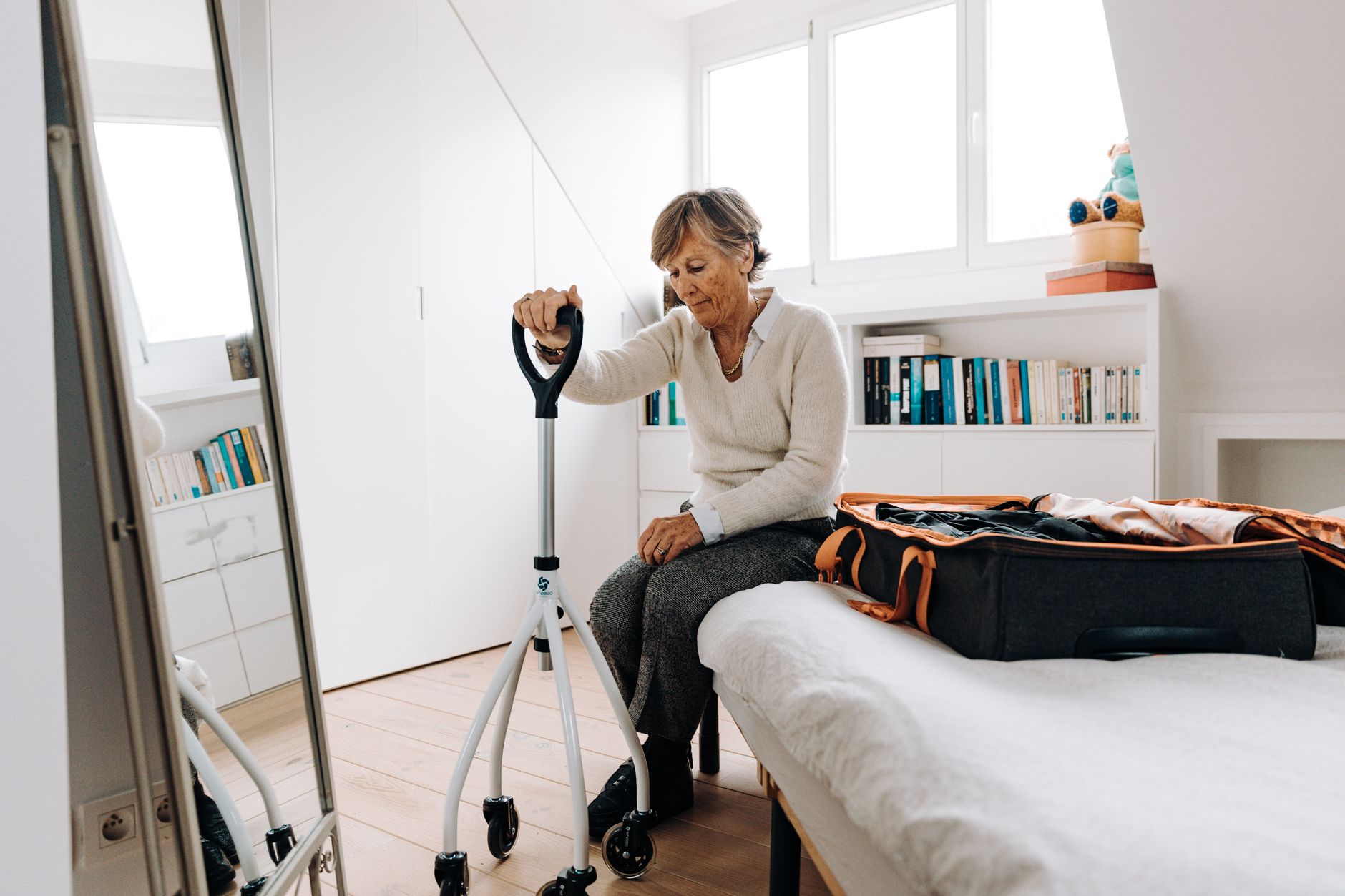
A 72-year-old with diabetes who wants to live independently to keep their own home is more likely to maintain consistent medication schedules and check their blood sugar regularly than someone who doesn’t care whether they end up in assisted living. Purpose also affects the willingness to ask for help, which is paradoxically important for maintaining independence. Someone with purpose is more likely to accept appropriate help (hiring a housecleaner so they can save energy for activities they value, using mobility aids so they can still get out in the community) while someone without purpose might refuse help and become more isolated. This is an important distinction: purpose-driven independence isn’t about refusing all help; it’s about using help strategically to preserve the independence that matters most.
The Long-Term Independence Outlook with Purpose
As healthcare continues to extend lifespan, the quality of those additional years increasingly depends on whether someone maintains purpose and engagement. The medical field is beginning to recognize that purpose isn’t a nice-to-have addition to healthcare—it’s a core component of successful aging. Some forward-thinking healthcare systems now screen for purpose and social engagement as routinely as they screen for blood pressure, understanding that someone’s sense of purpose is often a better predictor of their future health status than their current lab values.
For individuals, this means that planning for independence in later life isn’t just about physical preparation; it’s about thinking now about what you want to contribute, what brings you joy, what you want to protect or build in your life, so that you have concrete purposes to maintain as you age. The broader shift happening in aging research and practice is away from a medical model (what’s wrong with you?) and toward a meaning-centered model (what do you want your life to be?). This is relevant to independence because independence isn’t the goal—a meaningful life is the goal, and independence is the tool that allows you to live it.
Conclusion
Purpose functions as the strongest predictor of independence because it creates the motivation, structure, and biological resilience that allow people to maintain their physical and cognitive abilities, make proactive health decisions, and persist through challenges. Unlike factors like diagnosis or age, purpose is something people can actively cultivate and strengthen, making it both a valuable assessment tool and a concrete area for intervention.
When someone has a clear reason to stay capable—whether that’s caring for loved ones, pursuing activities they enjoy, contributing to their community, or maintaining their own home—their body and mind respond by staying stronger. If you’re concerned about your own independence or someone else’s, ask not just “What’s their health status?” but “What do they care about? What do they want to be able to do? What would make their life worth living?” The answers to these questions often matter more than any medical test, and addressing them is work that both individuals and those supporting them can start doing right now.
Frequently Asked Questions
Is purpose enough to maintain independence if someone has serious health problems?
No. Purpose is a powerful predictor and motivator, but it works best alongside good medical care, physical therapy, and appropriate support. Someone with advanced Parkinson’s disease won’t be able to maintain physical independence through purpose alone, but purpose will likely help them adapt, engage with rehabilitation, and maintain independence in areas they can still control. Purpose and medical care work together, not as substitutes.
What if someone’s main purpose was their job and they’ve retired?
This is a common challenge. The solution usually involves identifying other sources of meaning—community involvement, creative pursuits, mentoring, relationships, learning, caring for others—and being intentional about building these before or immediately after retirement. The transition period often requires explicit attention and sometimes professional support to navigate successfully.
Can purpose be built quickly, or does it take years?
Purpose can shift and strengthen over months, though deeper sense of purpose often develops over time. Concrete purposes (like committing to a volunteer role or starting a project) can be established quickly, but the full motivational and biological benefits usually take several months to become stable as they integrate into daily life and identity.
How do I help someone reconnect with purpose if they’ve lost it?
Ask open-ended questions about what mattered to them in the past, what they enjoy now, what they care about, and what small steps they could take toward engagement. Sometimes professional support from a counselor or therapist experienced with aging and life transitions is helpful. Avoid pushing; reconnection with purpose works better when it emerges from the person’s own reflection rather than being prescribed.
If someone is depressed, will building purpose help?
Purpose and depression often interact: depression can make purpose-finding feel impossible, while lack of purpose can deepen depression. If someone is experiencing clinical depression, they typically need mental health treatment first or simultaneously with purpose-building work, not instead of it. Depression is a medical condition that deserves professional treatment; purpose-building alone is rarely sufficient.
How is purpose different from motivation or willpower?
Purpose is deeper than motivation or willpower. Willpower is a limited resource that depletes with use; purpose is a renewable energy source that actually strengthens with use. Motivation is often external or temporary; purpose is internal and enduring. Someone with purpose doesn’t have to white-knuckle their way through difficult rehabilitation—they do it because they care about the outcome.