
The real stories behind seniors who never lost their independence reveal a simple truth: independence isn’t about age, it’s about choice. Today, nearly 58 million Americans aged 65 and older are writing their own narratives of what it means to stay independent, and the vast majority are succeeding. Most older Americans live independently in their communities and remain cognitively intact, defying the persistent myth that aging inevitably means surrendering control. Consider Mary, who at 82 still manages her own finances, drives to her weekly book club, and maintains her home in the same neighborhood where she raised her children. She represents millions of seniors who have made deliberate choices—both big and small—to preserve not just their physical independence, but their dignity, autonomy, and sense of purpose.
What drives this commitment to independence is remarkably consistent across generations. Surveys show that 78% of adults aged 65 and older would rather maintain independence over a longer dependent life, and 95% of adults aged 55 and older consider aging in place a critical life goal. When asked why, seniors cite two primary reasons: 40% prioritize independence itself, while 25% emphasize the happiness that comes from having choice and control. These aren’t abstract preferences—they reflect a fundamental human need that transcends age. The seniors who never lose their independence understand something crucial: independence means having the ability to make decisions, maintain dignity, exercise control, and stay meaningfully connected to their communities.
Table of Contents
- Why Most Seniors Successfully Maintain Independence Throughout Their Later Years
- The Housing Reality—Why Environment Shapes Independence Stories
- The Role of Motivation and Psychological Factors in Sustaining Independence
- Building and Protecting Independence—What Works and What Requires Tradeoffs
- The Warning Signs—When Independence Becomes a Risk and How Seniors Navigate That Line
- The Role of Community and Social Connection in Independence
- The Changing Definition of Independence for Modern Seniors
- Conclusion
Why Most Seniors Successfully Maintain Independence Throughout Their Later Years
The demographic reality is encouraging: the vast majority of community-dwelling seniors live without significant assistance. Only 5% of people aged 65 to 74 require help with basic activities of daily living, and even at age 85—when care needs typically increase—only 35% report needing ADL assistance. This means that two-thirds of Americans in their mid-eighties are still managing the essential functions of daily life on their own. The fact that approximately 27% of community-dwelling older adults aged 65 and older need some assistance might sound like a significant number, but it also means 73% do not. That distinction matters enormously, because it establishes the baseline truth: independence in older age is the norm, not the exception.
Health outcomes and cognitive function play a central role in these success stories. Most older Americans are cognitively intact, which means they can make informed decisions, solve problems, and adapt to changing circumstances. The majority of Americans aged 65 and older live with at least one chronic illness, but managing a chronic condition is entirely compatible with independence. Take Robert, a 78-year-old who manages Type 2 diabetes and hypertension through medication and lifestyle changes while running a consulting business from his home office. His conditions don’t define his independence; his ability to manage them does. The seniors who maintain independence are often the ones who caught onto a critical insight early: independence isn’t about preserving your physical form; it’s about preserving your function and your choices.
The Housing Reality—Why Environment Shapes Independence Stories
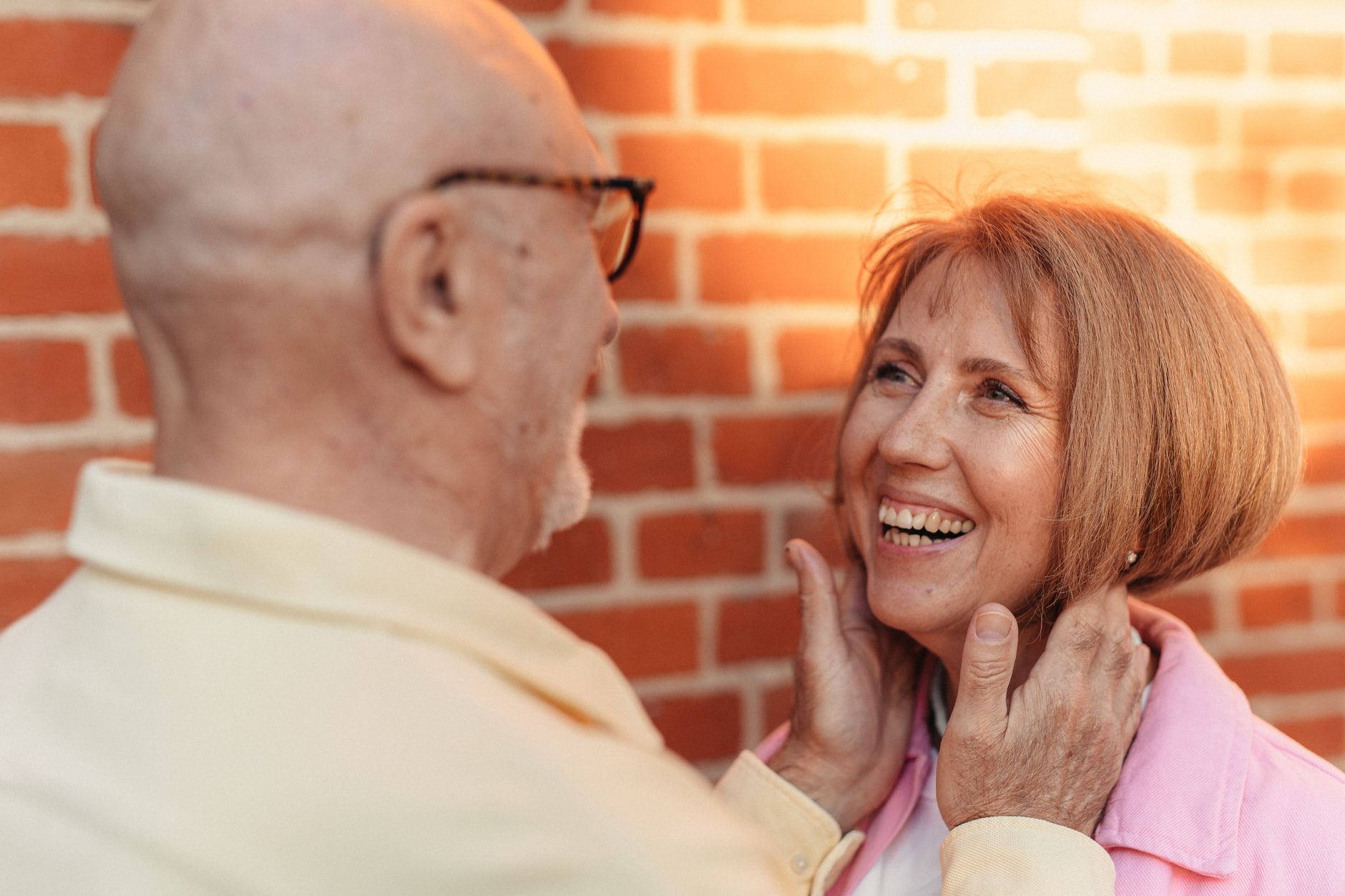
One of the most revealing statistics about senior independence is also one of the most sobering: only 10% of American homes are considered “aging-ready” with features like step-free entryways, accessible bathrooms, and first-floor bedrooms. This means 90% of homes create unnecessary barriers to aging in place safely. The seniors who maintain independence despite this housing shortage are often the ones who make early adaptations—installing grab bars, adding ramps, moving bedrooms downstairs—or who get lucky and already live in homes that work for their aging bodies. However, this also reveals a limitation in the independence story: your ability to stay independent at home is heavily shaped by factors you may not control, including the physical layout of your home and your financial capacity to modify it.
For those who live in genuinely aging-ready homes, the difference is tangible. Margaret, now 84, inherited a single-story house with a walk-in shower and no thresholds—features that were purely coincidental at the time she bought it at age 42. That accident of architecture has allowed her to maintain independence without expensive renovations that many of her peers could never afford. Conversely, others face hard choices: do you spend $15,000 to $30,000 adapting your home, move to assisted living, or accept increasing safety risks in place? The financial barrier is significant, particularly given that 43% of adults aged 65 and older express concern about affording assisted living expenses if needed. The seniors with the most stable independence are often those with financial resources, stable housing, and the foresight to plan modifications years before they become urgent necessities.
The Role of Motivation and Psychological Factors in Sustaining Independence
Beyond demographics and housing, the psychological dimension of independence is profound. Eighty-three percent of seniors report feeling safer in their current home than other living options, which speaks to the emotional dimension of independence—it’s not just about capability, it’s about belonging. The seniors who never lose their independence often report that their sense of purpose and connection to their community is what truly sustains them. They’re not just maintaining independence for its own sake; they’re maintaining it because independence allows them to pursue meaningful activities, contribute to their families and communities, and exercise the dignity that comes with self-determination. This psychological resilience is worth examining closely through real examples.
Dorothy, 81, volunteers at her local library three days a week, attends a weekly water aerobics class, and hosts her grandchildren for dinner most Sundays. These activities require independence—physical mobility, mental sharpness, and decision-making authority—but they also reinforce independence by giving her reasons to stay active and engaged. Her independence and her sense of purpose feed each other. Studies of aging adults consistently show that those who maintain meaningful social connections, intellectual engagement, and a sense of contribution are more likely to preserve both their physical and cognitive function. The motivation to stay independent is strengthened when independence leads somewhere—toward continued contribution, connection, and growth, not just toward the absence of dependence.

Building and Protecting Independence—What Works and What Requires Tradeoffs
The seniors who successfully maintain independence often make deliberate choices about how to allocate their resources—time, money, and energy. Some invest heavily in preventive health care, recognizing that managing chronic conditions early prevents the functional decline that can lead to dependence later. Others prioritize staying physically active, understanding that regular exercise is one of the few interventions proven to maintain strength, balance, and cognitive function. Still others invest in home modifications or technology, from grab bars to personal alert systems, that make independence safer and more sustainable.
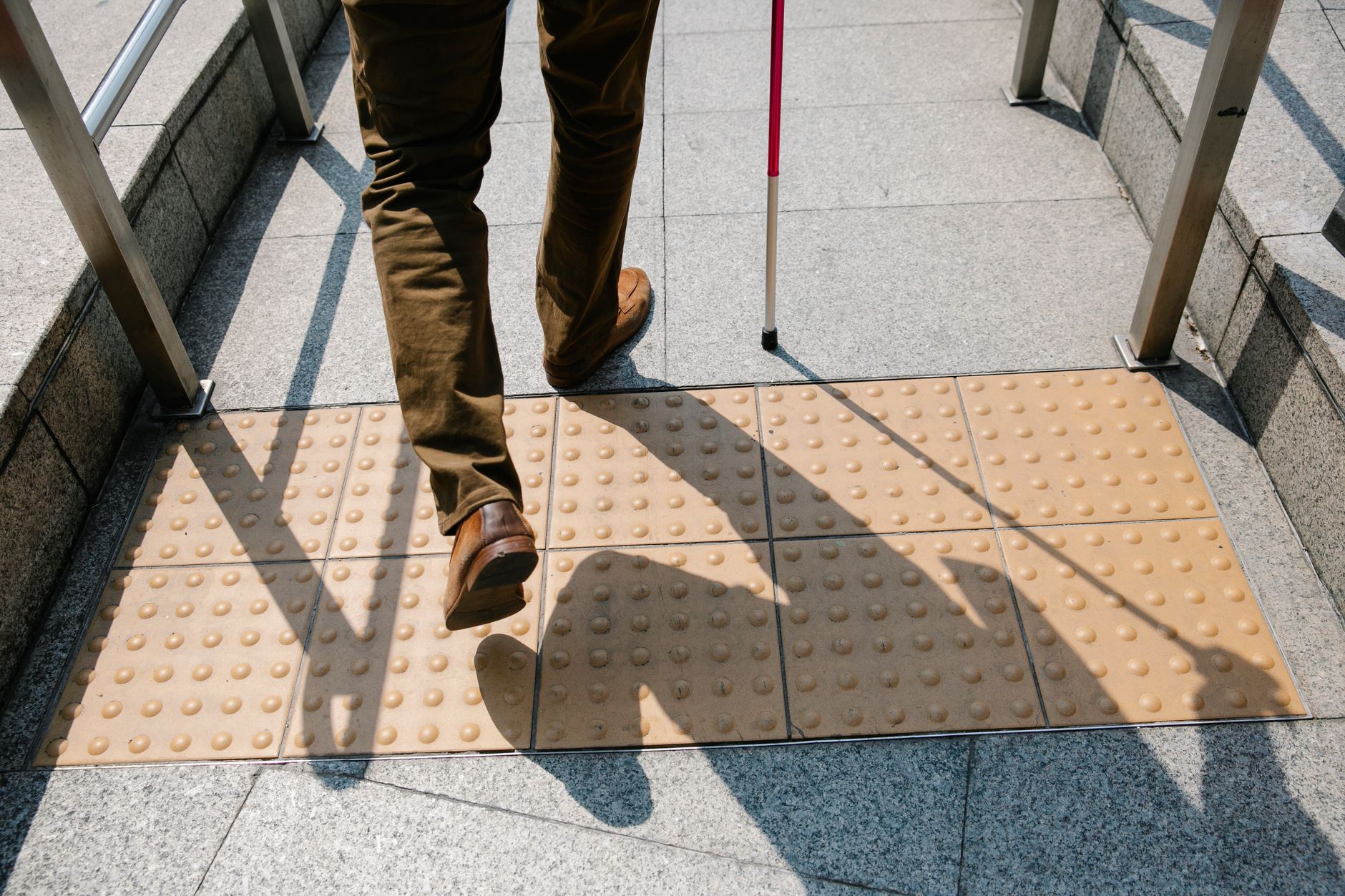
The tradeoff is that maintaining independence often requires acknowledging your limitations early and addressing them proactively. A senior who refuses to use a cane because it feels like giving up may actually accelerate her decline by increasing fall risk, while a peer who adopts assistive devices early protects her ability to remain independent long-term. James, 76, initially resisted his hearing aids, seeing them as an admission of age-related decline. Once he accepted them, however, his social participation increased dramatically—he could hear conversations at dinners with friends, participate in group activities, and maintain the cognitive stimulation that comes from social engagement. The irony of independence is that accepting help in strategic ways often preserves your overall autonomy far more than refusing all assistance.
The Warning Signs—When Independence Becomes a Risk and How Seniors Navigate That Line
One of the most delicate aspects of aging in place is recognizing when independence is becoming unsafe. A senior living alone might insist on staying in her home despite frequent falls, memory gaps in medication management, or an inability to adequately prepare meals. At some point, the appearance of independence begins to mask genuine vulnerability. The seniors who successfully maintain independence without compromising safety are often those who build in accountability—family check-ins, medical monitoring, community resources—that allows them to remain autonomous while having safeguards in place. The critical warning sign is isolation combined with functional decline.
A senior who lives alone, has limited social contact, is experiencing cognitive decline, and refuses to accept any help is not truly independent—she’s at risk. The seniors who maintain independence successfully often distinguish between needing help (which everyone does at some point) and losing independence (which happens when they lose their ability to make decisions about their own care). This distinction shapes how they approach aging. They’re willing to hire help with housecleaning, accept meal delivery services, use medical alert systems, or move to a community where assistance is available if needed. These aren’t failures of independence; they’re intelligent management of it. The limitation to understand is that true independence increasingly means being willing to accept the right kind of interdependence—having trusted people and systems in place to catch you if your capabilities genuinely fail.
The Role of Community and Social Connection in Independence
Seniors who maintain independence often benefit from strong community ties, whether that’s family nearby, active social networks, or participation in community organizations. The research is unambiguous on this point: social isolation is a significant predictor of functional decline, while strong social connections are associated with maintained independence. Helen, 80, maintains independence partly because her neighborhood is walkable and she has regular coffee dates with longtime friends, weekly time with her daughter’s family, and an active role in her church. Her independence isn’t just about physical capability; it’s deeply embedded in a web of relationships and community engagement that gives her motivation, accountability, and support.
For seniors without strong local family networks, intentional community becomes crucial. Some live in cohousing arrangements, retirement communities with varied levels of service, or neighborhoods designed for aging in place. Others build chosen families through volunteer work, clubs, or faith communities. The seniors who thrive in independence are those who recognize early that community involvement isn’t a luxury—it’s foundational to aging well. They prioritize staying connected, participating, and contributing, understanding that these activities are what truly sustain independence over decades.
The Changing Definition of Independence for Modern Seniors
The seniors writing today’s independence stories are redefining what independence actually means. Rather than viewing it as a return to youth or a demonstration of unassisted self-sufficiency, they understand independence as having choice, dignity, control, and meaningful connection. This redefinition is critical because it allows for a more nuanced and sustainable approach to aging. A 90-year-old using a walker, receiving housekeeping assistance, and living in a community with available medical support can still be entirely independent if she’s making her own decisions, directing her own life, and maintaining her dignity and agency.
Looking forward, the population is shifting dramatically. By 2050, there will be 82 million Americans aged 65 and older, and by 2060, that number will reach 88.8 million. The seniors maintaining independence today will set the template for how a much larger aging population understands and pursues independence. Their real stories—with all their complexity, adaptation, resilience, and occasional setbacks—will become the reference point for how society supports aging in place. The trajectory suggests a shift away from viewing aging as a problem to be solved in institutions and toward viewing it as a life stage to be lived as independently, meaningfully, and authentically as possible.
Conclusion
The real stories behind seniors who never lost their independence share a common thread: they made deliberate choices, adapted strategically, and refused to confuse dependence with decline. From the 78-year-old managing diabetes while building a consulting business to the 84-year-old volunteering at her library, these seniors demonstrate that independence in later life is achievable for the vast majority of Americans. It requires attention to health, intentional planning around housing and community, a willingness to accept help in smart ways, and a commitment to maintaining purpose and connection. Most importantly, it requires redefining independence itself—not as the ability to do everything alone, but as the power to make choices, maintain dignity, and direct your own life. If you’re currently aging or supporting someone who is, the most important action is to start now. Have conversations about preferences and values.
Assess your home for safety and accessibility. Build community connections before you desperately need them. Maintain physical activity and cognitive engagement. Plan financially for potential care needs. And recognize that maintaining independence isn’t about resisting aging—it’s about aging on your own terms, with agency and intention. The seniors who succeed in this aren’t exceptional; they’re simply people who chose to be proactive, adaptive, and honest about what independence actually requires.