
The reason most seniors avoid nursing homes isn’t luck—it’s deliberate daily choices. Despite persistent assumptions that institutional care is inevitable, 93.5% of older adults (33.4 million people) live in their own homes and communities, not in facilities. This isn’t accidental. The seniors who remain independent share a set of daily habits: regular movement that keeps them strong and stable, mental engagement that preserves cognitive function, consistent social connection, careful attention to medications and household management, and strategic home modifications that prevent accidents. A 68-year-old with arthritis who spends 30 minutes doing water aerobics three times weekly, handles her own bills, calls her daughter every morning, and installed grab bars in her bathroom isn’t just “lucky.” She’s practicing the exact habits that research shows separate the 95% of people over 55 who successfully age in place from those who eventually enter institutions.
The nursing home population has actually declined 12% over the past eight years, dropping from 1.4 million in mid-2015 to 1.2 million by mid-2023. This shift reflects a fundamental truth: aging in place works when people commit to the habits that sustain independence. Falls and mobility decline cause roughly 40% of nursing home admissions, yet exercise programs can reduce fall risk by up to 42%. Cognitive decline and medication mismanagement drive institutional placement, yet daily mental stimulation and simple systems prevent both. What keeps seniors out of nursing homes, then, is neither medical intervention nor genetic luck. It’s the accumulation of small, repeated behaviors—the kinds of habits that are unsexy, unglamorous, and completely within anyone’s control.
Table of Contents
- Why Falls Are the Silent Driver of Lost Independence
- Building Strength and Mobility as a Non-Negotiable Routine
- Keeping Cognitive Function Sharp Through Daily Mental Engagement
- The Hidden Power of Social Connection and Emotional Wellness
- Managing Medications and Daily Tasks Before Problems Escalate
- Adapting the Home to Support Rather Than Obstruct Movement
- The Role of Home Health Care in Supporting Sustained Independence
- Conclusion
Why Falls Are the Silent Driver of Lost Independence
Falls are the leading reason older adults enter nursing homes, yet most falls are preventable. Between 28% and 35% of adults over 65 fall each year; that rate climbs to 42% for those over 70. What makes this particularly critical is that a single fall often becomes the domino that ends independent living. A fractured hip, a head injury, or even severe bruising can trigger a cascade: temporary immobility, loss of confidence, rapid muscle atrophy, and eventual difficulty with basic tasks. Nursing home admissions linked to falls account for up to 40% of all institutional placements, making fall prevention arguably the single most important daily habit. The good news is that exercise programs specifically designed to improve balance and strength reduce fall rates by approximately 23%, and when seniors commit to intensive programs—three or more hours weekly with a focus on balance—reductions reach up to 42%. This isn’t theoretical.
An 72-year-old who takes a tai chi class twice weekly, does standing balance exercises while brushing his teeth, and walks the neighborhood three times a week builds resilience into his body. These daily habits literally rewire his nervous system, improving proprioception and reaction time. The falls simply don’t happen at the same rate they do for sedentary peers. Home environment matters as much as fitness. Only 10% of American homes are equipped with the accessibility features seniors need—handrails, non-slip flooring, adequate lighting, lever-style door handles, and bathrooms without fall hazards. A senior who installs grab bars in the shower, removes throw rugs, keeps pathways clear, and uses proper footwear is doing prevention work that often goes unnoticed. Falls cost the U.S. healthcare system more than $2.8 billion annually, yet many are avoided through habits so simple they’re almost overlooked: keeping the house well-lit, wearing appropriate shoes indoors, and moving deliberately rather than rushing.

Building Strength and Mobility as a Non-Negotiable Routine
Physical activity isn’t a luxury for healthy seniors—it’s the foundation that prevents decline. The research is unambiguous: regular movement in forms suited to aging bodies—water aerobics, tai chi, brisk walking, resistance training with light weights—maintains the muscle mass, bone density, balance, and cardiovascular function that independent living demands. Recent research confirms that physical exercise improves both mental and physical health in older adults, with particularly strong effects on cognitive performance. Seniors who exercise regularly show significantly higher cognitive function scores than those who are sedentary, and this difference becomes more pronounced over time. The barrier most seniors face isn’t understanding the value of movement; it’s translating that understanding into daily habit. A 75-year-old who resolves to “exercise more” often fails. A 75-year-old who walks the same route every Tuesday and Thursday morning, attends a water aerobics class on Mondays, and does 15 minutes of balance exercises every evening succeeds. The difference is specificity and routine.
Consider the typical progression: a sedentary senior loses 3-8% of muscle mass per decade after age 30, with accelerated loss after 60. This decline compounds—less muscle means less mobility, which means less activity, which accelerates further atrophy. A senior who maintains a consistent, modest exercise routine interrupts that downward spiral entirely. She may not regain lost muscle, but she preserves what remains, and preserved function is the difference between independence and institutional care. The limitation worth acknowledging is that some seniors have legitimate physical barriers—severe arthritis, heart conditions, or past surgeries that restrict certain movements. This doesn’t negate the principle; it just requires creativity. A senior with knee problems may not walk three miles, but chair-based exercises or pool walking substitute effectively. The point isn’t perfect fitness; it’s consistent, appropriate movement that keeps joints mobile, muscles engaged, and balance sharp.
Keeping Cognitive Function Sharp Through Daily Mental Engagement
Cognitive decline is a major pathway to nursing home admission, yet it’s far from inevitable. Research shows that non-institutionalized seniors achieve significantly higher cognitive performance scores than those living in facilities—a difference that reflects both selection bias and the reality that mental stimulation prevents decline. The daily habits that preserve cognition are straightforward but require consistency: reading books or newspapers, solving puzzles, engaging in hobbies that require problem-solving, learning new skills, and maintaining social conversation. A 70-year-old who works crossword puzzles three times weekly, reads two books a month, takes an online course, and has lunch with friends builds cognitive reserve that buffers against age-related decline. Difficulties with Instrumental Activities of Daily Living (IADLs) often signal early cognitive problems. IADLs are tasks beyond basic self-care: managing finances, grocery shopping, meal planning, medication management, housekeeping.
When a senior begins making errors on bills, forgetting appointments, taking medication incorrectly, or struggling with household organization, cognitive decline is often the underlying issue. Here’s the critical insight: IADL decline often precedes ADL (Activities of Daily Living) decline, meaning it’s an early warning system. A senior who monitors her own IADL performance—noticing if she’s missed bill payments, forgotten to buy groceries, or miscounted pills—can intervene before decline becomes severe. This self-awareness itself is a cognitive exercise that preserves function. For seniors with emerging cognitive impairment, medication management becomes particularly important because medication errors compound cognitive problems and often trigger the medical crises that necessitate institutional placement. Simple systems work better than willpower: medication lock-and-release dispensers that release only the correct pills at the correct time, with caregiver monitoring, prevent errors far more effectively than traditional pillboxes or remembering to “take your pills.” These devices aren’t just convenience; they’re the difference between safe independent living and admission to a facility.

The Hidden Power of Social Connection and Emotional Wellness
Isolation is a documented risk factor for institutional placement. Seniors who maintain regular social contact, meaningful relationships, and engagement with their communities show lower rates of depression, heart disease, and cognitive decline—all factors that either enable or disable independent living. A senior who has coffee with the same friend every Thursday, participates in a book club, volunteers at the local library, or regularly attends a religious community isn’t just enjoying leisure time. She’s actively preventing the combination of depression, isolation, and cognitive decline that often triggers the decision to enter a facility. The research identified five key motivators that keep seniors physically and mentally engaged: the eagerness to return home or stay in their current environment, fear of losing independence, desire to improve mood, filling time with purposeful activity, and maintaining habits they’ve long cultivated. Notice what’s missing from this list: fear of dying, desire to “get healthy,” or abstract health metrics.
The motivators that actually work are deeply personal and tangible—the specific house you live in, the specific people you see, the specific things you do that feel meaningful. A senior who joins a gardening club isn’t necessarily motivated by horticultural knowledge; she’s motivated by the social interaction, the purposeful activity, the sense of contribution, and the regularity of engagement. That’s the habit that sustains independence. Loneliness affects sleep quality, increases stress hormone production, and accelerates cognitive decline. The antidote isn’t occasional visits from family; it’s consistent, predictable social engagement. Technology can support this—video calls with grandchildren, online classes, virtual book clubs—but in-person interaction remains superior for cognitive and emotional health. The daily habit that matters is regularity, not intensity: a brief daily interaction with a friend is more protective than an occasional long visit.
Managing Medications and Daily Tasks Before Problems Escalate
Medication management is where cognitive function and daily habits intersect most critically. Seniors take an average of 4.5 prescription medications, with many on 10 or more. Each missed or duplicated dose increases the risk of adverse events, hospitalizations, and falls. Yet medication errors don’t usually result from lack of intelligence; they result from the cognitive load of remembering complex regimens. A senior managing three medications with different schedules, doses, and food interactions faces genuine cognitive challenge every day. The habit that prevents institutional placement here isn’t “remember your medications better.” It’s creating systems that don’t require memory. Pill organizers pre-filled by a pharmacy or caregiver, phone alarms that alert when each dose is due, written instructions on the bottles themselves, and regular check-ins with a pharmacy—these are the daily habits.
For seniors with mild cognitive impairment, the dispenser that physically releases only the correct pills at the correct time is transformative. This isn’t a sign of decline; it’s a habit that prevents decline from worsening. Beyond medications, the daily management of bills, appointments, household maintenance, and grocery shopping comprises the second category of critical habits. A senior who develops a system—keeping bills in one folder, marking appointments on a wall calendar and on her phone, maintaining a standing grocery list—can manage these tasks even as aging affects processing speed and memory. The limitation to recognize is that these systems eventually require external support. No system is perfectly self-contained forever. A senior who acknowledges this early—accepting help from an adult child, hiring someone to handle yard work, using online bill pay—maintains the other habits longer because she’s not exhausted by compensating for limitations.
Adapting the Home to Support Rather Than Obstruct Movement
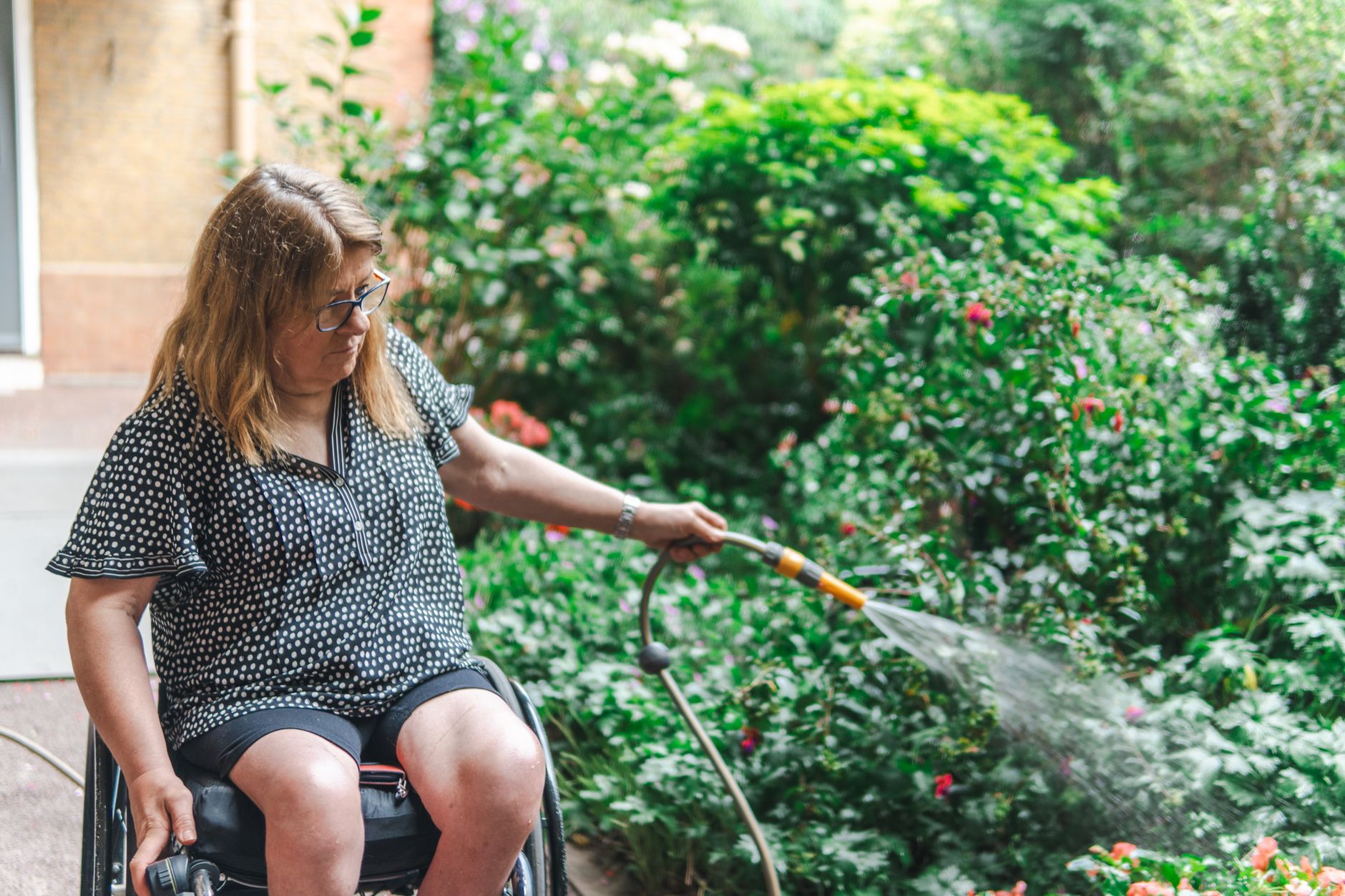
Most older adults who remain in the community do so in homes built for younger people, with stairs, narrow doorways, high shelves, slippery bathrooms, and insufficient lighting. Seniors adapt through daily habits: using handrails they’ve installed, keeping nightlights on, wearing supportive footwear indoors, placing frequently used items at waist height, and maintaining clear pathways. A single bathroom grab bar installed in the tub and shower prevents countless falls; yet only 10% of homes have adequate accessibility features. The habit here is action—recognizing a hazard and remedying it before a fall occurs.
Consider the cumulative effect: a senior who keeps the bathroom floor dry by using a bath mat and squeegee, installs grab bars in the tub and beside the toilet, uses a shower chair for safety, and keeps a nightlight on doesn’t eliminate fall risk, but she reduces it substantially. These aren’t expensive modifications—many cost under $100 and take minutes to install. The daily habit is vigilance about the home environment itself. A senior who walks through her house regularly, asking “what could I trip on?” or “where am I at risk?” and addresses hazards prevents future problems. This proactive attention is the habit that separates seniors aging safely in place from those who experience a sudden crisis and lose independence.
The Role of Home Health Care in Supporting Sustained Independence
For many seniors, aging in place doesn’t mean aging alone. About 65% of older adults eventually require home health care, with the average duration around two years. This support—whether from family members, paid caregivers, or combination arrangements—is often what makes the difference between the habits remaining manageable and becoming overwhelming. A senior on four medications, with arthritis, living alone, can manage independently with a pill organizer and a clear system. But when cognitive decline, additional medications, or physical limitations increase, the same senior benefits enormously from a visiting nurse who checks in twice weekly, confirms medications are taken correctly, and monitors for adverse symptoms.
The critical habit here is accepting help before crisis forces it. Seniors often resist involving caregivers or outside help, viewing it as surrender. But early, consistent support allows seniors to maintain their other habits longer—continuing to walk, continuing to engage socially, continuing to manage finances with oversight rather than handing them over entirely. A senior who begins with 2 hours of caregiver support weekly for medication management and household tasks often maintains independence and quality of life longer than a senior who refuses help until a fall or illness creates crisis. The daily habit is accepting that independence doesn’t mean doing everything alone; it means maintaining control over your life and your environment while accepting strategic support.
Conclusion
The seniors who stay out of nursing homes aren’t genetically different from those who enter facilities. They’ve simply built daily habits around the concrete factors that sustain independence: regular movement that prevents falls, mental engagement that preserves cognition, social connection that buffers depression and isolation, reliable medication management, a home environment that supports rather than hinders movement, and strategic use of support systems before crisis arrives. These habits start small—a 20-minute walk, a crossword puzzle, a weekly call to a friend, a pill organizer, a grab bar installed in the shower. None of them are dramatic. None of them require perfect health or significant resources.
The transformation comes from consistency and the recognition that independence isn’t an outcome you achieve once and maintain forever. It’s a daily practice. A senior who commits to these habits—and adjusts them as aging requires—maximizes the likelihood of aging in place, which is what 95% of people over 55 identify as their most important personal goal. The path forward is clear. It’s not medication, not surgery, not institutional care. It’s daily choices, made deliberately, that keep a person strong, engaged, and in control of their own life.