
People who remain independent well into their 90s share a consistent set of daily habits that have little to do with luck or genetics alone. They move their bodies regularly, even when movement becomes harder. They maintain meaningful connections with family and friends. They keep their minds active through reading, learning, or solving problems. They eat real food, manage their medications, and stay alert to changes in their health. They find purpose in their days, whether through work, hobbies, caregiving, or community involvement. These aren’t occasional activities squeezed into a busy life—they’re woven into the fabric of every single day.
Consider Margaret, who turned 94 last year and still lives alone in the house she’s owned for fifty years. She walks to the mailbox and around her neighborhood most mornings, even on days when her knees ache. She has dinner with her daughter on Thursdays and talks on the phone with friends on Mondays. She reads the newspaper and works on crossword puzzles. She takes her blood pressure medication at the same time each morning, keeps doctor’s appointments, and cooks her own meals. These aren’t extraordinary feats. They’re simply the consistent, unglamorous daily choices that allowed her to stay in control of her own life.
Table of Contents
- How Physical Movement Shapes Daily Independence After 90
- Cognitive Engagement and Mental Sharpness Through Daily Practice
- Social Connection and Emotional Resilience Built Through Regular Contact
- Medical Management and Consistent Health Monitoring
- Nutrition and the Daily Practice of Self-Feeding
- Purpose, Meaningful Activity, and Structured Days
- Flexibility, Problem-Solving, and Adaptation in the Face of Change
- Conclusion
How Physical Movement Shapes Daily Independence After 90
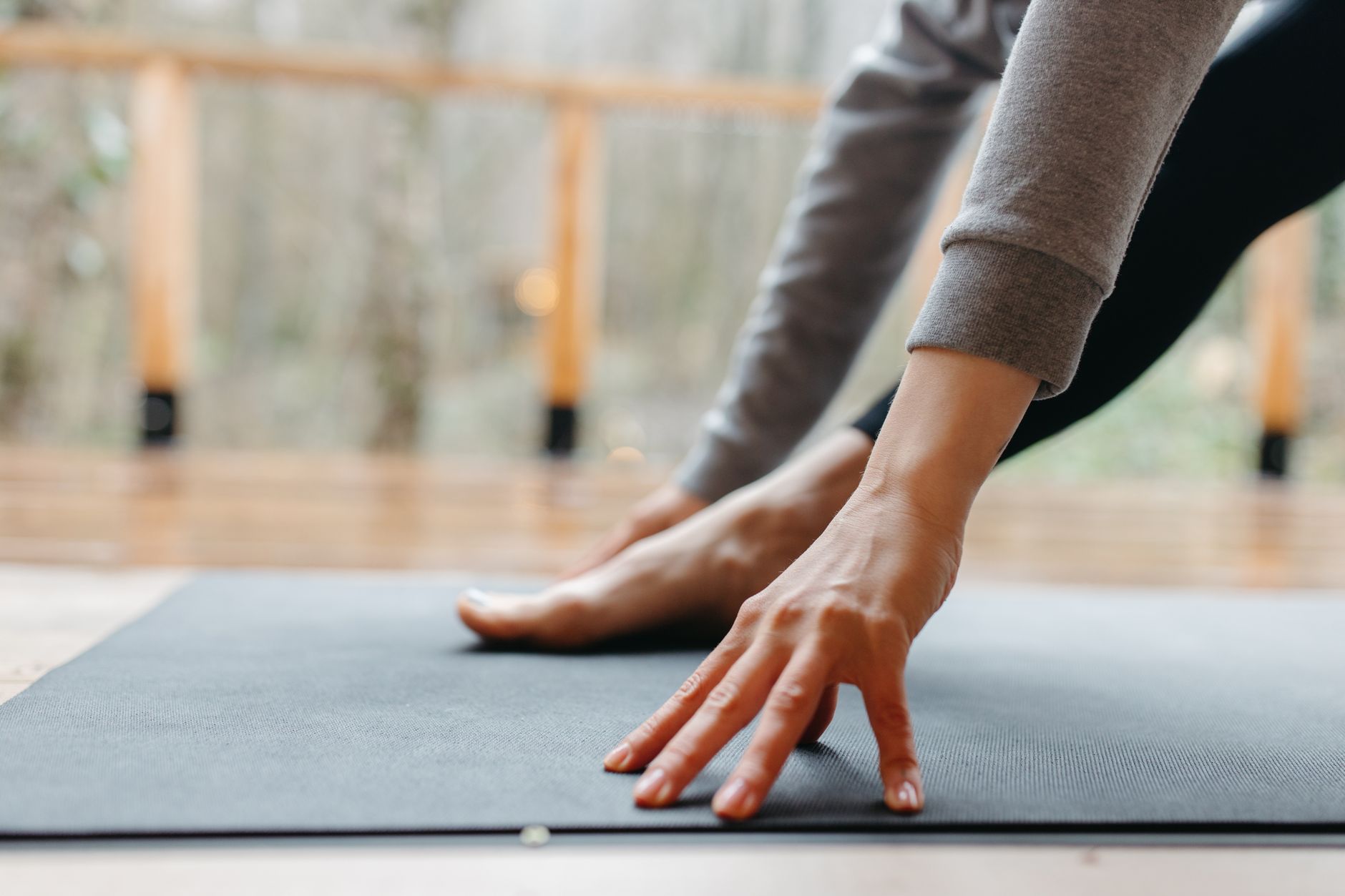
Movement is the single strongest predictor of independence in people’s 90s, and those who maintain it do it every day without exception. This doesn’t mean running marathons or lifting heavy weights. It means walking, gardening, dancing, doing household chores, or swimming—activities that keep muscles engaged and balance intact. A person who walks for 20 to 30 minutes most days is far more likely to remain independent than someone who sits most of the day, even if that sitting person has good genes. The reason is straightforward: muscles weaken rapidly without use, and balance degrades without practice. Falls become the dominant health threat in the 90s, causing broken hips, hospitalization, and loss of independence. A person who has climbed stairs, carried groceries, and walked uneven sidewalks all their life has stronger legs and better proprioception—the body’s sense of where it is in space.
Arthur, who is 91, still does his own yard work and grocery shopping on foot. He credits this daily movement with why he can still bend down to pick something up without falling or needing to call for help. In contrast, his neighbor, who moved to an assisted living facility at 89, had stopped walking anywhere except inside her small apartment, and by 92 she could barely stand without support. The limitation here is that consistency matters far more than intensity. A vigorous walk once a week is far less protective than a gentle daily walk. And there’s a real risk: people who don’t move regularly need to build up slowly. Starting an aggressive exercise program at 90 without preparation can cause injury.
Cognitive Engagement and Mental Sharpness Through Daily Practice
Independence requires decision-making, problem-solving, and memory. People in their 90s who stay independent keep their minds engaged every day, whether through reading, puzzles, learning something new, managing finances, or following current events. This isn’t purely about preventing cognitive decline, though it does help with that. Mental engagement is also how someone maintains the confidence to handle their own affairs, make medical decisions, and navigate life’s small problems. The specificity matters. Solving crossword puzzles or sudoku puzzles most days is more protective than passive activities like watching television. Reading books or articles requires sustained attention and comprehension. Managing a budget, even a simple one, keeps decision-making skills sharp.
Participating in discussions or debates exercises reasoning. Eleanor, who is 93, reads two newspapers every morning, keeps a journal, and participates in a book club via video call once a month. Her doctor has noted that her cognitive scores haven’t declined in five years. When she noticed a billing error in her Medicare statement, she caught it herself, called the appropriate office, and got it corrected. That ability to notice, think through, and act on a problem independently is a direct result of cognitive habits maintained daily. One important caveat: cognitive engagement alone doesn’t prevent all decline. People with Alzheimer’s disease or other dementias can remain very active cognitively in early stages but still lose independence as the disease progresses. However, consistent mental engagement does seem to slow the rate of decline and may reduce risk for some conditions.
Social Connection and Emotional Resilience Built Through Regular Contact
Isolation is one of the strongest predictors of dependence and early death in older adults. People who stay independent in their 90s maintain regular contact with others—not just occasional visits, but consistent, predictable connection. This might be a weekly dinner with family, daily phone calls with friends, or active participation in a club, church, or community group. The frequency matters: daily or several-times-weekly contact is more protective than monthly contact. These connections serve multiple functions. They provide practical help when needed, such as transportation to appointments or assistance with tasks the person can’t do alone. They provide emotional support and motivation to maintain self-care routines. They give life meaning and purpose, which in turn gives someone a reason to get out of bed, take medication, and eat well.
Harry, who is 92 and widowed for eight years, plays bridge twice a week with the same group of friends he’s known for 30 years. On other days, he volunteers at a local food bank three mornings a week. He has a standing lunch date with his son every other Sunday. These aren’t luxuries in his life—they’re the scaffolding that holds independence together. When he had a minor surgery last year, he recovered faster than expected, partly because his daily routine and social structure gave him motivation and accountability. The downside is that building and maintaining these connections requires effort and sometimes money, and some people don’t have family nearby or the health to participate in group activities. Someone who is housebound or has severe hearing loss may struggle to maintain connection despite good intentions. For these people, structured programs like meal delivery services that include social interaction, or regular visits from volunteers, can provide a substitute.

Medical Management and Consistent Health Monitoring
People who stay independent into their 90s don’t ignore their health—they actively manage it. They take prescribed medications on a consistent schedule, attend doctor’s appointments regularly, keep track of their weight and blood pressure, and report new symptoms promptly. They know the names of their medications and what they’re for. They ask questions when they don’t understand something. They build good relationships with their doctors and healthcare providers. This active management catches small problems before they become big ones. Someone who monitors blood pressure daily and tells their doctor about an unexpected spike might adjust medication and prevent a stroke. Someone who tracks weight and notices a sudden loss might get checked for infection or medication side effects. Someone who gets annual eye exams catches glaucoma or macular degeneration early, when treatment is most effective.
Dorothy, who is 90, keeps a simple notebook where she records her daily weight, blood pressure readings, and any unusual symptoms. When her weight dropped by five pounds over two weeks, she brought the notebook to her doctor, who discovered she had developed an infection. Early treatment prevented hospitalization. This kind of attention to detail requires time spent daily, but it’s time that pays dividends. The tradeoff is that medical management can become complicated and burdensome. Someone on eight medications needs a system to take them correctly. Someone with multiple conditions needs to coordinate care between different specialists. For some people, the cognitive or physical burden of managing health becomes too much, and they need help. Recognizing when help is needed is itself a form of good judgment.
Nutrition and the Daily Practice of Self-Feeding
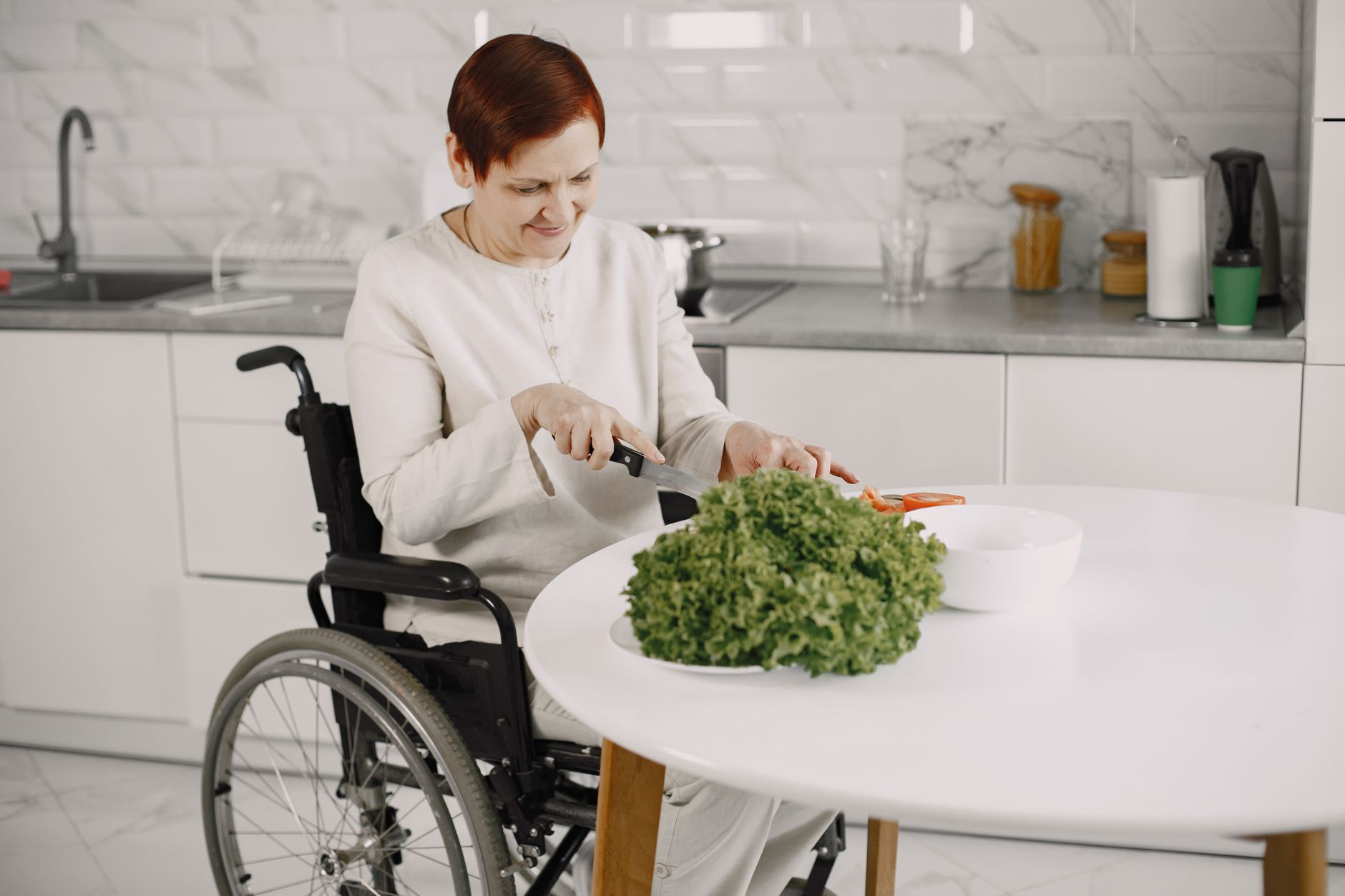
Independence includes the ability to feed yourself and access adequate nutrition. People in their 90s who remain independent still prepare at least some of their own food, make decisions about what to eat, and maintain adequate intake of protein, vegetables, and nutrients. This doesn’t mean elaborate cooking—it can mean simple meals, prepared foods, or meals assembled from purchased components. But it does mean active engagement with food, not complete dependence on delivered or prepared meals. Loss of the ability to feed yourself independently often signals a turning point. It coincides with other losses and typically leads to a cascade of dependency. People who cook, even at a simple level, maintain connection to one of life’s essential activities. They make choices about what their body receives. They practice fine motor skills and problem-solving.
Tom, who is 91 and lives in a senior apartment building, still makes his own breakfast and lunch most days. He prepares simple things: eggs and toast, sandwiches, pasta with jarred sauce, or soup. He eats dinner in the building’s communal dining room, which provides nutrition and social connection. This division of labor keeps him engaged in self-feeding while preventing malnutrition through the prepared meal. One real limitation: adequate nutrition becomes harder as people age. Appetite decreases, taste and smell change, teeth may be missing or dentures uncomfortable, and swallowing can become difficult. Someone with arthritis may struggle to open jars or hold utensils. Dementia can make a person forget to eat or forget how to use utensils. For these people, easier options like smoothies, soft foods, or help with feeding may become necessary to prevent malnutrition. The goal isn’t independence for its own sake—it’s maintaining adequate nutrition, even if that requires some help.
Purpose, Meaningful Activity, and Structured Days
People who remain independent in their 90s typically have something they do regularly that matters to them. This might be continued work, whether paid or volunteer. It might be caregiving for a grandchild or a partner. It might be hobbies like woodworking, gardening, or art. It might be participation in a spiritual or faith community. It might be helping others. It might be learning or creating something new.
The specific activity matters less than the fact that there’s something that gets someone out of bed, that gives the day structure, and that makes the person feel they have a role and a reason. This is partly about mental health and partly about practical outcomes. Someone who has a purpose is more likely to maintain self-care routines, social connection, and physical activity. These activities embed independence into the daily fabric. Rachel, who is 93, still teaches one piano lesson every week to a student in her living room. This one commitment structures her week: she practices, maintains her space so it’s suitable for a visitor, and engages her mind in a meaningful way. It gives her a reason to stay active and engaged. For someone without work or caregiving responsibilities, volunteering, mentoring, or creative pursuits can serve the same function.
Flexibility, Problem-Solving, and Adaptation in the Face of Change
Finally, people who remain independent into their 90s show remarkable flexibility. They adapt when they notice changes in their abilities. When stairs become harder, they think about how to minimize climbing rather than simply struggling. When cooking becomes tiring, they adjust what and how they prepare food. When driving at night becomes unsafe, they stop driving at night but continue driving during the day. When their partner passes away, they reorganize their routines to maintain connection and purpose. This adaptive capacity—the ability to notice what’s changing and problem-solve a solution—is a daily practice.
This flexibility is often the difference between maintaining independence and losing it. Someone who adapts keeps control. Someone who refuses to adapt because “I’ve always done it this way” often ends up in a crisis that forces a sudden, drastic loss of independence. James, who is 89, used to handle all home repairs himself. When he noticed his hands were shakier and his balance less stable on a ladder, he hired a handyman for the tasks that required height or precision, but he still does the simple repairs and maintenance. He’s accepted help while retaining autonomy. This is the daily work of aging well: noticing, adapting, and finding solutions that preserve independence while acknowledging limitations.
Conclusion
Independence in the 90s is not the result of exceptional health or willpower alone. It’s built from daily habits, accumulated over years and maintained into older age. It requires movement, mental engagement, social connection, medical attention, adequate nutrition, purpose, and the flexibility to adapt as things change. These habits don’t guarantee independence—illness, injury, or genetic factors can limit anyone.
But they make independence far more likely and often extend the years someone can remain in control of their own life. The starting point is right now, in your 60s or 70s or 80s. The habits you build today determine what remains possible at 90. That walk you take, the friend you call, the book you read, the meal you cook, the doctor’s appointment you keep—these aren’t small things. They’re the foundational work of remaining independent.