
Forty-nine percent of seniors report feeling safer when they use assistive technology, according to recent surveys on aging and independence. This statistic reflects a fundamental shift in how older adults approach daily living—they’ve found that tools like mobility aids, medical alert systems, bathroom safety equipment, and home monitoring devices genuinely reduce their worry about falls, accidents, and emergencies. A 76-year-old who uses a cane with a built-in light and alarm not only moves more confidently around her home at night, but also knows she can alert neighbors or family if she falls, which changes her entire sense of security.
The reason nearly half of seniors feel this heightened sense of safety goes beyond the devices themselves. Assistive technology works because it addresses the specific fears that accompany aging—the worry about becoming a burden, the anxiety about losing independence, and the very real physical dangers of falls and accidents. When a senior uses a grab bar in the shower or a voice-activated medication reminder, they’re not just using equipment; they’re taking control of their safety and maintaining autonomy. This psychological component of feeling “safer” is just as important as the physical accident prevention the devices provide.
Table of Contents
- What Types of Assistive Technology Give Seniors the Greatest Sense of Security?
- How Assistive Technology Reduces Fall Risk and Physical Injury
- The Psychological Safety That Assistive Technology Provides
- Choosing the Right Assistive Technology for Your Specific Needs
- Common Barriers to Adopting Assistive Technology and How to Overcome Them
- How Family Caregivers Use Assistive Technology to Support Aging Parents
- The Future of Assistive Technology and Aging in Place
- Conclusion
- Frequently Asked Questions
What Types of Assistive Technology Give Seniors the Greatest Sense of Security?
The most effective safety devices for seniors fall into several categories, each addressing different aspects of independent living. Mobility aids—walkers, canes, and wheelchairs—are the foundation, giving seniors stability and confidence to move through their homes and communities. Medical alert systems, whether wearable pendants or smartwatches, provide immediate access to help and eliminate the terrifying “I’ve fallen and can’t get up” scenario.
Bathroom safety equipment like grab bars, shower chairs, and raised toilet seats prevents the most common injury location in the home. Beyond these basics, voice-controlled smart home systems, automatic lighting, motion-sensor night lights, and medication management devices all contribute to a senior’s sense of control and safety. A 68-year-old man living alone might use a combination of tools: motion-activated lights in the hallway so he never fumbles in the dark, a medication reminder app on his tablet so he doesn’t accidentally take his heart medication twice, and a home security camera his daughter can check on her phone. Compared to five years ago when he relied entirely on memory and manual systems, his peace of mind is significantly higher because the technology handles tasks he used to worry about forgetting or managing alone.

How Assistive Technology Reduces Fall Risk and Physical Injury
Falls are the leading cause of injury-related death among older adults, and approximately one in four seniors experiences a fall each year. Assistive technology interrupts this cycle by providing physical support, environmental awareness, and rapid emergency response. Canes and walkers reduce fall risk by 20-30% by distributing body weight and providing stability on uneven surfaces or when balance is compromised. Grab bars strategically placed in bathrooms and hallways eliminate the dangerous moment when a senior reaches for a towel rack or wall and finds nothing stable.
However, assistive technology has real limitations that seniors need to understand. A grab bar doesn’t help if it isn’t installed properly—it needs to support 300 pounds of force, which many decorative bars don’t provide, and it’s useless if a senior doesn’t actually use it out of habit or embarrassment. Medical alert systems require the wearer to push the button or say “help”—a senior who loses consciousness or is too panicked to respond won’t benefit. Additionally, assistive devices only work if seniors actually adopt them consistently. Many seniors resist using a cane or walker because they associate it with decline, even though the risk of falling without one is significantly higher.
The Psychological Safety That Assistive Technology Provides
Beyond the physical injury prevention, assistive technology creates a psychological safety net that fundamentally changes how seniors approach daily activities. A 73-year-old woman using a medical alert system doesn’t just have a device—she has permission to live more fully. She can garden alone without fear, take a shower without anxiety, or go for a walk down her street because she knows help is within seconds if she needs it. Her family also feels safer, which means they don’t have to micromanage her activities, so her independence actually increases.
This psychological component is why seniors report feeling safer even when the actual risk reduction from a device is moderate. A voice-controlled light doesn’t eliminate all fall risk, but knowing you can turn on the lights without fumbling for a switch gives you confidence to get out of bed at night. A smartwatch that tracks location and has a fall detection feature might save your life, but more importantly, it reassures you and your family that you’re taking active steps to manage your safety. This shift from passive worry to active safety management is transformative—it allows seniors to focus on what they can do rather than what they can’t.
Choosing the Right Assistive Technology for Your Specific Needs
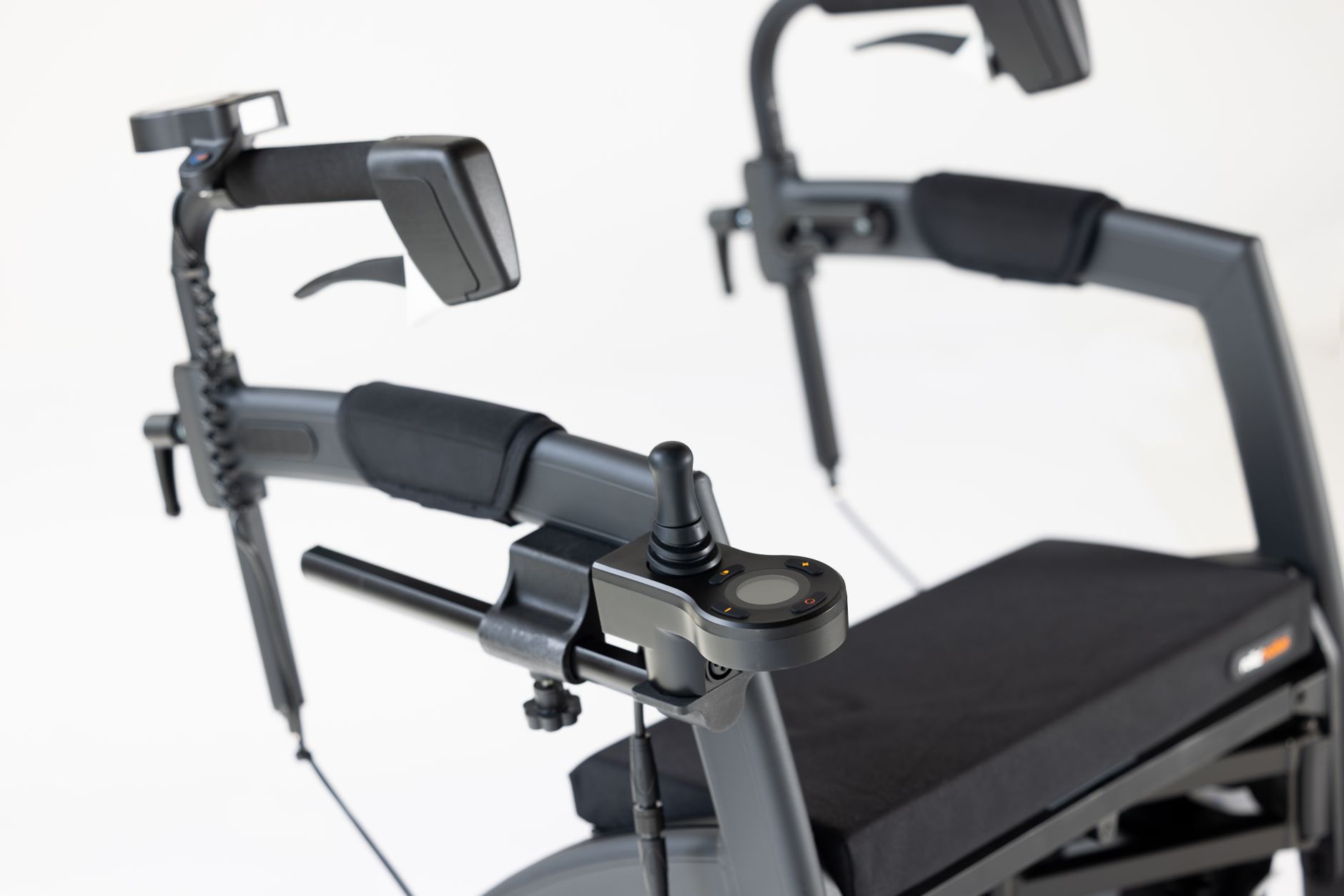
Not all assistive technology is right for every senior, and choosing incorrectly can waste money or create frustration. The most effective approach is to start by identifying the specific risks or limitations in your daily life. If balance is the concern, mobility aids like walkers with better support are the priority. If memory is declining, medication management systems and digital calendars with reminders become essential. If you live alone and fall risk is high, a medical alert system is a baseline investment.
When comparing options, consider the difference between technology that requires active participation and technology that works passively. A smartwatch that automatically detects falls and alerts emergency contacts works whether the wearer remembers to activate it. A medication reminder app only works if the senior picks up their phone when it alerts. For seniors with cognitive decline, passive systems that run in the background are generally more reliable than those requiring action. There’s also a cost-benefit tradeoff—a basic cane costs $20-50, while a smart medical alert system with fall detection costs $200-400 upfront plus monthly monitoring fees. Prioritize the technology that addresses your highest-risk situation first, then add additional layers of safety.
Common Barriers to Adopting Assistive Technology and How to Overcome Them
The biggest obstacle to assistive technology adoption isn’t access or cost—it’s psychology. Many seniors view assistive devices as symbols of disability rather than tools for independence, so they resist using them despite objectively needing them. This stigma is particularly strong among men, who are statistically less likely to use mobility aids even after falls or injuries. A 70-year-old man might refuse a cane for months, only to start using one after a fall that hospitalizes him—not because the need changed, but because his perspective shifted. Family members often underestimate this resistance and make the mistake of buying assistive technology without consulting the senior or without ensuring they understand how to use it.
A daughter installs grab bars without her mother’s buy-in, then gets frustrated when her mother doesn’t use them. A son buys his father a medical alert system but the father leaves it on the kitchen counter instead of wearing it. Overcoming this requires honest conversation about specific risks, involvement of the senior in choosing solutions, and realistic acknowledgment of lifestyle changes. It also requires persistence—many seniors need time to adjust to new devices, and the first attempt isn’t always the solution. A senior might hate one type of walker but prefer a different style, or refuse a pendant alert device but accept a smartwatch that looks normal.

How Family Caregivers Use Assistive Technology to Support Aging Parents
Assistive technology benefits not just the senior but the entire caregiving network. When an aging parent uses assistive devices consistently, adult children and professional caregivers can reduce the intensity and frequency of their supervision. A daughter whose mother wears a medical alert pendant and has motion-sensor lights throughout her home can feel confident that her mother can call for help immediately if needed and can safely navigate at night. A professional caregiver can spend their time on personal care and companionship rather than constantly monitoring for safety hazards.
This technology-enabled independence actually strengthens relationships. Instead of an adult child feeling like they need to check on their mother multiple times daily out of fear, they can check in out of genuine desire to connect. A mother who uses assistive technology successfully maintains more independence, which means she feels less like a burden and is more emotionally present during family interactions. The technology creates space for the relationship to remain what it was before caregiving became necessary.
The Future of Assistive Technology and Aging in Place
Assistive technology is rapidly evolving, and the devices available today are dramatically better than they were even five years ago. Artificial intelligence is improving fall detection accuracy, wearable sensors are becoming more comfortable and invisible, and voice interfaces are making technology accessible to seniors with limited dexterity or vision. The next generation of assistive tools will likely include AI that learns your patterns and can predict falls before they happen, predictive health monitoring that alerts you to infections or cardiac changes days before symptoms appear, and home environments that adapt automatically to your mobility and safety needs.
The trend toward aging in place—remaining in your own home as you age rather than moving to institutional care—is only possible when assistive technology removes the isolation and danger that typically drives that transition. As these devices become more sophisticated, more affordable, and more integrated with each other, the percentage of seniors who feel safe living independently will likely increase beyond the current 49%. The future of aging won’t be defined by where you live, but by the network of technology, family, and community support that makes independent living safe and feasible.
Conclusion
Nearly half of all seniors report feeling safer with assistive technology because these devices address both the physical dangers and psychological fears that accompany aging. Whether it’s a simple grab bar that prevents falls or a sophisticated medical alert system that provides immediate help, assistive technology shifts control back to the senior—making them active participants in their safety rather than passive dependents waiting for help. The devices work because they’re practical solutions to real problems, and because they unlock the confidence to live more fully.
If you’re an aging adult concerned about safety or a family member seeking ways to support an aging parent, the path forward isn’t about moving to an institution or accepting severe restrictions on independence. It’s about systematically identifying the specific risks in your life and matching them with appropriate assistive technology. Start with the biggest safety concern, involve the older adult in the decision, allow time for adjustment, and recognize that this technology is an investment in maintaining independence and quality of life. Your sense of safety is directly connected to your sense of autonomy—and assistive technology gives you both.
Frequently Asked Questions
What’s the difference between a medical alert system and a smartwatch with fall detection?
Medical alert systems (pendants or wristbands) connect to professional monitoring centers that dispatch emergency services immediately when you press a button or the device detects a fall. Smartwatches with fall detection use accelerometers to identify falls automatically, but they notify your emergency contacts rather than professionals—you still need someone available to respond. Medical alert systems are better for people living alone; smartwatches are good as an additional layer if you have family nearby.
How much does assistive technology typically cost?
Costs vary dramatically. Basic mobility aids like canes or walkers cost $20-200. Grab bars and bathroom safety equipment run $15-100 per item. Medical alert systems typically cost $200-500 upfront plus $25-60 monthly monitoring fees. Smart home safety systems (lighting, locks, cameras) start at $100 and scale up depending on how many devices you install. Many insurance plans and Medicare programs cover certain assistive devices—check with your provider.
Can assistive technology replace human caregiving?
No. Assistive technology can prevent accidents and enable independence, but it can’t provide the personal care, medication management, emotional support, or companionship that human caregivers provide. The most effective approach combines assistive technology (which handles routine safety) with family involvement and professional care as needed.
Should I use assistive technology if I don’t think I need it yet?
Most falls and accidents happen to people who didn’t think they were at risk. If you’re over 65, living alone, or have had any balance issues, installing grab bars, improving home lighting, and establishing a way to call for help are reasonable precautions. Starting before a crisis allows you to adapt to the technology gradually rather than trying to learn a new system after an injury.
How do I convince my parent to use assistive technology they’re resisting?
Involve them in choosing solutions rather than imposing them. Focus on specific incidents or risks rather than general arguments about safety. Let them try the device and adjust to it—people often resist at first then accept it. Consider a trial period before committing to purchase. Sometimes reframing the conversation helps: instead of “you need a cane because you’re old,” try “this cane lets you do the things you want to do safely.”