
Walking safety tips are practical strategies designed to reduce your risk of falls, injury, and loss of mobility as you age. These range from simple changes like wearing proper footwear and removing tripping hazards at home to more involved steps like physical therapy, medication reviews, and vision correction. Walking remains one of the most important activities for maintaining independence, and most falls are preventable with awareness and preparation. Falls are the leading cause of both fatal and nonfatal injuries among older adults. A fall can mean a broken hip, wrist, or ankle—injuries that often trigger a cascade of complications, from surgery and hospital stays to long rehabilitation periods.
Consider a 72-year-old named Margaret who slipped on a wet bathroom floor while reaching for a towel. She recovered from her broken hip, but it took six months of physical therapy before she could walk confidently again. That experience taught her that small changes—better lighting, grab bars, and non-slip mats—could have prevented everything that followed. Walking safely doesn’t require major lifestyle disruption. It requires attention to the factors within your control: your environment, your footwear, your health status, and your daily habits. This article covers evidence-based strategies to keep your walking safe, functional, and independent.
Table of Contents
- What Are the Main Causes of Walking Falls and How Can You Prevent Them?
- How Does Balance and Strength Affect Your Walking Safety?
- What Should You Look for in Walking Shoes and Mobility Aids?
- How Can You Modify Your Home and Community Environment for Safer Walking?
- How Do Health Conditions and Medications Affect Walking Safety?
- What Technology and Tools Can Help You Walk Safely?
- How Can Caregivers and Support Networks Strengthen Walking Safety?
- Conclusion
- Frequently Asked Questions
What Are the Main Causes of Walking Falls and How Can You Prevent Them?
Falls happen when balance is disrupted, traction is lost, or obstacles block your path—and older adults face higher risk because of changes in vision, strength, and reflexes that come with aging. Common culprits include loose rugs, poor lighting, slippery floors, obstacles left in walkways, uneven surfaces, and footwear that doesn’t fit or support properly. Medications like blood pressure drugs, sedatives, and pain relievers can also affect balance and coordination, sometimes without you realizing it. Falls are also more likely if you have conditions like arthritis, diabetes, Parkinson’s disease, or inner ear problems that affect balance.
The good news is that many of these risk factors are modifiable. Removing tripping hazards, fixing poor lighting, wearing shoes with good grip and support, and reviewing your medications with your doctor can significantly lower your fall risk. A study tracking older adults over five years found that those who made three or more environmental changes in their homes—such as installing grab bars, adding better lighting, and securing rugs—had fall rates about 25% lower than those who made no changes. Even small steps matter: if you live in a home with a loose throw rug at the bottom of the stairs, that one change can prevent a serious fall.

How Does Balance and Strength Affect Your Walking Safety?
Balance naturally declines with age because of changes in your inner ear, vision, and the sensory nerves in your feet and legs. Your muscles also weaken over time, especially in the legs and core—the muscles that stabilize your spine and keep you upright. This combination means that a surface you could navigate easily at 40 becomes a real hazard at 75. Many people don’t realize how much balance loss has crept up on them until they stumble on something minor or feel unsteady on a slope.
The limitation here is that you cannot fully reverse balance and strength loss simply through exercise, though you can improve it significantly. Walking regularly, practicing tai chi, doing leg and core strengthening exercises, and balance activities like standing on one foot can all help. Research shows that people who exercise regularly have fall rates 20-30% lower than sedentary peers. However, someone with severe arthritis, severe vision loss, or a neurological condition may never regain the balance they had at 30—and accepting this reality is important. It doesn’t mean you give up walking; it means you modify your approach, perhaps using a cane or walker when needed, walking with a companion, or choosing safer routes with handrails and even surfaces.
What Should You Look for in Walking Shoes and Mobility Aids?
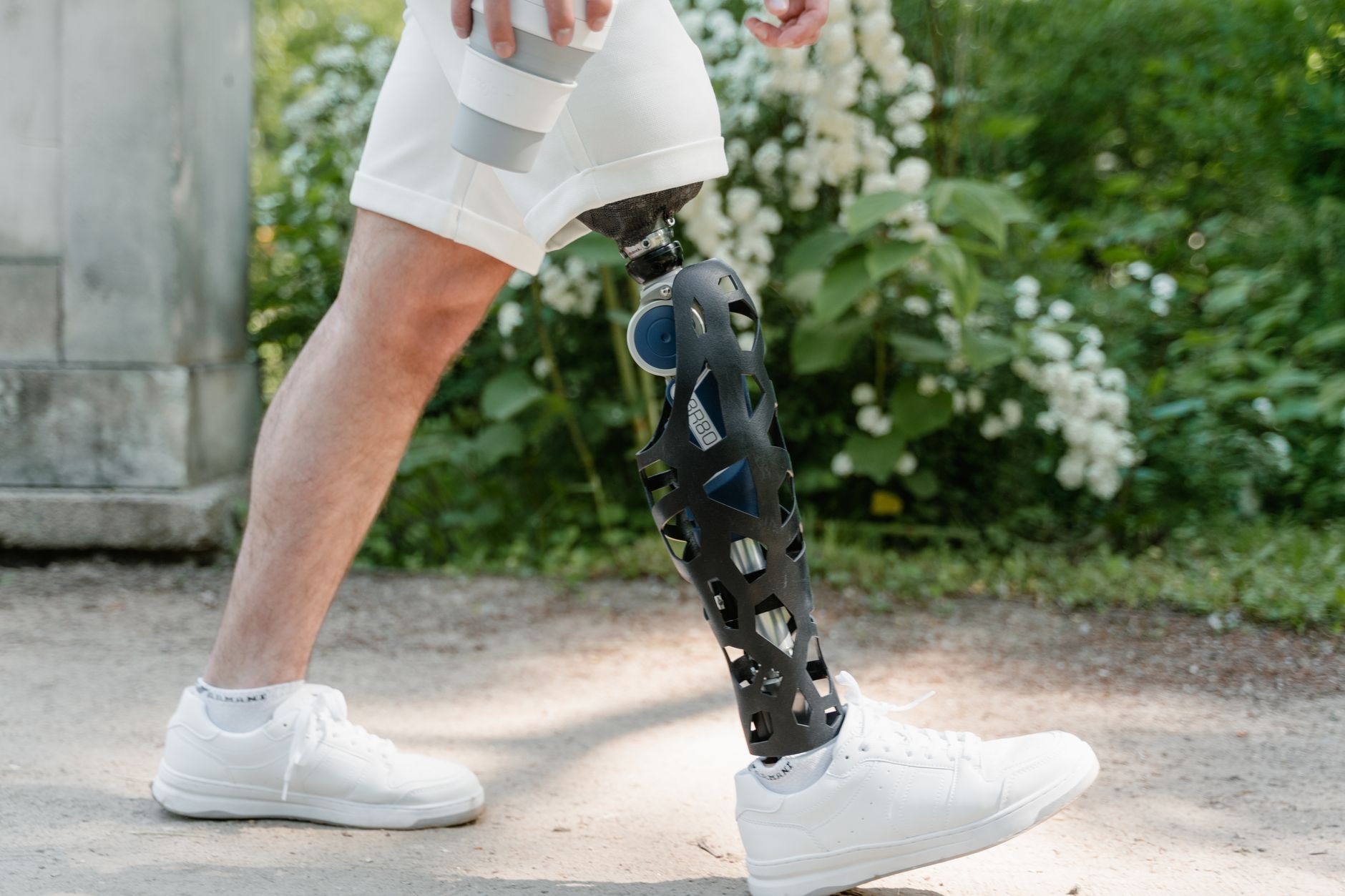
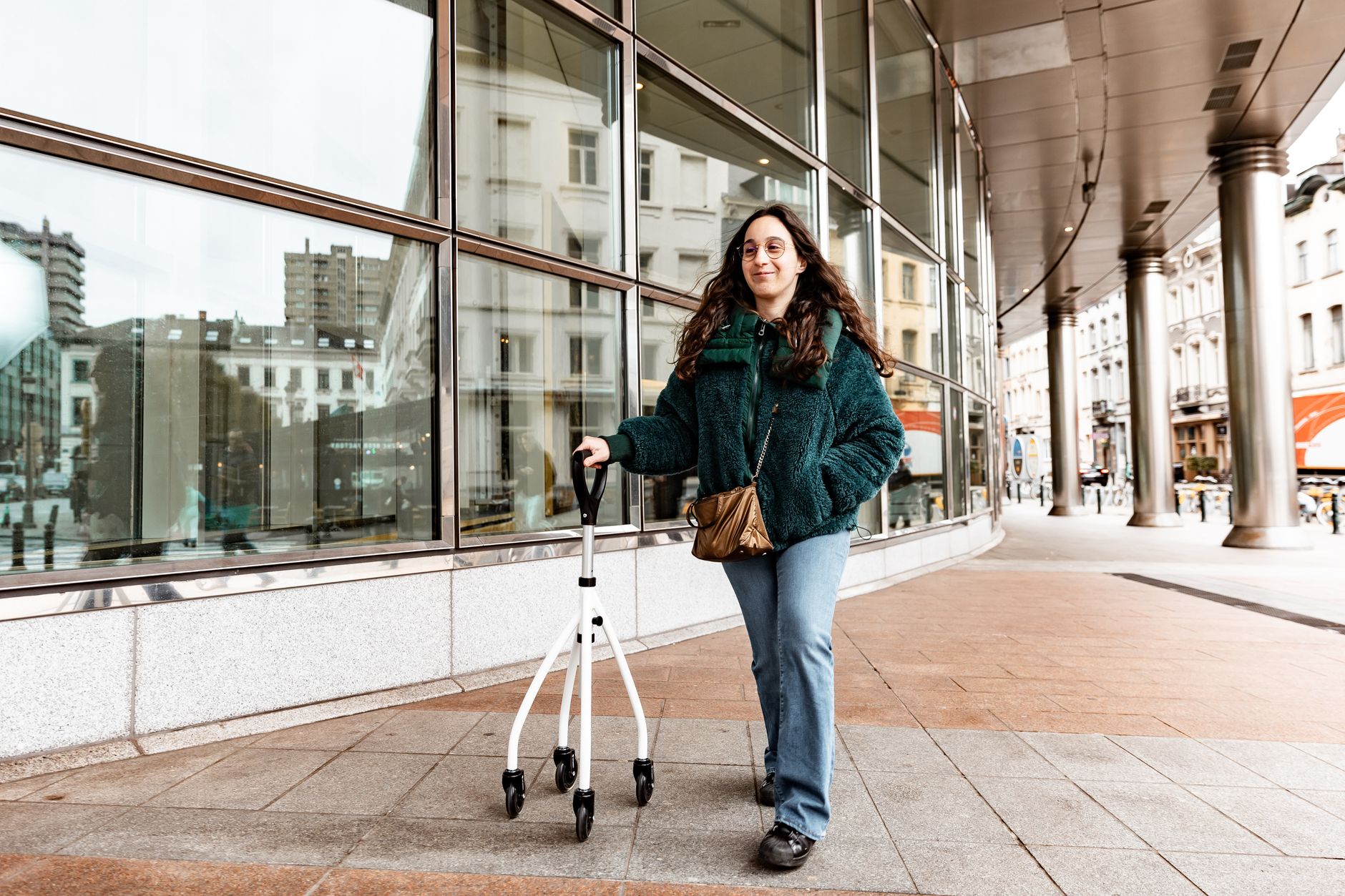
Footwear has an outsized impact on walking safety. Good shoes should have a firm, non-slip sole with traction appropriate for your climate, a wide base for stability, a closed heel to prevent slipping out, and enough cushioning to absorb impact without feeling unstable. Shoes that are too loose, too tight, worn down, or have high heels increase fall risk significantly. An 65-year-old named Robert thought his old loafers were fine until he slipped on a parking lot and broke his wrist. His doctor recommended shoes with a rubber sole and a wider toe box, and he hasn’t had a close call since. Mobility aids like canes, walkers, and rollators are not signs of failure—they are tools that extend your independence.
A cane can improve balance and reduce stress on a painful knee. A walker provides more support and stability than a cane, especially for those with significant balance problems. A rollator adds wheels, brakes, and a seat, which can help if you need to rest during longer walks. However, using the wrong aid or using it incorrectly can create its own hazards. A cane that’s the wrong height, for example, throws off your posture and reduces its effectiveness. Make sure any mobility aid is fitted to you by a physical therapist or doctor, and learn how to use it correctly before relying on it.
How Can You Modify Your Home and Community Environment for Safer Walking?
Your physical environment directly affects your risk. Inside your home, this means good lighting in hallways and stairwells, grab bars in the bathroom and on stair railings, secure rugs or remove them entirely, clear pathways of clutter, non-slip surfaces in kitchens and bathrooms, and furniture arranged so you don’t have to squeeze past edges. A simple example: adding light switches at both the top and bottom of stairs, or motion-sensor lights in a dark hallway, costs little but prevents the stumble that happens when you can’t see where you’re going. Outside your home, safer walking means choosing routes with sidewalks, smooth pavement, handrails, and good street lighting.
If you live in an area with ice or snow, being selective about when and where you walk in winter is wise. Some people hire someone to clear their driveway or take walks in a mall during bad weather. The tradeoff is that limiting outdoor walking in winter reduces your overall activity, which can lead to deconditioning and weakened muscles. Weighing that risk against the fall risk of icy pavement is a real choice many people face, and the answer depends on your individual balance, strength, and access to safer alternatives.
How Do Health Conditions and Medications Affect Walking Safety?
Many health conditions impair walking safety directly. Arthritis causes pain and stiffness that limit your stride and make uneven surfaces harder to navigate. Diabetes can damage the nerves in your feet, reducing your ability to feel where your feet are or detect pain from a blister or pressure point, which can lead to falls or injuries you don’t notice. Parkinson’s disease affects balance and muscle control. Inner ear disorders cause dizziness. Stroke or neurological conditions can affect coordination on one side of your body. The important warning here is not to assume your walking problems are just “normal aging”—they may be symptoms of a treatable condition. Medications carry underappreciated walking hazards.
Blood pressure drugs can cause dizziness or lightheadedness, especially when you stand up too quickly. Sedatives and anti-anxiety drugs slow your reflexes and reaction time. Pain relievers and sleep aids can make you drowsy and unsteady. Diuretics can cause electrolyte imbalances that affect balance. Many people take multiple medications, and the combinations can amplify these effects. A conversation with your doctor about the side effects of your medications is valuable. Sometimes a medication can be adjusted, the timing of doses changed, or an alternative prescribed. Even if the medication is essential, knowing it increases your fall risk allows you to take extra precautions.
What Technology and Tools Can Help You Walk Safely?
Technology can support walking safety in practical ways. Personal alert systems allow you to call for help immediately if you fall, which reduces the time you spend on the ground—important because lying on a floor for hours after a fall increases the risk of serious complications. Wearable devices can detect falls automatically and alert emergency contacts. Well-lit headlamps or clip-on lights improve visibility if you walk during dawn or dusk. Smartphone apps that assess your gait and balance can provide feedback and progress tracking if you’re doing physical therapy.
Some communities offer walking groups specifically designed for older adults, which provide both social connection and the safety of walking with others. These groups have built-in rest stops, flat routes, and people trained to respond if someone becomes unwell. Smart home technology can also reduce hazards. Motion-sensor lights that turn on when you walk through a room, voice-activated lighting that responds to commands, and video doorbells that let you see who’s at the door without opening it all reduce the need to navigate dark spaces or open doors to strangers. The downside is that these tools cost money and require some comfort with technology. For someone with limited income or no interest in gadgets, the basics—good lighting, a phone within reach, and a support system that checks on you—work just as well.
How Can Caregivers and Support Networks Strengthen Walking Safety?
Your walking safety is partly about you and partly about the people in your life. A caregiver or family member can walk with you regularly, which provides both motivation and immediate help if you become unsteady. A companion also deters crime and gives you someone to talk to, which makes walking more enjoyable.
Regular check-ins with a doctor or physical therapist can identify changes in your gait or balance early, before they become dangerous. A physical therapist can assess your walking, recommend exercises tailored to your specific needs, and teach you how to move safely as your body changes. Looking forward, the conversation about walking safety is shifting from “prevent all falls” to “maintain function and independence while accepting some risk.” As you age, perfect safety often comes at the cost of isolation and loss of purpose—staying home to eliminate all fall risk is its own health hazard. The real goal is informed risk-taking: understanding your personal fall risk, addressing what you can control, accepting what you can’t, and making choices that allow you to do the things that matter to you.
Conclusion
Walking safely as you age is about understanding your personal risk factors, addressing hazards in your environment and health that you can change, and using the right tools and support to move confidently. No single strategy—not better shoes, not grab bars, not stronger legs—eliminates fall risk entirely. But combining several changes—better lighting, the right footwear, exercise to maintain strength, a review of your medications, and grab bars where they matter—can significantly reduce your risk. Start with a clear-eyed assessment of your current situation. Walk through your home and note tripping hazards.
Wear shoes that fit and have good grip. Ask your doctor about your medications and any conditions that affect your balance. If you’re unsure, ask for a referral to physical therapy. And don’t underestimate the power of simple actions: accepting help from a friend for a daily walk, installing one grab bar in the bathroom, or switching to shoes with better traction. Independence in walking doesn’t mean doing it alone—it means doing it safely enough to keep doing it for years to come.
Frequently Asked Questions
At what age should I start worrying about fall prevention?
Fall prevention becomes increasingly important after age 65, but it’s never too early to build the habits—good footwear, strength training, and hazard-free environments—that keep you safe. If you have balance problems, mobility issues, or have had a fall at any age, start now.
Should I use a walker or cane if I’m worried about falls, even if I haven’t fallen yet?
A mobility aid can prevent a fall if your balance is genuinely compromised. However, using one when you don’t need it can actually weaken your muscles faster through disuse. If you’re uncertain, talk to a doctor or physical therapist who can assess your gait and balance and give you a clear recommendation.
What’s the most important change I can make in my home to prevent falls?
Good lighting is often the highest-impact change—you can’t navigate safely if you can’t see. After that, removing tripping hazards, installing grab bars in the bathroom, and securing loose rugs are the next priorities.
Is it normal to feel unsteady or dizzy when I walk?
No. Dizziness or unsteadiness is a symptom that something needs attention—whether it’s vision loss, inner ear problems, medication side effects, dehydration, blood pressure issues, or muscle weakness. Talk to your doctor about it before it leads to a fall.
Can exercise really reduce my fall risk?
Yes. Regular walking, strength training, and balance exercises have been shown to reduce fall risk by 20-30% in older adults. The effect is stronger if you start before you’ve had a significant decline in balance or strength.
What should I do immediately after a fall, even if I feel okay?
Get checked by a doctor. Some injuries, like hairline fractures or internal bleeding, may not cause immediate pain. Also, after a fall, people often lose confidence in their walking, which can lead to inactivity and further decline. A doctor can assess what happened, order imaging if needed, and help you understand how to prevent the next one.