
The most confident solo agers aren’t those who believe they’ll never need help—they’re the ones who have meticulously planned for when they will. A backup plan for aging alone is not a admission of defeat or dependency; it’s the scaffolding that makes independent living genuinely sustainable. These plans include everything from documented medical wishes and accessible finances to trusted contacts who can step in during emergencies, communication systems that alert others if something goes wrong, and predetermined agreements about what kinds of care you’d accept and under what circumstances. A 75-year-old who lives alone in her own home with confidence typically has far more infrastructure behind her than anyone watching sees. The difference between aging in place successfully and aging in place with constant anxiety often comes down to one overlooked fact: you need backup plans precisely because you’re living independently.
If you were in an assisted living facility, staff would check on you, manage medications, and handle emergencies. Solo aging removes those automatic safety nets, which means you must intentionally build them. This doesn’t mean losing autonomy—it means protecting it with realistic forethought. A neighbor who knows you and has a key, a system for someone to verify you’re okay if you don’t show up to your weekly coffee date, a sibling with power of attorney who understands your priorities, a medication management system that alerts both you and a trusted friend if you miss a dose—these aren’t restrictions on your independence. They’re what make independence possible.
Table of Contents
- What Happens When Solo Agers Have No Backup Plans?
- Understanding the Multiple Layers of Your Safety Net
- Creating Legal and Financial Safeguards
- Building Your Personal Backup Plan Framework
- Warning Signs Your Backup Plan Needs Reinforcement
- Technology as a Safety and Backup System
- Evolving Your Backup Plans as Circumstances Change
- Conclusion
- Frequently Asked Questions
What Happens When Solo Agers Have No Backup Plans?
The absence of backup plans doesn’t mean living in crisis from day one—it means vulnerability increases with each year and each health change. Without formal systems, older adults often suffer undetected falls, continue taking medications they no longer need because no one reviews them, make financially poor decisions without a sounding board, or delay seeking medical help because there’s no one to watch them overnight. More concretely: a 68-year-old man who hadn’t told anyone about his diabetes and had no system for checking blood sugar was found confused in his home after nearly 36 hours of severe hypoglycemia. He recovered fully, but he’d already had a small stroke.
A backup plan—even a simple one where a daughter texts him a checklist each morning and he responds—would likely have caught the warning signs within hours. The absence of backup plans also affects decision-making quality. A woman in her early 80s with no close family and no care coordinator quietly stopped leaving her house after a small accident, not because she was unable to, but because she had no one to discuss whether it was safe to go out or whether adaptive equipment might help. She lived increasingly isolated in her own home, not because she lacked ability, but because she lacked another person’s perspective to reality-test her fears and her capacities. This is the hidden cost of zero backup planning: you’re not just vulnerable to physical crises, you’re vulnerable to slow deterioration in judgment and isolation that no single person can reverse alone.

Understanding the Multiple Layers of Your Safety Net
A comprehensive backup plan operates on several layers, each serving a different function. The first layer is daily safety: who checks on you, and how often? This might be a family member who calls every morning, a friend who meets you for coffee twice a week, a paid caregiver who visits to help with cleaning, or a technology solution like a medical alert system or a door sensor that tells someone you’re mobile each day. The second layer is emergency response: if something serious happens right now, who knows how to reach whom, what your medical wishes are, and what your priorities are? The third layer is financial and legal continuity: who can access your accounts if you’re incapacitated, who makes medical decisions, and who manages your affairs? A fourth layer is medical coordination: does your doctor know who to contact if something changes, do you have a care manager who knows all your providers, and is there documentation of your medication history and allergies in one place that multiple people can access if needed? The limitation of many backup plans is that they’re built around only one or two of these layers, leaving gaps. A 70-year-old woman had excellent legal documents—power of attorney, healthcare proxy, living will—but no one checking on her daily safety.
She fell in her shower and wasn’t discovered for over 24 hours. By contrast, another older adult had family who called daily but had no documented healthcare wishes, no power of attorney in place, and no one trained to manage her finances if something happened to her. When she had a stroke, the family couldn’t access her bank accounts to pay her mortgage, and she had no legal directive to guide her care preferences. A truly robust backup plan weaves together all four layers, with redundancy in the human connections (so that if your primary contact is unavailable, someone else can respond).
Creating Legal and Financial Safeguards
Before you need a backup plan in an emergency, you need legal documents that make your backup plan actually functional. A healthcare power of attorney designates who can make medical decisions for you if you’re unable to. A financial power of attorney designates who can manage your money and property. A living will or advance directive documents your wishes about life-sustaining care. Without these, even a devoted family member cannot legally access your bank account, pay your bills, or make medical decisions if you’re incapacitated—which creates chaos exactly when things are most urgent. A 76-year-old man had his adult daughter as his primary backup contact, but he’d never named her in any legal document. When he suffered a major stroke, hospitals couldn’t release information to her without his consent, and she couldn’t pay his bills or manage his affairs because she had no legal authority. The legal documents took months to sort out while his house went unpaid, his assets were frozen, and his care decisions were delayed.
The warning here is that legal documents are not a one-time task. You need to name alternates in case your first choice is unavailable, unable, or unwilling to serve. You need to update documents if your circumstances change, your relationships shift, or if the people you named have moved far away or developed their own health issues. A woman who named her brother as her healthcare power of attorney learned too late that he had dementia and could no longer make reliable medical decisions. She had to scramble through emergency legal proceedings to appoint someone else at a moment when her health was deteriorating. You also need to actually tell your backup people what you’ve documented. Legal papers locked in a safe deposit box that no one knows exist defeat the entire purpose. You need to review these documents with your designated people, make sure they’re actually willing to serve, and give them clear access to the documents when they need them.

Building Your Personal Backup Plan Framework
Start by listing every person, service, or system that currently helps sustain your life: your doctor, your pharmacist, your cleaner, your neighbor, your children or close friends, your hairdresser if she’s someone you see regularly and trust. Then categorize what function each fills. Who would notice if you fell? Who would know how to reach your doctor? Who would make medical decisions aligned with your values? Who could pay your bills? Who could you call in pain at 2 a.m.? You’ll likely find you have strong coverage in some areas and dangerous gaps in others. A man in his 80s realized that while his son handled his finances beautifully, he had no one who knew his medication list, no one trained on his heart condition, and no way for someone to alert him if he’d had a fall. He added a cardiologist-recommended home monitoring system, put his medication list on the refrigerator, and trained his neighbor to watch for warning signs.
The cost was minimal, but it transformed his actual safety. The tradeoff in backup planning is between independence and transparency. Some older adults resist telling anyone about their health issues, their falls, their memory lapses, because they believe secrecy maintains their autonomy. But the reality is the opposite: the more others know about your actual situation and your wishes, the more you can negotiate your independence with them. A woman who finally told her adult children about her hearing loss and memory concerns didn’t lose autonomy—she gained the ability to ask for specific help (her daughter now reads her important documents aloud, her son writes down phone conversations) while making clear that she still controls her own decisions. Backup planning is not about ceding control; it’s about making your control legible to others so they can support it instead of working against it.
Warning Signs Your Backup Plan Needs Reinforcement
Pay attention if you’re not actually maintaining regular contact with the people who are supposed to be your safety net. If you haven’t spoken to your healthcare power of attorney in over a year, she won’t remember her role or your wishes when you need her. If your neighbor who was supposed to notice if you’re okay has never actually been inside your house, he won’t know what’s normal or abnormal. If you’ve never actually called your “emergency contact” during a minor problem, you don’t know if she’s reliable or if she’s moved or changed her number. A man whose daughter was listed as his emergency contact learned only during an actual health crisis that she’d changed her phone number two years ago and his outdated number led nowhere when the hospital tried to reach her. Start small: call your backup people with minor questions or requests to practice the relationship. Ask your neighbor to help you carry groceries. Tell your healthcare proxy about a recent health decision so she hears how you think.
These small interactions both strengthen the actual relationship and test whether your backup plan is really functional. Another major warning is when your backup plan depends entirely on one person. If your sole backup contact is one adult child, and that child becomes ill, injured, unavailable, or overburdened, you’re suddenly without backup at all. Redundancy is essential. You need your primary contact, yes, but you also need a secondary person who understands your situation and can step in. You need your neighbor to know your daughter’s phone number. You need your doctor to know that your son is the person to inform if something changes. You need your documents stored somewhere that doesn’t require only one person to know where they are. The limitation is that building true redundancy takes more work than simply telling one person “you’re in charge”—it requires training multiple people, keeping information current in multiple places, and sometimes managing different people’s interpretations of your wishes.
Technology as a Safety and Backup System
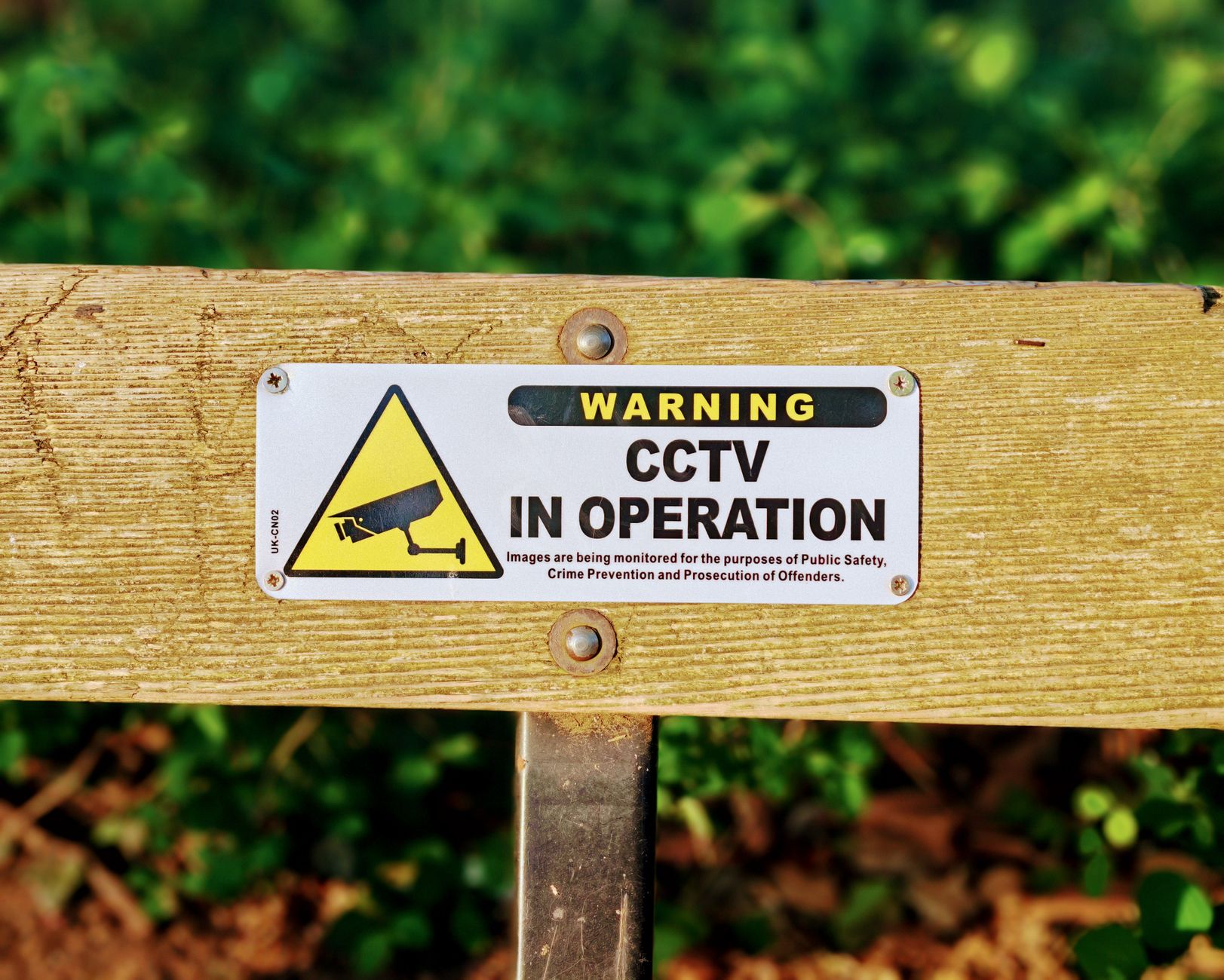
Technology can serve as a significant component of your backup plan, though not as a replacement for human connection. A medical alert system can immediately notify emergency contacts if you fall and can’t get up. A medication dispenser can alert your family if you miss a dose or take a duplicate dose. A door sensor can alert a family member if you leave your house during unusual times (important for older adults with cognitive concerns). A home camera pointed at your living space can let a caregiver check whether you’ve gotten out of bed without requiring you to answer the phone.
A home visiting nurse service can combine technology monitoring with actual human check-ins. The advantage is that these systems work whether you remember to call for help or not, and whether your family is nearby or 1,000 miles away. The limitation is that technology fails, people forget to charge devices, and sensors can’t replace human judgment about what’s actually wrong. A 72-year-old woman had an excellent fall-alert system, but when she actually fell and hit her head, she was confused enough that she couldn’t communicate her symptoms to the alert dispatcher, and by the time paramedics arrived, she’d been lying there for some time. Her backup plan worked—she was found—but the real lifesaver was that her daughter, who received the alert through the app, knew to call 911 and stay on the line rather than waiting for her mother to call for help. Technology works best when it’s one layer of a multi-layered backup plan, not the only layer.
Evolving Your Backup Plans as Circumstances Change
Your backup plan is not something you create at age 70 and then check off the list. Your health changes, your relationships shift, your family members age and sometimes develop their own limitations, you may need to move, and your priorities about independence versus support may evolve. The person you named as your healthcare proxy at 75 may be dealing with their own aging concerns at 85. The neighbor you relied on may move away. The level of daily check-in that felt adequate when you were hiking might feel inadequate after a health event. Review your backup plan every year, or after any significant change—a health diagnosis, a fall, a move, a major relationship shift, a loss of a person you relied on.
Ask yourself: Is this person still willing and able to serve? Do they still know my current wishes? Does my actual daily life still match my backup plan? Am I experiencing symptoms or changes that mean I need different backup systems? The forward-looking reality is that confident solo aging isn’t a fixed state—it’s an ongoing negotiation between your capabilities and your support systems. The goal isn’t to need as little backup as possible; it’s to need backup that’s realistic, documented, practiced, and actually functional. The people aging in place with genuine confidence are those who’ve accepted that backup planning isn’t a one-time task but an ongoing part of maintaining an independent life. They update their emergency contacts as people’s circumstances change. They refresh conversations about their values and wishes every few years. They test their systems during calm times so when crisis comes, the systems actually work.
Conclusion
The backup plans behind confident solo aging are not mysterious or complicated—they’re the natural and necessary structure that enables independence to be sustainable rather than precarious. These plans have multiple layers: daily safety systems, emergency response protocols, legal and financial safeguards, and medical continuity. They’re built through conversations with real people, legal documents that are actually understood and accessible, regular practice and refinement, and the honesty to recognize what you truly need and what you’re hoping will magically appear but probably won’t. The goal is not to eliminate your need for backup, but to make your backup reliable, documented, and truly functional.
Your next step is to start with what you already have. Who currently knows your basic information, your health situation, your wishes? What’s missing? Do you need legal documents? Do you need to build deeper relationships with neighbors or friends who could actually help? Do you need a professional care coordinator or advocate who can connect all the dots? One conversation, one document completed, one relationship deepened—these are how backup plans become real. The older adults aging independently in their own homes with genuine confidence aren’t the ones who’ve decided they don’t need help. They’re the ones who’ve deliberately, carefully built systems that ensure help will actually be there when they need it.
Frequently Asked Questions
What if I have no family nearby and no close friends—how do I build a backup plan?
You build it through paid and professional connections instead. A care manager or geriatric care coordinator can serve as your central coordinator, a visiting nurse service provides regular check-ins, a local attorney can establish legal documents, and you can hire neighbors or local handypeople to help with specific tasks. Community organizations, religious groups, or senior centers often have volunteers or befriending services. The key is that you need actual, reliable people in your life—not just family or friends. Document everything and formalize connections so people understand their role.
How often should I update my backup plan?
At minimum, review it annually. More importantly, update it immediately after any significant change: a new diagnosis, a fall, a move, a major family shift, or if someone you named can no longer serve. Many people review their backup plan on a milestone birthday or at the start of each year. Even if nothing has changed, refreshing conversations with your backup people every 18 months keeps everyone informed and committed.
What if someone I named as backup doesn’t want to do it?
Ask them directly before you put them on the documents. People may agree out of guilt or obligation but be unavailable or unwilling when you actually need them. Have a real conversation about what you’re asking them to do and when they might need to do it. If they can’t or won’t commit, name someone who will. It’s better to know this now than to discover mid-crisis that your healthcare proxy is unreachable or unwilling.
Do I need professional help, or can I build a backup plan on my own?
You can start on your own with honest conversations and documented wishes. But most older adults benefit from professional guidance on legal documents, and many benefit from a care coordinator or geriatric care manager who helps integrate all the pieces. This is especially important if you have complex health issues, complicated family dynamics, or significant assets. Start where you are, but consider professional help once you understand what you actually need.
Can technology replace a human backup plan?
No. Technology is a valuable addition—it can alert people to problems and provide monitoring when humans can’t be present. But it can’t replace human judgment, can’t make complex medical decisions, and can’t provide actual presence or emotional support. Use technology as one layer of your backup plan, but always have real people who understand you and your situation as your foundation.