
Medical alert systems are designed to connect older adults and people with chronic conditions to emergency responders or trusted contacts within seconds of pressing a button—maintaining their independence by ensuring help arrives quickly when needed. Rather than forcing a move to assisted living or constant in-person supervision, these systems allow people to stay in their own homes and manage daily life with the confidence that assistance is available during a fall, cardiac event, or other medical emergency. A 78-year-old woman living alone after her husband’s death can garden, take walks, and host grandchildren for dinner knowing that if she falls, one press of her wristwatch activates a two-way call with a trained operator who will dispatch paramedics to her exact location.
The independence these systems support is neither trivial nor automatic. True independence requires more than just a device—it requires reliable monitoring, rapid response, accurate location data, and the user’s confidence that help will actually come. Medical alert systems have evolved from basic pull-cord devices in bathrooms to smartphone-connected networks, GPS-enabled wearables, and AI-powered fall detection systems that can identify a fall without the user pressing anything. For people committed to aging in place, these systems are often the difference between staying home and entering institutional care.
Table of Contents
- WHAT MAKES MEDICAL ALERT SYSTEMS EFFECTIVE FOR STAYING HOME?
- DIFFERENT TYPES OF SYSTEMS—UNDERSTANDING YOUR OPTIONS
- HOW MEDICAL ALERT SYSTEMS SUPPORT AGING IN PLACE ACROSS DIFFERENT SCENARIOS
- CHOOSING A SYSTEM—PRACTICAL CONSIDERATIONS AND TRADEOFFS
- LIMITATIONS AND COMMON PITFALLS THAT UNDERMINE EFFECTIVENESS
- INTEGRATING ALERT SYSTEMS WITH BROADER SAFETY STRATEGIES
- EVOLVING TECHNOLOGY AND FUTURE DIRECTIONS
- Conclusion
WHAT MAKES MEDICAL ALERT SYSTEMS EFFECTIVE FOR STAYING HOME?
Medical alert systems work through a combination of wearable devices, monitoring networks, and trained operators who respond to emergencies in real time. When a user presses the button on a wearable pendant or wristwatch, the device connects to a monitoring center via cellular networks, internet, or both—initiating a two-way voice conversation with an operator trained in emergency response. The operator gathers information about the situation, determines whether paramedics are needed, and if so, dispatches emergency services to the user’s address while staying on the line to provide reassurance and instructions. The entire process typically takes 60 to 90 seconds from button press to emergency dispatch. What makes this independence-backing is reliability. A person who has suffered a fall at home might be injured, disoriented, or unable to reach a phone.
The medical alert device removes the need to navigate a phone, remember emergency numbers, or describe their location. Instead of lying on a kitchen floor hoping a neighbor stops by, a user with an active medical alert system can summon trained professionals who know the exact address and have immediate access to emergency medical information on file. Studies show that fall response times for alert system users average 5 to 7 minutes from dispatch to paramedics arriving at the home, compared to 15 to 30 minutes or longer for people who have to call 911 themselves or hope someone finds them. The psychological independence is equally important. older adults who know they can summon help report higher confidence in living alone, greater willingness to engage in activities outside the home, and reduced anxiety about what happens if something goes wrong. This confidence often extends to family members—adult children report sleeping better at night knowing a parent has an active monitoring system, which in turn reduces the pressure on them to move a parent into their home or into assisted living earlier than necessary.
DIFFERENT TYPES OF SYSTEMS—UNDERSTANDING YOUR OPTIONS
Medical alert systems fall into several categories, each with different capabilities and trade-offs. Traditional landline-based systems connect to a monitoring center through the user’s existing phone line; these are among the least expensive ($20 to $30 per month) but require an active landline, which is becoming less common, and only work at home. Cellular-based systems use built-in or external cellular connectivity to reach the monitoring center; these cost $35 to $60 per month and work anywhere within cell coverage, allowing a user to wear their pendant while gardening, shopping, or traveling. GPS-enabled systems add location tracking, particularly valuable for people who wander due to dementia or cognitive decline; these typically cost $50 to $80 per month and pinpoint the user’s location to within 30 feet when they press the button. Fall detection systems represent a newer category—these use accelerometers and proprietary algorithms to detect sudden drops characteristic of falls. When a fall is detected, the device automatically initiates a call to the monitoring center without the user needing to press anything.
This matters enormously for people with Parkinson’s disease, severe arthritis, or cognitive decline who might be unable to press a button, unconscious after a fall, or simply disoriented. The major limitation of fall detection is false alarms—throwing something heavy down the stairs, jumping off a porch, or even vigorous exercise can trigger unnecessary emergency calls. Most systems allow users to cancel the call if it was a false alarm, but this requires consciousness and the ability to move to the device. Hybrid systems combine multiple technologies—for example, a wristwatch that works via cellular network in most situations but can fall back to internet connectivity at home via WiFi, and includes both button-press and automatic fall detection. These offer flexibility but often cost $60 to $100 per month and may require subscriptions to multiple services. A critical limitation across all systems: they only work if the device is charged and worn consistently. People who leave their pendant on a nightstand, forget to charge their wristwatch, or never actually put on their medical alert device gain no protection whatsoever.
HOW MEDICAL ALERT SYSTEMS SUPPORT AGING IN PLACE ACROSS DIFFERENT SCENARIOS
Medical alert systems work best for people with specific medical risks: those with a history of falls, heart disease, seizure disorders, diabetes, or loss of consciousness events. An 82-year-old man with atrial fibrillation who has experienced one stroke lives alone and continues to run errands and maintain his garden. His wristwatch includes fall detection and cellular connectivity; when he collapses from a second stroke while checking his mailbox, the fall detection triggers automatically, and the monitoring center locates him via GPS on his driveway, dispatches paramedics, and contacts his daughter. Without the system, he might have been found hours later by a neighbor, significantly delaying treatment. Medical alert systems also support people with cognitive decline, though with important caveats.
A 76-year-old woman with early-stage dementia can continue living at home with a GPS-enabled medical alert system; if she leaves the house during the night or gets lost while driving, family members can view her location on a smartphone app and guide her home or dispatch help. However, GPS systems rely on the user wearing the device, and people with advancing cognitive decline often remove devices or forget they’re wearing them. The family of someone with moderate to advanced dementia might find that a system designed for independent adults becomes ineffective as the condition progresses, requiring a move to assisted living or increased in-person supervision anyway. For people recovering from surgery or hospitalization, medical alert systems can bridge the gap between discharge and full recovery. After hip replacement surgery, an older adult might not feel confident walking alone for 6 to 8 weeks; a medical alert system provides a safety net during physical therapy at home, reducing the need for a family member to take unpaid leave or hire an in-home caregiver for that period. Once recovery is complete, the system can be discontinued if fall risk has normalized.
CHOOSING A SYSTEM—PRACTICAL CONSIDERATIONS AND TRADEOFFS
Selecting a medical alert system requires honest assessment of the user’s actual needs and behaviors. The most common mistake is buying a system based on features the person won’t use or can’t reliably access. Someone who refuses to wear anything around their neck won’t benefit from a pendant system; better to choose a wristwatch, a phone-based app, or a home-based system with voice activation. Someone who travels frequently or spends significant time outside the home needs cellular or GPS coverage, not a landline system. Someone with arthritis or hand tremor needs large, easy-to-press buttons, not tiny pendants. Cost varies significantly based on features and contract terms. Medical alert systems typically charge a monthly monitoring fee ($20 to $100 per month), an equipment cost ($100 to $500 for the device, often waived with longer contracts), and sometimes additional fees for features like fall detection, GPS, or emergency home access (allowing responders to unlock the home if needed).
Over a 5-year period, a basic system might cost $1,200 to $1,500 total, while a premium GPS system with fall detection could run $3,000 to $5,000. This is substantially less than in-home care (which costs $4,000 to $8,000 per month in most regions) or assisted living (which costs $3,000 to $5,000 per month), but it’s still a meaningful expense that should be evaluated against family finances and insurance coverage (some Medicare Advantage plans partially cover medical alert systems). A critical practical decision: will the user actually wear and maintain the device? A $100-per-month system that sits in a drawer provides zero protection. Comfort, weight, appearance, and ease of charging all matter. Someone bothered by the look of a bulky pendant might maintain compliance with a sleek smartwatch-style device instead. Someone with poor fine motor control needs devices with large buttons, not the tiny touchscreens on some high-tech options. Trial periods (if available) or speaking directly with current users can help predict whether someone will actually use the system consistently.
LIMITATIONS AND COMMON PITFALLS THAT UNDERMINE EFFECTIVENESS
Even well-chosen medical alert systems have real limitations. Location accuracy, for example, depends on the technology used. GPS systems in urban areas typically pinpoint location within 30 feet, which is good enough for paramedics to find a house but might miss someone in a large apartment building or multi-unit complex. Cellular triangulation (which some systems use when GPS isn’t available) might only narrow location to within several hundred feet. WiFi-based location systems can be off by even wider margins. A person who collapses on a hiking trail 3 miles from the nearest address has a device that can call for help but might be in an area where GPS coordinates are the only way for search and rescue to locate them—which works, but slower than urban response. Operator training and quality varies among monitoring centers. When a user presses their alert button, they’re connecting to a call center staffed by humans trained to handle emergencies.
Some monitoring centers employ paramedics or nurses; others employ general operators. Some centers maintain detailed medical history files on each user; others have minimal information and must rely on the user to describe their condition while potentially injured, panicked, or unable to communicate clearly. Experienced operators can recognize when someone is having a stroke based on slurred speech; inexperienced operators might misinterpret confusion as intoxication. Checking whether a monitoring center is certified (through organizations like the Life Safety and Security Industry Association) and reading reviews from actual users can help identify higher-quality services. Battery and charging failures silently eliminate protection without the user realizing it. A wristwatch that’s dead provides no fall detection and no way to call for help. An older adult might assume their device is still working when the battery died days ago. The best systems send reminder notifications to charge and may have backup battery features, but even these can fail if someone ignores repeated charging reminders or leaves their device uncharged during a trip. It’s worth building in a system: a family member might send a weekly text reminder to check the device, or the older adult might establish a routine of charging it at the same time every evening, like with their phone.
INTEGRATING ALERT SYSTEMS WITH BROADER SAFETY STRATEGIES
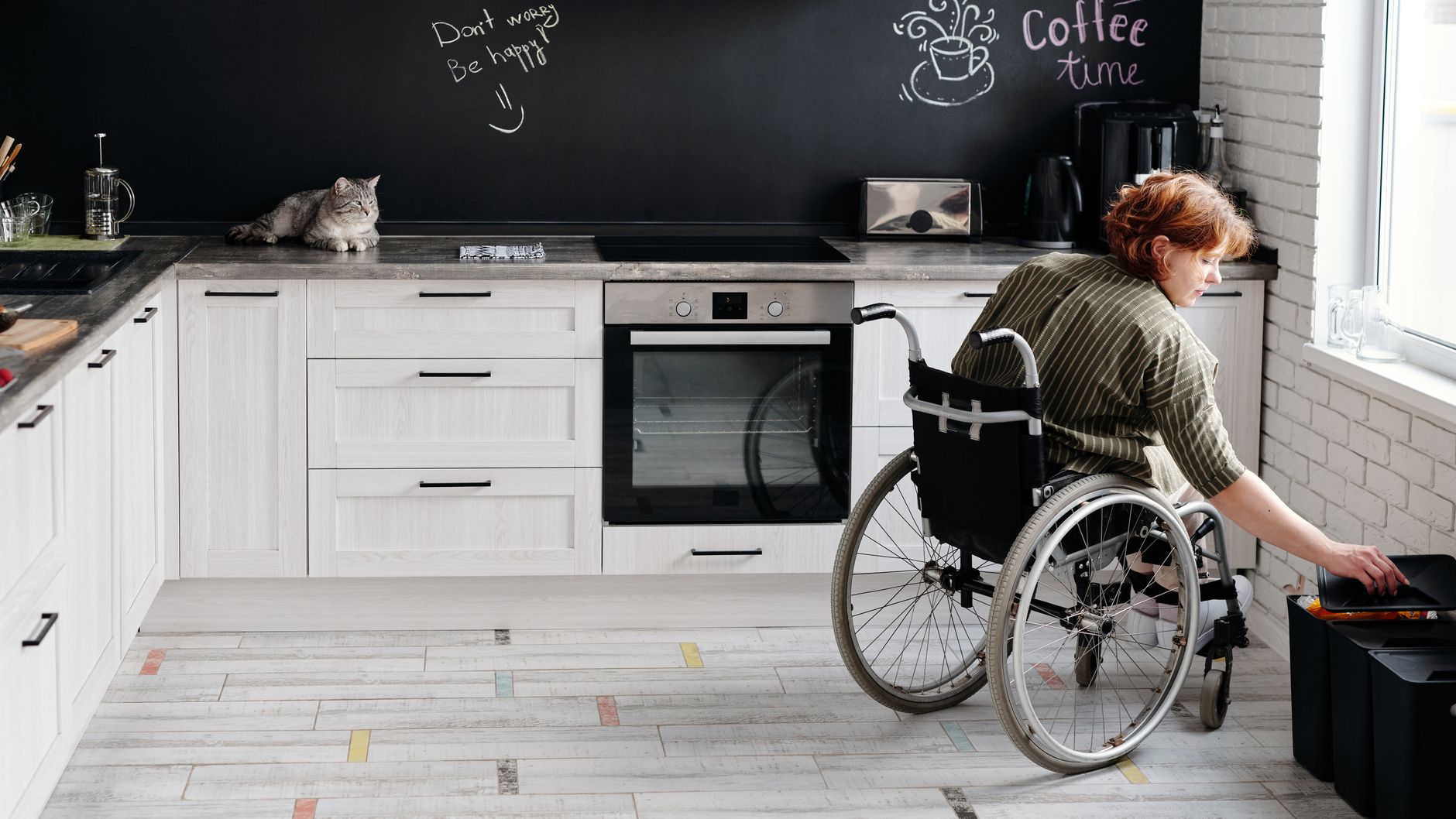
Medical alert systems work best as part of a comprehensive safety plan, not as a standalone solution. Home modifications like grab bars in bathrooms, improved lighting, removal of tripping hazards, and non-slip flooring address fall risk at the source. Medical management—controlling blood pressure, reviewing medications for side effects that increase fall risk, addressing vision problems—reduces the likelihood of emergencies. Regular exercise, strength training, and balance work can prevent many falls entirely.
For people with cognitive decline, medical alert systems alone are insufficient. A 74-year-old man with moderate dementia might press his alert button inappropriately dozens of times per day out of confusion, tying up the monitoring center and making it harder for actual emergencies to be answered. Adding a door sensor that alerts family when he leaves the house, using smartphone tracking apps, creating a simple daily routine, and potentially adding locks to prevent wandering become necessary complements to the alert system itself. Skilled nursing facilities and assisted living communities often disable independent alert systems because their staff provide immediate supervision—a clear example that alert systems are a substitute for in-person oversight, not a replacement when someone needs 24-hour monitoring.
EVOLVING TECHNOLOGY AND FUTURE DIRECTIONS
Medical alert systems are rapidly incorporating new technologies. Smartwatches from major manufacturers (Apple, Garmin, Samsung) are adding emergency response features, making the device the same technology used for fitness tracking, payments, and communication—potentially increasing compliance because users wear them anyway. AI-powered fall detection is becoming more sophisticated at distinguishing real falls from false alarms. Contactless sensors (devices that don’t require wearing anything) are in development, detecting falls from motion sensors embedded in home environments.
Medication reminders, integration with smart home systems to turn on lights during falls, and automatic family notifications are becoming standard features. The trajectory suggests that medical alert systems will become less visible and more integrated into the devices and environments older adults already use. Rather than a separate pendant you need to remember to wear, emergency response capabilities might be standard features in smartwatches, hearing aids, or home monitoring systems. The underlying value—rapid emergency response and independence—remains the same, but the user experience is becoming seamless. For people currently choosing systems, this means both opportunity (more choices, better technology) and caution (new systems are less proven, and older adults can be hesitant to adopt unfamiliar technology).
Conclusion
Medical alert systems provide a genuine pathway to independence for older adults and people with chronic conditions who want to stay in their own homes without constant in-person supervision. They work by connecting users to trained operators and emergency responders within seconds of a button press, ensuring that help arrives quickly when something goes wrong. The effectiveness of any particular system depends on honest assessment of individual needs (mobility, location, technology comfort), reliable device use (wearing the device and keeping it charged), integration with other safety measures (home modifications, medical management, family involvement), and access to quality monitoring services.
For people considering a medical alert system, the next step is clarity about actual risk. What specific medical events are you concerned about? Falls, cardiac events, seizures, or something else? Where does the person spend most of their time—at home, outdoors, traveling? What devices would they actually use consistently? Once these questions are answered, comparing specific systems becomes straightforward: cellular or landline, fall detection or button-only, wristwatch or pendant. The goal isn’t to buy the most expensive or feature-rich system but to get the system that matches real needs and will actually be worn and maintained. Families who take this methodical approach often find that a well-chosen medical alert system buys years of genuine independence—allowing a parent or loved one to stay home, maintain autonomy, and avoid premature entry into institutional care.