
Self-sufficient 100-year-olds don’t reach that milestone through a single health habit or lucky genetics. Instead, they build their longevity on a foundation of interconnected choices spanning physical activity, mental engagement, strong relationships, financial stability, and a clear sense of purpose. The holistic approach means understanding that independence at advanced age isn’t simply about being able to walk to the mailbox or manage medications—it’s about maintaining agency over every aspect of life, from grocery shopping to healthcare decisions to how time is spent each day. Consider the case of Margaret, who at 103 still lived independently in her Boston home.
Her vitality didn’t stem from gym memberships or special supplements; it came from a deliberate, integrated approach where her daily walks connected her to neighbors, her volunteer work at the library kept her mind sharp, her modest but stable pension provided security, and her grown children knew to consult her on major decisions rather than impose choices upon her. The research consistently shows that people who reach 100 with their independence intact have cultivated resilience across multiple life domains. This isn’t aspirational thinking—it’s the lived reality documented in studies of Blue Zones and centenarian populations worldwide. The difference between those who remain self-sufficient and those who lose independence isn’t usually a single catastrophic illness, but rather a cascade of small surrenders: stopping short walks because “it’s too much effort,” withdrawing from social groups after a friend moves away, allowing others to take over financial decisions out of confusion, or staying in homes that no longer suit their changing needs. Understanding this holistic picture means recognizing that waiting until 80 or 90 to address these elements is too late—the groundwork must be laid earlier, with adjustments made throughout life to ensure all areas remain strong.
Table of Contents
- How Physical Activity Sustains Independence Without Injury Risk
- Cognitive Engagement and the Mental Architecture of Autonomy
- Social Connection as a Non-Negotiable Health Factor
- Home Environment and Adaptations That Preserve Dignity
- Healthcare Management and Avoiding the Dependency Trap
- Financial Stability and the Psychology of Control
- Purpose, Meaning, and the Will to Continue
- Conclusion
How Physical Activity Sustains Independence Without Injury Risk
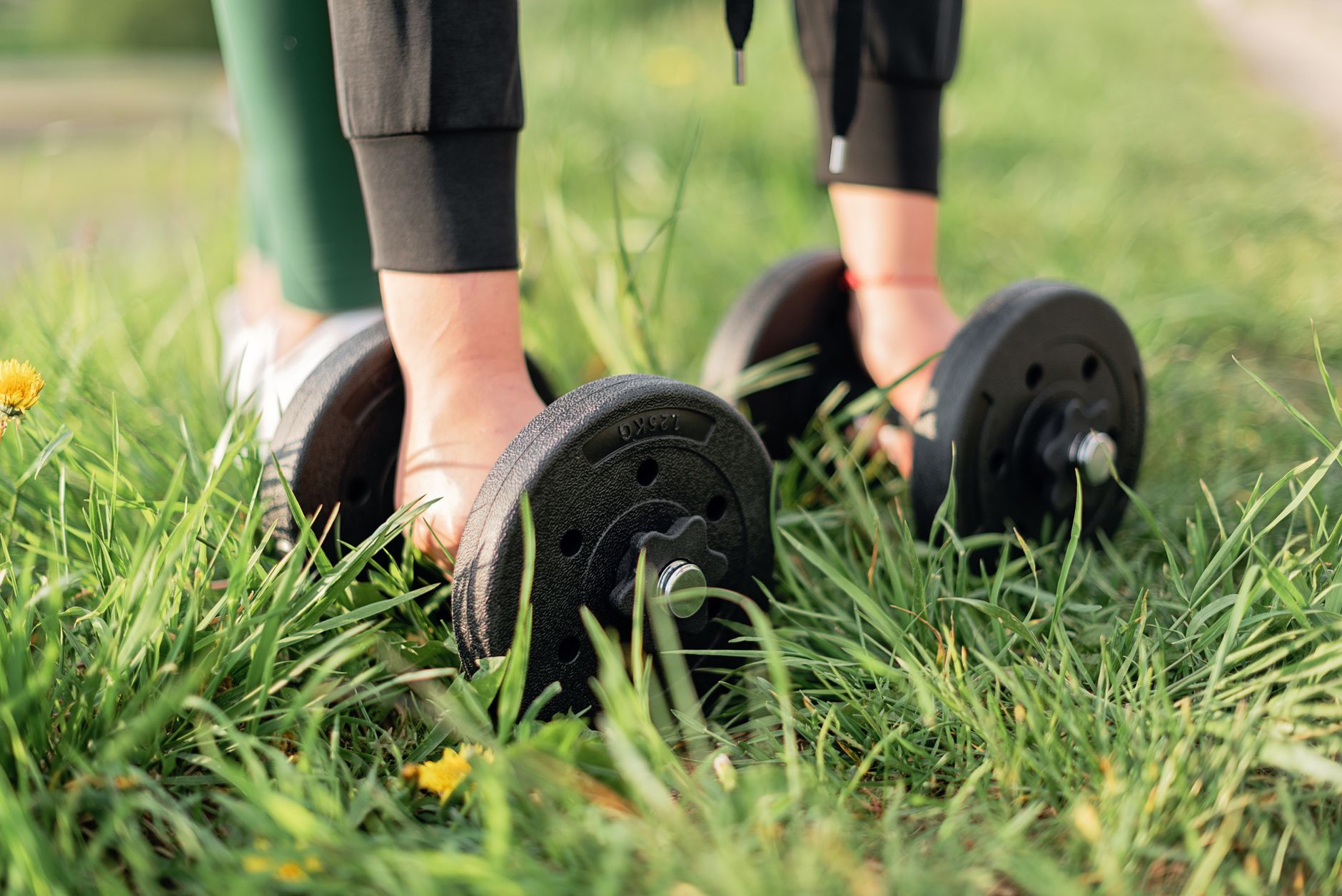
The centenarians who retain independence are almost universally active, but their activity looks different than what younger people imagine. Instead of competitive sports or intense fitness routines, they engage in consistent, moderate, purposeful movement: walking, gardening, light stretching, housework, or tai chi. The key distinction is that self-sufficient 100-year-olds prioritize consistency and safety over intensity. They understand their bodies’ limits and work within them rather than pushing through pain, which is the primary driver of injuries that cascade into dependence. A 101-year-old woman in California attributed her continued ability to live alone to her daily half-mile walk around her neighborhood, performed slowly and deliberately, which kept her circulation strong, her bones dense enough to resist fractures, and her legs capable of handling stairs and uneven surfaces.
The warning here is crucial: many older adults actually become less active in later life not because of inevitable decline but because of previous injuries or falls that create fear. A person who falls once and breaks a hip may spend weeks in rehabilitation, during which they lose muscle mass rapidly. Upon returning home, they’re frailer than before and understandably hesitant to move as freely, creating a downward spiral. Self-sufficient centenarians typically have avoided this trap by maintaining activity levels earlier, accepting small strains as normal, and never allowing fear to replace activity entirely. Physical therapy or modified exercise programs are often necessary to maintain function, but the goal is always preservation, not recovery from major injury.
Cognitive Engagement and the Mental Architecture of Autonomy
The brain health of self-sufficient 100-year-olds is often characterized by active engagement with problems, decisions, and learning—not just cognitive stimulation for its own sake, but real-world thinking and responsibility. These individuals remain decision-makers in their own lives and often in their families or communities. They manage their finances, read news, maintain hobbies that require skill, and engage in conversations that demand their full attention.
Research on centenarians shows a striking pattern: those who remained cognitively independent typically had not retired from thinking about complex matters, whereas those who became dependent often had gradually ceded control of their affairs to adult children or advisors, which paradoxically accelerated cognitive decline through lack of use. There’s a significant limitation to recognize here, though: some cognitive decline is normal and inevitable, and the presence of mild memory lapses doesn’t mean someone must abandon independence. The problem arises when an older adult or their family members overestimate the degree of decline and begin making unnecessary restrictions. A 99-year-old man who forgets whether he took his morning medication but remembers family relationships, manages his affairs, and makes clear decisions about his care is still autonomous, even if a well-meaning daughter insists he “can’t be trusted alone.” Conversely, someone with early Alzheimer’s may still make many decisions independently while requiring support for specific tasks—the holistic approach means adapting the environment and support systems, not simply removing all choice.
Social Connection as a Non-Negotiable Health Factor
The centenarians who maintain independence share a common thread: active social engagement throughout their lives and still in their 100s. This isn’t limited to family; it includes friendships, community participation, religious or civic groups, and regular contact with people outside the household. One 102-year-old in Arizona had lived in the same neighborhood for sixty years, knew most of her neighbors by name, attended a weekly coffee group, and volunteered at a local literacy program until age 100. Her social connections provided practical support (neighbors noticed if something was wrong), emotional sustenance (she felt valued and integrated in her community), and cognitive stimulation (social interaction requires attention, memory, and communication skills). The comparison worth noting is between isolation and interdependence.
A common misconception is that independence means needing no one, but centenarian data shows the opposite. Self-sufficient older adults are typically embedded in networks of relationships with reciprocal obligations—they give as well as receive. This is fundamentally different from dependence, where the flow is one-way. The limitation comes when social connections diminish due to geographic distance, friends passing away, or physical barriers to participation. Without intentional effort to rebuild social connections as old ones naturally fade, older adults can slip rapidly into isolation, which is itself a driver of accelerated cognitive and physical decline. The holistic approach means continuously cultivating new relationships and maintaining existing ones even when it requires planning and accommodation.

Home Environment and Adaptations That Preserve Dignity
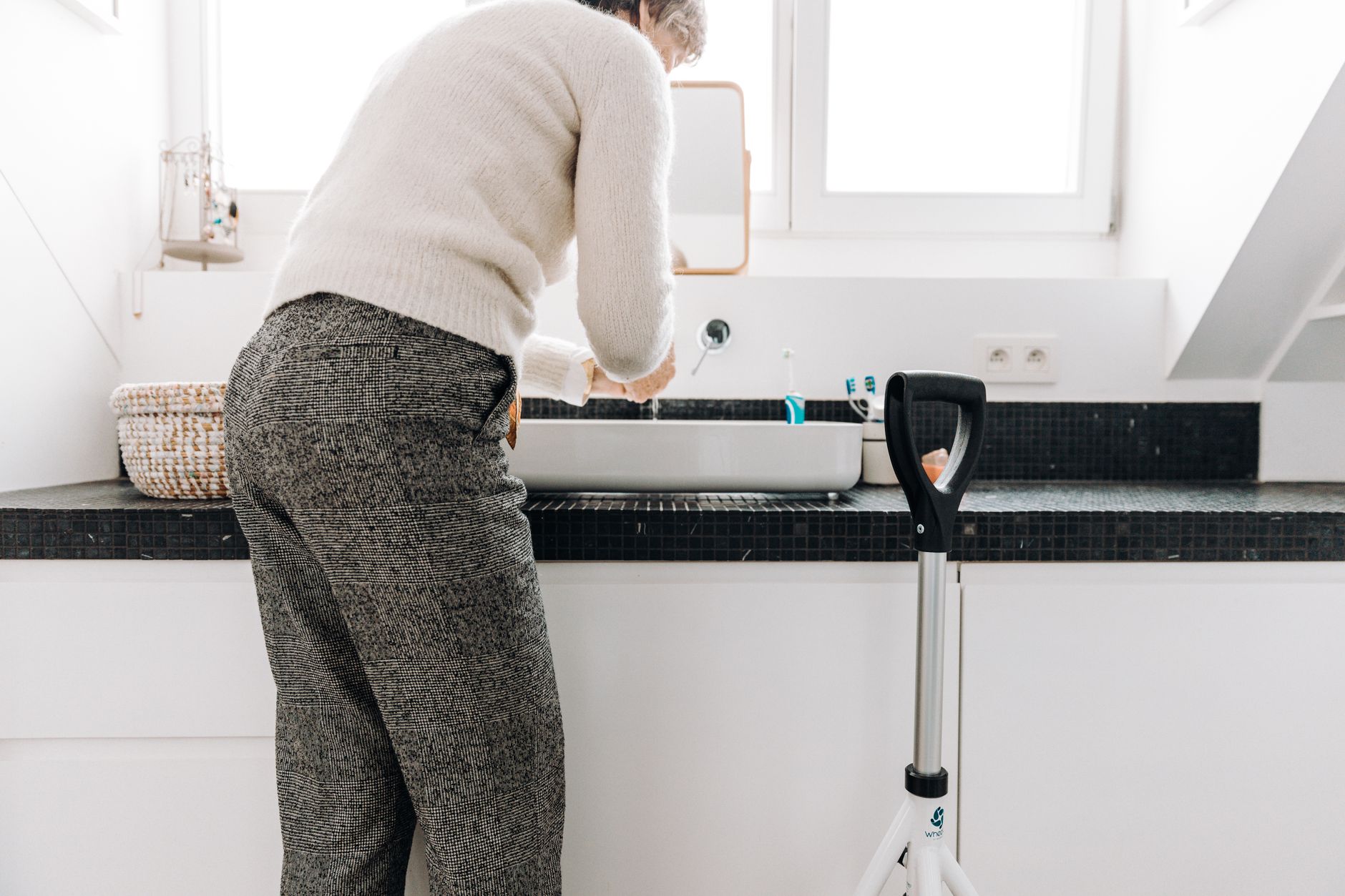
The homes of self-sufficient 100-year-olds are rarely the same homes they lived in at 40. Instead, they’ve been deliberately modified over time to accommodate changing abilities while preserving the ability to live independently. A woman who at 98 could no longer safely use her bathtub installed grab bars and a walk-in shower, small modifications that cost a few hundred dollars but made the difference between remaining in her home versus moving to assisted living. The self-sufficient approach to home isn’t about waiting for a crisis and then scrambling to adapt—it’s about anticipating changes and making adjustments proactively, before they become emergencies.
The practical modifications that matter most are often simple: improving lighting to prevent trips and falls, ensuring frequently-used items are at waist height rather than requiring bending or climbing, installing handrails on stairs, adding a seat in the shower, and ensuring the entrance and pathways are accessible. Beyond physical modifications, the organization of the home matters—having a routine, knowing where things are, having medications and important documents in accessible places. A significant limitation is the tendency for adult children to overly modify parents’ homes or to suggest a move to a facility when simpler adaptations would suffice. The emotional and psychological cost of leaving a familiar home often outweighs the convenience gained, particularly for people accustomed to independence. The holistic approach means preserving the home environment and the autonomy it represents while making it genuinely safe.
Healthcare Management and Avoiding the Dependency Trap
Centenarians who remain self-sufficient typically have a very different relationship with healthcare than frail elderly individuals. They see healthcare as a tool to support independence, not as the central organizing principle of life. They take necessary medications, maintain relationships with doctors, and participate actively in healthcare decisions—including the decision to prioritize quality of life over life extension when circumstances warrant it. They’re knowledgeable about their conditions and know when symptoms warrant attention versus when they’re normal variations. Importantly, they make healthcare choices that reflect their own values, sometimes declining interventions that a medical system might recommend because those interventions don’t align with their goals for maintaining independence and quality of life.
The warning here is stark: over-medicalization is a genuine risk in modern healthcare. An older adult prescribed a medication for a condition with marginal benefit may experience side effects that impact balance or cognition, leading to falls and further dependence. A recommendation for a procedure might have small statistical benefit for a 100-year-old but significant risks of complications or recovery burden. Self-sufficient centenarians typically resist the impulse to pursue every possible intervention and instead ask thoughtful questions about how any treatment supports their ability to remain independent and engaged. They also tend to have built relationships with healthcare providers who know them as individuals, not just as cases to be managed. The limitation of this approach is that it requires health literacy, the ability to find providers who listen, and often the confidence to push back against routine recommendations—factors that are themselves unevenly distributed by education, wealth, and life experience.
Financial Stability and the Psychology of Control
One of the clearest differentiators between self-sufficient 100-year-olds and those who become dependent is financial security—not necessarily wealth, but stability and knowledge of finances. People who understand their income sources, manage their own money or are actively involved in financial decisions, and have neither depleted resources nor overwhelming expenses are able to maintain autonomy. Even people with modest incomes report higher independence when they control their resources and make decisions about how money is spent.
A retired teacher with a steady but modest pension who paid off her home decades ago and who reviews her own finances feels autonomous, while an affluent person whose adult child controls access to accounts for “protection” often feels infantilized and dependent. The comparison is instructive: someone with $200,000 in savings who makes their own healthcare and housing choices feels more independent than someone with $2 million whose family has assumed control “to protect them.” Financial control is psychological as well as practical. The holistic approach means ensuring financial literacy before retirement, maintaining independence in financial management as long as capable, and if help becomes necessary, seeking an arrangement that preserves decision-making authority. One pitfall to avoid is adult children seizing financial control too early, often well before it’s necessary, which sometimes reflects anxiety about parents’ decisions rather than genuine incapacity.
Purpose, Meaning, and the Will to Continue
Perhaps the most overlooked element in centenarian longevity research is the presence of purpose—something to do, someone who needs them, a reason to get out of bed. The self-sufficient 100-year-olds studied in longevity research almost universally have roles in their lives: they volunteer, they provide childcare for grandchildren, they create art or write, they serve in community leadership, they mentor younger people, or they maintain active hobbies that demand engagement. Viktor Frankl’s research on survivors found that those with a sense of purpose and meaning were far more likely to survive hardship and continue living, and this principle extends across the lifespan. An older adult without purpose doesn’t just feel depressed—they lose the biological drive that sustains health and function.
The forward-looking insight is that purpose can shift but shouldn’t disappear. A person who built identity around career work must cultivate alternative sources of meaning; without this transition, retirement often becomes a slow decline rather than a new chapter. The most resilient 100-year-olds have either maintained earlier sources of meaning or deliberately built new ones. They’ve also typically surrounded themselves with younger people or changing circumstances that prevent stagnation. This is one area where the holistic approach requires genuine intentionality, as modern culture doesn’t naturally provide older adults with valued roles and meaningful work, unlike many traditional cultures where elders hold specific positions of authority and respect.
Conclusion
The holistic approach behind self-sufficient 100-year-olds is unified by a single principle: maintaining agency and engagement across every domain of life, from physical activity to social connection to financial control to meaningful purpose. This isn’t achieved through a single health intervention or lifestyle change, but through decades of deliberate choices about how to live, which accumulate into a foundation strong enough to support independence even when inevitable declines occur. The people who reach 100 with autonomy intact have typically protected their independence in all its dimensions: physical, cognitive, emotional, social, financial, and spiritual.
If you’re reading this at 50, 60, or 70, the implication is clear: the time to build this foundation is now, not after health crises force the issue. If you’re already older and haven’t prioritized all these dimensions, it’s not too late to begin, though starting earlier makes the work easier. For those supporting aging parents or relatives, the holistic approach means asking not “how can we protect them?” but “how can we preserve their agency while providing necessary support?”—fundamentally different questions that lead to vastly different outcomes for both the older adult and their family relationships.