
Hilda Jaffe is 102 years old, and she lives completely alone in a 28th-floor apartment in Hell’s Kitchen, Manhattan. She has lived independently in this New York City apartment for the past fourteen years, cleaning her own house, doing her own laundry, managing her own finances, and navigating busy city streets without a walker or cane. The fact that she can do this at all—let alone do it as a matter of daily routine—places her in an extraordinarily small group. Of the estimated 101,000 centenarians in the United States, only about 15 percent live independently or operate independently while living with someone else.
Hilda’s life is not a fantasy or an outlier anecdote; it is proof that deep independence at 100 remains possible, though it requires specific choices and a particular kind of resilience. What makes Hilda’s independence remarkable is not that she never faces obstacles, but that she has developed the habits, mindset, and support systems to navigate them. She stays connected to her family and friends through email, WhatsApp, and Zoom. She eats intentionally—lots of vegetables like carrots, broccoli, fresh greens, and spinach, along with pinto beans, while avoiding sugar and sweets. And perhaps most importantly, she has internalized a simple principle about life: “If a problem comes up, I work it out.” That combination of practical daily discipline, technological literacy, and a problem-solving mindset is what allows a 102-year-old to not just survive alone in one of the world’s most demanding cities, but to thrive.
Table of Contents
- What Does True Independence Look Like at 100?
- The Reality of Managing Daily Life Alone at Advanced Age
- The Diet and Wellness Habits Behind Long-Term Independence
- Building a Support Network Without Giving Up Independence
- The Mindset That Sustains Independence
- When and How to Seek Help Without Losing Independence
- The Future of Independent Living at 100
- Conclusion
What Does True Independence Look Like at 100?
Independence at 100 does not mean never asking for help or never having limitations. It means retaining agency over the major decisions and daily rhythms of your life. Hilda manages her own finances, which requires attention to bills, insurance, and planning. She maintains her living space, which on a 28th floor means keeping an apartment clean and functional. She navigates the physical demands of the city—crossing streets, carrying groceries, using public transportation or walking. She decides when to eat, what to eat, and how to spend her time. This is qualitatively different from living independently but needing a caregiver present, or living with family, or living in assisted housing.
It is self-directed life. The statistics underscore how rare this is. About 20 percent of centenarians are free of significant physical or cognitive impairment. But even among those in good health, many choose or are encouraged toward supported living arrangements. Hilda’s choice to remain in her own apartment reflects both her ability and her determination. She has not downsized to a one-bedroom or moved to a ground floor—she lives on the 28th floor and manages the stairs and elevator without assistive devices. For someone in their 100s, this represents not just independence, but active engagement with a complex environment.

The Reality of Managing Daily Life Alone at Advanced Age
Living alone at 100 means handling every practical problem that arises without a built-in support system. If something breaks in the apartment, Hilda has to figure out how to get it fixed. If she is not feeling well, she has to decide whether to call a doctor or wait it out. If she runs out of groceries, she has to find a way to get more. These are routines for most adults, but they become significantly more complex as physical strength decreases, as recovery from minor injuries takes longer, and as medical issues become more frequent. The limitation here is real: independent living at 100 requires either excellent health, excellent problem-solving skills, or both—and ideally access to some resources, whether money or reliable connections to people who can help.
One risk that independent-living centenarians face is social isolation. Hilda has mitigated this through technology—she uses WhatsApp and Zoom to stay in regular contact with family. But not all older adults are comfortable with these tools, and not all have family or friends who are available for regular digital connection. Another risk is the sudden medical event: a fall, a stroke, a hospitalization. When you live alone, a treatable problem can become life-threatening if no one notices it quickly enough. Hilda’s independence is real, but it is also contingent on maintaining reasonable health and on having people in her life who know to check on her.
The Diet and Wellness Habits Behind Long-Term Independence
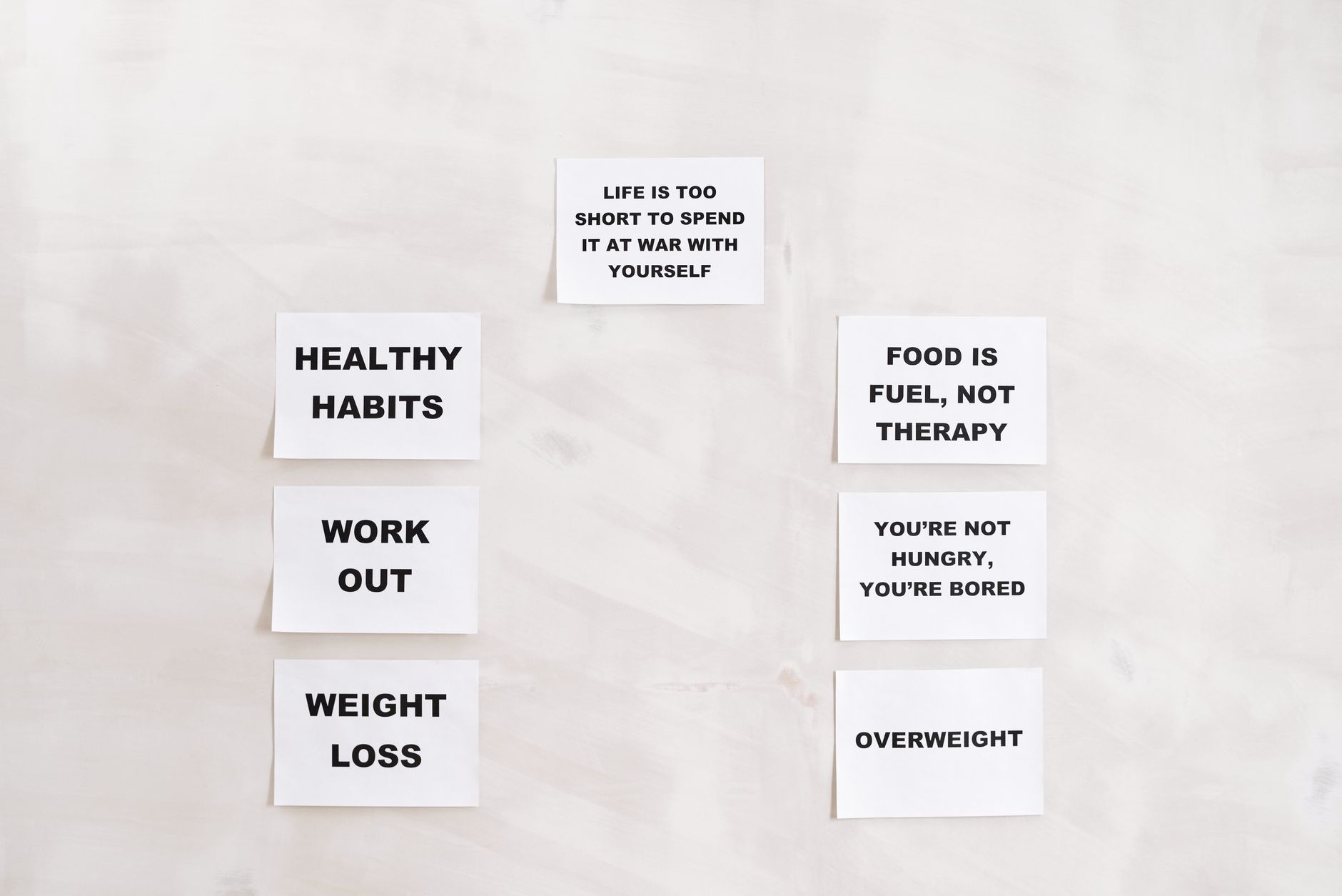
Hilda’s approach to food is deliberate and has likely contributed to her ability to remain independent. She eats substantial amounts of vegetables—carrots, broccoli, fresh greens, spinach—along with legumes like pinto beans. She avoids sugar and sweets. This is not a trendy diet; it is a practical approach focused on whole foods, adequate protein, and nutrients that support muscle maintenance and cognitive function. The research supports this intuition: centenarians who maintain independence often share a focus on plant-forward diets, adequate protein intake, and regular meals that prevent both malnutrition and the blood-sugar crashes that can cause falls and cognitive fog.
Beyond diet, independence at 100 is supported by continued physical activity. Hilda walks through the city, climbs stairs, and does her own housework. These are not formal exercise sessions, but they are consistent, daily movement. Other centenarians who live independently report similar patterns—continuing to do the activities of daily living, which themselves serve as a form of exercise. This stands in contrast to the common assumption that very old age requires rest and reduced activity. The research on centenarians suggests the opposite: those who remain independent tend to remain active, not by doing vigorous exercise, but by continuing to engage with the practical demands of their own lives.
Building a Support Network Without Giving Up Independence
Living completely alone does not mean having no support network; it means having a network that respects your independence while providing genuine backup. Hilda stays connected with family via digital communication, which allows her to maintain relationships without needing someone to be physically present every day. Her family likely knows to check on her regularly, either through scheduled calls or visits. This is different from having a live-in caregiver or a formal care plan, but it is also not the same as having no one. For older adults aiming toward independent living, the practical strategy is to build redundancy without dependency. Have multiple people who know where you are and when to worry if they have not heard from you.
Know a reliable handyperson, plumber, or electrician—or at least know how to find one. Have a doctor you trust and regular check-ups, rather than waiting until something is wrong. Keep your finances and important documents organized so that if you do need help, someone can step in without chaos. Maintain your own skills: know how to use your phone, use email, use at least one video-calling service. These are the building blocks of independent living. They do not require wealth, but they do require intentionality.
The Mindset That Sustains Independence
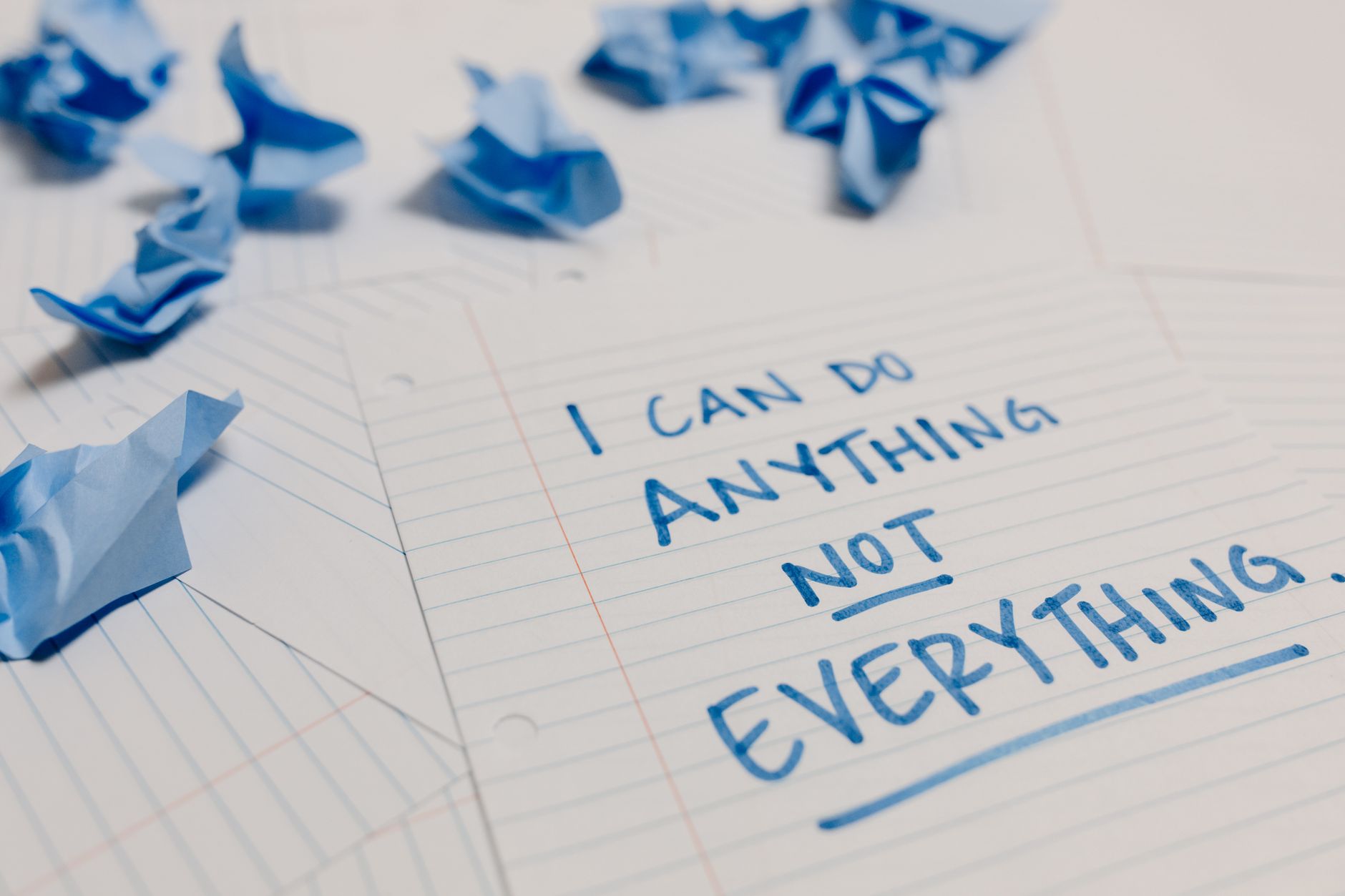
Perhaps the most overlooked factor in Hilda’s independence is her mindset. She has said that when a problem comes up, she works it out. This is not magical thinking; it is a decision to approach obstacles as problems to solve rather than as signs that independence is no longer possible. This mindset becomes increasingly important with age, because aging inevitably brings new challenges. A person in their 100s will experience things a person in their 60s does not: slower healing, cognitive changes, loss of friends and family members, medication side effects, mobility shifts.
The question is not whether challenges will arise—they will—but how you interpret and respond to them. There is a real psychological risk here, and it is worth naming: depression and hopelessness can become self-fulfilling at advanced age. If an older adult interprets a minor health change as proof that they can no longer manage, they may reduce their activity, which leads to faster physical decline, which leads to greater limitation. Conversely, interpreting the same change as a problem to manage—maybe that means taking medication more carefully, or scheduling a doctor’s appointment, or asking for help with something specific—can interrupt that spiral. Hilda’s statement about working it out is simple, but it encodes something important: a commitment to agency rather than resignation.
When and How to Seek Help Without Losing Independence
Independent living at 100 does not mean never accepting help. It means being intentional about what help you accept and under what conditions. Hilda may receive help with specific tasks—a professional cleaning service, a handyperson for repairs, grocery delivery. The independence lies in her making those decisions and maintaining control over her life overall. Some older adults hire a helper for specific hours each week.
Others arrange for meals to be delivered. Others use technology to monitor their health and alert a family member to concerning changes. The boundary between independent living and care arrangements is often less clear than people think. What matters is the direction of the relationship: is the older adult in control, or are the helpers in control? An older adult who hires someone to clean their house is engaging in independent living. An older adult who is required to allow a caregiver to manage everything, even if they could manage much of it themselves, is in a different arrangement. The practical wisdom lies in identifying which tasks you need help with, finding that help, and maintaining your agency over everything else.
The Future of Independent Living at 100
Hilda’s independence today suggests something important about the future of aging. As a larger cohort of people reach advanced age, and as more of them remain relatively healthy, the demand for models of aging that preserve independence and agency will only grow. The traditional model—retirement community, assisted living, nursing home—assumes a kind of passivity and dependency that may not fit many people’s lives or values.
Hilda’s model—living in your own space, managing your own life, using technology and chosen helpers to fill gaps—may become more common. What will make this possible for more people is infrastructure that supports it: reliable, affordable help with specific tasks; affordable housing that does not require a move at a particular age; healthcare that is accessible without requiring you to leave your home; communities and neighborhoods where an older person can live safely and move around; technology that is genuinely designed for older adults, not just marketed to them. Hilda has managed independence through her own combination of good health, strong character, and the resources available to her. But a society that wants more centenarians to have that option needs to build the systems to support it.
Conclusion
Hilda Jaffe lives completely independently at 102 because of three converging factors: she has maintained reasonably good health, she has built practical daily habits that support independence, and she has cultivated a mindset that treats problems as solvable rather than as signs of failure. None of these is guaranteed at 100, and there is risk in her situation—the risk of a sudden illness, the risk of social isolation, the risk of an accident. But that risk is balanced by the reality that she continues to live a life of her own making, in the city she chooses, making decisions about how to spend her time and where to spend her resources.
For anyone thinking about aging in place or hoping to remain independent at advanced age, Hilda’s example offers concrete lessons: eat well, move regularly, stay connected, learn to use technology, build relationships and support networks before you need them, and cultivate the habit of solving problems rather than accepting limitation. Independence at 100 is possible, but it is not guaranteed by age alone. It is a choice, renewed each day, and supported by the thousands of small decisions made long before reaching that milestone.