
Margaret Chen never thought she’d need the emergency kit tucked in her hall closet. At 78, living alone in the house where she’d raised her family in suburban Ohio, she felt steady enough—careful on the stairs, mindful of falls, still able to manage her blood pressure medication and daily routine. But one Tuesday afternoon in March, when she reached for a box of pasta on the kitchen shelf, her foot twisted on a step stool, and she fell hard onto the tile floor. In that moment, trapped on her kitchen floor with a swollen ankle that wouldn’t bear weight, the emergency kit her daughter insisted on assembling became the difference between staying home to recover and being forced into temporary facility care during the critical early weeks of healing. Within minutes of pressing her medical alert pendant, help was coordinated; her emergency contacts were alerted; her prescriptions and recent doctor visits were documented; and paramedics knew exactly where to find her keys and medical information. She spent that evening in the hospital, came home four days later with a walking boot, and recovered in her own bed—something that wouldn’t have happened without being prepared.
An emergency kit for aging in place is not a luxury or just a comfort measure. It is practical infrastructure that bridges the critical gap between the moment something goes wrong and the moment professional help understands what it’s dealing with. For seniors living independently, this kit serves as a proxy for a caregiver standing nearby—it communicates instantly what no panicked phone call or confusion in an emergency room could convey. Margaret’s kit included a medical alert system with fall detection, a binder with her complete medical history, a list of emergency contacts organized by relationship and availability, copies of her insurance cards, her advanced directive, and a key safe outside her back door. It also included practical items: a manual for her blood pressure monitor, instructions for canceling meals-on-wheels if she was hospitalized, and a note on the refrigerator explaining her daily routine so paramedics would know she usually takes her walk at 2 p.m. and that finding her at noon meant something was wrong.
Table of Contents
- What Makes an Emergency Kit Genuinely Effective for Aging in Place?
- The Components That Actually Matter in an Emergency Kit
- How Medical Alert Systems Integrate with a Larger Safety Plan
- Building an Emergency Kit That Your Loved One Will Actually Use
- Common Failures and Why Emergency Kits Sometimes Don’t Deliver
- What Happened After Margaret’s Fall
- Planning for the Future and Adapting as Needs Change
- Conclusion
- Frequently Asked Questions
What Makes an Emergency Kit Genuinely Effective for Aging in Place?
An emergency kit works because it removes the friction and guesswork that delays proper care. When Margaret hit the floor, she wasn’t able to reach her phone. The medical alert system she wore as a pendant did the reaching for her—one button press triggered a dispatcher, who could see her address, speak to her through a speaker in her home, and call paramedics with information already in hand. That is fundamentally different from a senior calling 911 themselves while injured, confused, or unable to communicate clearly. Studies from the American College of Emergency Physicians have shown that seniors with documented medical histories available to first responders experience faster diagnosis and fewer medication errors in emergency settings. The kit bridges a specific vulnerability: the window between when something goes wrong and when professional responders understand the full picture of who is being treated.
The effectiveness also depends on what the kit actually contains and whether those contents are discoverable. A medical alert system means nothing if the senior has removed it because it felt uncomfortable or they forgot it was there. Margaret’s kit worked because every item served a clear function and everything was tested in advance. She wore her pendant daily. Her daughter performed a practice alert call every three months to confirm the system still worked and the dispatcher could reach her. Her medical binder was kept in a waterproof document case in her kitchen drawer, and she’d shown paramedics (during a routine fire department wellness visit) exactly where it was. Without discovery, without regular testing, and without buy-in from the person wearing or keeping the kit, many of these systems fail when they matter most.

The Components That Actually Matter in an Emergency Kit
A complete emergency kit for a senior living independently includes several layers, and each serves a specific purpose. The first layer is immediate communication: a medical alert system with fall detection, because falls are the leading cause of nonfatal trauma and unintentional injury deaths among adults 65 and older, according to the CDC. The second layer is medical information: a binder or digital file containing current medications (including dosages and prescriptions), a list of all current doctors and their contact information, allergies, recent lab results, and a summary of major medical conditions. The third layer is decisional and legal: copies of advance directives, healthcare proxies, and HIPAA authorization forms so that doctors can speak to the right family members. The fourth layer is practical and logistical: insurance information, keys, information about recurring services (cleaning, lawn care, delivered meals), and notes about daily routine and preferences. However, there is a significant limitation that Margaret discovered through experience: the bigger and more detailed the kit, the less likely it is to stay updated.
Margaret’s daughter, who helped assemble the kit, has had to actively manage it. Every time Margaret sees a new doctor or gets a new prescription, those changes don’t automatically flow into the emergency kit—they have to be manually updated. When Margaret moved from one insurance plan to another, the old insurance card had to be removed and the new one inserted. Many families maintain emergency kits that become progressively more outdated, with expired insurance cards and old medication lists that don’t reflect current reality. Margaret’s solution was to schedule a quarterly update on her calendar, timed to coincide with a call from her daughter, so that reviewing and updating the kit became a routine task rather than something that happened by accident. Without that structure, the kit’s value degrades over time.
How Medical Alert Systems Integrate with a Larger Safety Plan
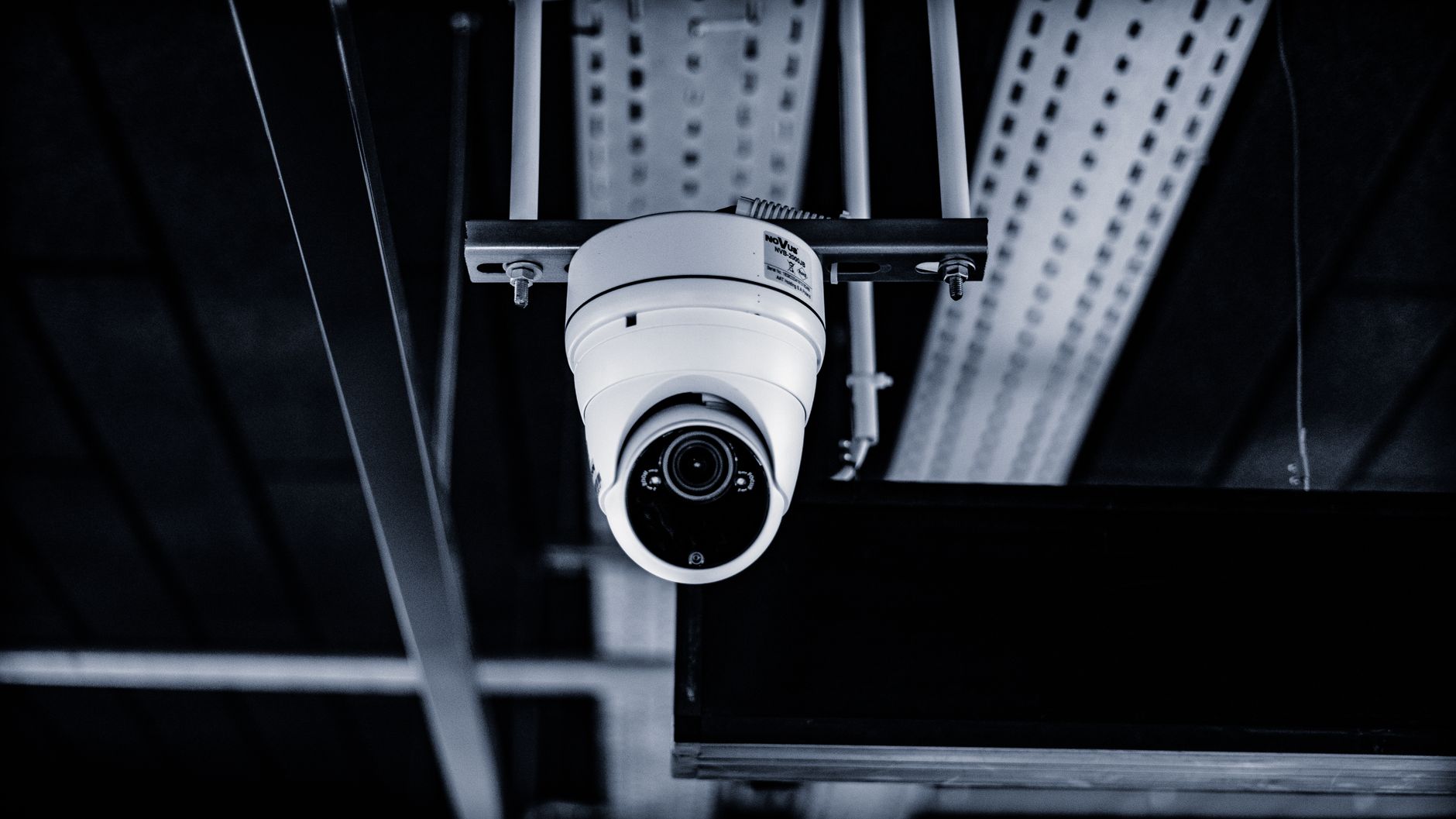
Margaret’s medical alert system was just one piece of a larger safety infrastructure that took time to build. The system she chose was a wearable pendant connected to a 24/7 monitoring center, with an additional button on a base station placed near her bed. When she pressed the pendant button, the system initiated a two-way conversation with a dispatcher who could see her address and any medical information she had uploaded to the system’s app. If she didn’t answer, or if the fall detector (which uses motion sensors to identify sudden drops) triggered automatically, the dispatcher would assess the situation and dispatch paramedics. The monthly cost was about $30, which Margaret found reasonable given the coverage.
What Margaret didn’t anticipate was how much the system required her to actively engage with it. The fall detection feature worked well on hard surfaces like kitchen tile, but it gave her false alarms when she sat down quickly in her armchair or lay down to take a nap. She had to learn to dismiss these alerts quickly, or paramedics would be called unnecessarily. She also had to remember to charge the pendant every evening—a step that sometimes slipped her mind until the battery warning chimed. The base station required a stable internet connection, which failed during one severe winter storm; during that outage, the pendant still worked because it used cellular backup, but she lost the redundancy of the base station button. These practical realities mean that a medical alert system only works when the user actively maintains their engagement with it, and many seniors deprioritize this maintenance until a crisis forces their attention back to it.
Building an Emergency Kit That Your Loved One Will Actually Use
The step that most families miss is the process of actually getting a senior to actively maintain and use the emergency kit. This requires treating the kit as a living document, not something you assemble once and shelve. Margaret’s daughter started by sitting down with Margaret and explaining each component and why it mattered. She then helped Margaret physically organize the kit, placing items in order of likely need and using clear labels and a table of contents. She took photographs of each section and stored them in Margaret’s phone, so Margaret could send them to paramedics if needed. She also created a one-page summary—essentially a cheat sheet—that hung on Margaret’s refrigerator listing her current medications, her doctor’s names and phone numbers, and her emergency contacts.
That summary became the item Margaret showed to anyone who visited, and it prompted conversations about her health that helped keep the information current. The comparison that matters here is between a kit assembled by an adult child in a moment of concern and a kit that the senior has been actively maintaining and explaining to visitors. In the first case, the kit often sits unused. In the second case, the senior owns the decision to keep it updated and to use the systems within it. Margaret’s daughter didn’t present the emergency kit as something Margaret needed because she was old and fragile; instead, it was framed as a tool that gave Margaret more independence and made it possible for her to stay in her home rather than move to a facility where staff would be present. That framing changed everything. Margaret began telling friends about her medical alert system as an aid to independence, not as a sign of decline, and that shift in perspective made her more likely to wear it and update her medical binder.
Common Failures and Why Emergency Kits Sometimes Don’t Deliver
One significant risk with emergency kits is over-reliance without complementary safety measures. Some families assemble a detailed emergency kit and then feel permission to be less vigilant about other hazards—loose rugs, poor lighting, cluttered walkways—that might never require the emergency kit to activate at all. Margaret’s fall happened partly because she was reaching for items on a high shelf, a practice that became more dangerous as her balance declined. No emergency kit prevented that fall; what the kit did was ensure she got proper treatment afterward. A more comprehensive approach would have included environmental modifications—installing grab bars, reorganizing her kitchen so frequently used items were at waist height, adding motion-sensor lighting to stairways—that reduced the likelihood of falling in the first place.
Another failure point is family dynamics. If an emergency kit is assembled by a concerned adult child over the objections of a senior who doesn’t feel vulnerable, the kit may remain hidden or unused as an assertion of independence. Margaret’s willingness to use her medical alert system was shaped partly by a previous health scare that had made her more accepting of help, and partly by her strong relationship with her daughter, who had explained the system patiently rather than imposed it. In families with more conflict or generational tension around aging and independence, the emergency kit can become a symbol of control rather than a tool of autonomy, and the senior may resist using it. This is a limitation that no amount of careful assembly can overcome if the underlying relationship doesn’t support the message that the kit is an aid to independence.

What Happened After Margaret’s Fall
In the weeks following her fall, Margaret’s emergency kit proved valuable in ways beyond the initial alert. The binder her daughter had assembled allowed her orthopedic surgeon to see the full picture of her medications and health history without duplicating tests or risking drug interactions. When Margaret was prescribed pain medication after the fall, the pharmacist was able to check against her allergy list in the kit and flag a potential interaction with her blood pressure medication.
Her advanced directive meant that conversations about her care didn’t require guessing about her values and preferences—her daughter could point to documents that explained what Margaret wanted. In the recovery period, the contact list in the kit was used to coordinate meal delivery from friends and arrange transportation to follow-up appointments. Margaret later told her daughter that the kit reduced her anxiety about recovery because she knew all her information was organized and available. That psychological benefit—the reduction in stress that comes from knowing you’re prepared—has its own health value for someone healing from injury.
Planning for the Future and Adapting as Needs Change
Emergency kits are not static documents. As Margaret continues to age, her kit will need to evolve. She is now 80, her medications have changed, and she has had additional health events that should be reflected in her medical summary. Her daughter has shifted to an annual update cycle rather than quarterly, which has reduced the burden on Margaret while still keeping information relatively current. What Margaret has also discovered is that her medical alert system, which felt like an extra expense initially, has become something she actively recommends to friends. Several of her neighbors have adopted similar systems, and Margaret has become an informal advisor about which features matter and which are luxuries.
The psychological shift from viewing these tools as symbols of decline to viewing them as practical aids to independence appears to be contagious—when one person demonstrates that a safety tool allows for greater autonomy rather than less, others in the same community become more willing to adopt similar measures. The broader trend in aging in place is toward systems that are less obvious and more integrated into daily life. Margaret’s medical alert pendant is a visible tool, but emerging technologies include medication dispensers that alert family members when doses are missed, door sensors that alert family members if a senior hasn’t left their bedroom by a certain time, and fall-detection systems embedded in watches or smart home devices. The advantage of these emerging tools is that they provide monitoring without requiring the senior to remember to wear or activate anything. The disadvantage is that they raise privacy concerns and can feel intrusive to seniors who value autonomy. Margaret remains committed to her current system—a visible tool that she chooses to activate—rather than adopting invisible monitoring, and that choice reflects her values. The emergency kit that works is one that aligns with the senior’s preferences and values, not just one that is theoretically comprehensive.
Conclusion
Margaret’s story illustrates why emergency kits matter for aging in place. When something goes wrong—and eventually, for everyone, something does—the kit becomes the proxy for a caregiver’s knowledge and presence. It communicates your medication list, your preferences, your emergency contacts, and your medical history to paramedics and hospital staff in the critical moments when that information changes everything. The kit doesn’t prevent falls or illnesses; it ensures that when they occur, you get the right care quickly and in alignment with your values.
Building an effective emergency kit requires more than assembling documents—it requires testing it, updating it regularly, integrating it into your daily life so that it becomes second nature, and framing it as a tool that enables independence rather than restricts it. The practical next step is to sit down and assess what your kit currently contains, whether it is discoverable to paramedics and family members, and how current the information actually is. If you live alone, this means ensuring that a medical alert system is in place, that your medical binder is up to date, and that at least two family members or friends know where your advance directive and insurance information are located. If you are a family member helping an aging parent or relative, start the conversation by framing the emergency kit as something that gives them more freedom and choice, not less. Margaret’s fall could have sent her into a facility for months; instead, she recovered at home, and her emergency kit was the reason why.
Frequently Asked Questions
How much does a comprehensive emergency kit cost?
The main expense is a medical alert system, which typically ranges from $20 to $40 per month. The rest of the kit—documents, binder, printing—can be assembled with items already in your home or for minimal cost. Total startup is usually under $100, with monthly service costs for the alert system being the largest ongoing expense.
What if my senior loved one refuses to wear a medical alert pendant?
Start by understanding their objection. Is it aesthetic? Uncomfortable? Does it feel like a loss of independence? Address the specific concern rather than pushing the same device. Some seniors will accept a watch-style alert or a home-based system with a button near the bed, even if they won’t wear a pendant. Framing the tool as something that allows them to stay home independently rather than move to a facility can shift their perspective.
Should the emergency kit be digital or physical?
Both are valuable. A physical binder with printed documents is essential because it doesn’t depend on internet connectivity, passwords, or technology working during an emergency. A digital backup (stored on a phone or in a cloud service) is helpful for sharing information quickly with family members. Margaret maintains both—a physical binder in her kitchen and a digital copy that her daughter can access from anywhere.
How often should an emergency kit be updated?
Minimum quarterly if the senior has multiple medications or health conditions that change frequently. Annual reviews are sufficient if health is stable. The key is building this update into a routine—tying it to a calendar date or a regular phone call—so it becomes automatic rather than something done sporadically.
What if a senior lives with family members? Do they still need a medical alert system?
It depends on the household. If family members are present most of the time, a pendant-based alert system may be less critical. However, a fall-detection system can still be valuable when the senior is home alone during the day or early morning. Even in multigenerational homes, a backup communication system prevents the scenario where a senior falls in a part of the house where family members don’t hear.
Are there any downsides to having too much information in the emergency kit?
Yes. The bigger the kit, the harder it is to keep current. Some families create bloated emergency binders that contain outdated information, making them less useful than a focused, current summary. It is better to have a concise one-page summary with current information and a separate binder with detailed backup documents that paramedics may not need immediately.