
Centenarians living alone pull it off through a combination of pragmatic lifestyle choices, consistent physical activity, strong social engagement, and selective use of formal support services. According to the most recent U.S. Census data, approximately 108,000 Americans are ages 100 and older, and a substantial portion of them live independently or in group settings rather than institutional care. The Swedish national studies provide the clearest picture: among centenarians living at home without institutional care, 56% use no formal home care services at all, while another 44% use fewer than 40 hours of care per month.
These aren’t people waiting out their final years in facilities; many remain actively engaged in their communities, making deliberate choices about movement, food, and relationships. The key insight is that living alone doesn’t necessarily mean living without support—it means living on one’s own terms. A centenarian in Stockholm might take daily walks, maintain a small garden, and rely on a meal delivery service combined with periodic check-ins from family. Another in Minnesota might do household chores as her primary form of strength training while staying connected to her book club through video calls. The common thread isn’t a single formula but rather a commitment to maintaining independence through intentional habits formed over decades.
Table of Contents
- Who Are the Centenarians Managing Life Alone?
- The Unexpected Power of Social Connection (Without Requiring a Roommate)
- Staying Strong: How Centenarians Keep Moving
- The Centenarian Diet: What They Actually Eat
- Formal Care Support: How Much, When, and Why
- Mental Engagement and Purpose: The Overlooked Strength Factor
- The Expanding Population and Future of Independent Aging
- Conclusion
Who Are the Centenarians Managing Life Alone?
The demographics of centenarian independence reveal important patterns. According to recent Census data, women account for 85% of the centenarian population, and among supercentenarians (ages 110 and older), that proportion rises to approximately 90%. This female-heavy demographic has significant implications for living arrangements: 66.2% of female centenarians live alone or in group settings, compared to 50.3% of male centenarians. Only 27.6% of female centenarians live in nursing homes, while 14.2% of male centenarians do. The Swedish data adds another layer, showing that 81% of their centenarians are women and only 36% maintain independence at home.
Racial and ethnic background also shapes living arrangements. White centenarians show less than 35% living with household members, while Hispanic/Latino, Asian, and other racial minorities show over 60% living with family members in multi-generational households. This cultural difference doesn’t mean one approach is better; it reflects different family structures and support systems. A 101-year-old Latina woman might thrive in a home with her daughter’s family and grandchildren providing daily support, while her White counterpart two doors down prefers her own apartment with professional caregivers visiting twice a week. Both are independent in the sense that matters: they’re making their own choices about their living situation and receiving the level of support they prefer.
The Unexpected Power of Social Connection (Without Requiring a Roommate)
one of the most significant findings from the Chinese Longitudinal Healthy Longevity Survey challenges a common assumption: living alone itself was not a significant negative factor for centenarian health. What mattered far more was whether people participated in social activities. Those who didn’t engage socially showed significantly lower odds of reaching 100. This distinction is crucial and often misunderstood by adult children who assume their aging parent needs to move in with them to avoid loneliness. In reality, a centenarian living alone who attends a weekly coffee group, talks daily with friends, and participates in community activities is far better positioned for healthy aging than someone in a busy household but isolated from peer relationships.
The warning here is important: solitude is not the same as isolation. Many centenarians thrive living alone because they maintain active social lives outside the home. They might volunteer, attend religious services, participate in hobby groups, or maintain regular phone and video calls with friends and family. However, when someone begins withdrawing from these activities—whether due to mobility issues, transportation barriers, or depression—living alone shifts from a viable arrangement to a genuine risk. The centenarian who stopped going to her book club because her knees hurt is no longer benefiting from independent living; she’s experiencing isolation without the daily structure that social engagement provides.
Staying Strong: How Centenarians Keep Moving
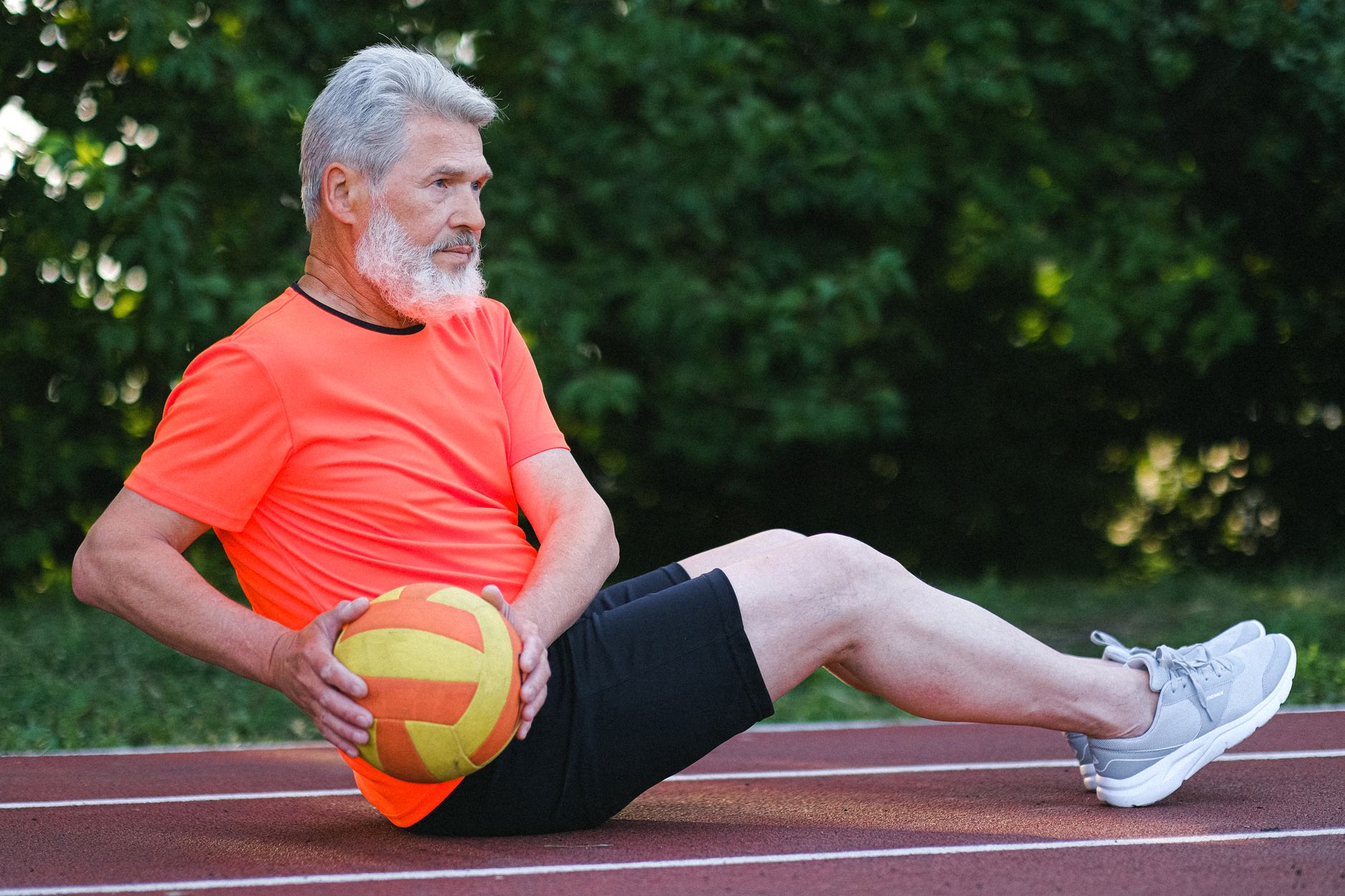
Physical activity is not optional for centenarians living alone. Nearly 50% of surveyed centenarians engage in strength training at least once a week, and for those managing independent lives, movement is both a practical necessity and a health requirement. The activities are often the ones people do throughout life anyway: walking, gardening, and household chores. A 103-year-old man in Iowa doesn’t need a gym membership; he maintains his strength by walking to the mailbox, tending his vegetable garden, and doing his own light housekeeping. For women, who comprise the vast majority of centenarians, everyday activities become the exercise routine—reaching for items on shelves, climbing stairs, doing laundry, and moving around the kitchen.
The practical tradeoff here is worth understanding: independent centenarians tend to do less intense, structured exercise than younger people but more functional, daily movement. They might not run three miles or lift heavy weights, but they’re moving throughout the day in ways that maintain the strength and balance needed for daily living. The risk is that when someone stops these activities—perhaps due to an injury, illness, or simple discouragement—the decline accelerates quickly. An 100-year-old who stops gardening because of arthritis pain, stops doing laundry because it’s hard to reach the washer, and begins relying entirely on delivery services can lose functional strength within months. Staying physically active requires problem-solving: using tools to help with gardening, enlisting occasional help with heavy tasks, or finding new ways to stay mobile when old methods become difficult.
The Centenarian Diet: What They Actually Eat
Centenarians who live independently typically follow eating patterns that have been consistent throughout their lives. The research shows they consume high amounts of vegetables and beans, relatively low animal protein, whole grains, and they avoid processed foods and sugary drinks. This doesn’t describe a restrictive diet adopted late in life; it describes people whose eating patterns have been steady and plant-forward for decades. The Southern European Atlantic Diet pattern—emphasizing vegetables, legumes, whole grains, and olive oil—is associated with longevity and appears in the histories of many long-lived people. The key difference between centenarians managing their own nutrition and those who struggle is practical capability.
A 102-year-old woman who cooks her own meals has a significant advantage over someone who relies entirely on delivered meals or restaurant food. Not because cooking is inherently better, but because the act of cooking requires movement, decision-making, and engagement with the world. She’s planning meals, shopping (or communicating with a farmer’s market delivery service), preparing food, and eating according to her own preferences rather than someone else’s menu. The limitation worth noting is that independent meal preparation becomes increasingly difficult with arthritis, vision loss, or balance problems. When fine motor control fades, someone who spent 70 years cooking might need to switch to pre-cut vegetables, easier-opening packages, or help with certain tasks. The goal is maintaining autonomy within realistic physical capabilities, not pretending those limitations don’t exist.
Formal Care Support: How Much, When, and Why
The Swedish data reveals a practical reality that contradicts the myth of the completely self-sufficient centenarian: among independent centenarians living at home, 44% do use some formal home care services, averaging less than 40 hours per month. This typically includes help with cleaning, laundry, bathing, or meal preparation. These aren’t people struggling to manage; they’re people making rational choices about where to invest their limited energy. A 100-year-old might decide that paying for someone to clean her house twice a month is worth preserving her strength for gardening and socializing. She’s not admitting defeat; she’s allocating resources strategically. The warning here involves knowing when to add support.
There’s a significant difference between hiring help to manage tasks that are becoming inconvenient and waiting until tasks don’t get done at all. The centenarian who proactively arranges for someone to come twice a month to clean floors remains independent. The one who avoids asking for help until her apartment becomes unsanitary or unsafe has ceded her independence to circumstances rather than to a service provider. Additionally, research suggests that among centenarians, roughly 56% of those living independently use no formal care at all, but this varies tremendously based on family support, financial resources, and individual preferences. For someone with nearby adult children who help with shopping and yard work, formal care might be unnecessary. For someone whose family lives across the country, it’s essential.
Mental Engagement and Purpose: The Overlooked Strength Factor
Centenarians living alone often maintain active mental lives through reading, games, puzzles, and keeping up with current events or hobbies. The mental stimulation itself appears to matter for both cognitive health and motivation to stay physically engaged. A 99-year-old in Massachusetts who spends two hours every morning reading the newspaper, playing chess online with a friend in California, and working on a crossword puzzle is doing more than passing time; she’s maintaining neural pathways, staying connected to the wider world, and giving herself reasons to get out of bed. Research also points to the importance of maintaining a pragmatic outlook and finding purpose. Centenarians who believe their life still has meaning—whether that comes from family relationships, creative pursuits, spiritual practice, or simply curiosity about what happens next—show better health outcomes than those who feel their time has become pointless. The practical example that emerges from interviews with independent centenarians is the person who has a project. One 103-year-old man continues to write letters to the editor about local politics.
Another maintains detailed garden records. A third is documenting family history for her grandchildren. These aren’t grand purposes; they’re anchors that structure the day and connect the person to something beyond their immediate living situation. The challenge for centenarians living alone is that this engagement sometimes needs support. The woman who wants to stay mentally engaged but has vision loss might need audiobooks. The man who wants to garden might need help with soil preparation. The person who wants to write might need an assistant to help with typing. Recognizing the purpose and then problem-solving around the obstacles is part of what independent centenarians do successfully.
The Expanding Population and Future of Independent Aging
The centenarian population in the United States is expected to quadruple, from the current approximately 108,000 to around 422,000 by 2054. This shift has profound implications for how society thinks about aging in place. Currently, 75% of adults over 50 want to age in place rather than move to institutional settings, and that preference will likely intensify as centenarian living becomes more common. The future will include more diverse examples of how to manage advanced age independently, not fewer. As more people reach 100, society will have more data, more examples, and hopefully more infrastructure to support independent aging.
This expansion also means that the patterns currently observed among centenarians living alone will become increasingly important for younger people to understand. Someone who is 75 today and wants to age independently needs to begin building the social connections, physical habits, and mental engagement patterns now that research suggests matter for thriving in advanced age. The centenarian who belongs to multiple social groups, maintains regular physical movement, and has habits of mental engagement didn’t suddenly develop these traits at 95. These are patterns sustained over decades. The forward-looking insight is that independence in advanced age isn’t a surprise outcome or the result of good genes; it’s often the visible expression of decades-long habits that were developed in middle age and early old age for reasons that had nothing to do with reaching 100.
Conclusion
Centenarians living alone successfully do so because they’ve made deliberate choices about three things: maintaining physical function through daily movement, sustaining social and mental engagement, and using formal support strategically rather than avoiding it from misplaced pride. The data shows this isn’t rare or impossible. It’s a viable way for roughly one-third of centenarians in developed countries to live, though it requires intact decision-making capacity, adequate financial resources, and often some combination of family support and paid services. The specifics vary enormously: some people use no formal care and substantial family help, others use professional services and limited family involvement, and most fall somewhere between. The common factor is intentionality—these are people who are actively managing their lives rather than being managed by circumstances.
For anyone interested in supporting their own independence into advanced age or helping an aging parent or relative manage it, the evidence points toward starting now with the habits that matter: cultivating friendships and community connections, maintaining daily physical movement, eating patterns that have served you well, and staying mentally engaged with things you find meaningful. It’s not glamorous or dramatic. It’s the unglamorous work of showing up for your book club, walking three times a week, cooking most of your own food, and keeping your mind active. The centenarians living alone successfully aren’t superhuman. They’re people who figured out decades ago what to prioritize and have simply kept doing it.