
How to Share an Elderly Parent’s Daily Difficulties With the Memory Clinic

A practical guide to gathering the dated, concrete evidence memory clinics formally need from you — and getting it to them privately.
A practical guide to gathering the dated, concrete evidence memory clinics formally need from you — and getting it to them privately.
A practical packing list for a parent’s cognitive follow-up — and why a 2-point score drop may sit inside the test’s own margin of error.
Morning slots, a written behavior log, and a ride you’ve confirmed in advance decide whether a memory clinic hour produces a real diagnosis.
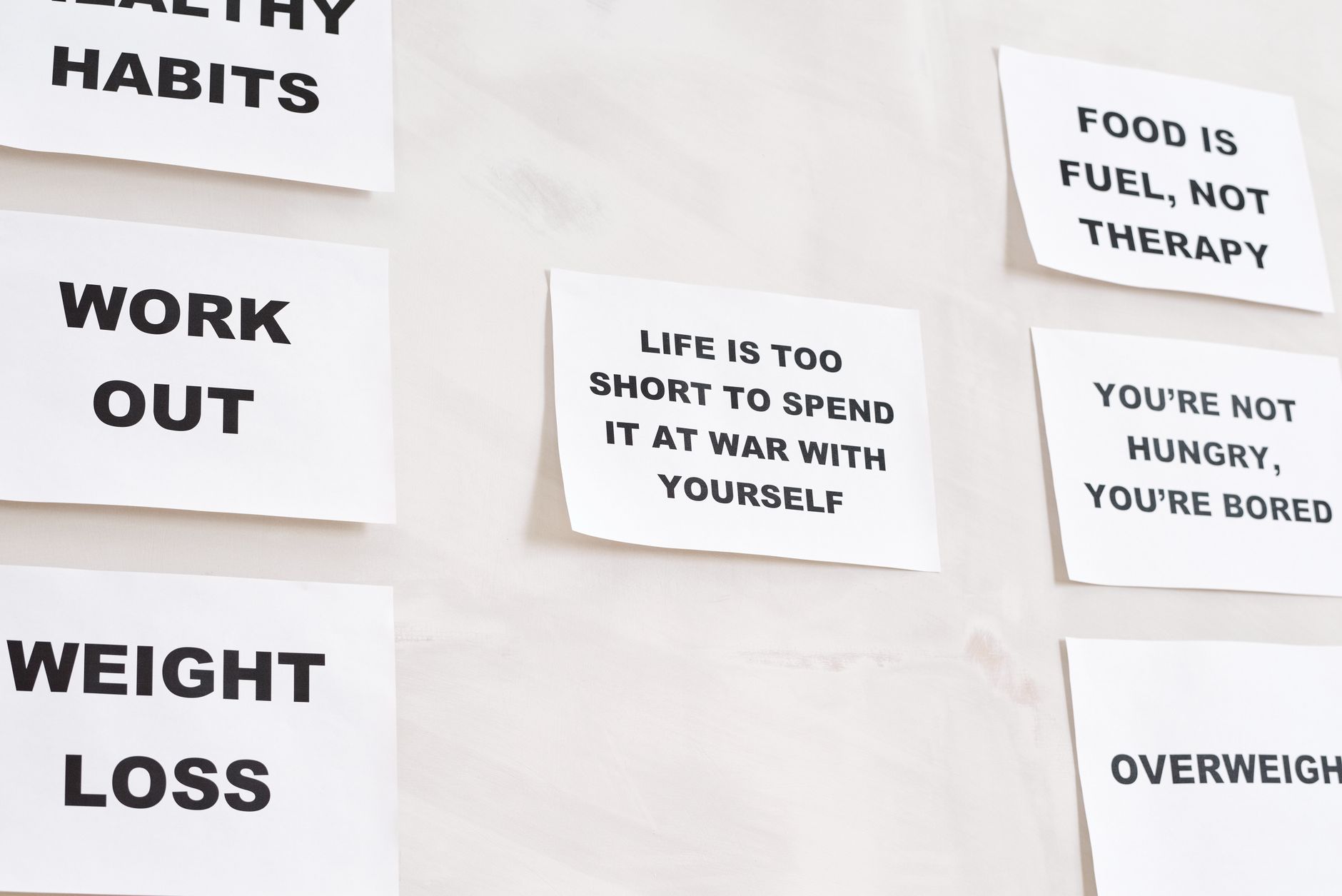
The habits that help you live longer are surprisingly straightforward: consistent physical activity, a diet rich in whole foods, quality sleep, strong…
Your parent needs help when they can no longer safely manage the daily activities that keep them independent—bathing, dressing, taking medications,…
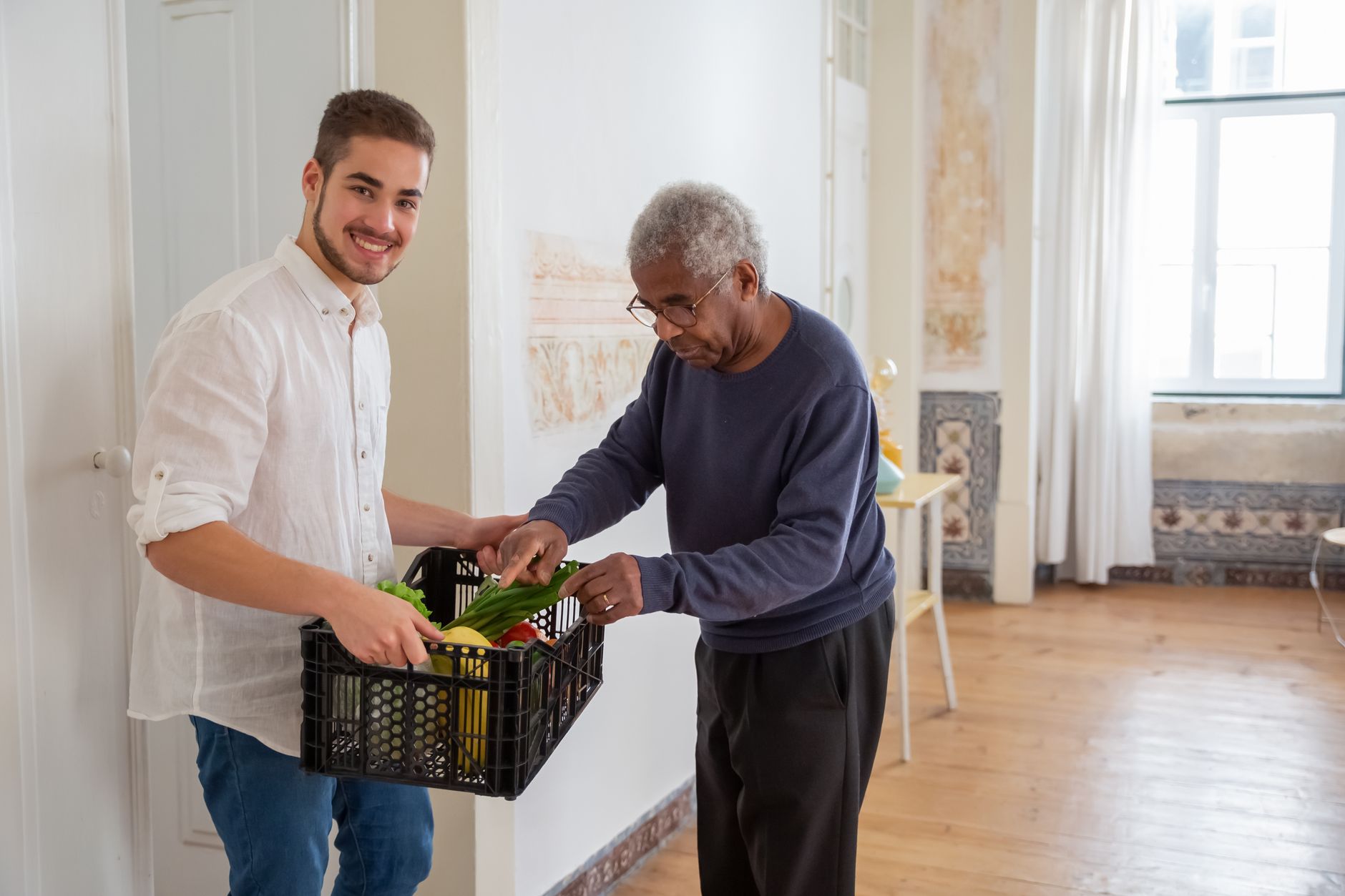
Certain foods significantly reduce fall risk by strengthening muscles, improving balance, and supporting bone density—the three pillars of fall prevention.
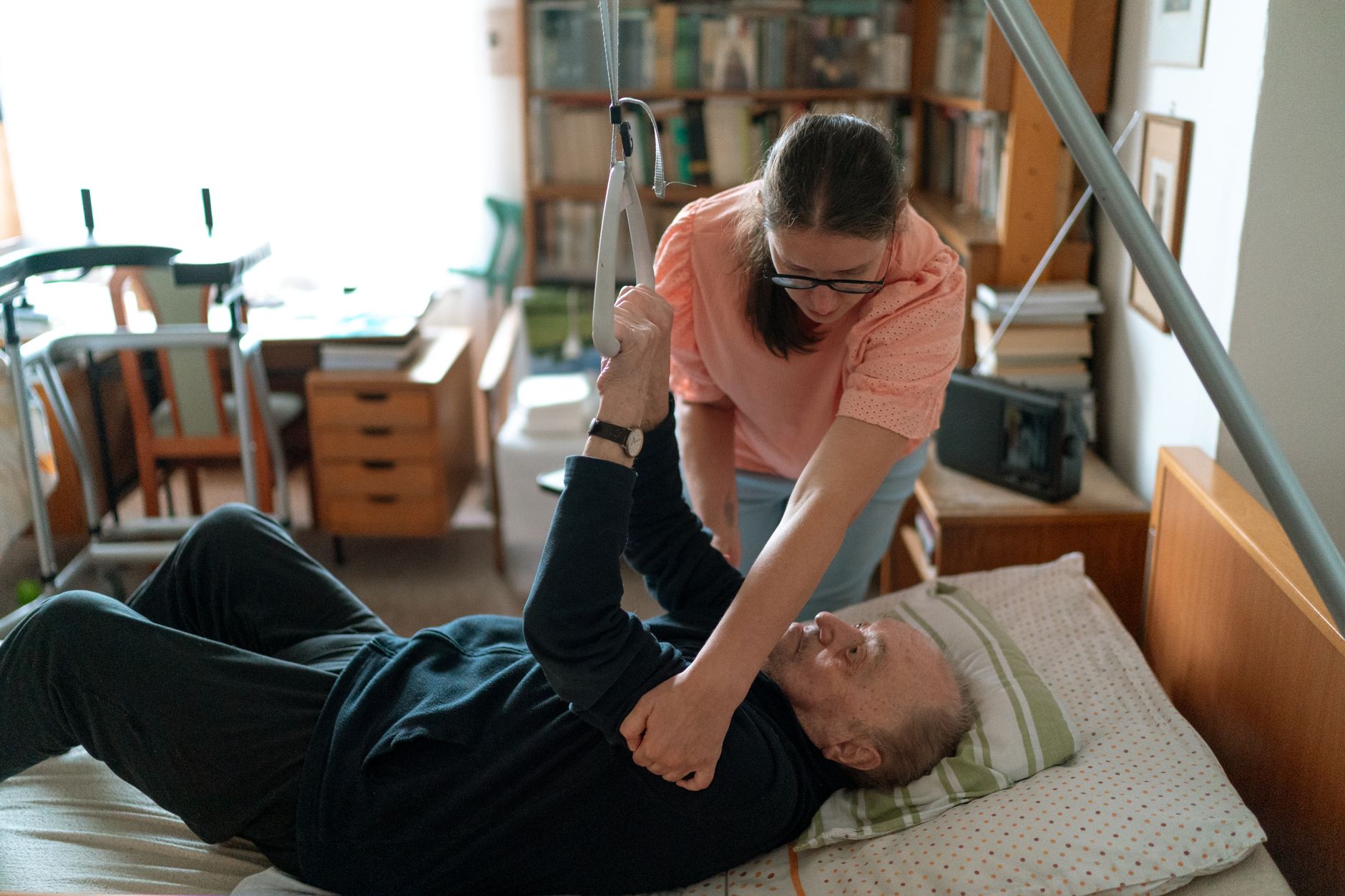
Staying independent after 60 requires 25 key habits that address physical health, cognitive function, social connection, financial stability, and…
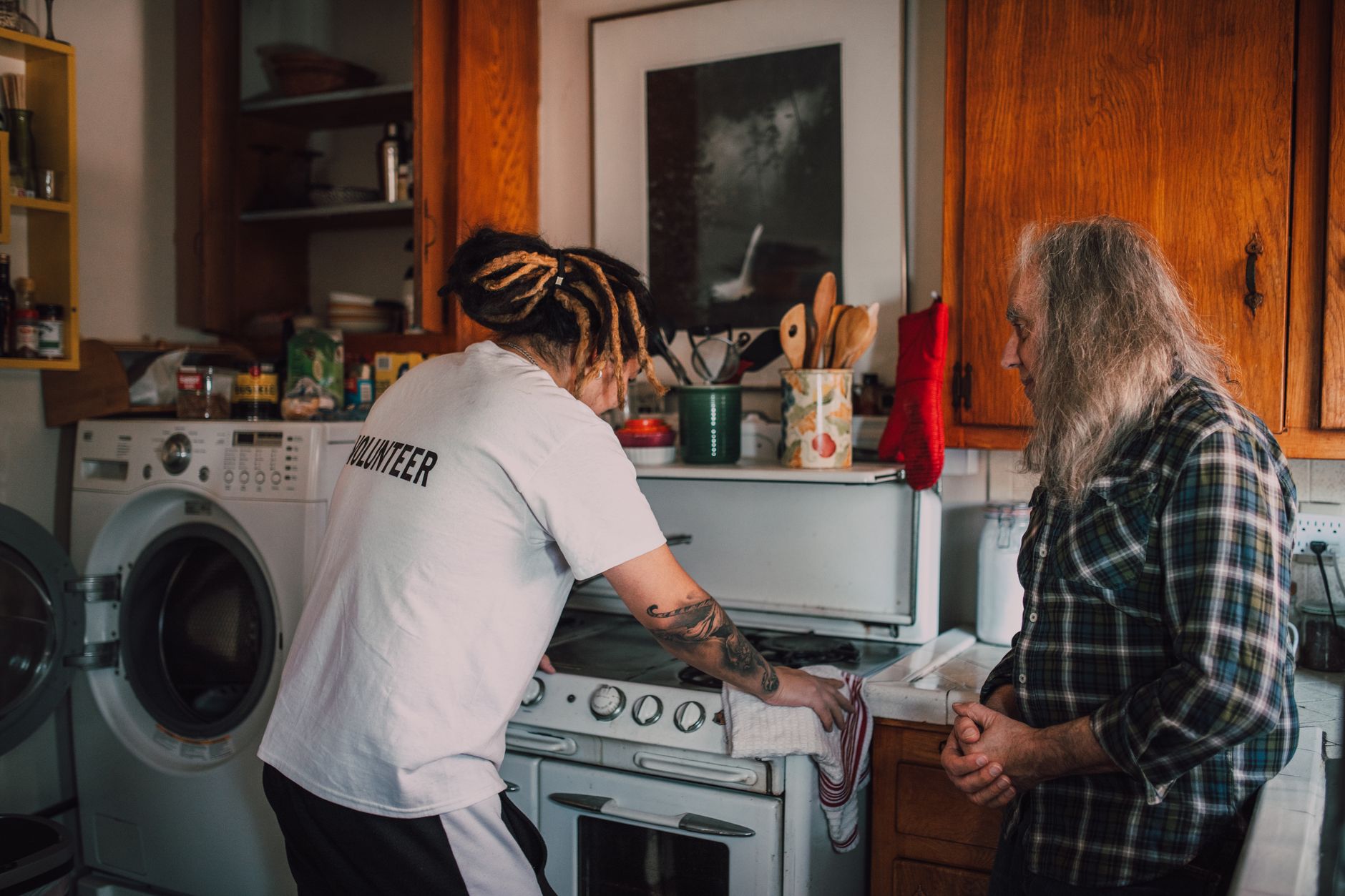
Finding help that allows you to stay in your own home starts with knowing what types of services exist and being honest about what you actually need.
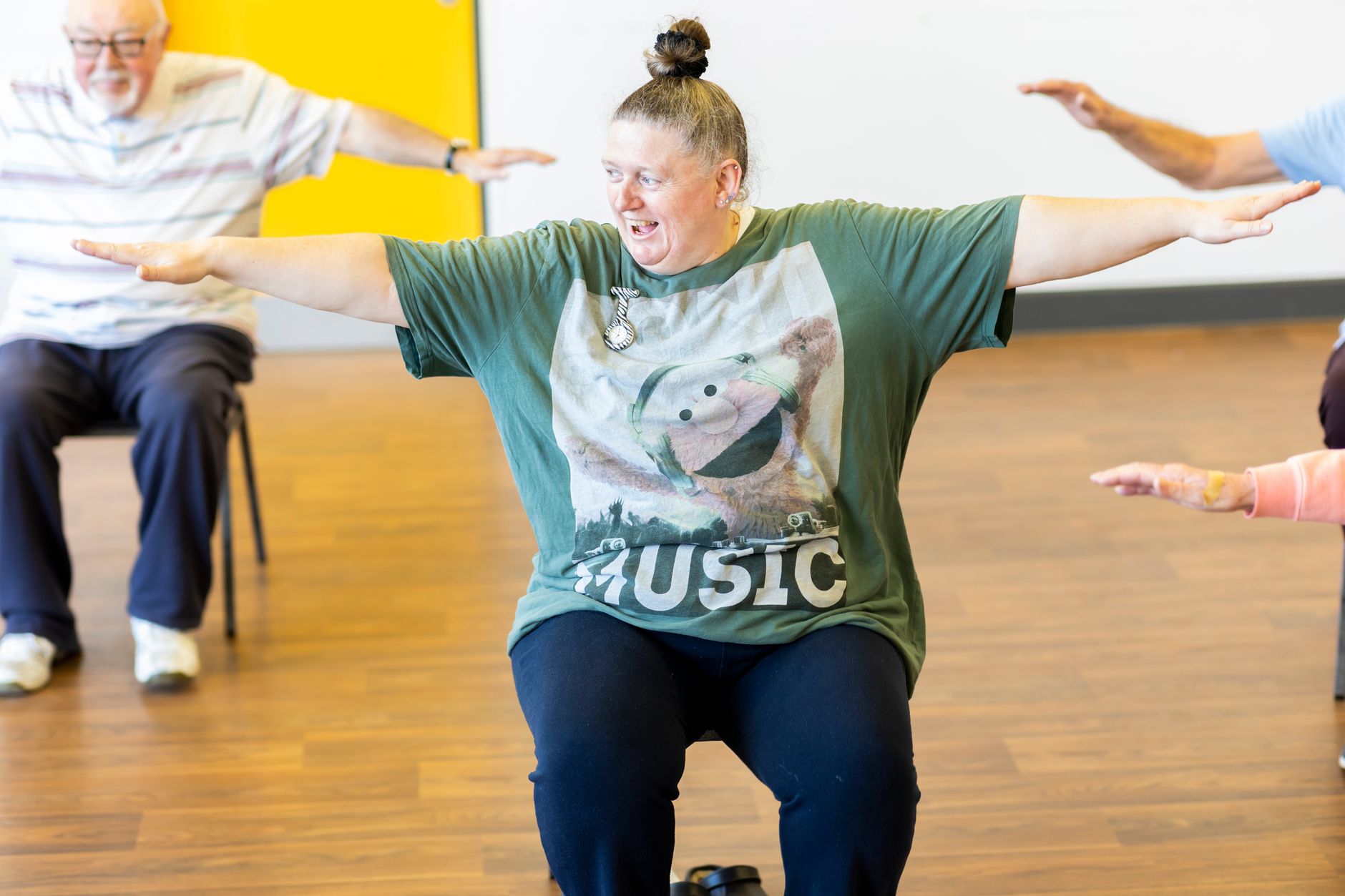
Local programs designed to help older adults stay home combine practical services, community support, and professional care to make aging in place both…
Long-distance caregivers keep their parents independent through a combination of technology, regular communication, practical planning, and strategic use…