
Incline Walking Benefits

Incline walking is one of the most accessible yet effective ways to build the leg strength and cardiovascular endurance that you need to maintain...
Incline walking is one of the most accessible yet effective ways to build the leg strength and cardiovascular endurance that you need to maintain...
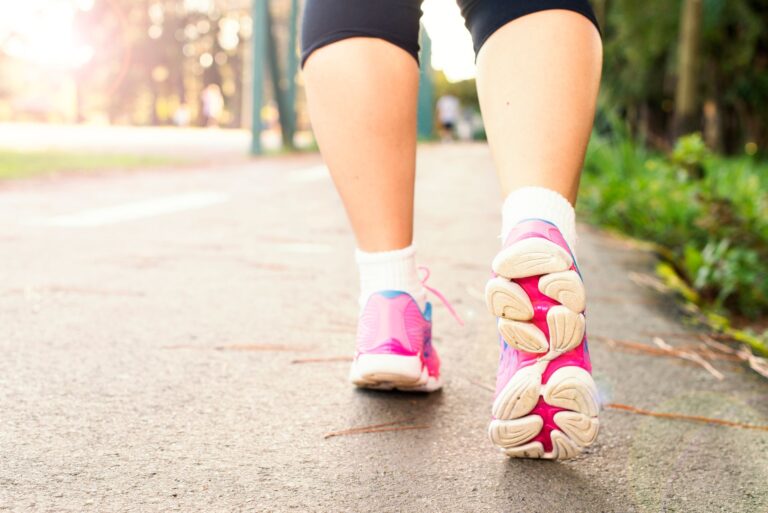
Yes, walking improves brain health—and the research is remarkably clear about how much it matters.

Walking is one of the most accessible and effective ways to protect and improve your heart health, regardless of your age or current fitness level.

Walking after meals is one of the simplest and most effective ways to improve blood sugar control, maintain mobility, and support digestive health as you...
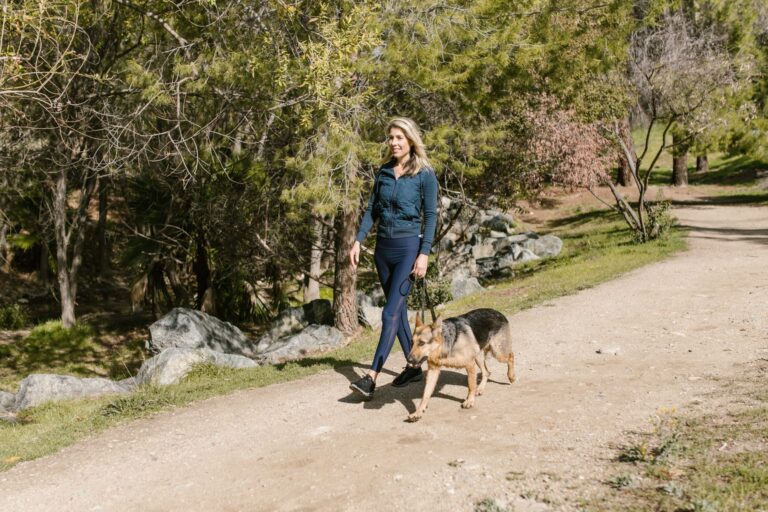
Walking every day is one of the most effective ways to maintain independence as you age. Unlike gym memberships or expensive fitness programs, walking...
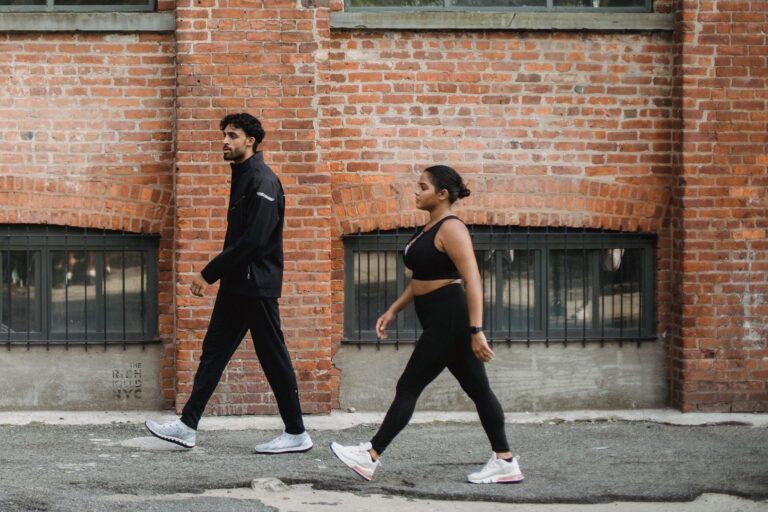
The best walking program for aging adults is one that matches your current fitness level, fits into your daily routine, and can be sustained for years—not...
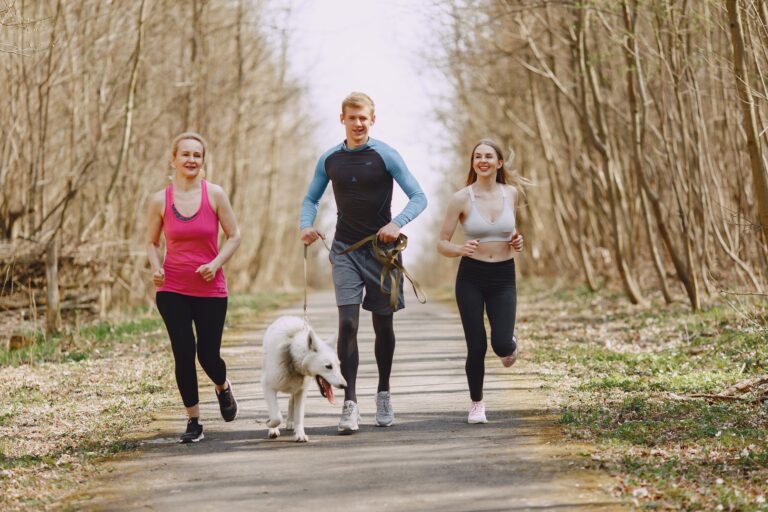
Walking and running are not interchangeable activities—they differ fundamentally in impact, intensity, and risk.
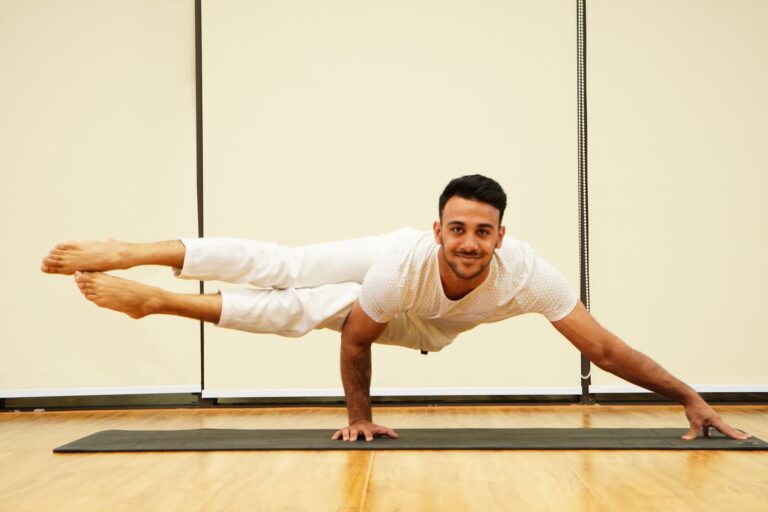
Yoga can improve your balance and reduce your fall risk through targeted poses that strengthen your legs, core, and ankles while training your body to...

Tai chi offers measurable benefits for balance, cardiovascular health, cognitive function, and fall prevention in older adults.
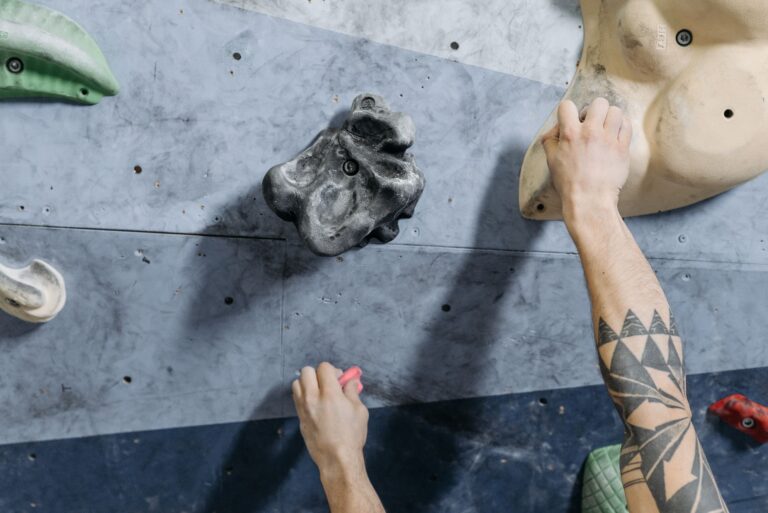
Grip strength is a direct measure of your ability to maintain independence in daily life. When your hands lose their strength, you lose the ability to...