
Walking is one of the most accessible and effective ways to protect and improve your heart health, regardless of your age or current fitness level. A regular walking routine strengthens your cardiovascular system, helps maintain healthy blood pressure, improves cholesterol levels, and reduces the risk of heart disease, the leading cause of death in the United States.
For someone like Margaret, a 72-year-old living independently, adding a daily 30-minute walk around her neighborhood lowered her resting heart rate by 8 beats per minute over three months and gave her the confidence that she was actively protecting her heart while staying connected to her community. Walking offers particular advantages for older adults and those managing chronic conditions because it requires no special equipment, can be done at any pace, and carries minimal injury risk compared to high-impact exercise. Unlike running or intense gym workouts, walking fits naturally into daily life—taking a walk to the mailbox, around the grocery store, or through a park doesn’t feel like “exercise” but delivers measurable cardiovascular benefits.
Table of Contents
- How Does Walking Strengthen Your Heart and Cardiovascular System?
- Understanding Walking Intensity and How Much Is Enough
- Walking and Blood Pressure Control
- Building a Sustainable Walking Routine That Works With Your Life
- Walking, Balance, and Fall Risk—Important Safety Considerations
- Walking and Weight Management
- The Long-Term Heart Health Outlook and Staying Active as You Age
- Conclusion
How Does Walking Strengthen Your Heart and Cardiovascular System?
walking improves heart health by training your heart to work more efficiently. When you walk regularly, your heart pumps more blood with each beat, your blood vessels become more flexible, and oxygen delivery to your muscles and organs improves. Over time, this means your resting heart rate drops, your blood pressure stabilizes, and your heart doesn’t have to work as hard during everyday activities.
Research consistently shows that people who walk 30 minutes five days a week reduce their risk of heart disease by about 35 percent compared to sedentary adults. The cardiovascular changes happen gradually but are real and measurable. Compare a sedentary 65-year-old with a resting heart rate of 75 beats per minute to someone the same age who walks daily with a resting heart rate of 60 beats per minute—that 15-beat difference means the walking person’s heart is beating approximately 21,600 fewer times per day, representing significantly less strain over months and years. Walking also helps regulate your weight, reduces inflammation in your arteries, and lowers triglycerides and LDL cholesterol while raising protective HDL cholesterol.

Understanding Walking Intensity and How Much Is Enough
The cardiovascular benefits of walking depend partly on how hard you’re working. A leisurely stroll at 2 miles per hour offers some benefits and is better than sitting, but moderate-intensity walking—about 3 to 4 miles per hour, where you can talk but not sing—produces more significant heart-protective effects. The American Heart Association recommends at least 150 minutes of moderate-intensity walking per week, spread across several days, for cardiovascular health.
However, a real limitation many older adults face is that building up to this level takes time and must be done gradually. Starting at too high an intensity can cause injury, excessive fatigue, or cardiovascular stress, especially for someone with existing heart problems or a long history of being sedentary. If you have been inactive for months or years, beginning with three 10-minute walks per week at a comfortable, conversational pace and gradually increasing is far safer than jumping to five 30-minute sessions. Anyone with a history of heart disease, high blood pressure, or chest pain should consult their doctor before starting a new walking program.
Walking and Blood Pressure Control
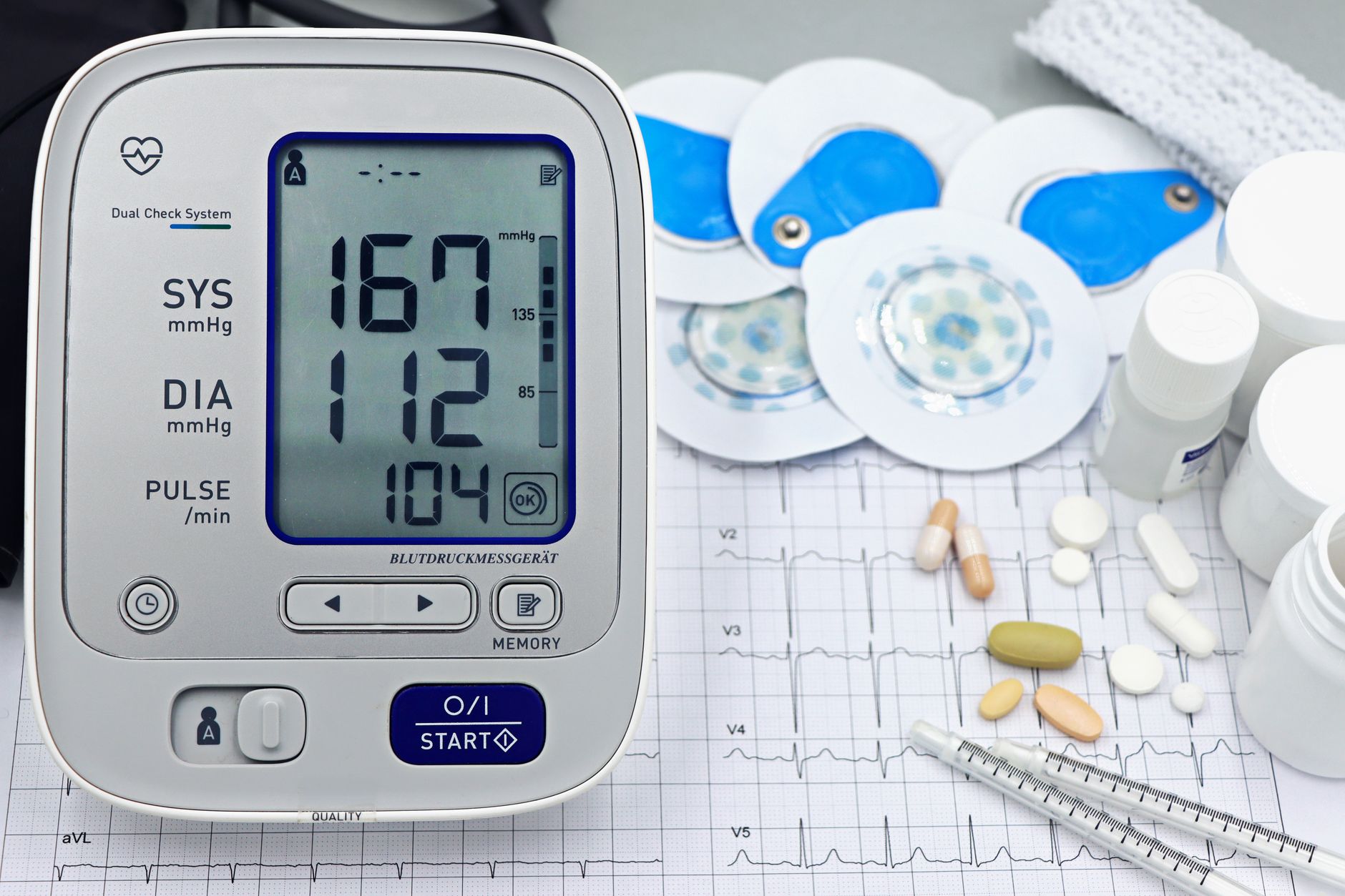
Walking directly affects blood pressure regulation through multiple mechanisms: it strengthens blood vessel walls, increases nitric oxide production (which relaxes blood vessels), and helps your body manage sodium and fluid balance. Regular walkers typically see reductions in systolic blood pressure of 5 to 7 millimeters of mercury—small changes that meaningfully reduce heart attack and stroke risk. For example, Robert, 68, was managing high blood pressure with medication but remained concerned about his cardiovascular future.
After committing to a daily 30-minute walk around his neighborhood for eight weeks, his systolic pressure dropped from 148 to 138, allowing his doctor to reduce his medication dose. This combination—natural reduction through walking plus medication—gave him better control and reduced his medication side effects. Not everyone experiences changes this dramatic, and some individuals have blood pressure that remains resistant to exercise alone, but walking as part of a broader heart-healthy approach consistently produces measurable results.
Building a Sustainable Walking Routine That Works With Your Life
The best walking program is the one you’ll actually stick to, which is why starting small and building consistency matters more than achieving high mileage immediately. Many people do better with shorter, frequent walks than trying to cram activity into one long session. If you have knees or hips that bother you, flat routes matter more than distance; if you have balance concerns, walking with a companion or in a populated area provides safety and accountability. Walking indoors on a mall track, in a gym, or in your home on rainy days offers an alternative that maintains your routine when weather is a barrier.
Compare two approaches: James decided to aim for one ambitious 60-minute walk on Saturday mornings, but when family obligations or weather intervened, he skipped that week entirely. His cardiovascular fitness plateaued. His neighbor Patricia, by contrast, committed to three 15-minute walks daily—one after breakfast, one at lunch, and one after dinner—and rarely missed because each walk felt manageable. Over six months, Patricia’s consistency delivered better cardiovascular improvements than James’s sporadic longer outings. Consistency and sustainability beat perfection.
Walking, Balance, and Fall Risk—Important Safety Considerations
One real concern for older adults is that while walking benefits the heart, falls can cause serious injury and set back independence. Walking on uneven surfaces, in dim light, or without appropriate footwear increases fall risk, which can lead to broken bones, hospitalizations, and loss of confidence. People with balance problems, inner ear issues, or vision changes must take extra precautions.
Walking on sidewalks with cracks, in parking lots with potholes, or in areas with busy traffic adds risk factors that need to be managed. If you have balance or fall concerns, several modifications reduce risk: walk with a companion during busy times, use a cane or walker if recommended by a therapist, choose familiar, well-maintained routes, wear supportive shoes with good traction, and walk during daylight. A caregiver or family member can walk alongside you, both for safety and for social motivation. Some people benefit from physical therapy exercises to improve balance before increasing walking distance, ensuring that the activity itself doesn’t create new problems.

Walking and Weight Management
Walking burns calories and, when paired with healthy eating, helps maintain a weight that reduces strain on your heart and joints. A person weighing 185 pounds burns approximately 280 calories in a moderate 45-minute walk; that same person at 235 pounds burns about 355 calories during the same walk.
Weight loss—even modest amounts like 5 to 10 percent of body weight—significantly improves heart disease risk, reduces blood pressure, and improves cholesterol. For older adults, losing weight without gaining back muscle mass can become a concern, so combining walking with some simple strength exercises (like bodyweight squats or wall push-ups) helps preserve muscle while reducing body fat.
The Long-Term Heart Health Outlook and Staying Active as You Age
Walking is not a one-time fix but a lifelong practice that compounds in benefits. People who maintain a walking routine from their 50s into their 70s and 80s experience better cardiovascular health, lower hospitalization rates, and greater independence longer than those who become sedentary in later life.
The habit also tends to reinforce itself—people who feel stronger and have more endurance from walking are more likely to stay active in other ways, climbing stairs without breathlessness or carrying groceries without strain. As aging progresses, the routes might change and the pace might slow, but the cardiovascular protection and sense of capability persist. Walking transforms from exercise into a natural part of daily life, and that integration—not separated workouts—is what makes it sustainable for decades.
Conclusion
Walking for heart health works because it is simple, safe, and effective. Regular, moderate-intensity walking reduces your risk of heart disease, lowers blood pressure, improves cholesterol, and strengthens your cardiovascular system in ways that are measurable and meaningful. The practice is also one that fits naturally into aging in place, supporting both independence and social connection as you move through your daily life.
Start where you are, build gradually, and focus on consistency over intensity. Whether you walk 15 minutes three times a day or one longer walk in the morning, the cardiovascular benefits accumulate. Talk with your doctor if you have existing heart conditions or concerns, but for most people, adding regular walking is one of the most powerful, accessible steps you can take to protect your heart and maintain the capability to live independently for years to come.