
Best Walking Shoes
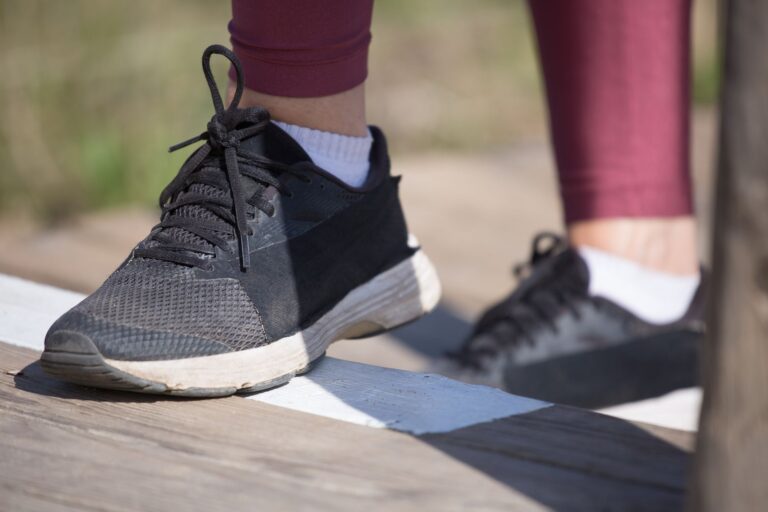
The best walking shoes for maintaining independence and mobility are ones that fit your feet properly, provide adequate arch support, and have cushioning...
The best walking shoes for maintaining independence and mobility are ones that fit your feet properly, provide adequate arch support, and have cushioning...

Indoor walking workouts are structured exercise routines performed inside your home or a controlled indoor space, where you walk at a steady or varied...

Outdoor walking is one of the most effective ways to maintain independence and preserve mobility as you age, but it requires planning and the right...

Yes, walking extends your life. The evidence is clear: adults who walk regularly live longer than sedentary peers, and the effect is measurable across all...
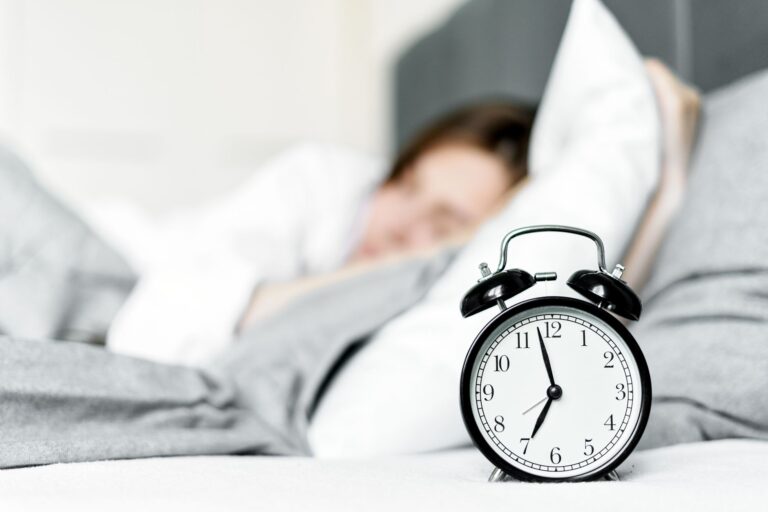
Walking improves sleep because it tires your body physically, lowers stress hormones, and helps regulate your circadian rhythm—the internal clock that...
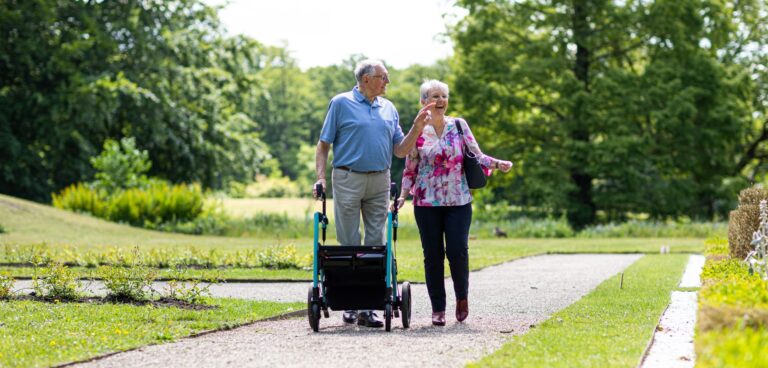
Walking is one of the most effective exercises for managing arthritis because it provides cardiovascular benefits, maintains muscle strength around...
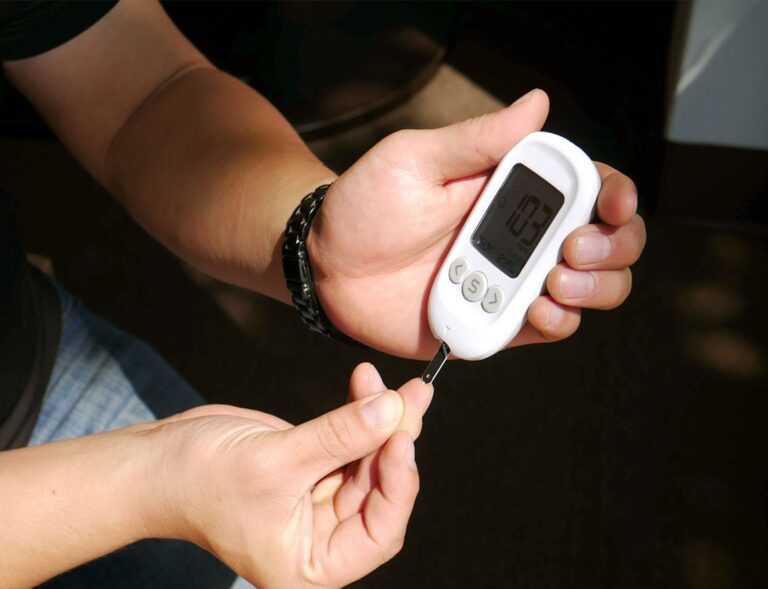
Walking is one of the most effective tools for managing diabetes, particularly for older adults and those managing their independence at home.
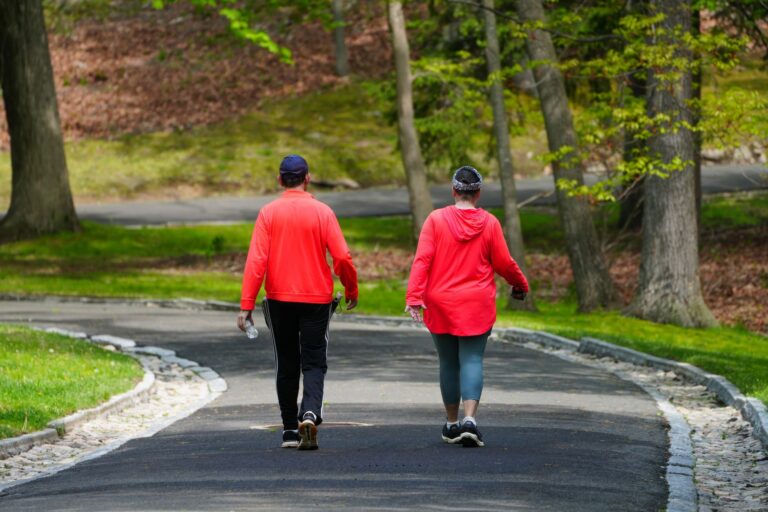
Yes, regular walking can meaningfully lower blood pressure in older adults—often enough to reduce or eliminate the need for medication.
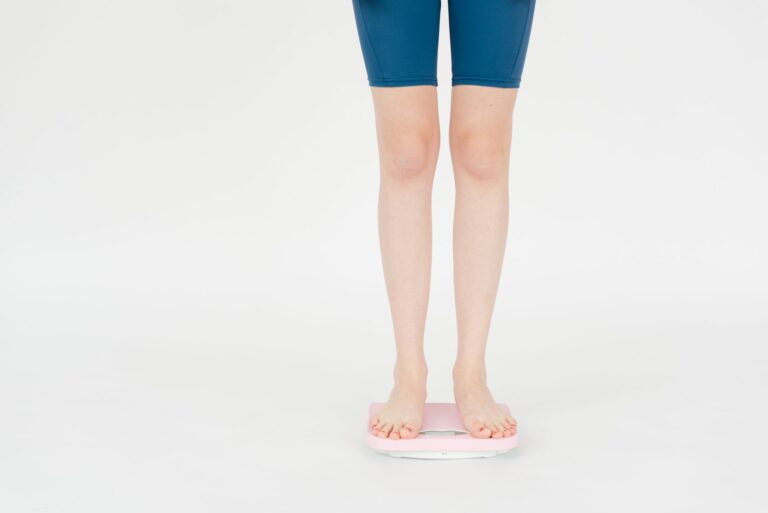
Walking can contribute meaningfully to weight loss, particularly when done consistently and at a pace that elevates your heart rate without causing injury...
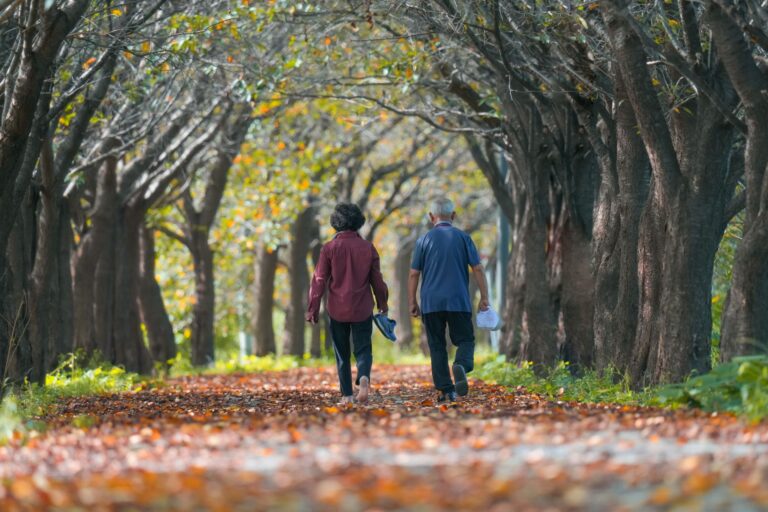
Walking cannot reverse aging at the biological level—your cells won't revert to being younger, your telomeres won't lengthen, and the calendar won't go...