
The best resistance band exercises for maintaining independence and mobility focus on functional movements that strengthen the muscles you actually use in daily life—like rising from a chair, climbing stairs, reaching for items on high shelves, and carrying groceries. Resistance bands offer a low-impact way to build strength without the joint stress of weights, making them ideal for anyone looking to stay active and capable as they age. For example, a simple bicep curl with a band can help you lift and carry objects around the house, while a lateral band walk strengthens the hip muscles that stabilize you when walking on uneven surfaces or getting up from the floor.
Resistance bands come in different resistance levels, from light to heavy, so you can start exactly where your strength is now and progress gradually. They’re also inexpensive, portable, and small enough to keep under your bed or in a closet, which means you can exercise anytime without needing gym equipment or leaving home. Unlike free weights or machines, bands provide consistent tension throughout the entire movement, which actually builds strength more effectively for many people.
Table of Contents
- WHY ARE RESISTANCE BANDS EFFECTIVE FOR OLDER ADULTS?
- DIFFERENT RESISTANCE LEVELS AND HOW TO CHOOSE
- FUNCTIONAL EXERCISES THAT MAINTAIN DAILY CAPABILITY
- CREATING A SIMPLE, SAFE ROUTINE
- COMMON MISTAKES AND SAFETY WARNINGS
- POSITIONING AND ANCHORING THE BAND
- PROGRESSING SAFELY AS YOU GET STRONGER
- Conclusion
- Frequently Asked Questions
WHY ARE RESISTANCE BANDS EFFECTIVE FOR OLDER ADULTS?
Resistance bands work by applying progressive tension to your muscles, forcing them to adapt and grow stronger over time. Unlike machines that lock you into one movement pattern, bands allow for natural movement that matches how your body actually moves—this is crucial for maintaining real-world functionality. Research on aging adults shows that resistance training prevents the muscle loss that naturally occurs with age; without strength training, people lose about 3 percent of muscle mass per year after age 30, which accelerates further after 70. Bands are safer than free weights for several reasons.
If you’re standing on a band doing a shoulder press and you lose your grip or balance, the band simply goes slack instead of a dumbbell falling on your foot or your back. They’re also gentler on your joints because they don’t create impact shock the way weights do. Many people with arthritis, osteoporosis, or joint pain find bands much easier to tolerate than dumbbells or weight machines. The resistance actually increases as you stretch the band more, which means your muscles work harder at the point where they’re strongest—this is biomechanically smarter than traditional weights.

DIFFERENT RESISTANCE LEVELS AND HOW TO CHOOSE
Resistance bands typically come in color-coded strengths: light (yellow or red), medium (green or blue), and heavy (black or purple), though different manufacturers vary. Starting with light resistance is crucial if you‘re new to exercise or returning after a long break—the temptation to grab a heavier band leads to poor form and injuries. You should be able to complete 12 to 15 repetitions with control, feeling challenged on the last few reps but not struggling so hard that your form breaks down.
One limitation of bands is that resistance feels different at different points in the movement. When you anchor a band under your foot and curl it up, it’s easiest at the bottom (where the band is slack) and hardest at the top (where it’s fully stretched). This requires getting used to, and some people find the uneven resistance curve frustrating. As you get stronger, you can layer bands together (using two bands instead of one) or switch to heavier resistance rather than buying a whole new set.
FUNCTIONAL EXERCISES THAT MAINTAIN DAILY CAPABILITY
The most important resistance band exercises mirror real-world activities. Rows strengthen your back and shoulders for pulling tasks like opening doors or reaching back to adjust your clothes. Leg presses (where you sit and press a band forward with your legs) build the quadriceps strength needed to stand from a chair or climb stairs. Lat pulldowns strengthen the muscles you use when reaching overhead to get something from a high shelf.
A practical example: doing 10 to 12 slow, controlled rows daily will noticeably improve your ability to carry grocery bags or pull yourself up from a reclined position. Standing movements like lateral band walks—where you stand in a slight squat with a band around your legs and step sideways—build hip strength and improve your balance and stability. This translates directly to safer walking and reduced fall risk. Chest presses with bands work the muscles involved in pushing doors open or pushing yourself up from the ground. Unlike isolated “gym exercises,” these functional movements directly prepare your body for the actual demands you face at home.
CREATING A SIMPLE, SAFE ROUTINE
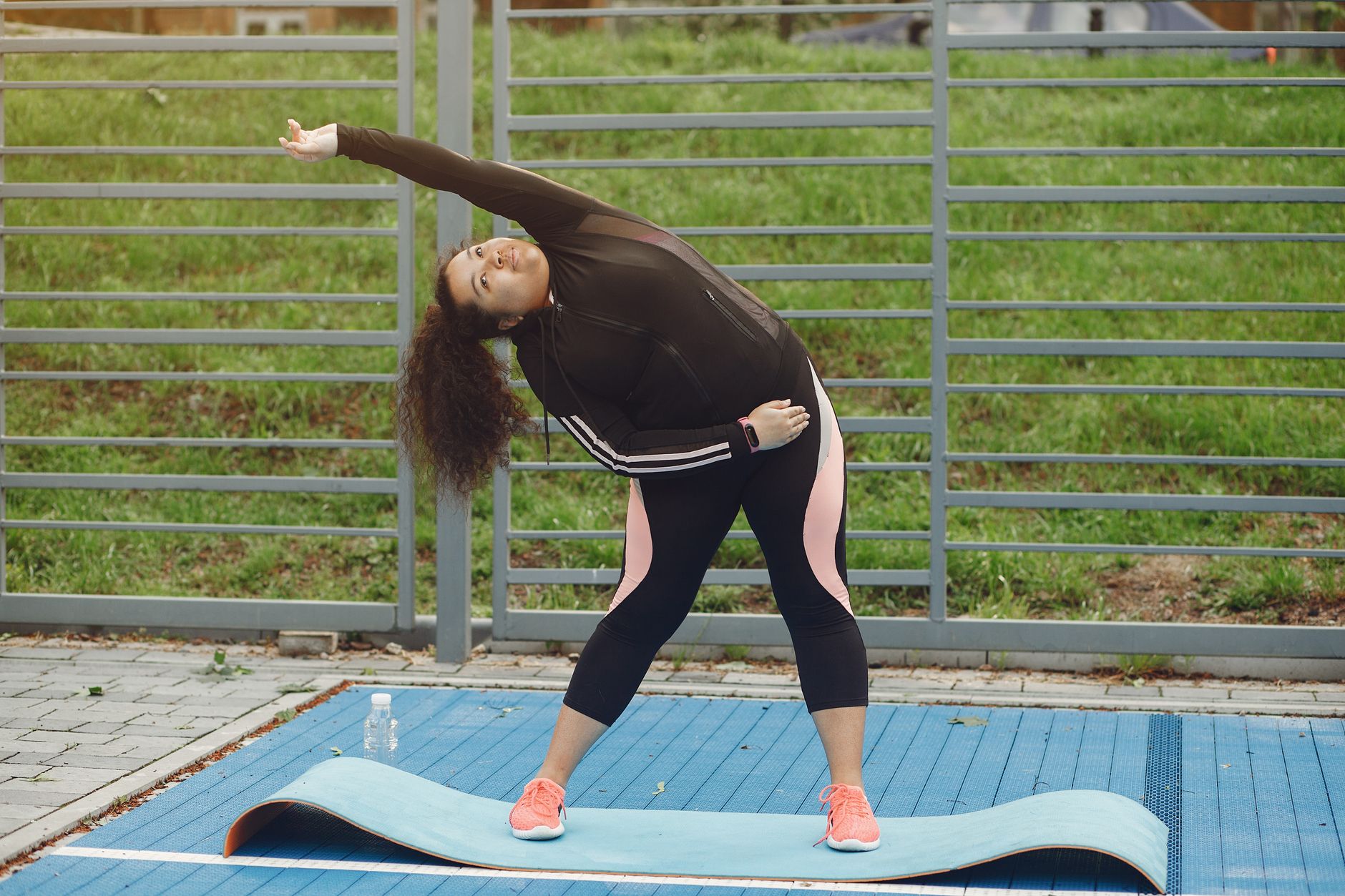
Start with just three to four exercises done two to three times per week, with at least one rest day between sessions. A basic routine might include: rows (back), leg presses (legs), chest presses (chest), and shoulder presses (shoulders). Each exercise should be done for 12 to 15 repetitions, resting 60 to 90 seconds between sets.
If you’re very new to exercise or recovering from injury, one set is fine; as you adapt, add a second set if you have the time and energy. The comparison between this approach and more aggressive training routines is important: doing moderate resistance band work consistently will give you far better results and better safety than aggressive, inconsistent training. Many people who injure themselves with bands do so because they started too heavy or did too much too quickly, then stopped. A sustainable routine that you’ll actually stick with is always superior to an ideal routine you’ll abandon because it hurts or exhausts you.
COMMON MISTAKES AND SAFETY WARNINGS
The biggest mistake is poor form driven by using resistance that’s too heavy. When the band is too strong, people compensate by using momentum (swinging), arching their back, or holding their breath. This doesn’t work the right muscles and increases injury risk. If you find yourself struggling to move the band in a slow, controlled way, it’s too heavy—switch to a lighter band or use only one band instead of two.
Proper form means moving slowly through the entire range of motion, taking about two seconds for each direction of movement. A serious warning: if you have osteoporosis or have had recent fractures, avoid high-impact exercises and jumping, and be cautious with exercises that twist your spine. If you have high blood pressure, avoid holding your breath and use lighter resistance. If you have a rotator cuff injury or shoulder pain, certain shoulder exercises will make it worse—rowing and chest presses are usually fine, but shoulder presses might not be. This is why it’s essential to check with your doctor or physical therapist before starting any new exercise program, not just after an injury.

POSITIONING AND ANCHORING THE BAND
Bands need to be anchored properly to work safely. You can anchor them under your feet (for standing presses or curls), around a sturdy fixed object like a door frame (for rows), or hold them in your hands. Never use a thin branch, a loose pole, or a flimsy object—it must be solidly fixed.
Many people use a door anchor (a small tool that fits over the top of a door hinge) to safely create anchor points, but you should only use this with doors that open away from you. A practical example: to do rows, you’d anchor a band around a sturdy chair leg at chest height, then pull the band toward you. Test the anchor before using your full strength—if you’re at all unsure, find a different anchor point.
PROGRESSING SAFELY AS YOU GET STRONGER
After four to six weeks of consistent work with one resistance level, you’ll notice exercises becoming easier. That’s your signal to progress—but progress gradually. Instead of jumping to a much heavier band, add a second lighter band to the one you’re using, or switch to a single heavier band. You should still feel challenged in the last few repetitions.
Some people also progress by adding an extra set, going from two sets to three. As older adults maintain regular resistance band work over months and years, the real benefit becomes apparent: the ability to continue living independently. Being able to carry laundry upstairs, get up from a low chair without using your arms, maintain your balance while reaching, and handle unexpected physical demands are what really matter. Resistance band training isn’t about looking a certain way—it’s about having the strength reserve that keeps you safe and capable in daily life.
Conclusion
Resistance bands are one of the most practical tools for maintaining strength and independence as you age. They’re safe, affordable, and effective when used with proper form and appropriate resistance levels. Start with light resistance, focus on functional exercises that mirror real-world activities, and stay consistent with two to three sessions per week.
Before starting any resistance band routine, talk to your doctor or physical therapist about which exercises are appropriate for your health situation. As you build strength over weeks and months, you’ll notice real improvements in your ability to do everyday tasks—that’s the true measure of success. The goal isn’t to become a weightlifter; it’s to stay strong, capable, and independent in your own home and life.
Frequently Asked Questions
What if I have arthritis in my hands and can’t hold the band?
You can loop the band around your feet or use a door anchor and modify movements. For example, do leg presses by sitting and pressing against a band looped under your feet. Many exercises don’t require gripping at all.
How often should I use resistance bands?
Two to three times per week is ideal for strength building, with at least one rest day between sessions. Muscles need recovery time to adapt and grow stronger.
Can resistance bands replace physical therapy?
Bands can complement physical therapy exercises, but they shouldn’t replace guidance from a physical therapist or doctor, especially if you’re recovering from injury or managing a chronic condition.
What if a band snaps while I’m using it?
This is rare if you inspect your bands before each use for tears or damage and don’t store them in direct sunlight. When a band does break, it simply releases tension rather than causing injury like a snapping weight machine cable might. Always have a backup set.
Should I do cardio, or just resistance training?
Both are important. Resistance training builds strength and maintains muscle; cardiovascular activity (walking, swimming, cycling) supports heart health and endurance. Ideally, do both, but if you can only do one, resistance training has a stronger impact on maintaining independence.
How do I know if I’m doing the exercise correctly?
Move slowly and with control, feeling the muscle working throughout the entire movement. If you can’t complete the movement without bouncing, jerking, or using momentum, the resistance is too heavy. Consider working with a physical therapist for one or two sessions to learn proper form.