
Exercise is one of the most effective ways to build and maintain bone strength as you age, and the evidence is clear: people who engage in regular weight-bearing and resistance activities have significantly higher bone density than sedentary peers. Bone is living tissue that responds to physical stress by becoming denser and stronger, much like muscle does. When you walk, lift weights, dance, or do other activities that work against gravity or resistance, your bones adapt by adding mineral density to areas under stress. This isn’t just about vanity or athletic performance—stronger bones directly translate to fewer falls, fewer fractures, and the ability to stay independent and mobile for decades longer. Consider a 65-year-old woman who started a simple exercise routine of walking three times a week and doing light resistance training. After two years of consistent activity, a bone density scan showed her bone density had actually increased, reversing the typical decline that comes with aging and menopause.
Meanwhile, her sedentary neighbor of the same age continued to lose bone density at the standard rate of 1 to 2 percent per year. The difference between them isn’t genetics or luck—it’s the fundamental impact of moving her body against resistance. The stakes are real. A hip fracture at 70 can mean months of immobility, loss of independence, and sometimes permanent disability. Spinal fractures can cause chronic pain and loss of height. But these outcomes are far from inevitable. Exercise builds a reserve of bone strength that acts like insurance, giving you the cushion you need to recover from falls, stay active, and maintain your freedom.
Table of Contents
- How Does Exercise Strengthen Bones?
- Types of Exercise That Build Bone Strength
- Bone Health Across Different Life Stages
- Starting an Exercise Program for Bone Health
- The Role of Nutrition and Lifestyle in Bone Strength
- Monitoring Bone Health Over Time
- Staying Active and Maintaining Gains Over Time
- Conclusion
- Frequently Asked Questions
How Does Exercise Strengthen Bones?
Bone responds to stress through a process called mechanotransduction. When you apply force to bone—whether by walking, jumping, or lifting—specialized cells called osteocytes sense that stress and signal other bone cells to build new bone tissue. This is why astronauts in zero gravity lose bone mass rapidly; without the stress of gravity and movement, their bones have no signal to maintain their density. On Earth, the reverse is true: the more you move and challenge your skeleton, the stronger it becomes. Different types of exercise stress bones in different ways. Weight-bearing activities like walking, jogging, or stair climbing put stress on your legs and spine.
Resistance training—using weights or resistance bands—creates intense localized stress that triggers bone building in whatever muscles and bones are being worked. Even unexpected activities can help: a study of tennis players found that the arm holding the racket had significantly higher bone density than the other arm, simply from the repeated stress of the sport. The point is that your bones don’t distinguish between “exercise” and “work”—they respond to any consistent, challenging demand. The timeline for seeing results is measured in months, not weeks. Bone tissue turns over slowly, and it takes time for new bone to mineralize and become incorporated into your skeletal structure. However, studies show that people who start an exercise program can see meaningful improvements in bone density within 6 to 12 months of consistent activity. The earlier you start, the better your long-term outcome, but it’s never too late to begin.
Types of Exercise That Build Bone Strength
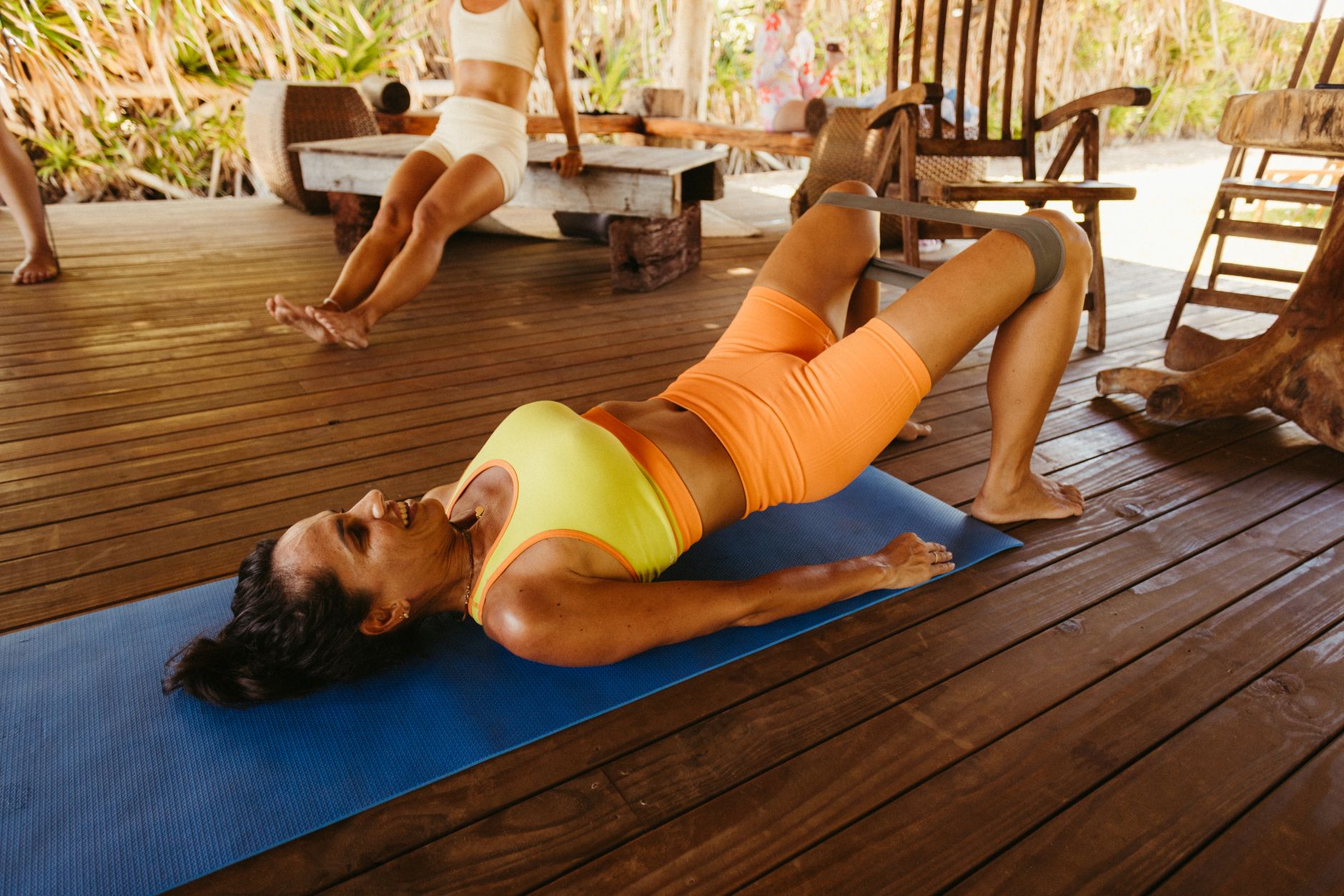
Weight-bearing exercises are the most direct way to build bone density in your legs and spine. Walking is the most accessible: a regular walking routine—at least 30 minutes most days of the week—has been shown to preserve bone density and even increase it slightly in some studies. More intense weight-bearing activities like jogging or dancing create greater stress and therefore greater stimulus for bone building, but walking is sufficient for many people, especially older adults who are just starting out. Resistance training is equally important, particularly as you age. When you lift weights or use resistance bands, you’re not just building muscle; you’re directly stressing the bones in your arms, legs, and core, triggering them to reinforce themselves. A limitation of resistance training, however, is that it requires some initial knowledge or guidance to do safely.
Poor form can lead to injury, and starting too heavy can strain joints or muscles. Many older adults benefit from working with a trainer for even just a few sessions to learn proper technique. Additionally, resistance training requires access to equipment or a gym, which isn’t universally available, making weight-bearing exercise a more practical option for people with limited resources. High-impact activities like jumping or running are excellent for bone building but carry higher injury risk for older adults or those with existing joint problems. A 72-year-old with arthritis who tries to start a jogging program is more likely to aggravate their knees than to build bone safely. This is why a balanced approach—combining weight-bearing walking, resistance training, and flexibility work—is often more realistic and sustainable than chasing maximum bone-building intensity.
Bone Health Across Different Life Stages
Your bone-building window begins in childhood and extends through your 20s and early 30s, when you reach peak bone mass. People who were active during these years—playing sports, running, climbing—often have a stronger foundation that protects them later in life. However, many people didn’t get this early advantage, either due to sedentary lifestyles or medical issues, and this shouldn’t be discouraging. The research is clear that exercise helps bones at any age. For women, menopause creates a particular challenge. The drop in estrogen accelerates bone loss to as much as 3 to 5 percent per year for several years after menopause ends.
This is why bone loss and osteoporosis are more common in older women than older men. A 55-year-old woman entering menopause who begins a deliberate exercise program can substantially mitigate this acceleration. She won’t prevent the hormonal changes, but she can use exercise to offset a significant portion of the bone loss. Men also lose bone with age, just more slowly and typically starting later than women. A man at 70 has about the same fracture risk as a woman at 80, partly because men built more bone earlier and partly because estrogen loss isn’t a factor. Regardless of sex or starting point, the prescription is the same: consistent, varied exercise that includes both weight-bearing and resistance components.

Starting an Exercise Program for Bone Health
If you’ve been sedentary, starting suddenly with intense exercise is a mistake. Your bones, muscles, and joints need time to adapt, and jumping into heavy activity can lead to stress fractures, joint pain, or other injuries that set you back. A practical approach is to start with walking—something most people can do without special equipment or training. Begin with 15 to 20 minutes three times a week, and gradually increase to 30 to 45 minutes most days. As walking becomes comfortable and routine, you can add resistance training. For resistance training, the tradeoff is between doing it effectively and doing it safely. Hiring a trainer for even two or three sessions is a smart investment if you can afford it; they can show you proper form and help you understand which exercises work best for your body and goals.
If that’s not an option, videos and online resources abound, though you need to be careful to choose reputable sources and start conservatively. A common mistake is lifting too heavy too fast; it’s far better to start light and progress gradually. Another practical consideration is consistency. An exercise program you can sustain three times a week forever will build more bone than an intense program you quit after a month. Your doctor or physical therapist can also help assess your starting point. If you have existing osteoporosis, certain joint problems, or other health conditions, some exercises might need modification or might not be appropriate at all. Getting clearance and perhaps some personalized guidance isn’t a luxury—it’s practical risk management.
The Role of Nutrition and Lifestyle in Bone Strength
Exercise alone isn’t enough. Bone is made of mineral, primarily calcium and phosphate, and your body needs an adequate supply to build and maintain bone tissue. A diet low in calcium and vitamin D undermines exercise’s benefits. Vitamin D is particularly important: it’s necessary for your body to absorb calcium from food, and vitamin D deficiency is extremely common in older adults, especially those who spend most of their time indoors. A warning: if you’re exercising regularly but not getting enough calcium and vitamin D, you’ll see less benefit from your efforts, and you may still lose bone density over time. The daily recommended calcium intake for adults over 50 is 1,000 to 1,200 mg, and vitamin D recommendations are 600 to 800 IU for adults over 70 (though many experts recommend higher amounts). Getting blood work to check your vitamin D level is a good idea, especially if you live in a northern climate, spend most of your time indoors, or have dark skin, as all of these factors reduce vitamin D production.
Many people need supplementation to reach adequate levels. Smoking and excessive alcohol also damage bone. Smoking impairs the body’s ability to absorb calcium and accelerates bone loss. Heavy alcohol use does the same. These aren’t moral failings; they’re practical factors to be aware of. If you’re trying to protect your bones through exercise, reducing smoking and limiting alcohol will amplify your efforts. Conversely, someone exercising regularly while smoking is fighting against themselves and will see diminished results.
Monitoring Bone Health Over Time
A bone density scan (DEXA scan) can measure your bone density and identify osteoporosis or osteopenia before a fracture happens. These scans are quick, painless, and non-invasive. Current guidelines recommend them for women over 65 and men over 70, though younger people with risk factors should consider them too. A specific example: a 68-year-old man with a family history of hip fractures got a DEXA scan and learned his bone density was declining despite his general fitness.
He added more targeted resistance training, increased his vitamin D intake, and had a follow-up scan two years later that showed the decline had not only stopped but reversed slightly. Without the scan, he would have had no way to know his strategy was working. Not everyone has regular access to DEXA scans, and they can be expensive out of pocket. If you can’t get a scan, consistent progress with your exercise routine and good nutrition is still valuable—you’re building bone whether or not you have objective measurements to prove it.
Staying Active and Maintaining Gains Over Time
One of the biggest challenges with exercise for bone health is that the gains don’t last if you stop moving. Bone responds to stress acutely; if you become sedentary again, your body interprets that as a signal that strong bones aren’t needed, and bone density begins to decline again. This is why lifelong movement is the goal, not a one-year project. The good news is that you don’t need to maintain the same intensity forever.
A 75-year-old doesn’t need to do the same routine as a 45-year-old, but staying active—walking, gardening, playing with grandchildren, doing light strength work—maintains the bones you’ve built. As you age, the calculus shifts slightly. Fall prevention becomes even more important than maximum bone building, because even strong bones can fracture if you fall at high speed or at a bad angle. Balance training, flexibility work, and careful attention to your environment (removing tripping hazards, wearing proper footwear, using assistive devices if needed) become as critical as the exercise itself. Exercise builds the foundation, but wisdom and caution determine whether you stay on your feet.
Conclusion
Stronger bones through exercise is not a promise of perfection or immortality. It’s a practical investment in your mobility, independence, and quality of life. The evidence shows that people who move regularly, challenge their bones with weight-bearing and resistance activities, eat enough calcium and vitamin D, and maintain these habits over decades have fewer fractures, fewer falls, better mobility, and greater freedom to do the things they want to do as they age. The alternative—sedentary aging with declining bone density, increasing fracture risk, and loss of independence—is not inevitable. Start where you are. If you’re sedentary now, begin with walking.
As that becomes comfortable, add resistance training. Make sure your nutrition supports bone health. Get a baseline bone density scan if you can, so you can track your progress and adjust your approach if needed. The work you put in now will pay dividends for decades. Your bones are listening to what you ask of them. Ask them to stay strong, and they will.
Frequently Asked Questions
Is it ever too late to improve bone health through exercise?
No. Studies show that people in their 70s and 80s can still gain bone density through exercise, and even if density gains are modest, the improvements in balance, muscle strength, and functional ability reduce fall and fracture risk significantly. It’s never too late to start.
How often do I need to exercise to see results for bone health?
Consistency matters more than intensity. Three to five times per week is a reasonable target, with at least two of those sessions including weight-bearing or resistance work. Daily walking is ideal, but even three times a week shows measurable benefits over time.
Can I build bone through exercise if I have osteoporosis already?
Yes, but carefully. Some exercises are inappropriate for someone with existing osteoporosis because they increase fracture risk. Work with a physical therapist or doctor to identify safe exercises. Generally, weight-bearing walking and carefully prescribed resistance training can help slow or even reverse bone loss in early osteoporosis.
Does swimming or water aerobics build bone?
Water-based exercise is excellent for cardiovascular health, balance, and general fitness, but it doesn’t create the mechanical stress needed to significantly build bone. This is because water supports your weight, removing the stimulus that makes bones stronger. Water exercise is good for people who can’t do land-based weight-bearing work, but it shouldn’t be your only bone-building activity.
How long does it take to see improvements in bone density from exercise?
Most studies show measurable improvements in 6 to 12 months of consistent exercise. However, you may notice functional improvements—better balance, more strength, easier movement—much sooner, often within weeks.
What if I’m at risk for osteoporosis because of medication or medical conditions?
Exercise becomes even more important as a protective factor. Talk to your doctor about whether medications or conditions require modifications to your exercise routine, but don’t assume you can’t exercise. Many people taking medications like corticosteroids that increase osteoporosis risk can still build bone through exercise with proper guidance.