
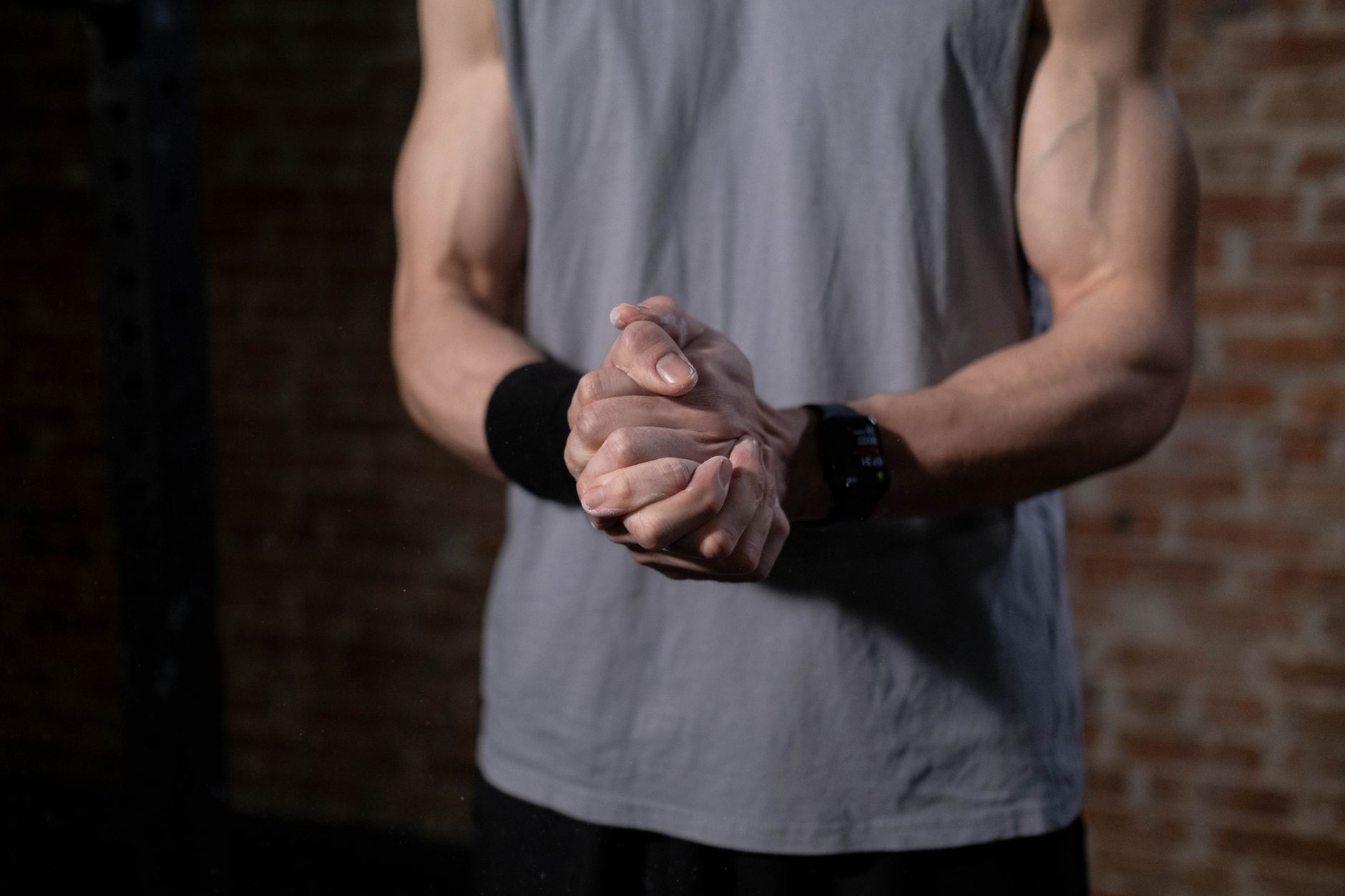
Grip strength is the force your hands can exert when squeezing or gripping an object, and it’s one of the most practical indicators of whether you can manage daily life independently. A strong grip allows you to open jars, carry groceries, shake hands with confidence, and hold onto a railing if you slip. For older adults, grip strength directly predicts your ability to stay in your home, live without constant assistance, and maintain the physical independence that defines quality of life. When you lose grip strength—something that naturally happens as we age—everyday tasks become unsafe or impossible, forcing dependency on others or requiring adaptive equipment you’d rather avoid. A grip strength workout isn’t about becoming a hand-crushing strongman. It’s a targeted routine that keeps your hands, forearms, and arms functional for real-world demands.
A 75-year-old woman who can barely open a prescription bottle, for example, isn’t weak everywhere—she’s lost grip capacity in her hands and forearms. Restoring that capacity through consistent, progressive exercises can be the difference between living independently and moving into assisted living. Research shows that older adults who maintain grip strength have fewer falls, recover better from illness, and retain more independence overall than those who neglect this area. Grip strength training works because it targets the muscles and nerves in your hands and forearms through progressive resistance. Unlike complex fitness routines, grip work is simple to understand and can be done anywhere. The challenge is knowing which exercises work, how much resistance is appropriate, and how to progress safely without injury. This guide walks through everything you need to build and maintain a grip strength workout that keeps you capable and independent.
Table of Contents
- Why Is Grip Strength So Critical for Independence?
- How Grip Strength Declines With Age and Why It Matters
- How to Test Your Grip Strength Accurately
- Best Grip Strengthening Exercises You Can Do at Home
- Common Mistakes That Prevent Grip Gains and How to Avoid Them
- Tools and Equipment for Grip Training
- Integrating Grip Work Into a Balanced Fitness Routine for Older Adults
- Conclusion
Why Is Grip Strength So Critical for Independence?
Grip strength functions as a practical marker of overall physical capability. Multiple studies have linked weak grip to increased risk of falls, slower walking speed, difficulty with balance, and even cognitive decline. The connection isn’t mysterious—your grip relies on muscles and nerves that also support posture, stability, and coordination throughout your body. When those systems weaken, everything else declines together. A person with weak grip often can’t stabilize themselves on stairs, recover their balance quickly, or catch themselves if they stumble, making falls far more likely. For caregiving situations, grip strength matters enormously.
An older adult who can grip firmly can help themselves up from a chair, steady themselves on furniture, or hold a walker properly. An older adult with weak grip requires more hands-on assistance, which increases caregiver burden and costs. Beyond the physical reality, grip strength also predicts how long someone can remain living independently. Studies have found that older adults with weak grip strength are more likely to need nursing home placement within the next few years. Conversely, maintaining grip strength is one of the most cost-effective ways to stay independent longer. The comparison is worth noting: grip strength is easier to measure and improve than balance, cognitive function, or cardiovascular fitness, yet it predicts outcomes in all those areas. This makes grip training one of the highest-return investments you can make in your physical independence.
How Grip Strength Declines With Age and Why It Matters
Grip strength peaks around age 30 to 35, then gradually declines as muscle mass decreases and nervous system efficiency drops. Most people lose 3 to 4 percent of their grip strength per decade after age 50, but that rate accelerates after age 70. By 80, many adults have lost 40 to 50 percent of their peak grip strength. This isn’t inevitable decline—it’s the result of disuse, sedentary habits, and the fact that most daily activities don’t challenge grip enough to maintain strength. The physical mechanism is straightforward. your grip relies on muscles in your forearm (primarily the flexor digitorum superficialis and flexor digitorum profundus) and the small intrinsic muscles in your hands. These muscles only respond to resistance.
If your daily life involves mostly light pinching and gripping, your nervous system signals your muscles that they don’t need to be strong. Over time, they atrophy—they literally get smaller. Simultaneously, the nerves controlling those muscles become less efficient at recruiting them, which compounds the weakness. A 68-year-old who spent 40 years at a desk job, never lifting heavy, and never gripping forcefully will have notably weaker hands than someone who continued physical labor or strength training. The limitation to understand here is that you can’t reverse decades of loss quickly. Rebuilding grip strength takes consistent effort over weeks and months. If you’ve been sedentary for years, you may regain grip strength fairly quickly at first (that’s your nervous system re-learning), but reaching peak capacity takes sustained work. Don’t expect dramatic changes in two weeks, and don’t be discouraged if progress plateaus—these are normal parts of adaptation.
How to Test Your Grip Strength Accurately
The most accurate way to measure grip strength is with a dynamometer, a small handheld device that measures the force in pounds or kilograms when you squeeze it. A standard test involves three trials per hand, alternating hands, and recording the best result. Average grip strength for older adults varies by age and sex, but a rough reference: women over 65 should aim for at least 40 to 50 pounds of force per hand, while men over 65 should target 60 to 80 pounds. If you’re below these ranges, grip training will directly improve your real-world capability. Without a dynamometer, you can use functional tests. Try opening a new jar with a tight lid—if you struggle or can’t do it, that’s a warning sign.
Try carrying groceries in one hand while opening a door with the other. Try gripping a towel and twisting it—if you can barely wring it out, your grip needs work. Try hanging from a pull-up bar or sturdy branch—how long can you hold on? These real-world tests matter more than numbers because they reflect what your grip actually does. A person who can dynamometer-test to 60 pounds but can’t open a jar has the wrong kind of strength measurement. Most people have slightly different strength in each hand, usually 5 to 10 percent difference. If your difference is larger than that, it may indicate nerve damage, previous injury, or disuse of the weaker hand. That’s worth discussing with a doctor, especially if the difference is new.
Best Grip Strengthening Exercises You Can Do at Home
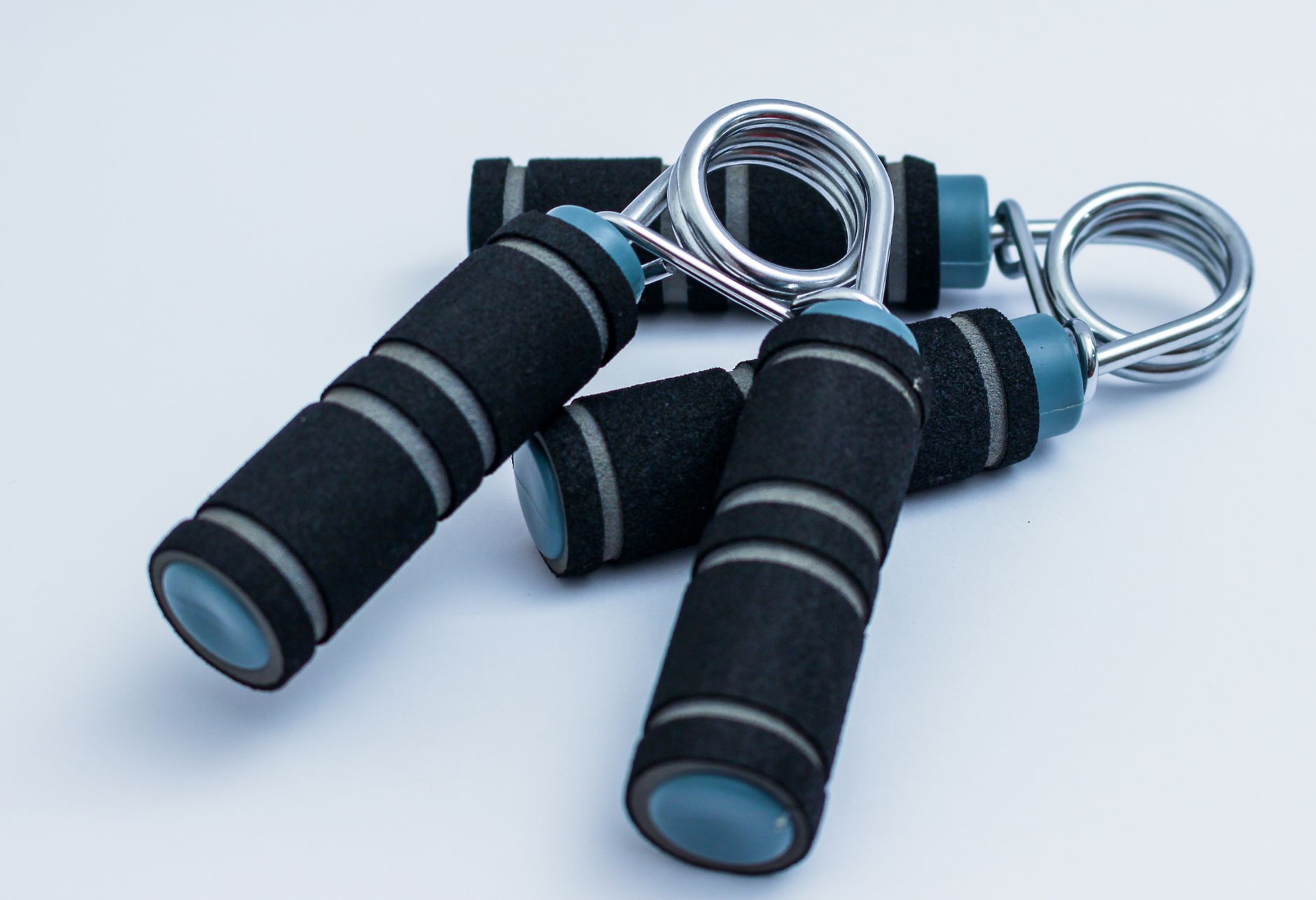
The most straightforward exercise is the hand-squeeze. Using a grip strengthener tool (a device that requires you to squeeze two handles together against resistance), perform three sets of 8 to 12 repetitions, two to three times weekly. Start with a resistance that lets you complete the reps with effort but not complete failure. After two weeks, if the exercise feels easy, increase the resistance. The benefit of grip strengtheners is that they isolate the grip muscles and provide measurable progression. Deadlifts and rows with barbells or dumbbells are excellent compound exercises that build grip strength alongside overall strength. Hold a heavy dumbbell (a weight where you can do 6 to 8 repetitions) and simply hang it at your side. Your forearm muscles work to maintain the grip.
You don’t need to move the weight—just gripping and holding it is the exercise. A 75-pound dumbbell held for three sets of 20 to 30 seconds builds serious grip endurance. Compare this to a grip strengthener: a grip strengthener is more targeted and easier to progress, but holding heavy weights is more functional because it mimics real-world demands like carrying groceries or holding a suitcase. Farmer’s carries are another excellent option. Hold a dumbbell or kettlebell in each hand and walk slowly, maintaining upright posture, for 30 to 60 seconds. Rest, then repeat for three sets. This exercise builds grip endurance while improving posture and core stability. The tradeoff is that farmer’s carries require space to walk and balance to maintain, making them less suitable if you have significant balance problems. In that case, stationary grip work (squeeze exercises) is safer.
Common Mistakes That Prevent Grip Gains and How to Avoid Them
The most common mistake is using resistance that’s too light. Many people pick up a grip strengthener and perform reps that barely feel challenging. If you can do 20 repetitions easily, the resistance isn’t adequate to build strength. You should reach a point of fatigue between 8 and 12 repetitions. This doesn’t mean pain or strain—it means your hand muscles genuinely feel tired. If you’re not feeling that, increase the resistance. Another mistake is inconsistency. Grip strength requires regular stimulus. Doing three sessions of grip work and then stopping for two weeks won’t build lasting strength. The minimum for maintaining current grip strength is about once weekly; building strength requires two to three sessions weekly.
Many people do a few weeks of training, feel stronger, then stop—and lose the gains within weeks. Consistency matters more than intensity. A third mistake is neglecting the other hand. If you’re right-handed, your right hand naturally dominates, and you might unconsciously favor it. Without intentional work, your left hand will become noticeably weaker. For independence and safety, you need functional grip in both hands. When you do grip exercises, ensure you’re working each hand equally and tracking both hands separately so you notice if one is falling behind. The warning to emphasize: if you have arthritis, carpal tunnel syndrome, or tendon pain, aggressive grip training can worsen symptoms. Start slowly, use lighter resistance, and stop immediately if you feel sharp pain (as opposed to muscle fatigue). Burning fatigue in your forearm muscles is normal; shooting pain in your wrist or fingers is not.

Tools and Equipment for Grip Training
Grip strengthener tools are inexpensive (usually 15 to 40 dollars) and highly effective. The spring-loaded versions with adjustable resistance are best because you can progress as you get stronger. Look for versions where you can set the resistance explicitly, not ones where “heavy” is undefined. The advantage is portability—you can train anywhere, even while watching television. Heavy dumbbells or kettlebells work if you already have them, but they’re less specific to grip training.
You’re also working your whole arm and shoulder, which isn’t always ideal if you have shoulder issues or limited mobility. Farmer’s carry handles (specialized tools designed for the farmer’s carry exercise) are excellent if you have the space and balance to use them safely, but they’re not necessary if you have dumbbells. Bands and towel work offer alternatives. Wrapping a towel around a bar and gripping the towel while pulling (a towel pull-up) demands significant grip strength. A thick rope hanging from a chin-up bar that you grip while hanging also builds grip. These are functional but less measurable—you can’t easily track progress the way you can with a numbered grip strengthener.
Integrating Grip Work Into a Balanced Fitness Routine for Older Adults
Grip training shouldn’t replace overall fitness, but it should be part of a complete program. Ideally, combine grip work with exercises for balance (like standing on one leg or tai chi), lower-body strength (squats, step-ups), and cardiovascular activity (walking, swimming). A simple example: Monday, Wednesday, and Friday, do 10 minutes of grip work in the morning (three sets of squeezes or farmer’s carries). Walk for 20 to 30 minutes after. On Tuesday and Thursday, do balance exercises like standing hip circles or tai chi.
Sunday is rest. The reality is that most older adults underestimate how much grip training matters compared to flashy strength work. A person who can deadlift 200 pounds but has weak hands can’t open a jar. A person with modest strength overall but strong hands can manage most daily activities independently. This isn’t to say full-body fitness isn’t important—it is—but grip training is one of the highest-return investments.
Conclusion
Grip strength is a measurable, improvable marker of independence. Weak grip forces dependency on others and predicts declining health outcomes, while strong grip maintains your ability to manage daily life without assistance. The exercises are simple, the tools are cheap, and the time commitment is minimal—two to three 10-minute sessions weekly can meaningfully improve your hands. Start by testing your grip strength with a jar, a towel, or a dynamometer if you have access.
If you’re weaker than you’d like, choose one exercise (a grip strengthener is simplest) and commit to consistent training. Progress by increasing resistance every two to three weeks. You’ll likely notice improvements in opening jars, carrying groceries, and the simple confidence of a firm handshake within four to eight weeks. This isn’t flashy fitness, but it’s directly tied to living the way you want to live.