
Social connections are a critical factor in maintaining physical health and cognitive function as you age. Research consistently shows that people with strong social ties have lower rates of heart disease, stroke, diabetes, and depression compared to those who are isolated. A person with regular social contact and meaningful relationships may experience better outcomes from illness, faster recovery times, and even increased longevity. The relationship between social health and physical health is not abstract—it’s measurable in blood pressure readings, immune system function, and how well your body manages chronic disease. For someone aging in place, social connection directly affects your ability to stay independent.
When you maintain regular contact with friends, family, and community, you’re more likely to catch health problems early through conversations about how you’re feeling. You’re more likely to have help when you need it, whether that’s a ride to a doctor’s appointment or someone noticing that something is off with your behavior. Someone living alone who regularly connects with others has better accountability for taking medications, eating well, and staying active—all foundations of maintaining independence. The challenge is that social isolation often happens gradually. Retirement, loss of a spouse, reduced mobility, or moving away from longtime friends can erode your social connections without you fully realizing it until isolation becomes entrenched.
Table of Contents
- HOW SOCIAL ISOLATION WEAKENS HEALTH OUTCOMES
- QUALITY OF CONNECTION MATTERS MORE THAN QUANTITY
- SOCIAL CONNECTION AND COGNITIVE FUNCTION
- PRACTICAL WAYS TO BUILD AND MAINTAIN CONNECTIONS WHEN MOBILITY IS LIMITED
- CAREGIVER RELATIONSHIPS AND THE RISKS OF OVER-RELIANCE
- COMMUNITY CONNECTIONS AND INFORMAL SUPPORT NETWORKS
- FUTURE OUTLOOK AND ADAPTING CONNECTIONS OVER TIME
- Conclusion
HOW SOCIAL ISOLATION WEAKENS HEALTH OUTCOMES
Social isolation affects health through multiple pathways. Loneliness and lack of social engagement increase stress hormones like cortisol, which over time weakens your immune system and raises inflammation throughout your body. This chronic low-level inflammation contributes to heart disease, arthritis flare-ups, and slower wound healing. A person who feels isolated is also more likely to neglect self-care—skipping meals, not exercising, or ignoring symptoms that might indicate a medical problem. The physical effects show up clearly in medical data. Studies of older adults find that those with the weakest social networks have mortality rates 26% to 32% higher than those with strong connections.
That gap is equivalent to the difference between smokers and non-smokers. Isolation doesn’t just make you feel worse; it changes your physiology in ways that shorten lifespan and increase disease risk. Someone who was once social and active but has become isolated after a fall or hospitalization may lose strength and confidence faster than the original injury would explain. Depression is a common link between isolation and poor physical health. When older adults become isolated, depression rates climb. Depression then leads to reduced activity, poor eating, medication non-compliance, and faster cognitive decline. Breaking this cycle requires recognizing that the solution isn’t willpower—it’s rebuilding social connection.

QUALITY OF CONNECTION MATTERS MORE THAN QUANTITY
You don’t need dozens of friends to be healthy. Research shows that it’s the quality and emotional closeness of your connections that matters most, not the sheer number of people you know. One meaningful friendship where you feel genuinely understood may protect your health more than casual contact with many acquaintances. This is important to understand because someone aging in place might worry they can’t maintain a large social circle—but that’s not the standard you need to meet. The limitation here is that quality relationships take effort to maintain, especially when mobility or health issues make in-person visits difficult.
Video calls help, but they’re not a complete substitute for physical presence. Someone who relies on phone calls and video chats may still feel the absence of a hand to hold or a hug when they’re having a hard day. Additionally, relationships built over decades can fade if not actively maintained—you can’t assume that old friendships will automatically spring back to life after years of little contact. A practical reality: one close family member or friend who checks in regularly, knows your health situation, and can advocate for you is more valuable for your independence than a large network of people you’re not comfortable calling for help. But that one person shouldn’t be your only connection. You need redundancy in your social network so that if one person becomes unavailable (due to their own health, work, or life changes), you’re not left without support.
SOCIAL CONNECTION AND COGNITIVE FUNCTION
Staying mentally sharp as you age depends partly on social engagement. Conversations with others exercise your memory, require you to think on your feet, and engage different parts of your brain than solitary activities. Older adults who maintain regular social contact score higher on cognitive tests and show slower rates of cognitive decline compared to isolated peers. The difference is significant—someone who is socially active in their 80s may have the cognitive function of someone 5 to 10 years younger. This effect appears to work both ways. People who feel more mentally sharp are more likely to seek out social activities, creating a positive feedback loop.
Conversely, cognitive decline can lead to social withdrawal (from embarrassment, confusion, or loss of interest), which then accelerates further cognitive decline. A person who starts forgetting details of conversations or becomes confused might pull back from social activities, not realizing that doing so will make the cognitive decline worse. Consider someone with mild memory loss who stops attending their bridge game because they’re worried about making mistakes. They’ve removed one of the most effective treatments available to them—regular mental stimulation and social engagement. The people they played with might not even have noticed the problems. Reframing social activity as preventive healthcare, not optional recreation, can help someone with these concerns stay engaged.

PRACTICAL WAYS TO BUILD AND MAINTAIN CONNECTIONS WHEN MOBILITY IS LIMITED
Building social connection when you have physical limitations requires intentional strategy. If you can’t drive or have trouble walking, you need connections that can adapt to your capabilities. Technology offers real options here—video calls let you have face-to-face conversations with distant family, online interest groups connect you with people who share your hobbies, and virtual classes let you learn alongside others. A person with arthritis who can’t easily leave home might still join an online book club or take a virtual cooking class, both of which provide real interaction and engagement. The tradeoff is that screen-based connection works well for some interactions but not all. Video calls are better than nothing, but they don’t replace the casual contact of being around others—the person next to you in an exercise class, the librarian who knows you by name, the neighbor you chat with while sitting outside.
Some older adults have technology anxiety or eye problems that make screens difficult. For these people, proximity-based activities matter more. A person with mobility issues who arranges transportation to a weekly gathering at a senior center, library, or religious community gets both the structured social time and the casual interactions in transit. In-home visitors and support services can provide dual benefits: they address practical needs (housekeeping, yard work, meal prep) while also providing social contact. The key is choosing people and services where there’s genuine connection potential, not just task completion. Someone who sees the same home aide every week and knows their name, talks about their family, and shows interest in them gets more health benefit than rotating through different aides, even if the practical work is identical.
CAREGIVER RELATIONSHIPS AND THE RISKS OF OVER-RELIANCE
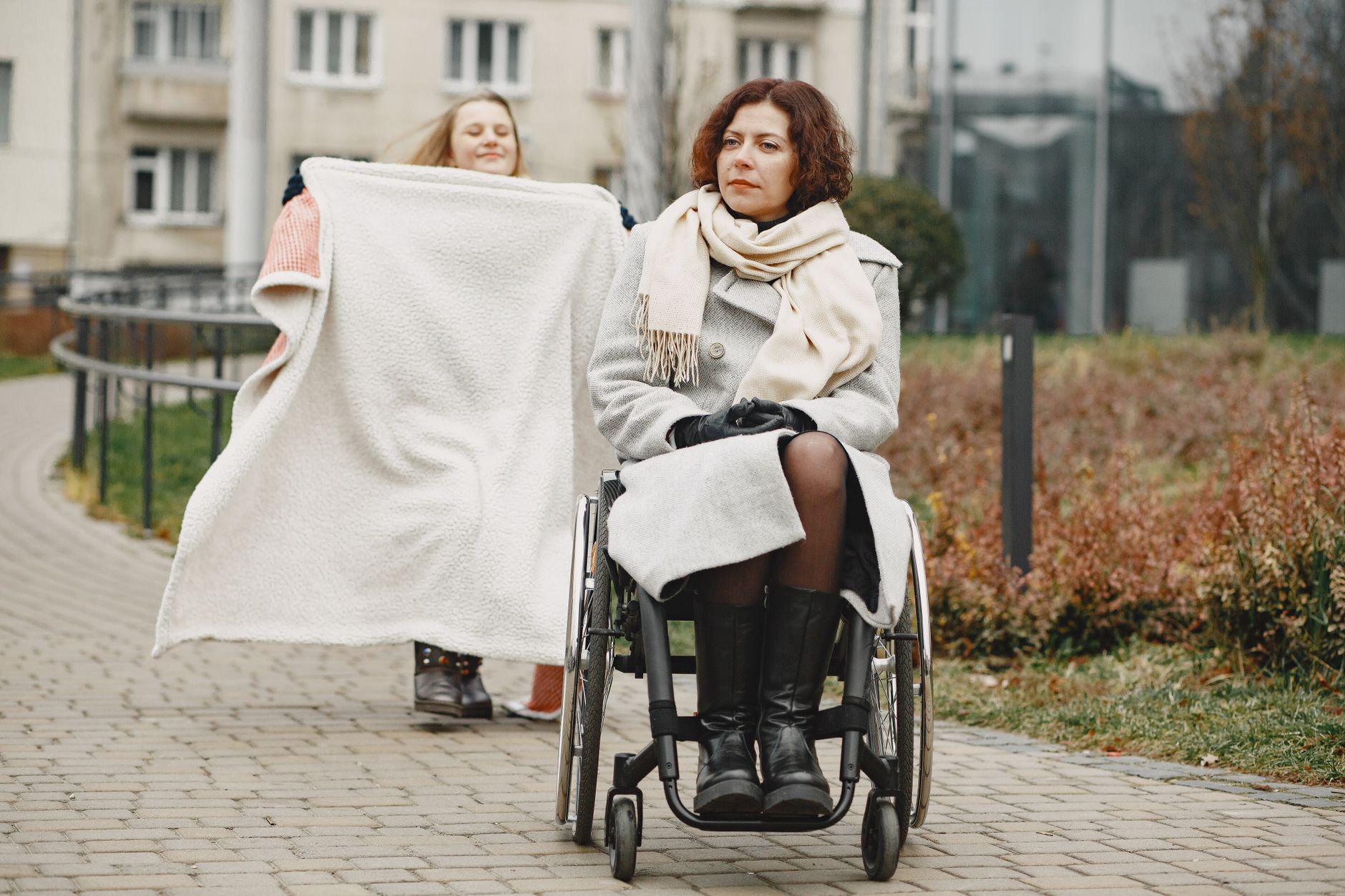
If a family member or professional caregiver becomes your primary or only social contact, you’ve created a precarious situation. Caregiver relationships have a different dynamic than friendships or family bonds—they center on your needs and your limitations, which can subtly reinforce dependency and reduce your sense of agency. Someone who only talks about their health problems, medications, and mobility issues with their caregiver is missing out on the reciprocal friendship that protects mental health. A warning: caregiver burnout is real, and it can lead to reduced social engagement on both sides. A caregiver who is exhausted from their responsibilities might discourage visitors or social outings because they’re easier to manage when you’re home and quiet.
You might not recognize this as a problem if you’re accepting the caregiver’s framing (“you need rest” or “going out is too tiring”). But isolation in the name of rest actually accelerates decline. Additionally, over-reliance on one caregiver is risky for practical reasons—if they become ill, burned out, or need to step back, you’re left vulnerable. The solution is to separate caregiving from friendship. A professional caregiver can provide support with daily tasks while you maintain separate friendships and family relationships. This also protects the caregiver by keeping the relationship professional and bounded rather than expanding it to fill all your social needs.
COMMUNITY CONNECTIONS AND INFORMAL SUPPORT NETWORKS
Beyond close relationships, community ties matter. Regular attendance at a senior center, religious congregation, volunteer group, or hobby club creates a web of acquaintances who notice when you’re not there, ask how you’re doing, and offer help if they notice a problem. These looser ties are valuable specifically because they’re not demanding—you can show up or not without feeling like you’re burdening anyone, but people still see you regularly and can intervene if something seems wrong. A concrete example: someone who goes to the same coffee shop every Tuesday morning for years might not consider those casual conversations with other regulars as part of their health support system.
But if one Tuesday they don’t show up, people notice. A regular customer might mention it to the cafe staff, who might make a call or mention it to someone. That low-pressure presence in the community creates informal accountability. The same dynamic works at exercise classes, library programs, volunteer positions, or gardening groups—anywhere you show up regularly and people come to expect you.
FUTURE OUTLOOK AND ADAPTING CONNECTIONS OVER TIME
Your social needs and capabilities change as you age, and you’ll need to adapt your connections intentionally. Someone who maintained friendships through hiking trips might need to transition those friendships to coffee meetings as mobility changes. Someone who lived near family their whole life might need to build new local connections if they move to be closer to one adult child. The people who age most successfully at home are those who treat social connection as an active priority, like physical therapy or taking medications—something you schedule, invest in, and adjust as circumstances require.
Technology continues to evolve, creating new options for staying connected despite distance or mobility limits. Virtual reality, better video platforms, and new types of online communities may offer people currently isolated more opportunities to engage. But the fundamentals don’t change: real connection requires reciprocal interest, consistency, and some degree of vulnerability. You have to let people know you, and you have to show genuine interest in their lives.
Conclusion
Social connections are as important to your health and independence as exercise, nutrition, or managing chronic disease. The research is clear and consistent: people with strong social ties live longer, recover better from illness, stay mentally sharper, and maintain independence longer than isolated peers. This isn’t an optional quality-of-life issue—it’s a medical issue on par with blood pressure or cholesterol.
If you’re aging in place or supporting someone who is, evaluate your social network honestly. Do you have genuine connections where you feel understood? Do you have multiple people who know you and would notice if something was wrong? Are you actively maintaining these relationships or assuming they’ll persist without effort? Building or rebuilding social connection takes intention, especially when mobility or health challenges make it harder. But the return on that investment—in health outcomes, independence, and quality of life—is measurable and significant.