
Centenarians—people who have lived past 100 years—share a remarkably consistent set of characteristics that have little to do with genetics alone and much more to do with lifestyle, mindset, and daily habits. Research from populations with the highest concentrations of centenarians, known as Blue Zones (Sardinia, Okinawa, Costa Rica, and Greece), reveals that the key commonalities include strong social connections, purposeful engagement in their communities, plant-based diets, regular physical activity even at advanced ages, and a positive outlook on life. These aren’t secrets held by a select few—they’re patterns that appear again and again across cultures, geographies, and generations.
Take the example of Jeanne Calment, who lived to 122 years old in France. She was known for her sharp wit, regular social interactions, daily walks, and a diet rich in olive oil and vegetables. She didn’t spend her later years isolated or inactive; instead, she remained engaged with her family and community, rode a bicycle until age 100, and maintained her sense of humor through a century-plus of living. Her longevity wasn’t the result of living in a special facility or following a strict medical protocol—it came from the way she lived every single day.
Table of Contents
- Why Do Centenarians Remain Socially Connected?
- Physical Activity and Movement Throughout Life
- Dietary Patterns That Support Longevity
- Purpose and Mental Engagement
- Managing Stress and Maintaining Emotional Resilience
- Access to Healthcare and Preventive Care
- The Importance of Environment and Lifelong Learning
- Conclusion
Why Do Centenarians Remain Socially Connected?
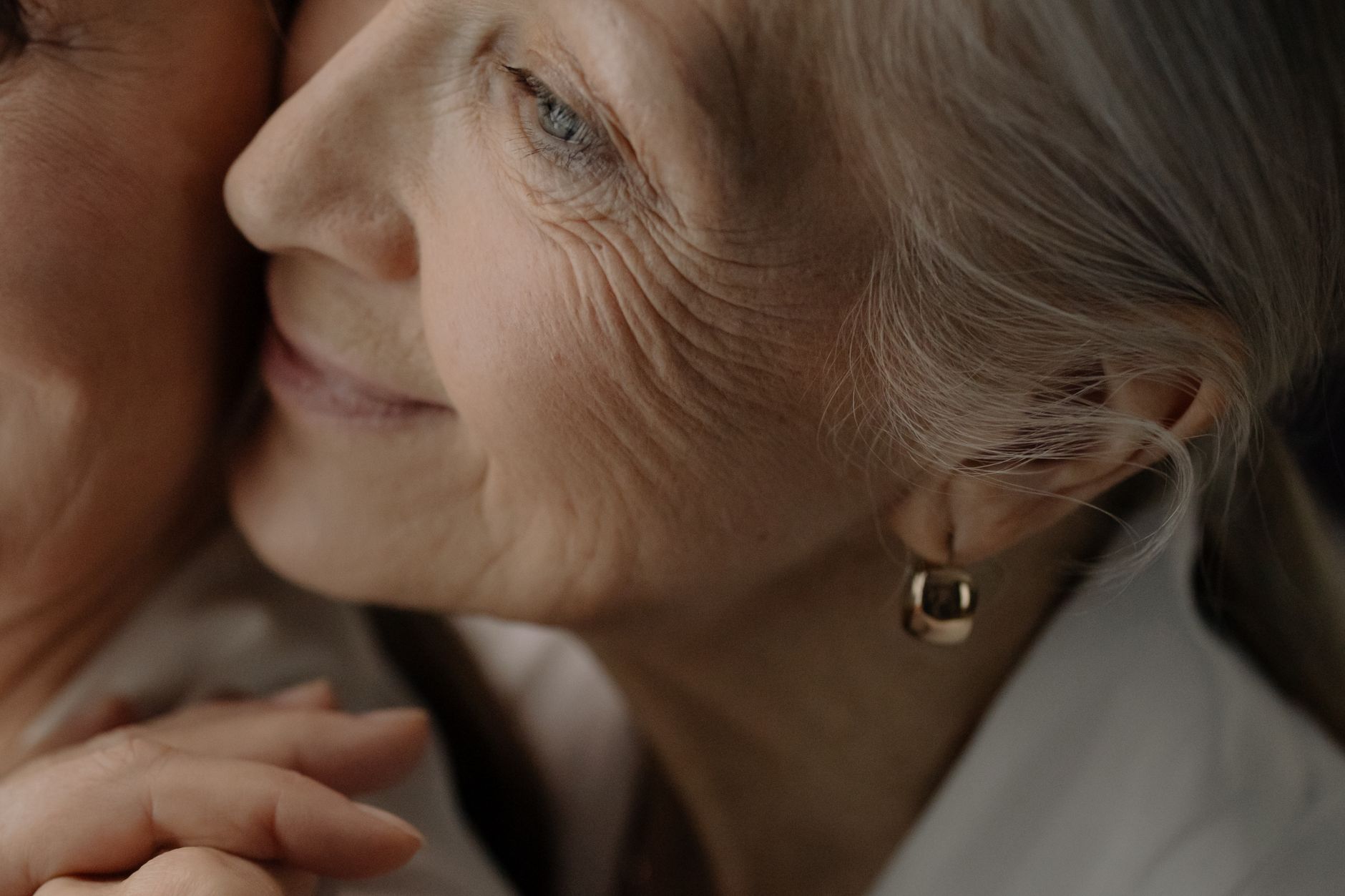
Social isolation is one of the most damaging factors for aging adults, yet centenarians consistently buck this trend by maintaining robust networks of family, friends, and community ties. Studies show that centenarians tend to live in close-knit communities where multi-generational households or frequent family contact is the norm, not the exception. This social engagement isn’t casual; it’s often purposeful and regular. In Okinawa, for instance, centenarians participate in community activities, attend family dinners, and maintain friendships that span decades.
The loneliness epidemic that affects many older adults in Western countries is nearly absent among centenarians. A 2015 Harvard study tracking adults over 80 years found that those with the strongest social bonds lived longer and remained healthier than their isolated peers. Centenarians often serve as elders or advisors in their communities—roles that provide meaning and keep them mentally engaged. Unlike the stereotype of aging as a time of withdrawal, centenarians are woven into the fabric of their communities in active, valued roles.
Physical Activity and Movement Throughout Life
Centenarians don’t spend their days sedentary or confined to chairs. Even at advanced ages, they engage in regular, moderate physical activity—not intense gym workouts, but consistent movement integrated into daily life. Walking is the most common form of exercise among centenarians worldwide. Many walk to shops, to visit neighbors, to tend gardens, or simply for the sake of moving.
This isn’t exercise as a scheduled obligation; it’s movement as a natural part of living. The limitation here is important to note: centenarians typically began these movement patterns decades earlier and maintained them consistently. Starting a rigorous exercise program at 85 if you’ve been sedentary for 20 years is far more challenging than maintaining lifelong habits of regular walking and activity. Centenarians in Blue Zones often walk 3 to 5 miles daily as a byproduct of their lifestyle, not as a goal they consciously pursue. They climb stairs, carry groceries, garden, and do household work without thinking of these activities as “exercise.” The downside is that this pattern requires a living environment that supports walkability—something that suburban and car-dependent communities often lack.
Dietary Patterns That Support Longevity
Centenarians share remarkably consistent eating habits: plant-forward diets with minimal processed foods, regular consumption of whole grains, legumes, nuts, and seasonal vegetables. They eat meat sparingly and drink moderate amounts of alcohol, typically wine with meals. Their diets are low in added sugars and refined carbohydrates, but not restrictive or obsessive. The emphasis is on real food that their grandparents would recognize. In Sardinia, centenarians eat pecorino cheese, whole grain bread, and vegetables grown in local gardens.
In Okinawa, sweet potatoes, legumes, and leafy greens dominate their diet. In Costa Rica, black beans, plantains, and tropical fruits are staples. These aren’t fad diets or expensive superfoods—they’re affordable, traditional foods available in local markets. Centenarians don’t count calories obsessively or follow restrictive eating plans; they eat until satisfied and stop. This simple approach to nutrition produces remarkably consistent health outcomes across different cultures and climates.
Purpose and Mental Engagement
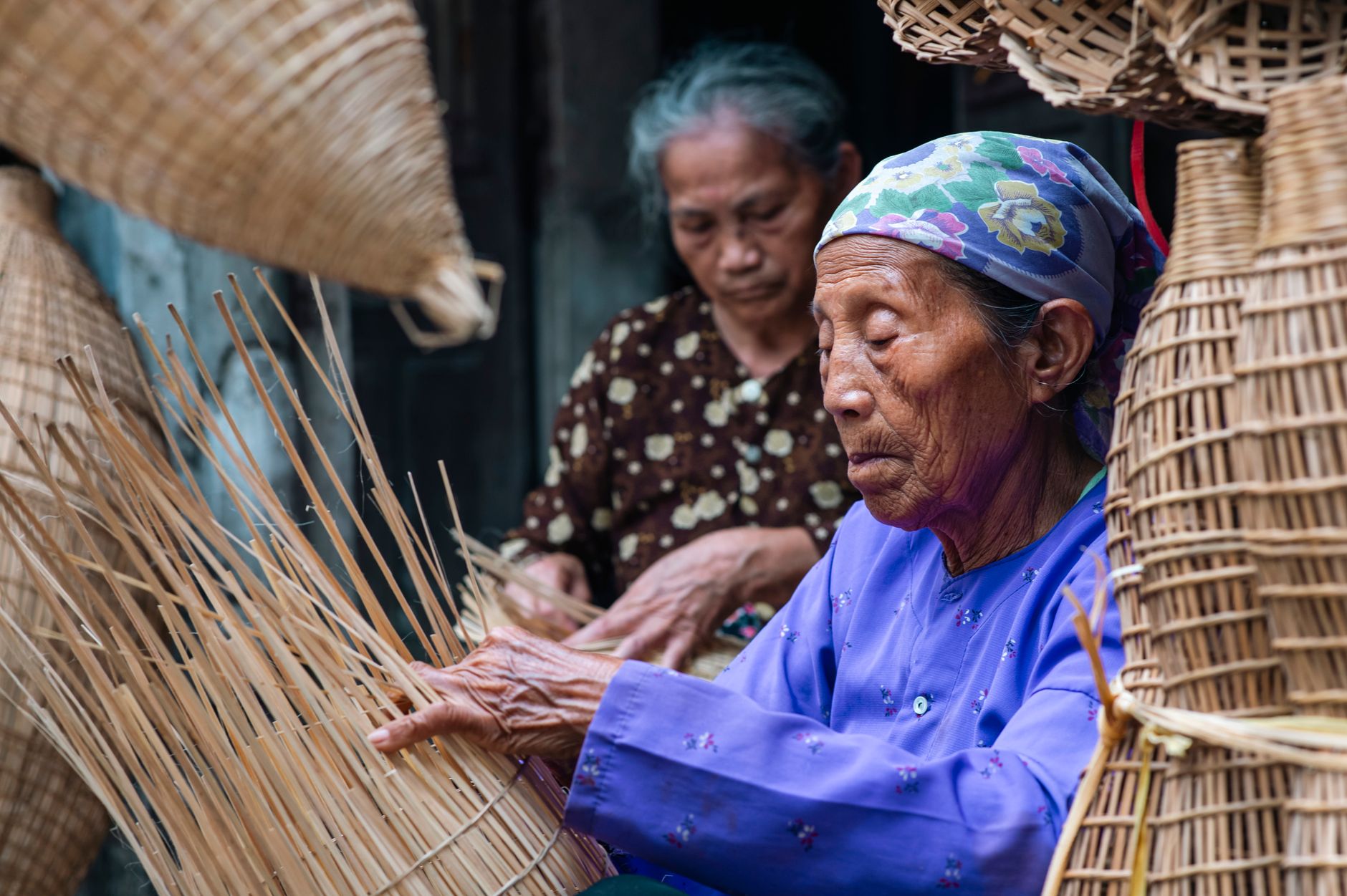
Purpose is perhaps the most overlooked factor in longevity. Centenarians consistently report having reasons to get out of bed—caring for family members, contributing to their communities, pursuing hobbies or crafts, or sharing knowledge with younger generations. In Japanese culture, this concept is called “ikigai,” roughly translated as “reason for being.” Research shows that people with a strong sense of purpose live significantly longer than those without it, and this effect is independent of wealth, health status, or living conditions.
The tradeoff is that purpose must be authentic and meaningful to the individual, not imposed from outside. A caregiver telling an aging adult that they “should” volunteer may backfire if the person feels obligated rather than genuinely engaged. Centenarians typically find purpose through paths they’ve chosen—whether that’s teaching, mentoring, creating art, gardening, or simply being the keeper of family stories and history. This active engagement with life, rather than passive consumption or entertainment, appears to be essential to reaching 100 and beyond.
Managing Stress and Maintaining Emotional Resilience
Centenarians don’t avoid stress entirely, but they tend to have healthy methods of processing it and not letting it accumulate. Many practice some form of stress reduction—whether that’s prayer, meditation, time in nature, or simply having trusted people to confide in. They’ve often experienced significant losses—the deaths of spouses, children, or peers—yet they’ve developed resilience rather than becoming bitter or withdrawn. Their ability to accept life’s difficulties while maintaining hope appears to be crucial.
One important caveat: emotional resilience at 100 often reflects a lifetime of developing coping skills, not a sudden shift in mindset at age 80 or 90. Additionally, the assumption that “positive thinking” alone creates longevity is oversimplified. Centenarians who’ve lived through wars, poverty, or hardship aren’t simply optimistic in a naive way—they’re realistic about challenges while maintaining a forward-looking perspective. The warning here is that simply telling an anxious or depressed older adult to “think positive” ignores the real mental health needs that may require professional support.
Access to Healthcare and Preventive Care
Centenarians often live in communities where basic healthcare is accessible and preventive care is normalized. They tend to have regular check-ups, manage chronic conditions like high blood pressure or diabetes, and address health concerns before they become serious. However, they typically don’t undergo excessive medical testing or heroic interventions at advanced ages.
They see healthcare as a tool for maintaining function and quality of life, not as a means to extend life at any cost. An example is seen in the healthcare systems of Blue Zones, where preventive care and community health are emphasized over expensive specialized treatments. A centenarian in Costa Rica or Greece might see the same primary care provider for decades, maintaining continuity of care and deep knowledge of their health history. This stands in contrast to the fragmented healthcare many older Americans experience, bouncing between specialists who don’t communicate with each other.
The Importance of Environment and Lifelong Learning
Centenarians live in environments that support their independence and continued engagement. Whether it’s a close-knit village where walking is practical or a multi-generational household where daily interaction is built in, their physical surroundings reinforce the behaviors associated with longevity.
Many centenarians also maintain cognitive engagement through learning—whether formal education, learning new skills, or simply staying curious about the world around them. The long-term outlook suggests that centenarian longevity won’t be achieved through a single intervention or supplement, but through intentional design of daily life around the factors that centenarians have in common. As communities and families recognize that aging can be vibrant and purposeful rather than merely a decline into illness, more people may have the opportunity to reach 100 with health, independence, and dignity intact.
Conclusion
What centenarians have in common is not a mystery requiring complex medical intervention—it’s a set of interconnected lifestyle patterns that can be adopted at any age. Social connection, purposeful engagement, regular movement, a plant-based diet, stress resilience, and access to supportive healthcare form the foundation of their longevity. These factors don’t operate in isolation; they reinforce each other, creating a system that supports both physical health and mental well-being throughout a long life.
For those supporting aging adults or planning their own aging journey, the takeaway is clear: longevity is primarily shaped by daily choices and environmental factors, not by genes or expensive interventions. The goal isn’t simply to live longer, but to live well—with independence, engagement, and purpose—for as many years as possible. By understanding what centenarians have in common and building these patterns into daily life now, anyone can move toward a healthier, more meaningful aging process.