
Decluttering is the process of intentionally removing items you no longer use, need, or value from your living spaces to create an organized, functional environment. For older adults aging in place, decluttering goes beyond simple tidiness—it’s a safety and independence strategy. A crowded home with scattered items, piled furniture, and excess belongings creates fall hazards, blocks walkways, complicates daily living tasks, and can make it harder for caregivers to assist you when needed. For example, a bedroom with stacks of boxes, unused furniture, and clothes piled on chairs not only looks cluttered but creates genuine mobility obstacles. When you need to reach the bathroom quickly or get up in the middle of the night, those obstacles become safety risks.
Decluttering removes these hazards and makes your home work better for your actual life now. The benefits for aging in place are measurable and direct. A decluttered home is easier to navigate, requires less physical effort to maintain, reduces injury risk, and improves your ability to find things when you need them. Decluttering also makes it easier for family members or home health aides to provide care, clean safely, and respond quickly in emergencies. Beyond the physical advantages, many older adults report feeling calmer, more in control, and more capable when their environment is organized. This mental clarity often leads to better decision-making about what to keep and what to release.
Table of Contents
- Why Decluttering Matters More as You Age
- The Emotional Side of Letting Go
- Creating Safe Pathways in Your Home
- Room-by-Room Prioritization and Strategies
- Avoiding Common Decluttering Mistakes
- Digital Organization and Physical Paperwork
- Maintaining Momentum and Preventing Re-Clutter
- Conclusion
- Frequently Asked Questions
Why Decluttering Matters More as You Age
As you get older, the relationship between your living space and your independence becomes tighter. Excess items that seemed harmless at forty or fifty—boxes of old papers, duplicate kitchen tools, furniture you never use—become genuine obstacles at seventy or eighty. Research on falls in older adults consistently identifies trip hazards and cluttered floors as significant risk factors. A room with clear pathways is not just more pleasant; it’s measurably safer. Additionally, maintaining a cluttered home requires more physical energy than you may have, whether that’s bending to retrieve things from piles, lifting heavy boxes, or constantly organizing the same items over and over.
Decluttering is an investment in your future self, not a punishment for past habits. Your cognitive load decreases when your environment is simpler too. Older adults often report decision fatigue and mental clutter that mirrors their physical surroundings. When you look at a room full of accumulated possessions, your brain processes each one, even subconsciously. Removing items you don’t use frees up mental energy for things that matter—relationships, hobbies, problem-solving. Some researchers compare decluttering to reducing background noise; your mind can finally hear itself.
The Emotional Side of Letting Go
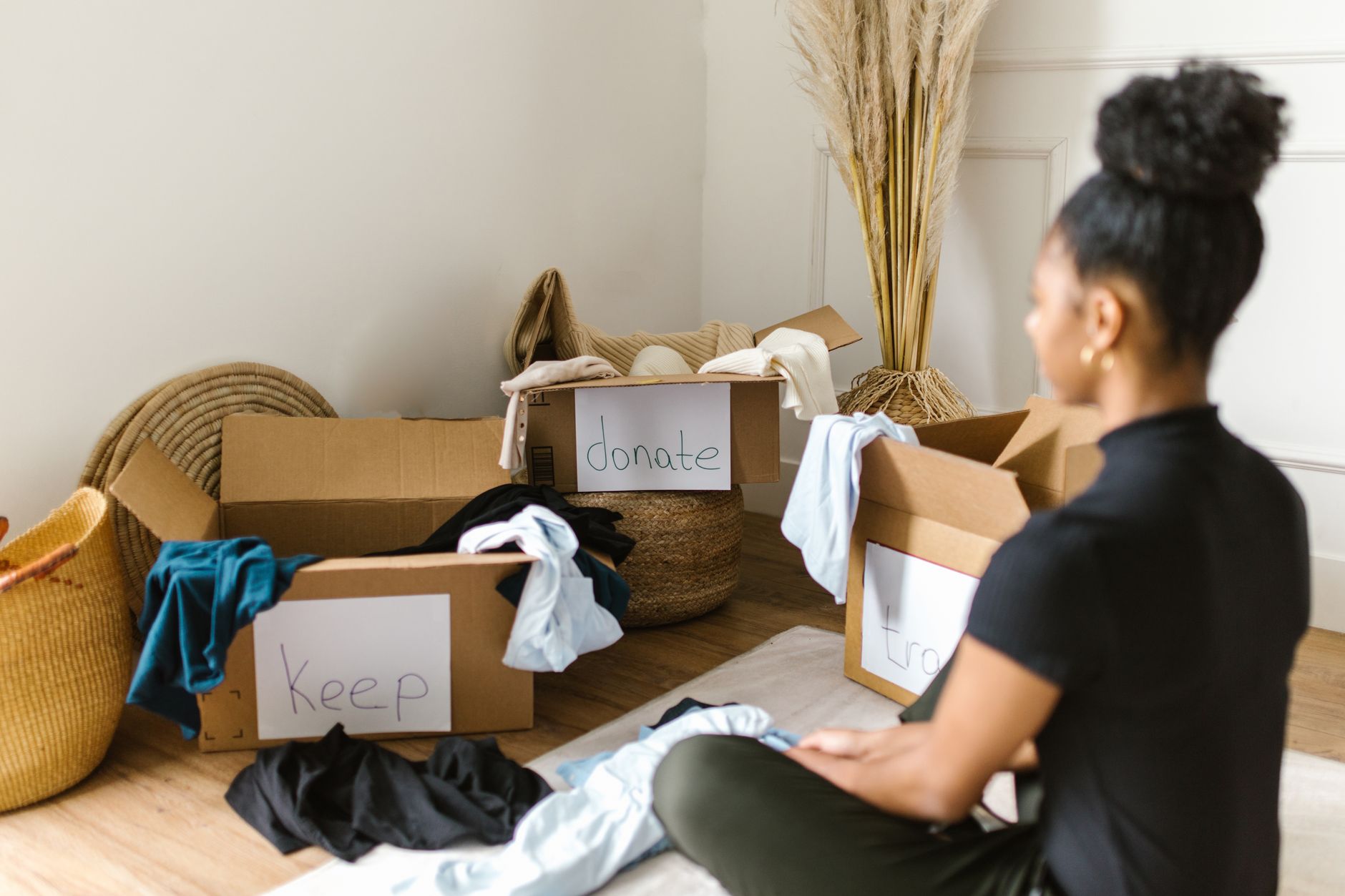
Most older adults don’t struggle with decluttering because they’re lazy or stubborn. They struggle because stuff carries memory, identity, and meaning. that box of your late spouse’s clothes, your children’s old report cards, the china your mother gave you—these items connect you to people and periods of your life. Letting go can feel like betraying those memories or relationships. Understanding this emotional attachment is crucial because it explains why generic “just throw it away” advice rarely works.
You need a decluttering approach that honors what those items meant while freeing you from the burden of keeping them all. One common limitation of quick decluttering guides is that they treat all decisions as the same, when in reality, deciding to donate a kitchen gadget is emotionally different from deciding to let go of your wedding gifts. A warning worth noting: sometimes excessive attachment to possessions can signal depression or grief that needs separate attention. If you feel unable to part with anything, find it deeply distressing to make decisions, or notice that decluttering attempts trigger unusual anxiety, it may help to speak with a counselor or therapist alongside your decluttering work. There’s a difference between normal, healthy attachment and a pattern that’s keeping you isolated or unsafe. Taking that first step to acknowledge emotional barriers is more important than aggressively clearing your home.
Creating Safe Pathways in Your Home
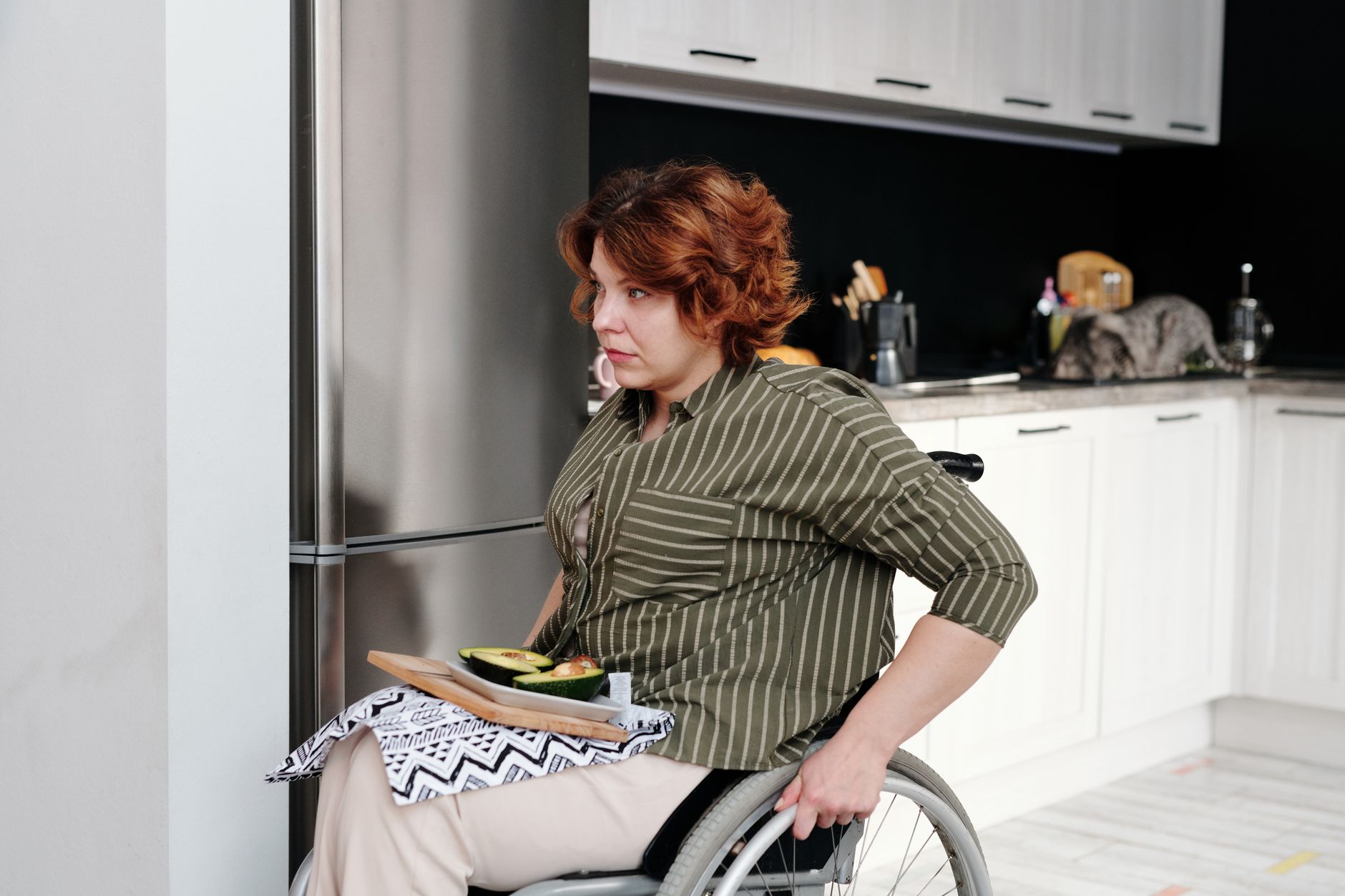
One of the most practical reasons to declutter is to establish and maintain clear pathways through your living spaces. This isn’t about having an empty house—it’s about ensuring that the most-used routes from your bed to the bathroom, from the kitchen to the living room, and from your front door to key areas are wide enough to navigate safely, especially if you use a walker, cane, or wheelchair, or if you have balance concerns. A specific example: many older adults keep “just in case” chairs, small tables, or shelving stacked in hallways. These items might seem out of the way, but they narrow the hallway enough to make navigation difficult. Removing them literally widens your world and makes it safer.
Creating these pathways requires you to think about your real daily movements, not theoretical ones. Walk slowly through your home and notice where you naturally stop, where you reach for support, and where you might trip. Those are the areas that need the most attention. If you use adaptive equipment like a walker or need mobility aids in the future, take that into account now. A hallway that’s fine for walking without equipment might become impassable with a walker if it’s cluttered.
Room-by-Room Prioritization and Strategies
Trying to declutter your entire home at once is overwhelming and rarely successful. A more practical approach is to prioritize by room based on safety and frequency of use. Start with the spaces where you spend the most time and where clutter poses the most risk: your bedroom (especially around the bed and pathways to the bathroom), bathrooms, and the main living areas. These high-impact areas often give you the biggest immediate improvement in safety and daily functioning. After that, move to the kitchen, where excess items and duplicate tools can actually slow you down when you’re preparing meals.
Then tackle storage spaces, spare rooms, and lower-traffic areas. Compare two approaches: aggressive decluttering (trying to sort your whole house in a month) versus gradual decluttering (one room every two weeks, or even one area per week). The aggressive approach often leads to burnout, decision fatigue, and sometimes bringing items back because you didn’t really decide—you just threw things away in a rush. The gradual approach lets you make thoughtful decisions, live with the results, and adjust your criteria as you go. Most older adults and their families report better long-term success with the slower, steadier method. You’re not trying to be done quickly; you’re trying to create a safer, easier living situation that you can maintain.
Avoiding Common Decluttering Mistakes
One of the biggest mistakes people make is keeping items “for parts” or “just in case.” That drawer full of old phone chargers, the broken toaster you meant to fix, the extra remote controls, the clothing in “aspirational” sizes—these items occupy space and create clutter without providing current value. A warning: if you find yourself regularly thinking “I might use that someday,” it’s usually a sign that you won’t. Our lives tend to move forward, not backward. Technology changes, sizes change, needs change. Keeping things for hypothetical future scenarios is different from keeping things you actually use or love.
Another common trap is keeping items because they’re “too good to throw away,” even if you’ve never used them and won’t. A set of dishes you received as a gift twenty years ago, clothing with tags still on, expensive kitchen equipment you’ve never opened—these create psychological clutter because you feel guilty about the waste. Redirect that guilt: donate items in good condition to people who will actually use them. Your neighbor might genuinely need those extra dishes or that kitchen tool. Giving them a second life with someone who will appreciate them is better than letting them gather dust while you feel bad about them. This is the actual good use—not storing them indefinitely, but getting them to someone who will love them now.
Digital Organization and Physical Paperwork
Many older adults focus on physical clutter while overlooking paperwork and documents, which can pile up just as significantly. Medical records, financial statements, old insurance paperwork, bills, and letters accumulate over years and can make it hard to find important documents when you need them. Decluttering paperwork is a practical project with real safety implications: if something happens to you, your family, spouse, or emergency contacts need to be able to access crucial information quickly. Shred or securely destroy sensitive documents you no longer need to keep (most financial records can be discarded after seven years, for example), organize active files clearly, and let someone trusted know where to find them.
A specific example: one older adult had three filing cabinets full of documents dating back thirty years, mixed together with current bills and medical records. During a medical emergency, it took hours for family members to locate insurance information that was actually in one of those drawers. After decluttering and organizing, critical documents were in one labeled folder, taking minutes to access. Beyond paperwork, consider your digital files and email accounts too. If your computer is full of old files, hundreds of emails, and unclear folder structures, it’s harder for you to manage important information and harder for caregivers or family to help if needed.
Maintaining Momentum and Preventing Re-Clutter
Decluttering isn’t a one-time project; it’s an ongoing practice. After you’ve cleared spaces, the question becomes: how do you prevent things from accumulating again? This requires simple decision-making at the point of acquisition. Before bringing something new into your home, ask yourself where it will go, whether you have space for it, and whether it serves a current need or use. Impulse purchases and gifts you don’t want are common sources of re-clutter. It’s okay to say no to items, even gifts.
A gracious “thank you, but I’m focusing on simplifying my home right now” is an acceptable way to decline. Looking forward, many older adults find that simpler living actually improves quality of life in ways they didn’t expect. Less to manage means more energy for relationships, interests, and activities that matter. The goal isn’t a sterile, empty home—it’s an environment that supports your independence, safety, and the life you actually want to live now. Once you experience the freedom of a decluttered space, maintaining it becomes easier because you see the tangible benefits every day.
Conclusion
Decluttering is a practical investment in your independence, safety, and peace of mind. By creating clear pathways, removing trip hazards, and eliminating items that don’t serve your current life, you’re actively supporting your ability to age safely in place. The process doesn’t require speed or perfection; it requires honest decisions about what truly matters to you and what genuinely serves your daily life.
Start with one high-impact space, move at a sustainable pace, and focus on creating an environment that makes your daily life easier and safer. The next step is to identify one room or area where you’ll begin. Choose somewhere you spend time daily and where clutter creates real obstacles or safety concerns. Give yourself permission to take your time, to feel whatever emotions come up about letting go, and to celebrate the clarity and safety you create with each item you thoughtfully release.
Frequently Asked Questions
Is it ever okay to keep things for sentimental reasons?
Yes. Sentimental items that genuinely bring you joy and fit into your space are worth keeping. The key is being honest about which items truly matter to you versus which ones you’re keeping out of guilt or obligation. Keep the things you love; release the rest.
What if I’m worried about throwing away something I might need later?
This is a common concern, but it’s worth examining your actual pattern. Most people keep items they genuinely use regularly in a way that’s easy to access. If something has been buried in a closet for years, the odds of needing it are low. For truly essential items (important tools, important documents, emergency supplies), store them accessibly. For “just in case” items, consider whether you’d actually use them or whether you’d buy a replacement if the need arose.
How do I involve family members in decluttering without it becoming stressful?
Clear communication helps. Explain that you’re decluttering for safety and independence, not because you’re getting rid of memories. Ask them to claim items that matter to them before you donate or discard. Set boundaries about what you’re ready to let go of—you’re the decision maker, not them. Their input can be valuable, but their attachment to your possessions isn’t your responsibility.
Should I try to sell items or donate them?
Selling can be emotionally satisfying (you know someone valued the item enough to pay), but it’s time-consuming and often yields less money than you expect. Donating is usually faster and emotionally simpler. Choose whichever approach won’t delay your decluttering process.
What if I feel overwhelmed when I start decluttering?
Stop. Slow down. You don’t have to do this alone. Invite a family member, friend, or professional organizer to help. Having another person present can make decision-making easier and the process less emotionally intense. There’s no prize for speed.